Understanding RDP Powder Price Dynamics and Key Market Influences
Understanding RDP Powder Price and its Market Dynamics
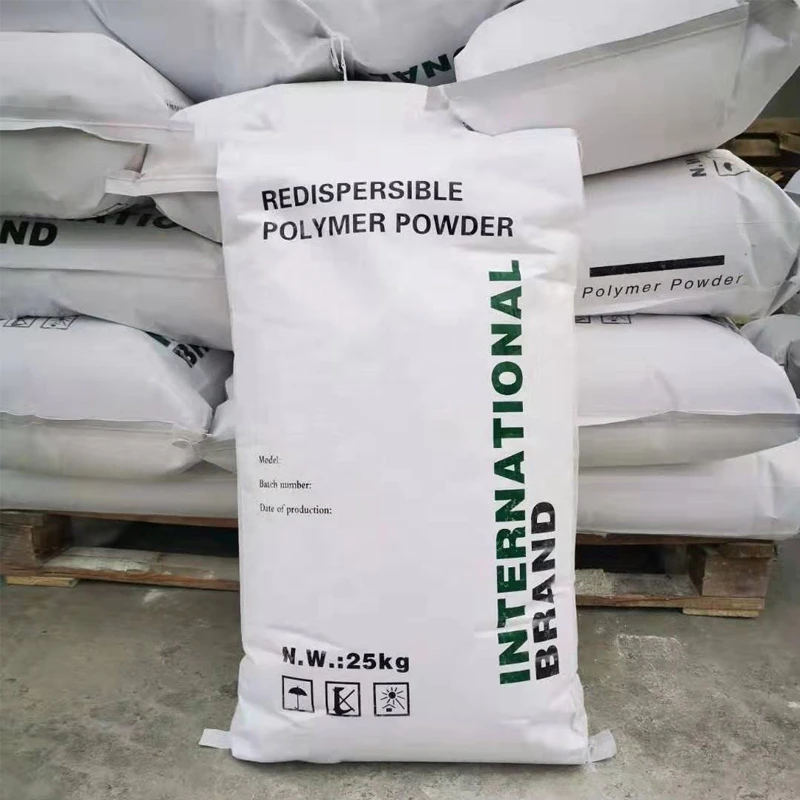
Redispersible polymer powder (RDP) is a vital ingredient in the construction industry, widely used to enhance the performance of cement-based products like tile adhesives, renders, and repair mortars. The rdp powder price is influenced by a variety of factors, from raw material costs to global demand and manufacturing processes. This article provides a comprehensive overview of the factors affecting RDP powder pricing, current market trends, and what buyers need to consider. We’ll also delve into the different grades of RDP and their corresponding price points. Understanding these dynamics can help you make informed purchasing decisions.
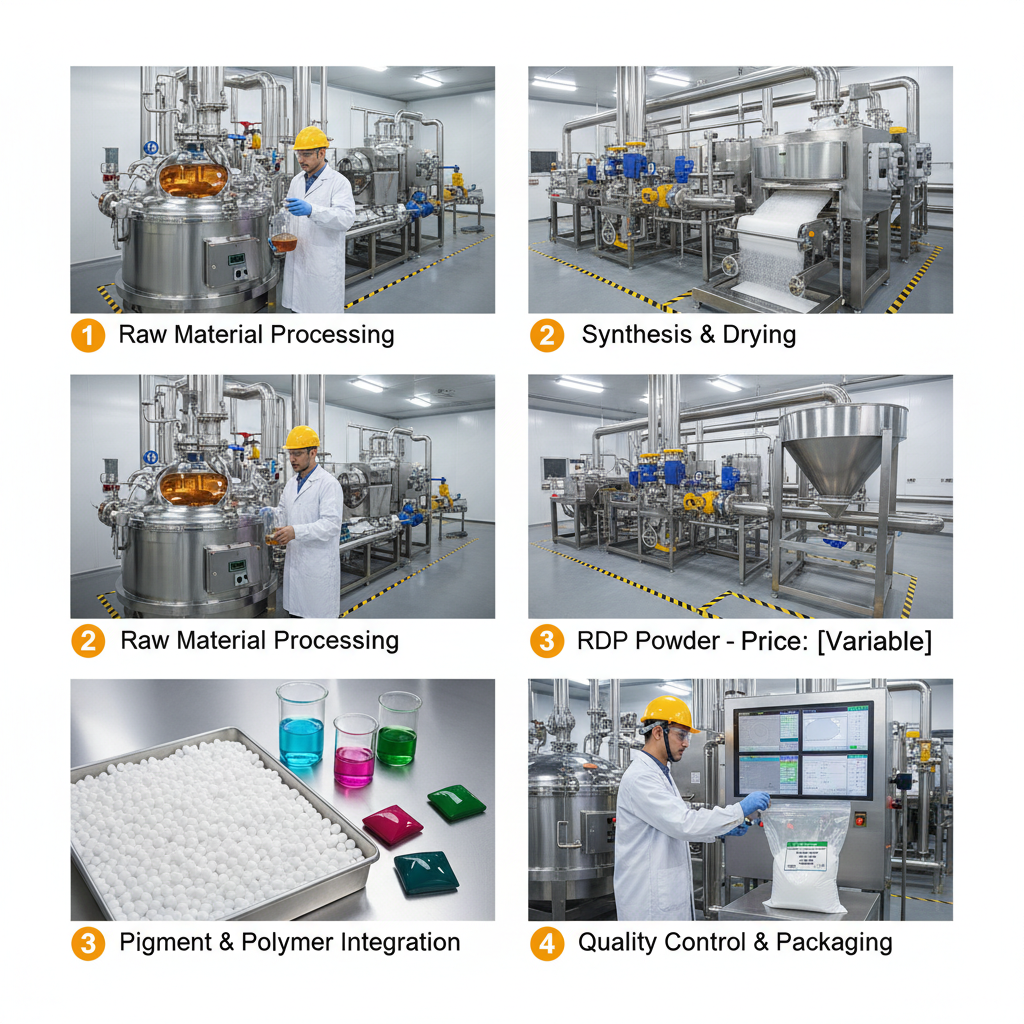
Factors Influencing RDP Powder Price
Several key factors contribute to the fluctuating price of RDP powder. The primary driver is the cost of raw materials, particularly vinyl acetate monomer (VAM), which is a petroleum-derived product. Changes in crude oil prices directly impact VAM costs, subsequently affecting RDP prices. Additionally, manufacturing costs, including energy consumption and labor, play a significant role. Supply and demand dynamics are also crucial; increased construction activity, especially in developing economies, often leads to higher demand and price increases. Finally, transportation costs and currency exchange rates can further influence the final price delivered to the customer. Understanding these influences is crucial for predicting and managing RDP powder procurement costs.
Key Highlights: Raw material costs (VAM), manufacturing expenses, supply and demand, transportation, and currency exchange rates are all crucial factors affecting RDP powder pricing.
RDP Powder Price Based on Grade and Application
The price of RDP powder varies significantly based on its grade, which is determined by its properties and intended application. Different polymers, like polyvinyl acetate (PVAc), vinyl acetate-ethylene (VAE), and vinyl acetate-vinyl versatate (VaVe), result in different performance characteristics and price points. For example, VAE-based RDPs, offering superior flexibility and water resistance, typically command a higher price than PVAc-based options. Similarly, RDPs designed for specific applications, such as high-performance tile adhesives or external thermal insulation composite systems (ETICS), may be priced higher due to specialized formulations.
Global Market Trends Affecting RDP Powder Prices
The global RDP market is currently experiencing growth, driven by increased construction activity in Asia-Pacific, Latin America, and the Middle East. China remains the largest consumer of RDP, significantly influencing global prices. Supply chain disruptions, particularly those experienced in recent years, have also contributed to price volatility. Furthermore, the increasing adoption of sustainable construction practices is driving demand for eco-friendly RDP formulations, which may come at a premium price. Staying informed about these global trends is essential for navigating the RDP market effectively. Pezetech provides up-to-date market analysis and pricing information to help customers make informed decisions.
Key Market Trends:
• Growth in Asia-Pacific construction sector
• Supply chain disruptions impacting availability
• Increasing demand for sustainable RDP options
• China as a major consumer influencing prices
Choosing the Right RDP Supplier: A Critical Consideration
Selecting a reputable RDP supplier is crucial for ensuring consistent quality, reliable supply, and competitive pricing. Look for suppliers with a proven track record, strong quality control processes, and a commitment to customer service. It's also important to consider the supplier's logistical capabilities and their ability to meet your specific delivery requirements. Pezetech, as a leading RDP manufacturer, offers a wide range of high-quality products, competitive pricing, and expert technical support.
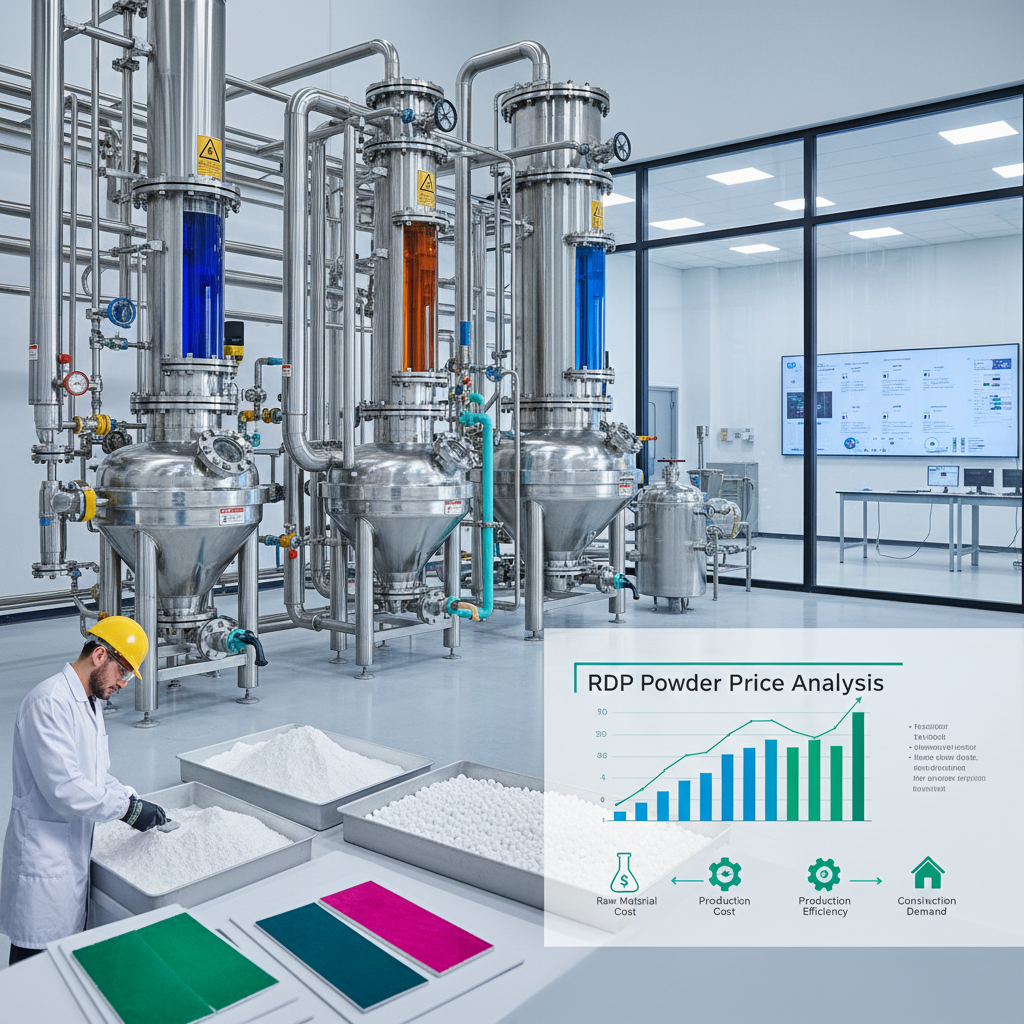
Negotiating RDP Powder Prices: Tips for Buyers
Effective negotiation can help you secure favorable RDP powder prices. Consider purchasing in bulk to leverage volume discounts. Establishing long-term relationships with suppliers can also lead to more competitive pricing. Obtain quotes from multiple suppliers and compare not only the price but also the quality, delivery terms, and technical support offered. Being prepared to discuss your specific requirements and projected volumes can strengthen your negotiating position.
Conclusion: Staying Informed in a Dynamic Market
Understanding the factors that influence rdp powder price is crucial for successful procurement. By staying informed about market trends, carefully evaluating supplier options, and employing effective negotiation strategies, you can optimize your RDP costs and ensure a reliable supply of this essential construction material.
Frequently Asked Questions (FAQs)
What is the typical lead time for RDP powder orders?
Lead times can vary depending on the supplier, order volume, and current market conditions. Generally, standard orders are fulfilled within 7-14 business days. However, larger or customized orders may require longer lead times. It's crucial to confirm lead times with your supplier before placing an order, especially during periods of high demand. Pezetech strives to offer competitive lead times and maintains sufficient inventory to meet customer needs efficiently.
How should RDP powder be stored to maintain its quality?
RDP powder should be stored in a cool, dry, and well-ventilated area, away from direct sunlight, heat sources, and moisture. It's essential to keep the packaging sealed tightly to prevent clumping and degradation. Proper storage conditions are critical for maintaining the powder's redispersibility and performance characteristics. Avoid stacking pallets too high, as this can compress the bags and potentially damage the contents.
What is the shelf life of RDP powder?
Typically, RDP powder has a shelf life of 12-18 months when stored correctly. However, it's always best to check the manufacturer's recommended shelf life on the packaging. While the powder may still be usable beyond this date, its performance may be compromised due to moisture absorption or degradation. Regular inspection of the powder's appearance and redispersibility is recommended.
Does RDP powder require special handling precautions?
While RDP powder is generally considered safe to handle, it's recommended to wear dust masks and safety glasses to avoid inhalation or eye irritation. Avoid creating dust during handling and ensure adequate ventilation in the work area. Refer to the Material Safety Data Sheet (MSDS) provided by the supplier for detailed safety information and handling precautions.
-
Top Guide to Selecting Professional vae emulsion manufacturersNewsApr.16,2026
-
Viscosity of HPMCNewsApr.15,2026
-
HPMC Powder UsesNewsApr.15,2026
-
Understanding VAE Emulsion for Modern Industrial CoatingsNewsApr.09,2026
-
Comprehensive Guide to Redispersible Emulsion Powder and its ApplicationsNewsApr.07,2026
-
Comprehensive Guide to Redispersible Latex Powder for Construction ApplicationsNewsApr.04,2026