9049 76 7 Hydroxypropyl Starch | High Purity, Fast Delivery
9049 76 7 is a key solution in the chemical industry industry, specifically within fine chemicals and Building Chemicals. This article explores how Pengze Technology (Shijiazhuang) Co., Ltd. supports professionals with durable, high-performance products, and explains why this product is an ideal choice for businesses in these sectors.
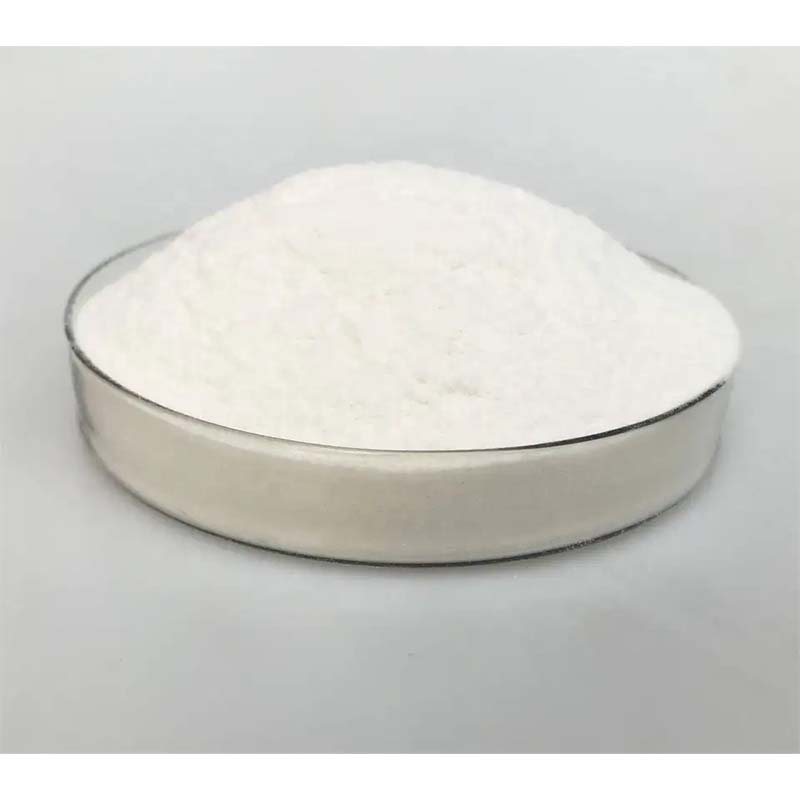
Table of Contents
- 9049 76 7 Overview
- Benefits & Use Cases of 9049 76 7 in Building Chemicals
- Cost, Maintenance & User Experience
- Sustainability & Market Trends in chemical industry
- Conclusion on 9049 76 7 from Pengze Technology (Shijiazhuang) Co., Ltd.
9049 76 7 Overview
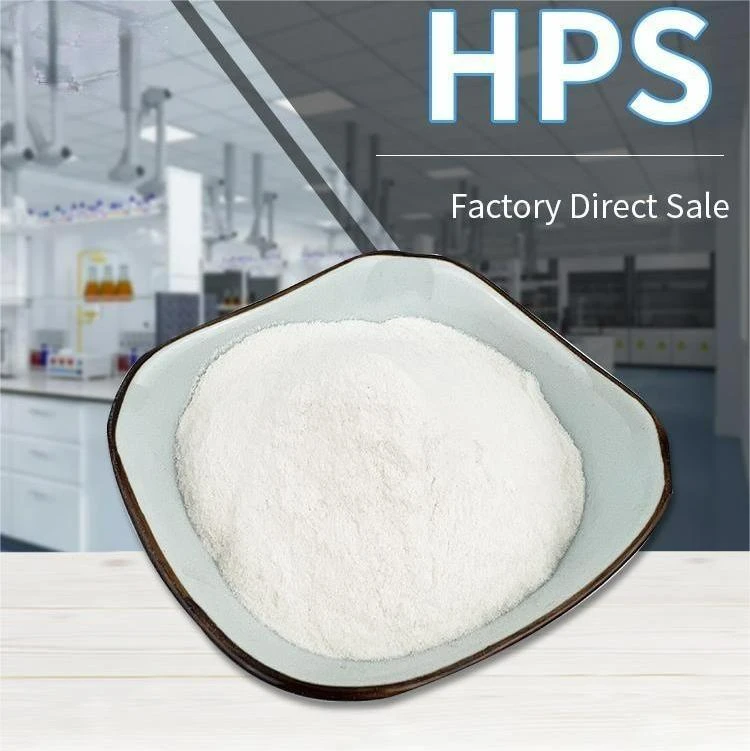
CAS 9049-76-7 refers to hydroxypropyl starch, commonly known in construction formulations as hydroxypropyl starch ether (HPS). This nonionic, bio-based polymer is engineered by etherifying starch to improve water retention, lubricity, and workability in cementitious and gypsum systems. In the chemical industry → fine chemicals → Building Chemicals value chain, HPS serves as a functional, cost-efficient rheology modifier that complements cellulose ethers (e.g., HPMC) and air-entraining agents.
- Chemistry: Modified polysaccharide (starch, 2‑hydroxypropyl ether) with tailored substitution for optimal mortar performance; often discussed alongside sodium hydroxypropyl starch phosphate in formulation design.
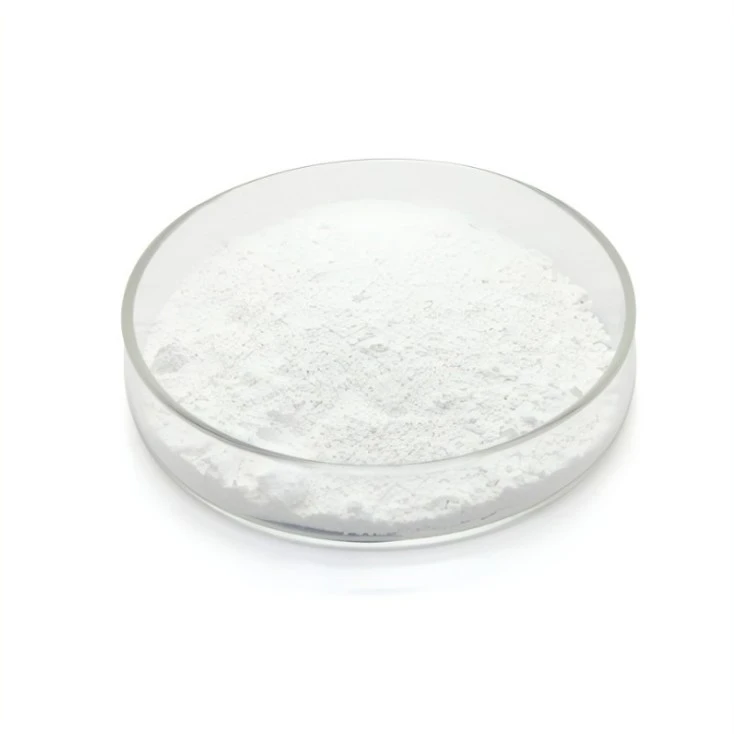
- Form: Free-flowing powder; typical use level in dry-mix mortars is 0.05–0.30% by weight depending on system and desired feel.
- Performance focus: Smooth troweling, slip resistance, improved sag control, better open time and finish in putties, plasters, and tile adhesives.
- Manufacturer: Pengze Technology (Shijiazhuang) Co., Ltd. is among the experienced hydroxypropyl starch ether suppliers, providing consistent quality, technical data sheets, and application support.
Benefits & Use Cases of 9049 76 7 in Building Chemicals
In Building Chemicals, hydroxypropyl starch (CAS 9049-76-7) elevates user experience and productivity. It acts synergistically with cellulose ethers to fine-tune viscosity and lubricity, enabling a buttery, non-sticky hand feel while maintaining cohesive body. This is valuable in hand- and machine-applied mortars where smooth spreading, anti-sag, and easy reworkability are required.
- Key applications: cement and gypsum plaster, wall putty/skim coat, tile adhesive and grout, repair mortars, and self-leveling underlayments (as a co-modifier).
- Advantages: enhanced trowel glide, reduced stickiness to tools, improved open time, better sag/slip resistance on verticals, and consistent finish with fewer pinholes.
- Formulation flexibility: complements HPMC/HMHEC and defoamers; compatible with Portland cement, gypsum, and blended binders.
- Pengze capability: Pengze Technology (Shijiazhuang) Co., Ltd. tailors grades of hydroxypropyl starch ether to target viscosity build and workability across climates, delivering stable quality lot to lot.
Cost, Maintenance & User Experience
Total cost of ownership for 9049 76 7 is driven by dose efficiency, ease of processing, and reduced on-site rework. By improving glide and sag control, contractors finish faster with fewer defects, directly improving ROI for formulators and applicators. Compared with relying solely on cellulose ether, a judicious addition of hydroxypropyl starch ether can optimize cost/performance, especially in wall putty and plaster where finishing quality is paramount.
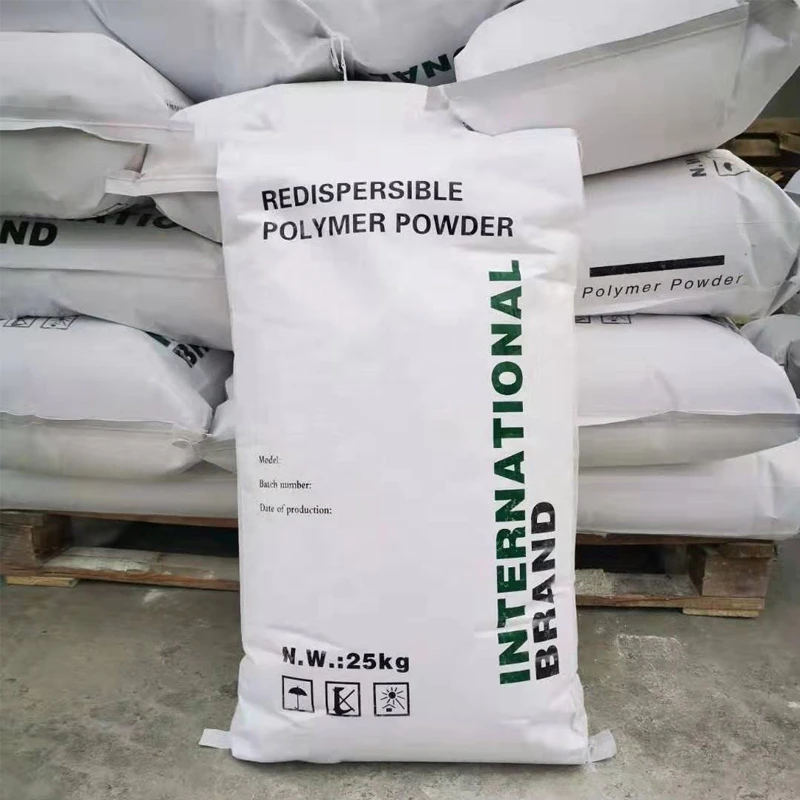
- Packaging and handling: typically supplied in 25 kg bags; store dry and cool; recommended shelf life up to 12 months in original packaging.
- Process benefits: good dispersibility in dry blending; stable performance across a wide temperature range when paired with suitable cellulose ether grades.
- User feedback: fine chemicals customers report smoother troweling, better finishing speed, and more forgiving workability windows in both gypsum- and cement-based systems.
- Documentation: Pengze provides TDS/COA/SDS and application guidance to shorten development cycles and ensure predictable field performance.
Sustainability & Market Trends in chemical industry
Green construction and tightening regulations are reshaping the chemical industry. Bio-based additives like hydroxypropyl starch and related chemistries such as sodium hydroxypropyl starch phosphate align with sustainability goals by leveraging renewable feedstocks and enabling low-VOC, low-odor mortars. Demand is rising for durable yet eco-conscious solutions that reduce material waste, support easier application, and lengthen service life, all key metrics in modern building certifications.
- Regulatory focus: safer, more transparent supply chains; comprehensive documentation and conformity with global standards.
- Market direction: premium mortars prioritizing workability, consistency, and sustainability credentials without sacrificing performance.
- Pengze positioning: Pengze Technology (Shijiazhuang) Co., Ltd. invests in reliable sourcing, stringent QC, and technical service to help partners meet eco-design targets while maintaining commercial competitiveness.
Conclusion on 9049 76 7 from Pengze Technology (Shijiazhuang) Co., Ltd.
From formulation bench to jobsite, 9049 76 7 (hydroxypropyl starch ether) delivers balanced rheology, smooth troweling, and consistent finishes across Building Chemicals, reinforcing its value in the fine chemicals toolkit. As one of the dependable hydroxypropyl starch ether suppliers, Pengze Technology (Shijiazhuang) Co., Ltd. combines quality manufacturing with responsive technical support to accelerate your product development and market success.
- Choose 9049 76 7 to enhance workability, stability, and overall application quality in modern mortars.
- Partner with Pengze Technology (Shijiazhuang) Co., Ltd. for consistent supply, documentation, and expert support.
- Strong CTA: Contact us: email: ben@pezetech.com — Visit our website: https://www.pezetech.com
-
Top Guide to Selecting Professional vae emulsion manufacturersNewsApr.16,2026
-
Viscosity of HPMCNewsApr.15,2026
-
HPMC Powder UsesNewsApr.15,2026
-
Understanding VAE Emulsion for Modern Industrial CoatingsNewsApr.09,2026
-
Comprehensive Guide to Redispersible Emulsion Powder and its ApplicationsNewsApr.07,2026
-
Comprehensive Guide to Redispersible Latex Powder for Construction ApplicationsNewsApr.04,2026