9049 76 7 Hydroxypropyl Starch | High Purity, Salt-Tolerant
Hydroxypropyl Starch Ether (Food Grade): What’s Really Behind the Spec Sheet
If you work in R&D for soups, sauces, plant-based, or frozen bakery, you’ve definitely bumped into 9049 76 7 at some point. It’s the CAS shorthand many buyers use when they evaluate Hydroxypropyl Starch Ether (HPS). And yes, even though starches sound “basic,” the real-world performance is where brands quietly win—or lose—mouthfeel, freeze–thaw stability, and label acceptance.
Quick Primer, No Fluff
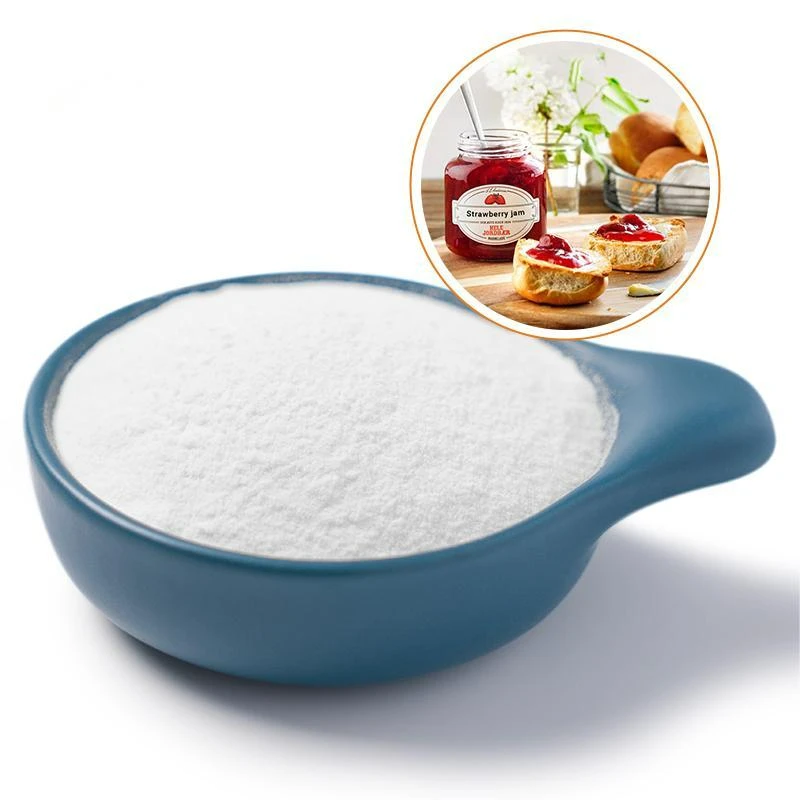
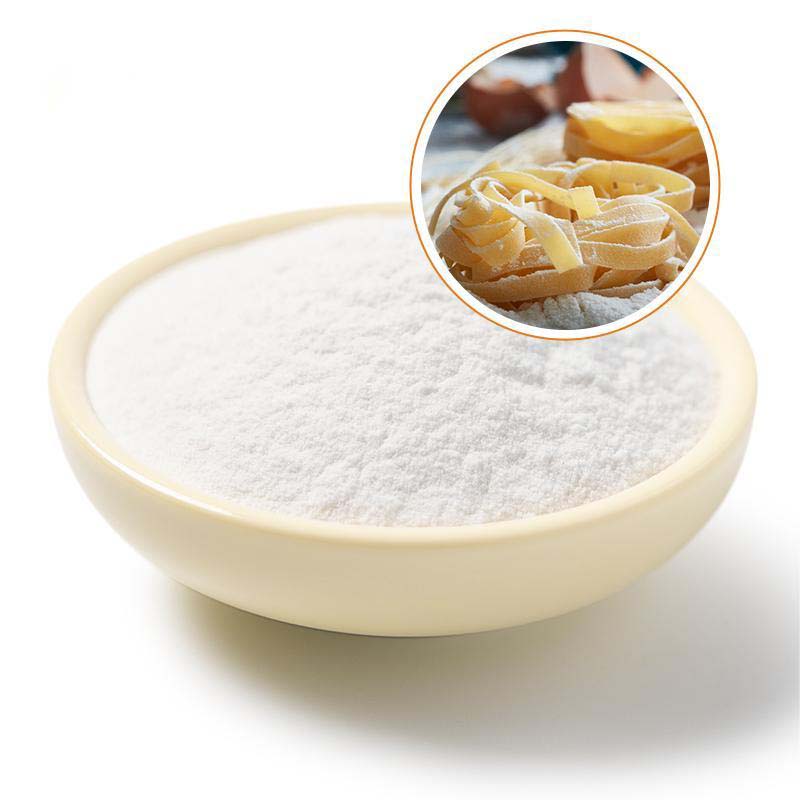
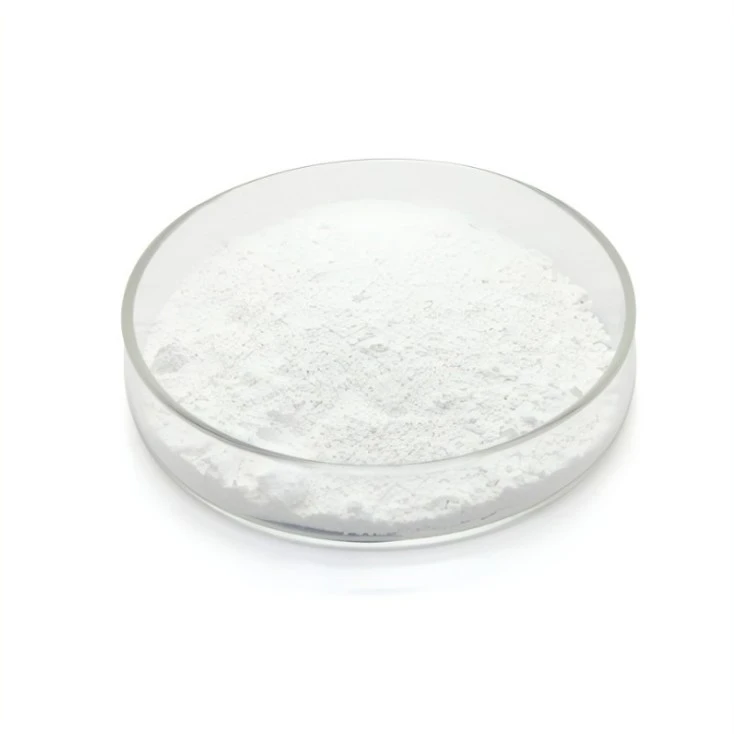
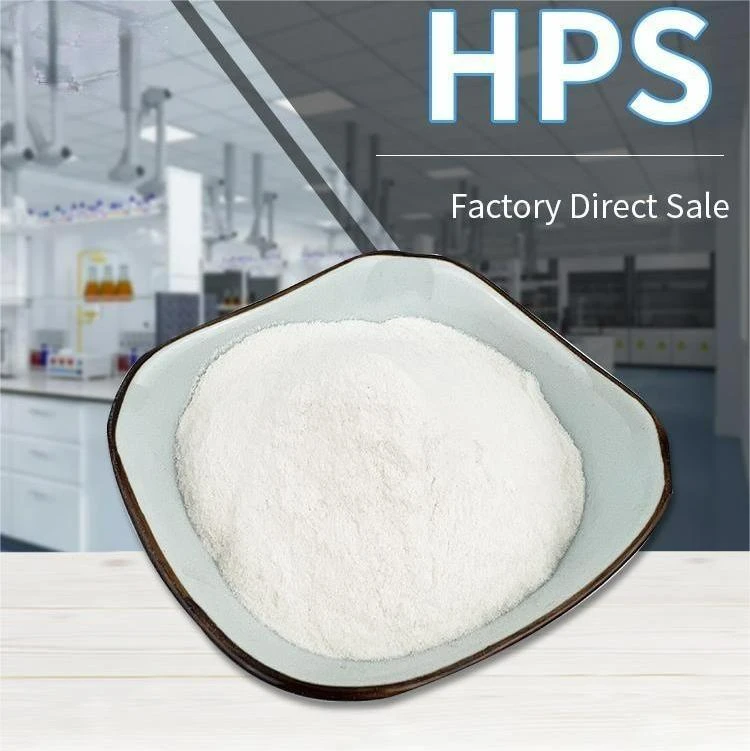
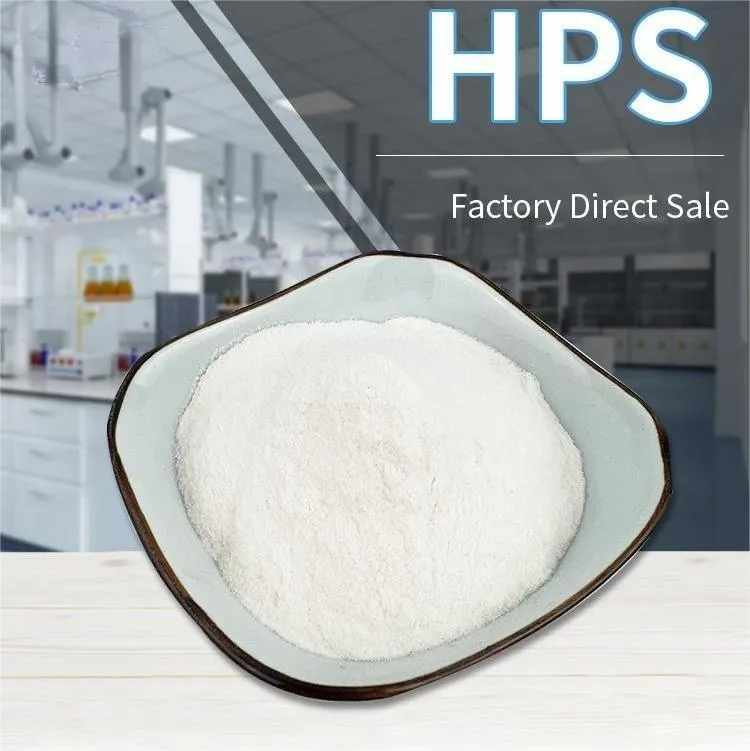
HPS is a fine white powder derived from natural plant starch (commonly corn or tapioca) and modified via etherification—then spray-dried without plasticizers. In fact, it behaves completely differently from ordinary or even simple modified starch. Think smoother rehydration, better shear tolerance, and dependable freeze–thaw recovery. Many customers say it’s the “set-and-forget” thickener in their cold-fill lines.
Where it’s used
- Soups, sauces, and gravies (shear-stable viscosity, glossy appearance)
- Frozen foods and fillings (anti-syneresis, freeze–thaw stability)
- Dairy and plant-based beverages (suspension, creamy body)
- Bakery glazes and fillings (film-forming, reduced weeping)
Industry trend check
Two things drive demand: cleaner labels (E1440 is broadly accepted) and process resilience (especially in high-shear kettles and retort). Interestingly, procurement teams now prefer suppliers offering tighter DS control and granular viscosity mapping—not just a “standard food grade.”
Product Specifications (Food Grade HPS)
| CAS | 9049 76 7 (Hydroxypropyl starch; E1440) |
| Appearance | White to off-white powder |
| Moisture | ≤ 13% (typical ≤ 10%) |
| pH (1% sol.) | 5.0–8.0 |
| Brookfield viscosity | ≈ 300–4000 mPa·s (1–2% w/w, 25°C; grade-dependent) |
| Degree of substitution (DS) | ≈ 0.05–0.2 (food-grade range; real-world use may vary by recipe) |
| Microbiological | TPC ≤ 1000 cfu/g; Yeast/Mold ≤ 100 cfu/g; pathogens absent (typical) |
| Compliance | EU 231/2012 (E1440), JECFA, FDA 21 CFR 172.892, GB 29924 |
Process Flow (How it’s made)
Materials: food-grade starch (corn/tapioca), alkali, propylene oxide; water. Methods: alkaline etherification under controlled temp/pressure → neutralization → washing → dewatering → spray drying → milling → sieving. Testing: DS and hydroxypropyl content, viscosity profiling (Brookfield/RVA), moisture/ash, residual reagents per EU specs, microbiology. Service life: up to 24 months in cool, dry conditions (sealed). Origin: 1601, Block B, New Century Diamond Plaza, No. 466 Zhongshan East Road, Chang'an District, Shijiazhuang City, Hebei Province.
Advantages You Actually Notice on the Line
- Shear and heat stability: holds viscosity during kettle and HTST
- Freeze–thaw: reduces syneresis in frozen fillings
- Clarity and gloss: nicer sauce sheen (not plasticky)
- Rapid hydration options: instant grades for cold processing
Real Test Snapshot (typical, not a guarantee)
2% solution, 25°C: viscosity ≈ 1200 mPa·s; freeze–thaw (5 cycles): syneresis ≤ 2%; RVA setback reduced vs. native starch; residue solvents within EU 231/2012 limits. To be honest, your matrix (salt, sugar, pH) will nudge these numbers.
Vendor Comparison (abbreviated)
| Vendor | DS/Viscosity Control | Certifications | Lead Time | Customization |
|---|---|---|---|---|
| Pezetech HPS (9049 76 7) | Tight grade windows; batch COA+RVA | ISO 22000, HACCP, Halal, Kosher | ≈ 2–4 weeks | DS, viscosity, instant/cook-up |
| EU Producer A | Good; standard spec sheets | FSSC 22000 | 3–6 weeks | Limited |
| Local Trader B | Variable; mixed origins | Basic | Stock-dependent | Minimal |
Customization and Support
Grades tuned for cold-swelling, retort stability, or bakery. Pilot blends for viscosity targets (say, 1200 vs 1800 mPa·s). Many customers report faster scale-up when the supplier provides RVA curves and freeze–thaw data upfront—seems obvious, but surprisingly rare.
Mini Case Studies
- Frozen dumpling filling: switched to 9049 76 7; drip loss dropped from 4.1% to 1.6% after 5 cycles.
- Ambient sauce line: shear-stable HPS kept viscosity within ±7% across 3 shifts.
- Plant-based yogurt: improved body without gumsy texture; cleaner label win.
Bottom line: if your spec says hydroxypropyl starch and you’re chasing consistency lot-to-lot, 9049 76 7 with documented DS/viscosity control is the safe bet.
Authoritative References
- Commission Regulation (EU) No 231/2012 — Specifications for food additives (E1440, Hydroxypropyl starch).
- JECFA Monograph: Modified Starches (Hydroxypropyl starch), FAO/WHO.
- FDA 21 CFR 172.892 — Food additives permitted for direct addition to food for human consumption; modified food starch.
- GB 29924-2013 — Food Additives: Modified Starch (China).
-
Top Guide to Selecting Professional vae emulsion manufacturersNewsApr.16,2026
-
Viscosity of HPMCNewsApr.15,2026
-
HPMC Powder UsesNewsApr.15,2026
-
Understanding VAE Emulsion for Modern Industrial CoatingsNewsApr.09,2026
-
Comprehensive Guide to Redispersible Emulsion Powder and its ApplicationsNewsApr.07,2026
-
Comprehensive Guide to Redispersible Latex Powder for Construction ApplicationsNewsApr.04,2026