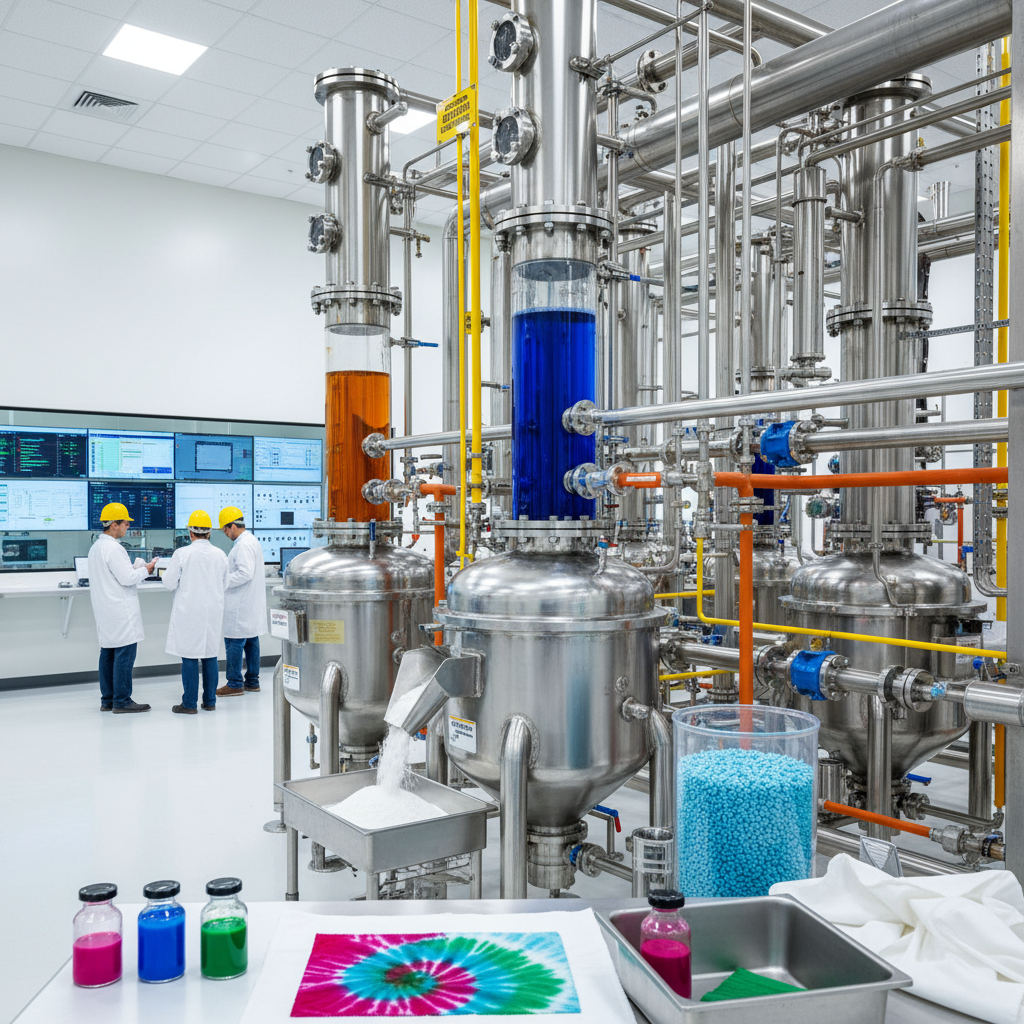
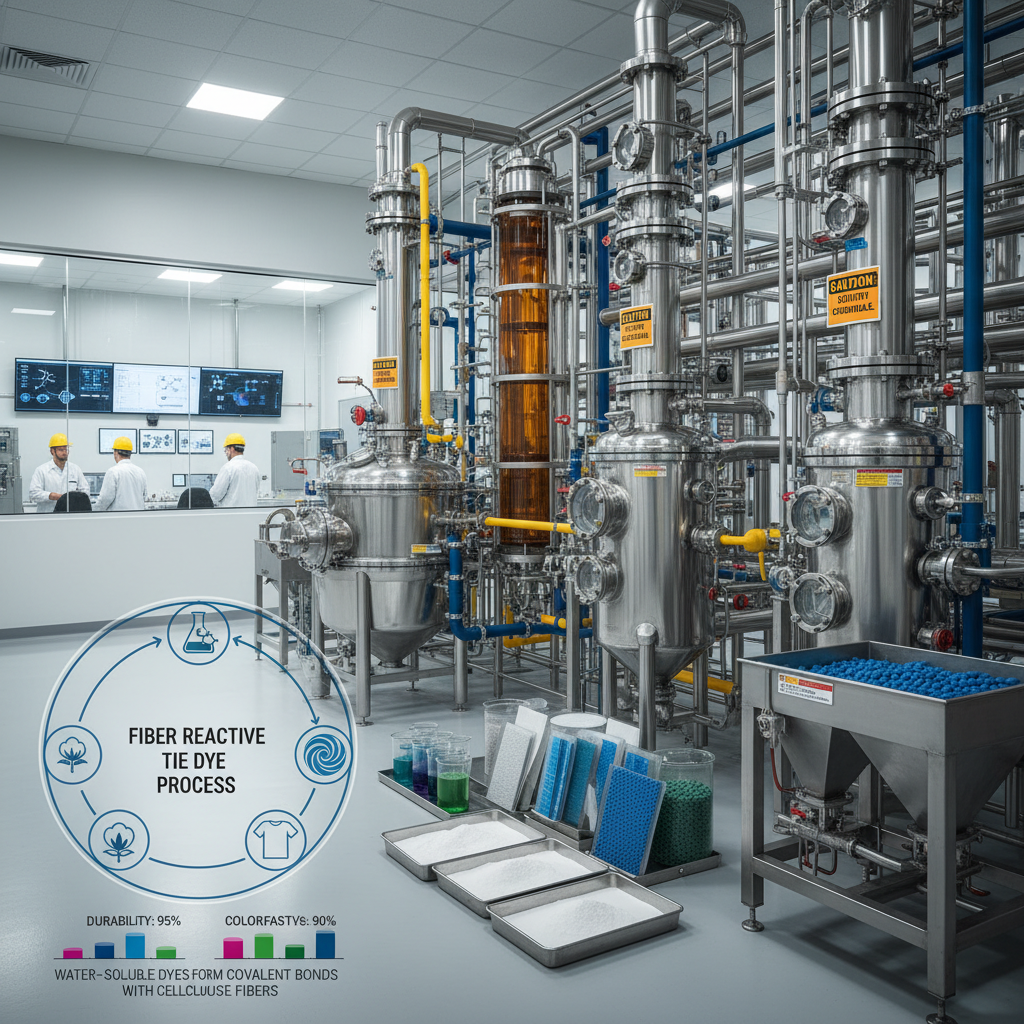
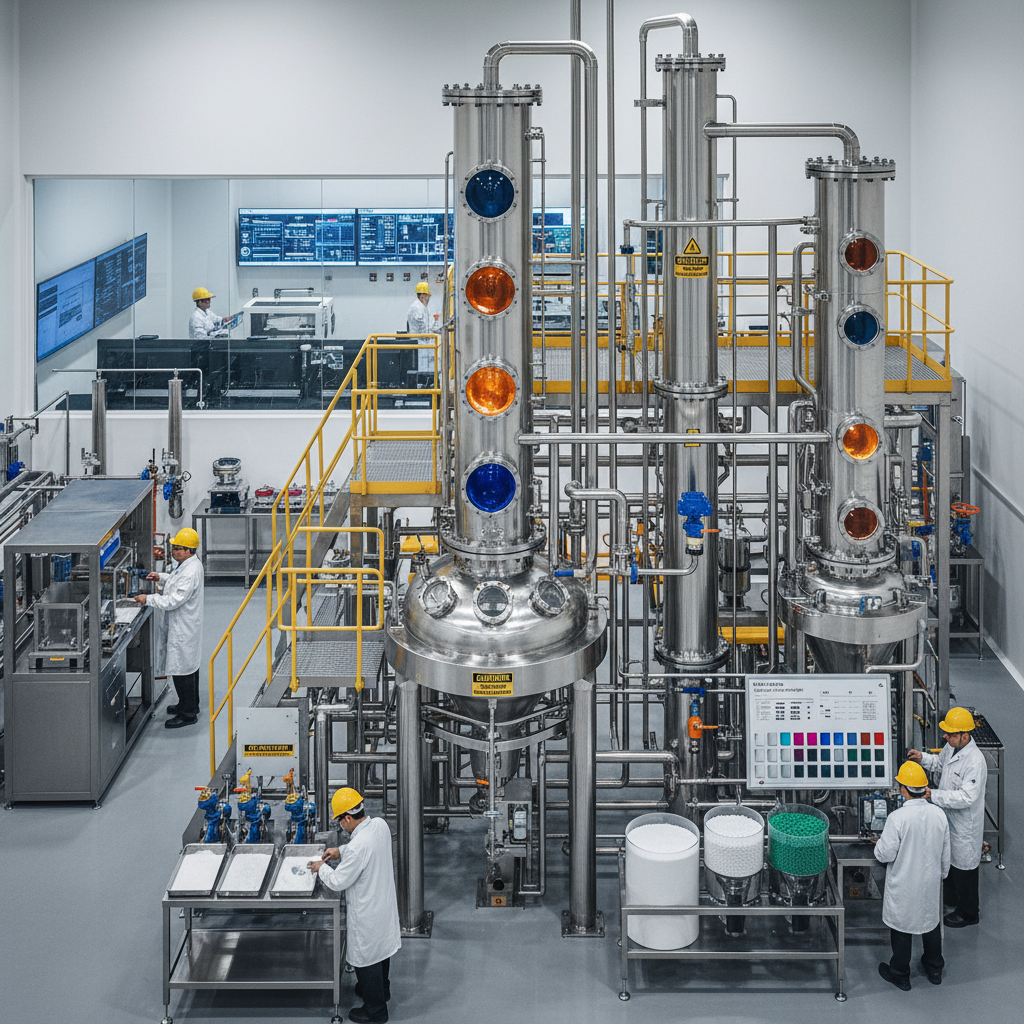
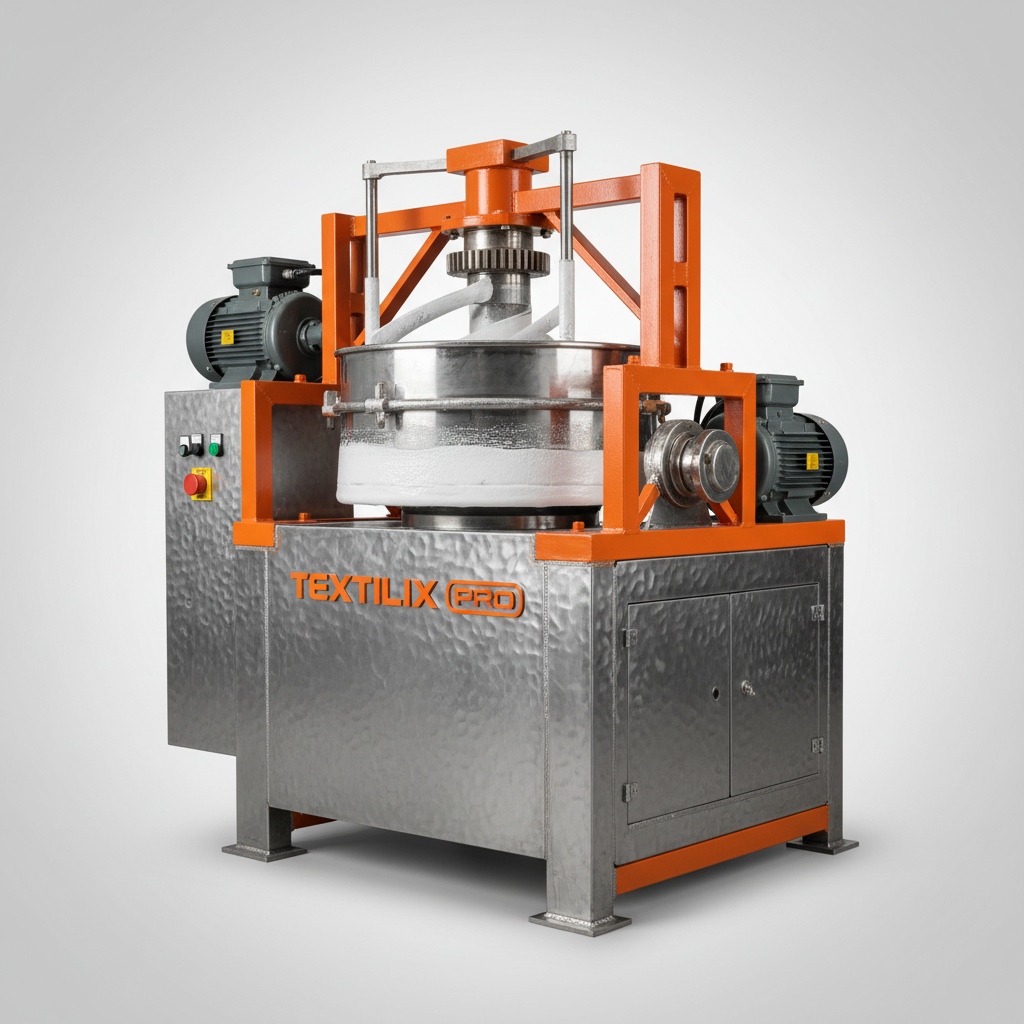
Fiber reactive tie dye represents a sophisticated intersection of organic chemistry and artistic expression, utilizing dyes that form a covalent bond with the cellulose fibers of the fabric. Unlike traditional pigments that simply sit on the surface, this chemical reaction ensures that the color becomes an integral part of the textile structure, resulting in unparalleled vibrancy and wash-fastness. For professionals in the specialty chemicals sector, understanding this process is key to optimizing the quality of finished textile goods.
On a global scale, the demand for high-quality fiber reactive tie dye has surged as the fashion industry shifts toward personalized, sustainable, and long-lasting apparel. The ability to create complex, vivid patterns that do not fade over time provides a competitive edge for manufacturers and independent designers alike. By leveraging the right thickeners and auxiliaries, the precision of these designs can be scaled from artisanal workshops to industrial production lines.
However, achieving the perfect result requires more than just dye; it requires a deep understanding of the chemical environment, including pH levels, temperature, and the role of stabilizers like CMC or HPMC. When these variables are controlled, the resulting textiles exhibit a level of durability and color brilliance that defines modern high-end tie-dyeing. This guide explores the technical nuances and industrial applications of this fascinating process.
The Chemical Mechanism of Fiber Reactive Tie Dye
At its core, fiber reactive tie dye operates through a substitution or addition reaction. When the dye molecule encounters the hydroxyl groups of cellulose (found in cotton, linen, or rayon) under alkaline conditions, a covalent bond is formed. This is a permanent chemical change, unlike the physical adsorption seen in direct dyes, which explains why reactive dyes are significantly more resistant to bleeding and fading during repeated laundry cycles.
The process typically requires a catalyst, such as soda ash, to raise the pH of the fabric. This alkalinity activates the cellulose fibers, making them more receptive to the reactive group of the dye. For professional manufacturers, controlling the rate of this reaction is crucial to avoid "strike" or uneven coloration, ensuring that the tie-dye patterns remain crisp and the transitions between colors are seamless.
Global Industry Relevance and Market Demand
The global textile dyes market has seen a significant shift toward reactive chemistries due to increasing environmental regulations and consumer demand for longevity. According to industry standards and ISO guidelines for textile testing, reactive dyes provide the best balance of color yield and environmental safety when processed correctly. The rise of "slow fashion" has further boosted the appeal of fiber reactive tie dye, as consumers now value unique, handcrafted pieces that do not deteriorate after a few washes.
In major textile hubs across Asia and South America, the adoption of these dyes has allowed manufacturers to reduce waste. Because the bond is so strong, less dye is required to achieve deep, saturated hues compared to older methods. This efficiency aligns with global sustainability goals, such as those outlined in the UN Sustainable Development Goals (SDGs), which emphasize responsible consumption and production.
Despite these advantages, the industry faces challenges regarding water usage and salt disposal. However, the integration of advanced cellulose thickeners like CMC (Carboxymethyl Cellulose) and HPMC (Hydroxypropyl Methyl Cellulose) has enabled "low-water" printing and dyeing techniques. These additives control the viscosity of the dye paste, preventing the dye from spreading too far into the fabric, which maximizes color precision and minimizes chemical runoff.
Essential Components for High-Precision Dyeing
To achieve professional results in fiber reactive tie dye, the selection of thickening agents is paramount. CMC and HPMC are frequently used to create a stable printing paste. These polymers ensure that the dye remains localized in the areas where the fabric is not tied, creating the high-contrast "white space" and sharp edges that define premium tie-dye aesthetics.
The chemical interaction between the dye and the fiber is further optimized by using PVA (Polyvinyl Alcohol) or RDP-VAE in specialized industrial coatings. These components help in maintaining the moisture levels of the fabric during the fixation process, preventing the dye from drying too quickly and ensuring a uniform chemical bond across the entire textile surface.
Furthermore, the use of HPS (Hydroxypropyl Starch Ether) provides a cost-effective way to increase the viscosity of the dye bath without interfering with the reactive chemistry. By balancing these different cellulose ethers, chemists can tailor the "flow" of the dye to suit different fabric weights, from light summer linens to heavy cotton hoodies.
Performance Metrics of Different Dyeing Methods
Different application methods for fiber reactive tie dye yield varying results in terms of saturation, edge definition, and cost-efficiency. The "Direct Application" method is fast but often lacks precision, while the "Paste Application" method, utilizing high-viscosity cellulose ethers, allows for intricate, controlled patterns.
Industrial-scale production often employs a hybrid approach, utilizing automated spray systems combined with chemical fixatives to ensure consistency across thousands of units. The following data illustrates the performance rating of these various methods based on key industrial KPIs.
Comparison of Fiber Reactive Tie Dye Application Methods
Industrial Applications and Regional Use Cases
The application of fiber reactive tie dye extends far beyond fashion. In the hospitality industry, high-end resorts in Southeast Asia use these techniques to create bespoke, durable linens that withstand frequent industrial washing while maintaining a luxury "island" aesthetic. The chemical stability of reactive dyes ensures that these textiles do not bleed into other linens during bulk laundering.
In the home decor sector, particularly in North American markets, there is a growing trend toward reactive-dyed upholstery and drapery. By using specialized MHEC (Hydroxyethyl Methyl Cellulose) to control dye penetration, manufacturers can create "ombre" and marbled effects on heavy fabrics that remain color-fast even when exposed to UV light from windows.
Long-term Value and Sustainability Benefits
The long-term value of investing in fiber reactive tie dye lies in the product's lifecycle. Because the dye forms a covalent bond, the garment's color remains vivid for years, reducing the frequency of replacement and thus decreasing the overall environmental footprint of the consumer. This durability transforms a piece of clothing from a disposable commodity into a long-term asset.
From a logical perspective, the efficiency of reactive dyes reduces the amount of chemical waste released into wastewater systems compared to pigment dyes, which often require heavy binders and metallic salts. The use of biodegradable thickeners like HPS further enhances this profile, making the entire process more aligned with "Green Chemistry" principles.
Emotionally, the unique patterns produced by this method offer a sense of individuality and artistic dignity to the wearer. For brands, this translates to higher customer trust and perceived value, as the quality of the dye is a tangible indicator of the garment's overall construction and care.
Future Innovations in Reactive Textile Chemistry
The future of fiber reactive tie dye is leaning heavily toward digital transformation and automation. We are seeing the emergence of "Digital Tie-Dye," where precision inkjet printers mimic the random, organic flow of manual tie-dyeing but with 100% repeatability. This allows brands to scale a specific "random" design across global inventories while maintaining strict quality control.
Furthermore, the development of bio-based cellulose ethers is reducing the reliance on synthetic polymers. New, enzyme-modified CMC and HPMC are being developed to allow the reactive bonding process to occur at lower temperatures, significantly cutting the energy consumption of textile mills.
As we move toward a circular economy, the industry is also exploring "de-bonding" agents—chemicals that can selectively break the covalent bond of reactive dyes at the end of a garment's life. This would allow fabrics to be bleached and re-dyed without degrading the fiber strength, enabling a truly closed-loop textile system.
Comparative Analysis of Reactive Dye Components for Different Fabrics
| Fabric Type |
Recommended Thickener |
Bonding Strength (1-10) |
Processing Time |
| 100% Organic Cotton |
CMC / HPMC |
10 |
12-24 Hours |
| Pure Linen |
HPS / CMC |
9 |
18-30 Hours |
| Viscose Rayon |
MHEC |
8 |
6-12 Hours |
| Cotton-Poly Blend |
PVA / HPMC |
6 |
12-24 Hours |
| Bamboo Fabric |
CMC |
9 |
8-16 Hours |
| Hemp Textiles |
HPS / HPMC |
9 |
24-48 Hours |
FAQS
Fiber reactive dyes form a covalent bond with the fabric fibers, meaning they become part of the molecule. All-purpose dyes usually just coat the fiber, leading to faster fading and bleeding. For those seeking professional, long-lasting colors, reactive dyes are the industry standard because of their superior wash-fastness and vibrancy.
These are cellulose thickeners used to create a "dye paste." Without them, the liquid dye would seep uncontrollably through the fabric, blurring the tie-dye patterns. CMC and HPMC increase the viscosity, allowing the artist to place the dye precisely and maintain sharp contrasts between the colored and white areas of the textile.
No, reactive dyes specifically target hydroxyl groups found in cellulose fibers (cotton, linen, rayon). Polyester is a synthetic polymer that lacks these groups. To dye polyester, disperse dyes are required. However, for cotton-poly blends, the cotton portion will take the reactive dye, resulting in a "heathered" or softer look.
The best way to prevent bleeding is by using high-quality thickeners like CMC or HPMC to stabilize the dye. Additionally, ensuring the fabric is properly "scoured" (cleaned of oils and waxes) and using the correct amount of soda ash for fixation will ensure the dye bonds quickly and stays in place.
Compared to traditional synthetic dyes, reactive dyes are more efficient, meaning less dye is needed for a strong color. When paired with biodegradable thickeners and low-salt fixation methods, it is a much more sustainable option. The long lifespan of the resulting garments also contributes to reducing textile waste in landfills.
For maximum vibrancy and bond strength, it is generally recommended to let the fabric cure for 12 to 24 hours at room temperature. The chemical reaction requires time and a stable temperature to complete the covalent bonding process. Washing too early can lead to muted colors and poor wash-fastness.
Conclusion
In summary, fiber reactive tie dye is far more than a craft technique; it is a precise application of cellulose chemistry that offers unmatched durability and aesthetic brilliance. By integrating professional-grade thickeners like CMC, HPMC, and HPS, manufacturers can transform simple textiles into high-value artistic products that meet the rigorous standards of the modern global market. The shift toward covalent bonding ensures that sustainability and quality go hand-in-hand, providing a viable path forward for the textile industry.
As we look toward the future, the synergy between bio-based chemical auxiliaries and automated application methods will further refine this process. For businesses and creators, the key to success lies in the mastery of these chemical variables. We encourage you to explore the latest in specialty cellulose ethers to elevate your production quality. Visit our website: www.pezetech.com