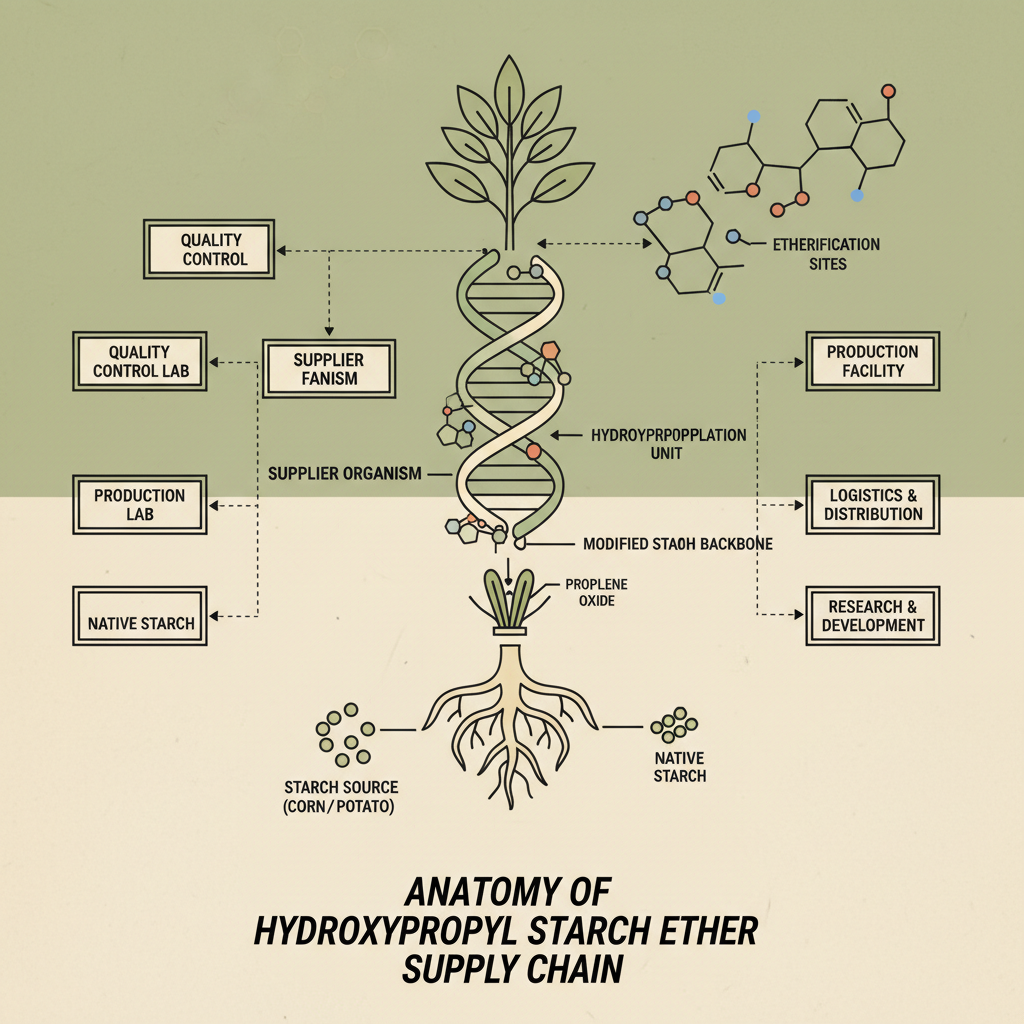
Hydroxypropyl methyl cellulose ether (HPMC) is a versatile cellulose ether derivative widely used across diverse industries, from construction and pharmaceuticals to food and personal care. Its unique properties – thickening, binding, film-forming, and water retention – make it an indispensable ingredient in countless applications. Understanding HPMC is crucial for optimizing product formulations, enhancing performance, and achieving desired functionalities. This detailed guide explores the nuances of HPMC, providing insights into its characteristics, applications, and future potential.
The global demand for cellulose ethers, including HPMC, is steadily increasing, driven by factors such as population growth, urbanization, and evolving consumer preferences. According to industry reports, the cellulose ether market is projected to reach significant values in the coming years. This growth underscores the importance of understanding the capabilities and limitations of HPMC to meet the needs of a changing world. Addressing challenges related to sustainable sourcing and cost-effectiveness are vital to ensure the continued viability of HPMC as a key material.
HPMC’s impact extends beyond purely commercial applications. Its role in providing safe drinking water, stabilizing pharmaceutical formulations, and enabling innovative construction materials addresses critical global challenges. The ability to tailor HPMC’s properties through varying degrees of substitution and molecular weight allows for customized solutions to specific needs. This adaptability positions it as a fundamental component in a broad spectrum of essential goods and processes.
Introduction to Hydroxypropyl Methyl Cellulose Ether
Hydroxypropyl methyl cellulose ether (HPMC) stands as a remarkable testament to the power of cellulose modification. Derived from cellulose, a natural polymer found in plant cell walls, HPMC is produced through a chemical process that introduces methyl and hydroxypropyl groups to the cellulose backbone. This modification imparts unique properties, transforming cellulose into a versatile material with a wide range of applications.
The widespread adoption of HPMC can be attributed to its remarkable ability to tailor its characteristics. By controlling the degree of substitution and the molecular weight, manufacturers can produce HPMC grades optimized for specific applications. This ability to customize makes HPMC a valuable asset for industries seeking to enhance product performance and achieve desired functionalities.
Defining Hydroxypropyl Methyl Cellulose Ether
Hydroxypropyl methyl cellulose ether, often abbreviated as HPMC, is a non-ionic cellulose ether. It's a polymer derived from cellulose that’s been chemically modified through methylation and hydroxypropylation. This process alters the cellulose structure, making it soluble in water and providing specific rheological and film-forming properties. HPMC is typically supplied as a white, odorless, and tasteless powder.
The connection between HPMC and modern industry is profound. In construction, it's a crucial component in cement-based materials, enhancing workability and water retention. In pharmaceuticals, it serves as a binder, film former, and controlled-release agent. The food industry utilizes HPMC as a thickener, stabilizer, and emulsifier. This widespread applicability highlights its importance in contemporary manufacturing processes.
HPMC addresses significant needs in various sectors. For example, in regions facing water scarcity, its water retention capabilities in construction materials minimize water demand. In pharmaceutical applications, it improves drug delivery systems, enhancing patient compliance and treatment efficacy. Its biodegradability also aligns with growing sustainability concerns.
Key Characteristics of HPMC
Several key factors define the performance and utility of HPMC. First, its viscosity is a critical parameter, impacting the thickening and flow control in various formulations. Higher viscosity grades are suitable for applications requiring substantial thickening, while lower viscosity grades are preferred when minimal impact on flow is desired.
Secondly, water retention is a standout property. HPMC forms a gel-like matrix that traps water molecules, preventing premature drying. This is vital in cement-based products, where it prevents cracking and enhances hydration. Thirdly, its thermal gelation behavior—the ability to form a gel upon heating—is utilized in applications like hot melt adhesives and controlled-release drug delivery systems.
Another crucial aspect is its surface activity. HPMC reduces surface tension, improving wetting and dispersion of solids in liquids. This property is beneficial in coatings, paints, and agricultural formulations. Finally, its film-forming ability allows for the creation of strong, flexible films used in coatings, tablets, and packaging.
Applications Across Industries
The versatility of hydroxypropyl methyl cellulose ether translates into a remarkably diverse range of applications. Within the construction industry, HPMC is a critical additive in cement-based mortars, tile adhesives, and renders, improving workability, adhesion, and water retention, reducing cracking and increasing overall strength. In the pharmaceutical sector, it's widely used as a binder in tablets, a film-coating agent for sustained release, and a viscosity-increasing agent in liquid formulations.
The food industry utilizes HPMC as a thickener in sauces, dressings, and desserts, a stabilizer in ice cream, and a fat replacer in low-calorie products. Its neutral taste and odor make it ideal for these applications. In the personal care industry, HPMC functions as a thickener and stabilizer in shampoos, lotions, and creams, providing a smooth texture and enhancing product performance. It’s also found in cosmetics for film-forming and emulsion stabilization.
Geographically, HPMC finds broad application. In rapidly developing economies in Asia, it's extensively used in construction due to infrastructure growth. In North America and Europe, the pharmaceutical and food industries drive demand. Organizations like the World Health Organization utilize HPMC-containing products for water purification in disaster relief efforts, highlighting its humanitarian applications.
Comparative Performance of HPMC Grades in Construction
Advantages and Long-Term Value
Hydroxypropyl methyl cellulose ether offers several tangible benefits. From a cost perspective, while not the cheapest additive available, its efficacy often translates to reduced material consumption and improved product durability, leading to overall cost savings. Its sustainability profile is increasingly favorable, as it’s derived from a renewable resource (cellulose) and is biodegradable under certain conditions. The social impact is notable in its applications in water purification and pharmaceutical formulations, improving public health and well-being.
The reliability of HPMC is paramount. Its consistent performance and well-defined properties allow for predictable results in manufacturing processes. It enhances the safety of products by improving their stability and preventing degradation. It fosters innovation by enabling the development of new and improved formulations. Finally, it builds trust with consumers by contributing to the quality and performance of the products they use.
Future Trends in HPMC Technology
The future of hydroxypropyl methyl cellulose ether is tied to advancements in materials science and sustainable technologies. Research into novel cellulose sources, such as agricultural waste, aims to reduce reliance on wood pulp and enhance sustainability. The development of tailored HPMC grades with enhanced properties, like improved thermal stability and controlled release capabilities, is also ongoing.
The integration of HPMC with other materials, such as nanoparticles and biopolymers, promises to create synergistic effects and expand its application scope. Furthermore, advancements in digital manufacturing and automation will enable more precise control over HPMC production and formulation, leading to improved product consistency and performance. Its potential contribution to green building materials and sustainable packaging solutions positions it favorably within the growing circular economy.
Challenges and Solutions
Despite its many advantages, the application of hydroxypropyl methyl cellulose ether isn’t without challenges. One common limitation is its sensitivity to certain salts and electrolytes, which can reduce its viscosity and affect its performance. Another challenge is the potential for microbial degradation, particularly in humid environments. Finally, sourcing cellulose from sustainably managed forests is a growing concern.
Solutions to these challenges include the development of salt-tolerant HPMC grades, the incorporation of antimicrobial agents into formulations, and the adoption of sustainable forestry practices. Researchers are also exploring methods to modify HPMC’s structure to enhance its resistance to degradation. Collaboration between manufacturers, researchers, and regulatory bodies is crucial to address these challenges and ensure the long-term viability of HPMC.
Addressing these challenges requires a holistic approach, including process optimization, material selection, and formulation strategies. Continued research and development, coupled with a commitment to sustainability, will pave the way for even more widespread and impactful applications of HPMC.
Summary Table of HPMC Challenges and Proposed Solutions
| Challenge |
Impact on HPMC Performance |
Proposed Solution |
Implementation Complexity (1-5) |
| Salt Tolerance |
Reduced Viscosity, Phase Separation |
Development of Salt-Resistant Grades |
3 |
| Microbial Degradation |
Loss of Functionality, Reduced Shelf Life |
Incorporation of Antimicrobial Agents |
2 |
| Sustainable Sourcing |
Environmental Impact, Supply Chain Risks |
Utilizing Alternative Cellulose Sources |
4 |
| Thermal Instability |
Degradation at High Temperatures |
Chemical Modification for Enhanced Stability |
5 |
| Formulation Compatibility |
Incompatibility with Certain Additives |
Careful Additive Selection and Testing |
2 |
| Cost Fluctuations |
Impact on Product Pricing |
Long-Term Supply Contracts and Diversification |
3 |
FAQS
While both HPMC and methyl cellulose (MC) are derived from cellulose, their properties differ significantly. MC is more susceptible to water solubility changes with temperature, while HPMC offers greater stability and a broader range of applications due to the addition of hydroxypropyl groups. HPMC also exhibits better film-forming and thickening properties, making it preferred in pharmaceutical and food applications where consistent performance is critical. The degree of substitution controls the properties of each cellulose ether.
Viscosity is a key parameter influencing HPMC’s performance. Higher viscosity grades are ideal for applications requiring significant thickening and structural support, such as construction materials and coatings. Lower viscosity grades are preferred where minimal thickening is needed, like in certain pharmaceutical suspensions or as a stabilizer in emulsions. Choosing the correct viscosity grade ensures optimal product performance and desired texture.
HPMC is considered biodegradable under certain conditions, particularly in composting environments. However, the rate of degradation depends on factors like temperature, moisture, and microbial activity. It's derived from a renewable resource – cellulose – making it a more sustainable alternative to some synthetic polymers. Choosing HPMC from responsibly managed forests further enhances its environmental profile.
HPMC should be stored in a cool, dry place, away from direct sunlight and moisture. Exposure to humidity can cause clumping and reduce its functionality. Sealed containers are essential to prevent contamination and maintain its free-flowing properties. Properly stored HPMC can retain its quality for several years, ensuring consistent performance in formulations.
Yes, HPMC is generally considered suitable for vegan and vegetarian food products. It's derived from plant cellulose and doesn't involve any animal-derived ingredients in its manufacturing process. However, it’s always best to verify with the HPMC supplier to ensure their specific product meets vegan or vegetarian standards, considering potential processing aids used during production.
HPMC's unique properties make it invaluable in controlled-release drug delivery. Its gel-forming ability upon hydration creates a matrix that slows down drug diffusion. By varying the HPMC grade and concentration, the release rate can be precisely controlled, ensuring sustained therapeutic effects and improving patient compliance. It's widely used in oral solid dosage forms like tablets and capsules.
Conclusion
Hydroxypropyl methyl cellulose ether represents a remarkable example of material science innovation. From its versatile properties—thickening, binding, film-forming, and water retention—to its broad range of applications spanning construction, pharmaceuticals, food, and personal care, HPMC consistently proves its value. Understanding its characteristics and tailoring its use to specific needs unlocks significant benefits in terms of product performance, cost-effectiveness, and sustainability.
Looking ahead, continued research and development focused on sustainable sourcing, tailored grades, and novel applications will further enhance the potential of HPMC. Embracing these advancements will not only optimize existing processes but also pave the way for innovative solutions addressing global challenges. For more information about HPMC and its applications, visit our website: pezetech.com.