China Hydroxy Ethyl Cellulose Supply and Applications A Detailed Guide
China Hydroxy Ethyl Cellulose: A Comprehensive Overview
Hydroxy Ethyl Cellulose (HEC) is a versatile, water-soluble polymer widely used across numerous industries. China has emerged as a significant global supplier of HEC, known for both its production capacity and competitive pricing. This article will delve into the properties, applications, manufacturing processes, and key considerations when sourcing hydroxy ethyl cellulose from China. Understanding these aspects is crucial for businesses seeking a reliable and cost-effective supply chain.
What is Hydroxy Ethyl Cellulose?
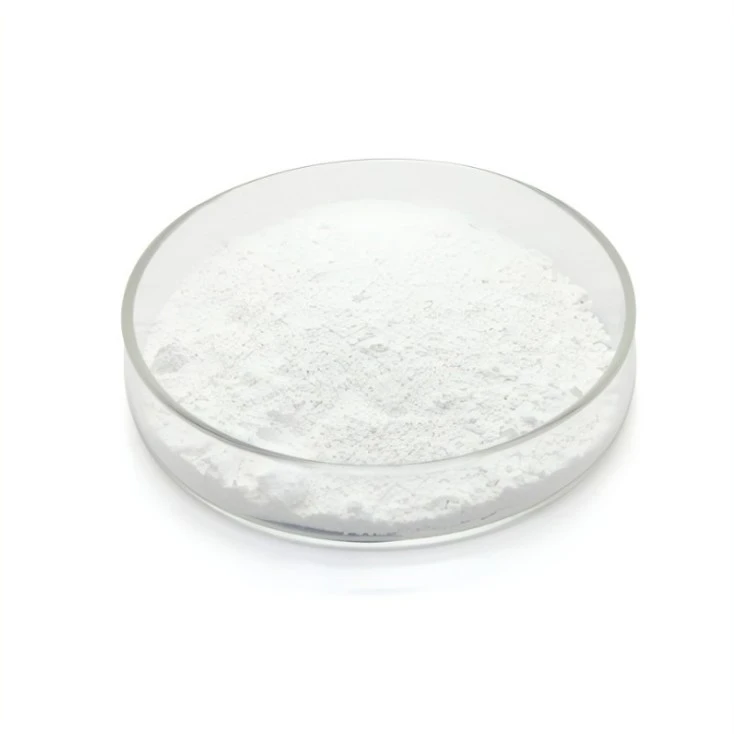
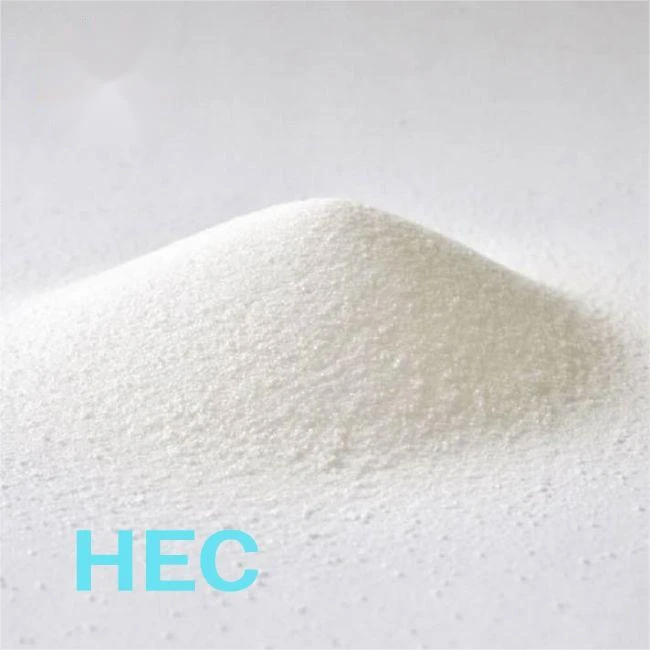
Hydroxy Ethyl Cellulose (HEC) is a non-ionic ether cellulose derived from cellulose. It's a white, odorless, and tasteless powder that dissolves in cold water to form clear, viscous solutions. The key characteristic of HEC is its ability to control viscosity, provide thickening, binding, film-forming, and protective colloid properties. These properties make it indispensable in a vast array of applications. Different grades of HEC are available, tailored to specific viscosity requirements and applications.
Key Highlights: HEC is a water-soluble polymer prized for its thickening, binding, and film-forming capabilities. Its versatility stems from its ability to control viscosity in various formulations.
Applications of China Hydroxy Ethyl Cellulose
The demand for HEC is driven by its widespread application in various sectors. In the construction industry, HEC acts as a key ingredient in cement-based products, improving workability, water retention, and adhesion. The paints and coatings industry utilizes HEC as a thickener, stabilizer, and dispersant. Personal care products, such as shampoos, lotions, and toothpaste, benefit from its thickening and stabilizing properties. Furthermore, HEC is employed in oil drilling as a fluid loss control agent and in pharmaceuticals as a binder and coating agent.
Key Application Areas:
• Construction: Cement-based products, tile adhesives
• Paints & Coatings: Thickener, stabilizer, dispersant
• Personal Care: Shampoos, lotions, toothpaste
• Oil Drilling: Fluid loss control
• Pharmaceuticals: Binder, coating agent
Sourcing HEC from China: Key Considerations
China dominates the global HEC market, offering competitive pricing and a wide range of suppliers. However, quality control and reliable sourcing are paramount. It’s crucial to work with reputable manufacturers who adhere to international quality standards, such as ISO 9001. Thoroughly vet potential suppliers, request samples for testing, and conduct factory audits to ensure consistent product quality. Consider factors like production capacity, technical expertise, and logistical capabilities. Communication is also critical; ensure clear understanding of specifications and delivery timelines.
The Manufacturing Process of Hydroxy Ethyl Cellulose in China
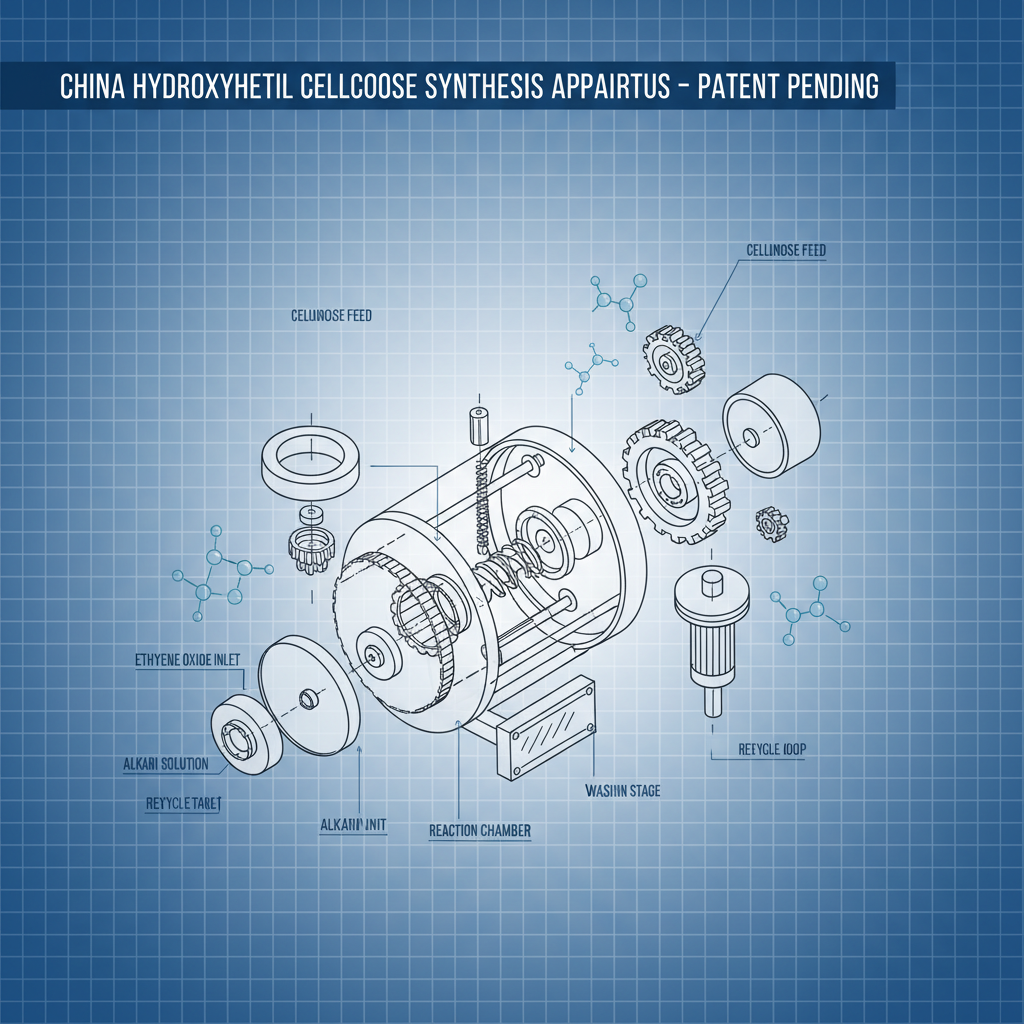
The production of HEC in China generally follows a well-established process. It begins with the alkalization of cellulose, typically sourced from wood pulp or cotton linters. The alkalized cellulose then undergoes an etherification reaction with ethylene oxide, introducing hydroxyethyl groups into the cellulose structure. This process is carefully controlled to achieve the desired degree of substitution (DS) and viscosity. The resulting HEC is then purified, dried, and milled into a fine powder. Advanced manufacturing facilities employ sophisticated process control systems to ensure consistent product quality. Pezetech utilizes state-of-the-art technologies for HEC production.
Technical Specifications & Viscosity Grades
HEC is available in a wide range of viscosity grades, typically measured in mPa·s (millipascal-seconds). The viscosity grade selected depends on the specific application. Lower viscosity grades are suitable for applications requiring easy flow, while higher viscosity grades provide greater thickening and suspension properties. Other important specifications include moisture content, pH value, and degree of substitution.
Conclusion: Partnering for Reliable HEC Supply
Sourcing hydroxy ethyl cellulose from China can be a strategic advantage for businesses seeking cost-effective, high-quality materials. By prioritizing quality control, vetting suppliers thoroughly, and understanding the nuances of the manufacturing process, you can establish a reliable supply chain. Pezetech is dedicated to providing superior HEC products and exceptional customer service.
Frequently Asked Questions (FAQs)
What is the shelf life of HEC powder?
When stored properly in a cool, dry place away from direct sunlight, HEC powder typically has a shelf life of at least two years. However, it’s crucial to keep the packaging sealed to prevent moisture absorption, which can lead to clumping and reduced effectiveness. Over time, even with proper storage, the viscosity of HEC solutions might slightly decrease. Always check the material’s properties before use to ensure it meets your specific requirements.
How is the viscosity of HEC measured?
Viscosity is typically measured using a rotational viscometer. A 2% solution of HEC in distilled water is commonly used for this purpose, and the measurement is taken at a specified temperature (usually 25°C). The viscosity is expressed in mPa·s (millipascal-seconds) or centipoise (cP). Different viscometer spindles and speeds can be used depending on the expected viscosity range. It’s important to follow standardized testing procedures to ensure accurate and comparable results.
Are there different grades of HEC available?
Yes, HEC is available in various grades, primarily differing in viscosity and degree of substitution. Lower viscosity grades are ideal for applications like coatings and adhesives where easy flow is essential. Higher viscosity grades are preferred for applications requiring greater thickening and suspension, such as oil drilling fluids. The degree of substitution affects the polymer's water solubility and rheological properties. Manufacturers offer customized grades to meet specific customer needs.
What safety precautions should be taken when handling HEC powder?
While HEC is generally considered non-toxic, it’s important to avoid inhaling the dust. Wear a dust mask during handling, especially when weighing or mixing the powder. Avoid contact with eyes and skin. In case of contact, flush with plenty of water. Store HEC powder in a closed container in a well-ventilated area. Refer to the Material Safety Data Sheet (MSDS) for detailed safety information.
-
Top Guide to Selecting Professional vae emulsion manufacturersNewsApr.16,2026
-
Viscosity of HPMCNewsApr.15,2026
-
HPMC Powder UsesNewsApr.15,2026
-
Understanding VAE Emulsion for Modern Industrial CoatingsNewsApr.09,2026
-
Comprehensive Guide to Redispersible Emulsion Powder and its ApplicationsNewsApr.07,2026
-
Comprehensive Guide to Redispersible Latex Powder for Construction ApplicationsNewsApr.04,2026