Comprehensive Guide to Ethyl Hydroxyethyl Cellulose Properties and Industrial Applications
Ethyl Hydroxyethyl Cellulose: A Comprehensive Guide
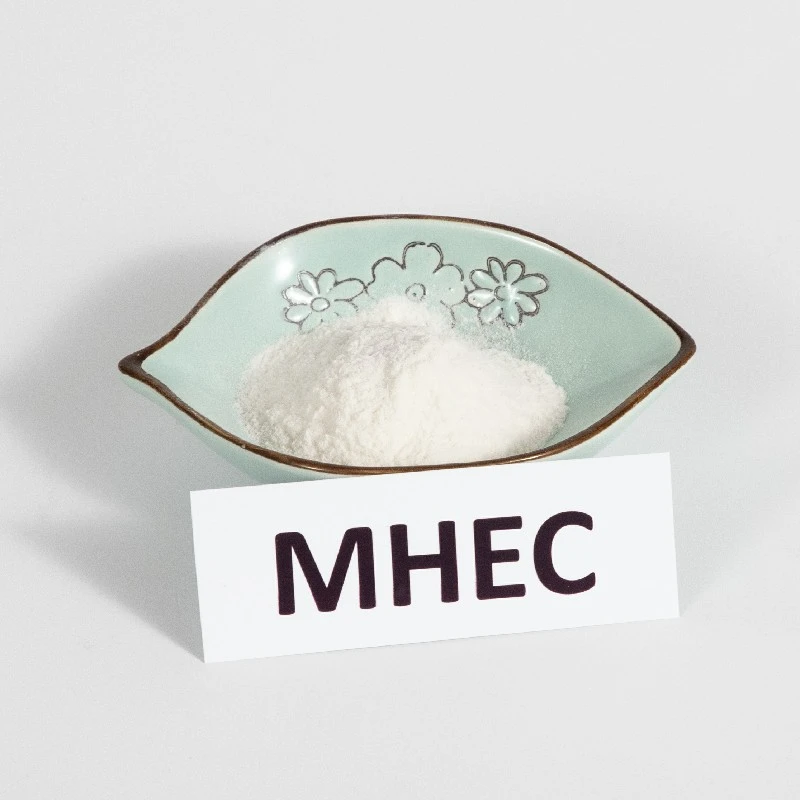
Ethyl hydroxyethyl cellulose (EHEC) is a versatile, water-soluble polymer widely utilized across diverse industries, including pharmaceuticals, construction, personal care, and oil drilling. Its unique properties, such as thickening, binding, film-forming, and suspension stabilization, make it an invaluable ingredient in countless formulations. This article explores the characteristics, applications, and benefits of EHEC, offering a detailed overview for professionals and those seeking to understand its functionality. Understanding its advantages is key to optimizing product performance and efficiency.
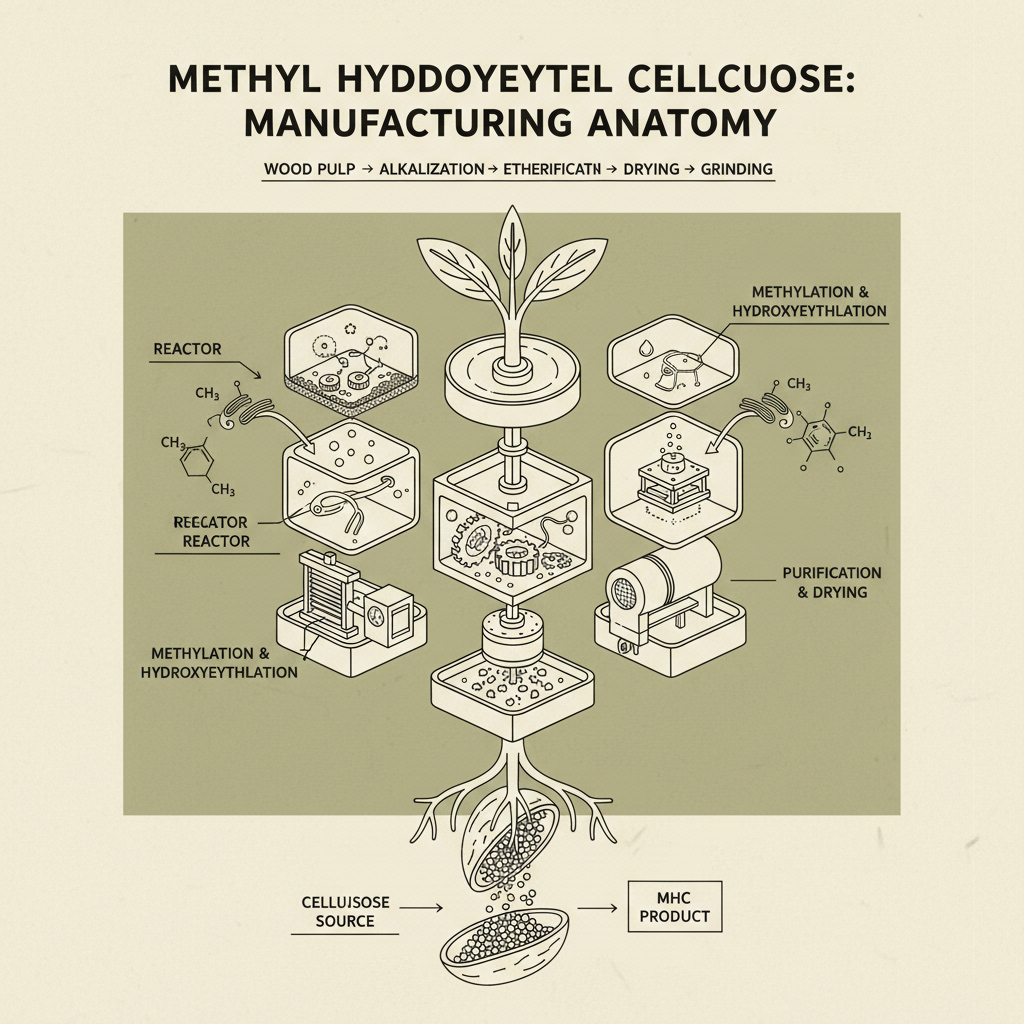
What is Ethyl Hydroxyethyl Cellulose?
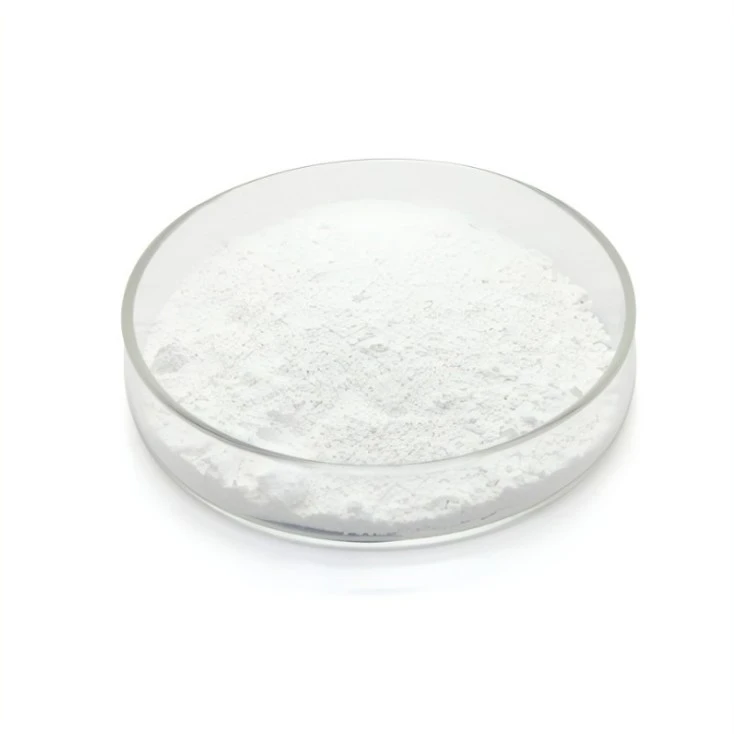
Ethyl hydroxyethyl cellulose is a non-ionic cellulose ether produced by chemically modifying cellulose with ethylene oxide and ethyl groups. This modification imparts water solubility and enhances its functional properties. The degree of substitution (DS) – the average number of substituent groups per anhydroglucose unit – directly influences its characteristics, such as viscosity and gelation temperature. EHEC is known for its excellent thermal stability, biocompatibility, and ability to form clear, viscous solutions. It's a derivative of cellulose, a natural polymer found in plant cell walls, making it a sustainable and renewable resource.
Key Highlights: Excellent thermal stability, biocompatibility, forms clear viscous solutions, and is derived from a sustainable resource.
Key Properties of Ethyl Hydroxyethyl Cellulose
EHEC exhibits a range of beneficial properties that contribute to its widespread use. These include:
- Thickening: EHEC increases the viscosity of aqueous solutions, providing desirable texture and consistency.
- Binding: It acts as a binder, holding ingredients together in solid formulations.
- Film-Forming: EHEC forms clear, flexible films with good adhesion.
- Suspension Stabilization: It prevents settling of particles in suspensions.
- Water Retention: EHEC helps retain moisture, preventing drying and cracking.
Applications of Ethyl Hydroxyethyl Cellulose Across Industries
The versatility of EHEC leads to its applications in a broad spectrum of industries. In pharmaceuticals, it’s used as a binder, film coating agent, and controlled-release matrix. The construction industry utilizes it in cement-based materials for improved workability, water retention, and adhesion. Personal care products, like shampoos and lotions, benefit from its thickening and stabilizing properties. Furthermore, it's critical in oil drilling as a viscosity modifier and fluid loss control agent. It's also found in paints, coatings, adhesives, and even food products.
EHEC Grades and Specifications
EHEC is available in various grades, differing in viscosity, particle size, and degree of substitution. Selecting the appropriate grade depends on the specific application requirements. Here’s a typical specification table:
Benefits of Choosing Pezetech for Your EHEC Needs
Pezetech offers high-quality ethyl hydroxyethyl cellulose products with consistent specifications and reliable performance. We prioritize customer satisfaction through dedicated technical support and efficient logistics. Pezetech is committed to sustainable manufacturing practices and responsible sourcing, ensuring our EHEC meets the highest environmental standards. Partner with us for all your EHEC requirements and experience the difference quality and service can make.
Conclusion
Ethyl hydroxyethyl cellulose is a powerful and versatile polymer with a wide range of applications. Understanding its properties and benefits is crucial for formulating effective products. Pezetech is a trusted supplier, providing high-quality EHEC and expert support to meet your specific needs.
Frequently Asked Questions (FAQs)
What is the shelf life of EHEC?
When stored properly in a cool, dry place, away from direct sunlight and moisture, EHEC typically has a shelf life of at least two years. However, it's recommended to perform quality control checks before using material that has been stored for an extended period. Signs of degradation include changes in viscosity or the presence of clumps. Proper storage is crucial to maintain its functional properties and ensure optimal performance. We at Pezetech provide detailed storage guidelines with our products.
Is EHEC compatible with other ingredients?
EHEC generally exhibits good compatibility with a wide range of ingredients, including water, alcohols, and glycols. However, compatibility should be verified for specific formulations, especially those containing high concentrations of electrolytes or other polymers. It's advisable to perform compatibility studies to ensure the stability and performance of the final product. Factors such as pH and temperature can also influence compatibility, so careful consideration is essential.
How do I determine the appropriate viscosity grade of EHEC for my application?
The ideal viscosity grade depends on the desired rheological properties of the final product. For applications requiring high viscosity and thickening, a higher viscosity grade is preferred. For applications where a thinner consistency is desired, a lower viscosity grade is more suitable. Pilot trials and rheological testing are recommended to determine the optimal grade for your specific formulation. Our technical team at Pezetech can assist you in selecting the appropriate grade based on your application requirements.
Is EHEC biodegradable?
While EHEC is derived from a renewable resource (cellulose), its degree of biodegradability is relatively low due to the chemical modifications it undergoes. However, it is considered more environmentally friendly than many synthetic polymers. Ongoing research focuses on improving the biodegradability of cellulose ethers like EHEC through innovative modification techniques.
-
Top Guide to Selecting Professional vae emulsion manufacturersNewsApr.16,2026
-
Viscosity of HPMCNewsApr.15,2026
-
HPMC Powder UsesNewsApr.15,2026
-
Understanding VAE Emulsion for Modern Industrial CoatingsNewsApr.09,2026
-
Comprehensive Guide to Redispersible Emulsion Powder and its ApplicationsNewsApr.07,2026
-
Comprehensive Guide to Redispersible Latex Powder for Construction ApplicationsNewsApr.04,2026