Comprehensive Guide to Cross Linked Carboxymethyl Cellulose: Benefits & Applications
Cross Linked Carboxymethyl Cellulose: A Game-Changer in Modern Industry
If you've ever peeked under the hood of innovative industrial materials, you might have stumbled across cross linked carboxymethyl cellulose (CMC). It’s an intriguing compound that’s quietly revolutionizing sectors like pharmaceuticals, food manufacturing, and even construction. In simple terms, this modified polymer acts as a super-efficient binder, thickener, and stabilizer — but why should that matter to a global audience? Well, its unique properties are helping industries reduce waste, improve product stability, and ultimately make processes more sustainable.
Understanding cross linked carboxymethyl cellulose is not just academic—it touches sustainability goals, cost reduction, and innovative product design worldwide. So let’s dive in and unpack what makes this material tick and why it’s drawing attention across continents.
Global Context: Why Cross Linked Carboxymethyl Cellulose Matters Today
In an era where sustainability and efficiency are no longer optional but essential, materials like cross linked carboxymethyl cellulose surface as critical tools in the global industrial toolkit. The UN’s Sustainable Development Goals, for example, emphasize responsible production and consumption (SDG 12), and CMC plays a subtle but vital role here by improving the shelf life and stability of products while reducing the need for harsher chemical additives.
Consider this: the global market for modified cellulose derivatives is expected to grow steadily at over 5% annually, reflecting increasing demand for eco-friendly, high-performance materials (source: ISO standards on biopolymers). Yet many industries still face challenges with raw material stability and product consistency—here’s where ‘cross linking’ adds a twist.
Defining Cross Linked Carboxymethyl Cellulose
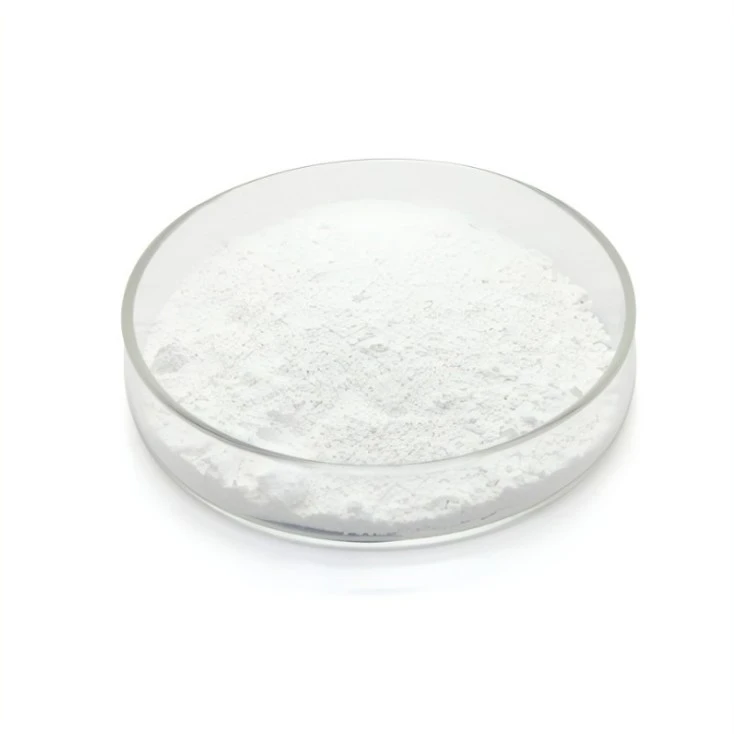
So what exactly is this stuff? Carboxymethyl cellulose, or CMC, is a cellulose derivative where some hydroxyl groups in cellulose are replaced with carboxymethyl groups (-CH2-COOH). When you “cross link” it, you connect polymer chains together in a network, enhancing its stability.
This hefty web-like structure alters the physical characteristics, making the material swell but resist dissolving easily in water—a critical trait in applications like controlled-release tablets or thickening agents in food processing.
In essence, cross linked CMC improves on the base material’s solubility and viscosity properties, allowing manufacturers to tailor performance characteristics to specific product needs.
Key Components and Features
- Durability: Cross linking introduces higher mechanical strength and resistance to shear forces, meaning products last longer under stress.
- Swelling Capacity: Unlike regular CMC, cross linked versions swell without dissolving fully, ideal for controlled release in pharmaceuticals and water-absorbing materials.
- pH Stability: These molecules maintain their integrity across a broader pH range, which is great for industrial processes that involve acidic or alkaline conditions.
- Biocompatibility: Because it’s cellulose-based, it’s generally non-toxic and safe for food and medical uses.
- Cost-Efficiency: Although production is somewhat more involved, the enhanced performance often justifies the investment through longer shelf life and better product stability.
Mini takeaway: Cross linked carboxymethyl cellulose isn’t just a thicker; it’s a sophisticated material designed for toughness, resilience, and versatility.
Product Specifications Snapshot
| Property | Typical Value | Unit/Notes |
|---|---|---|
| Degree of Substitution (DS) | 0.6 - 0.9 | Moles per glucose unit |
| Cross Linking Density | Variable (~1–5%) | Controls gel strength |
| pH Stability Range | 4 - 9 | Optimal for most applications |
| Swelling Ratio | 5–15 x weight | Varies by crosslink method |
| Solubility | Insoluble but swellable | Key trait distinguishing from native CMC |
Global Applications & Use Cases
This material’s charm lies in its adaptability. Let’s look at a few fields where it shines:
- Pharmaceuticals: Used in sustained-release tablets where controlled swelling controls drug release, improving treatment efficacy.
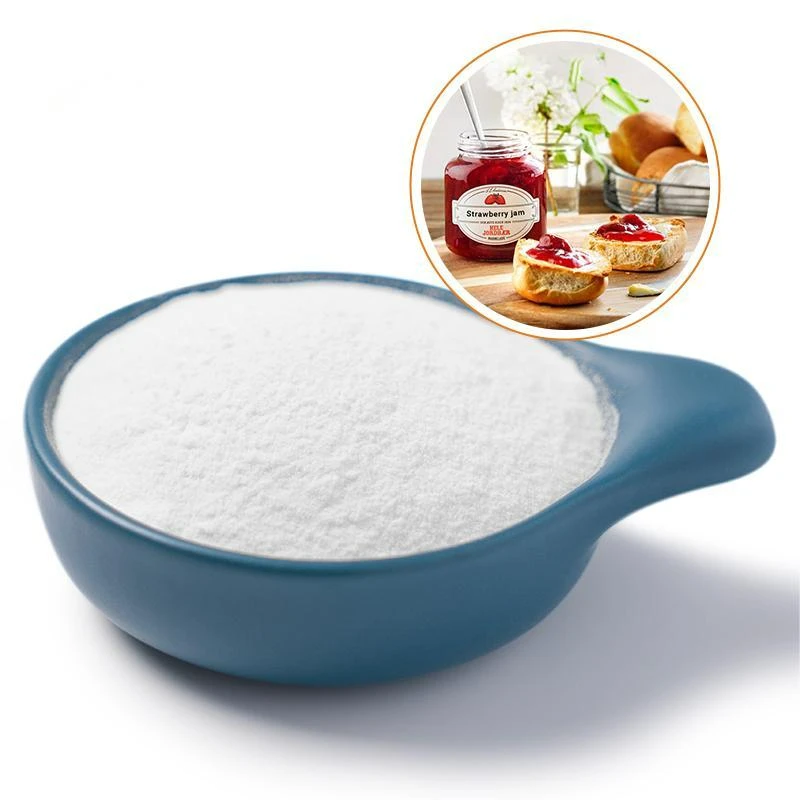
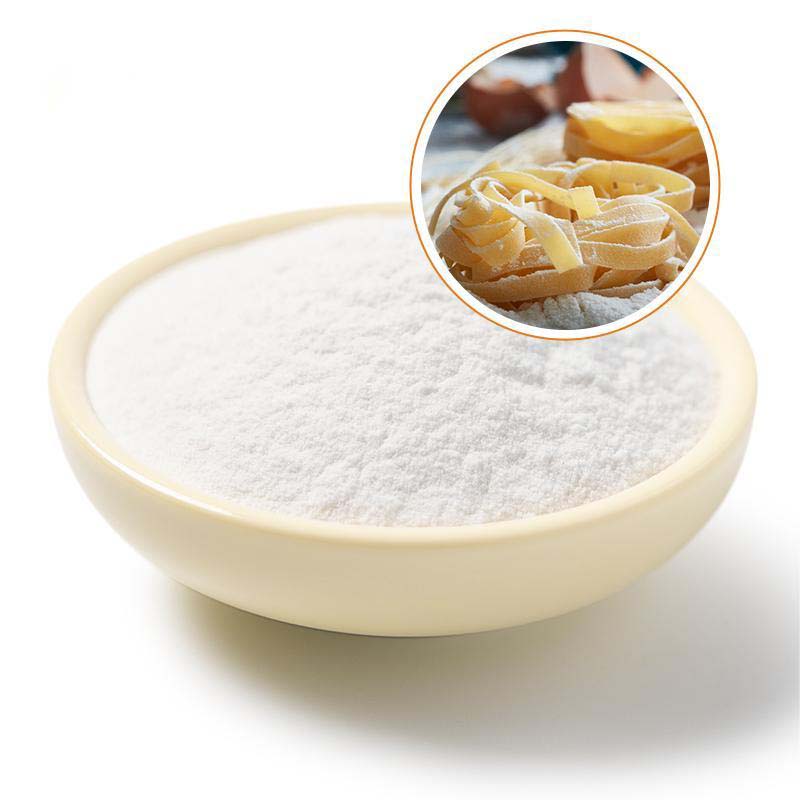
- Food Industry: Stabilizing sauces, dressings, and dairy products without additives that might affect flavor or nutrition.
- Cosmetics: Enhancing the texture and moisture retention of skincare formulations.
- Oil & Gas: In drilling fluids to thicken and stabilize mud in challenging environments.
- Environmental Engineering: As a super-absorbent in eco-friendly wastewater treatment.
And globally? Companies in North America and Asia lead in production, while NGOs working in remote or disaster-prone regions increasingly use CMC-based absorbents to stabilize soils or purify water — all evidence that the compound’s impact isn’t confined to labs or factories.
Vendor Comparison Table: Leading Cross Linked CMC Suppliers
| Vendor | Crosslink Density (%) | Key Application Focus | MOQs (Minimum Order Quantity) | Sustainability Credentials |
|---|---|---|---|---|
| CelluProTech | 2 - 3 | Pharmaceuticals, Cosmetics | 500 kg | ISO 14001 Certified |
| BioGel Solutions | 1 - 1.8 | Food & Beverage Stabilizers | 200 kg | Organic Raw Materials |
| AquaBind Corp. | 3 - 5 | Oilfield & Environmental | 1000 kg | Water-Efficient Processing |
Advantages & Long-Term Value
Frankly, the long game here is about making products that last and processes that respect natural resources. Using cross linked CMC:
- Reduces Waste: Enhanced stability means fewer spoiled goods.
- Supports Sustainability: As a plant-based polymer, it’s biodegradable and often sourced from renewable cellulose.
- Boosts Safety & Dignity: In medical or humanitarian contexts, controlled drug release and water absorption can literally save lives.
- Enables Innovation: Its multi-functionality opens doors to novel formulations and products.
In my experience, the psychological benefit of using products perceived as ‘natural yet high-tech’ is a quiet but powerful innovation driver.
Future Trends & Innovations
Looking forward, the marriage between green chemistry and digital transformation suggests a fascinating path:
- Smart Polymers: Next-gen cross linked CMC may integrate sensors to respond dynamically to environmental changes.
- Automation in Production: Enabling more precise control of cross linking density for tailored performance.
- Biorefinery Integration: Using waste biomass streams for even more sustainable sourcing.
- Regulatory Evolution: Stricter eco-standards will likely propel CMC adoption where it can replace synthetic additives.
Challenges & Solutions
You might guess it’s all smooth sailing, but no — cross linked CMC faces hurdles, like:
- Production Complexity: The cross linking step can be finicky and adds cost.
- Batch Variation: Achieving consistent crosslink density is tricky, impacting product performance.
- Market Awareness: Some sectors still undervalue its benefits, hesitating to invest.
Solutions? Companies are investing in better process analytics and automated controls, often borrowing from pharmaceutical-grade standards. Plus, education through whitepapers and case studies helps shift industry mindset. For a deep dive, check reputable sources and even certified suppliers on cross linked carboxymethyl cellulose.
FAQ: Practical Questions on Cross Linked Carboxymethyl Cellulose
- Q: How does cross linked CMC improve drug release in pharmaceuticals?
A: By swelling in aqueous environments without dissolving, cross linked CMC controls the rate at which active ingredients are released in the body, enabling sustained therapeutic effect and better patient compliance. - Q: Can cross linked carboxymethyl cellulose be used in food without altering flavor?
A: Yes, it acts as a stabilizer and thickener without imparting taste or odor, maintaining the original flavor profile while improving texture and shelf life. - Q: Is the production of cross linked CMC environmentally friendly?
A: While cross linking adds complexity, manufacturers increasingly adopt green chemistry principles, sourcing cellulose from renewable materials and optimizing processes to reduce environmental impact. - Q: What industries can benefit most from cross linked CMC?
A: Pharmaceuticals, food, cosmetics, oilfield services, and wastewater treatment are key sectors leveraging its properties for improved product performance and sustainability.
Conclusion: Embracing Cross Linked Carboxymethyl Cellulose for a Sustainable Future
To wrap it up, cross linked carboxymethyl cellulose represents a critical leap in materials science: marrying natural origins with engineered performance. Its capacity to stabilize, control, and sustain product quality across diverse fields aligns perfectly with today’s global priorities—from reducing waste to promoting health.
If you want to explore further or see how it fits into your innovation strategy, visit our website and start uncovering potential — because sometimes, the smallest link leads to the biggest change.
Oddly enough, it feels like this polymer caught between nature and technology might just be the quiet hero we didn’t see coming.
References:
-
Top Guide to Selecting Professional vae emulsion manufacturersNewsApr.16,2026
-
Viscosity of HPMCNewsApr.15,2026
-
HPMC Powder UsesNewsApr.15,2026
-
Understanding VAE Emulsion for Modern Industrial CoatingsNewsApr.09,2026
-
Comprehensive Guide to Redispersible Emulsion Powder and its ApplicationsNewsApr.07,2026
-
Comprehensive Guide to Redispersible Latex Powder for Construction ApplicationsNewsApr.04,2026