Comprehensive Guide to Polyvinyl Alcohol Material: Uses, Benefits & Future Trends
Understanding Polyvinyl Alcohol Material: A Key Player in Modern Industry
When you first hear polyvinyl alcohol material, it might sound like something pulled straight from a chemistry lab, but this surprisingly versatile polymer shapes a surprising number of everyday and industrial products. Why should we care about it on a global scale? Well, polyvinyl alcohol (PVA) provides durable, eco-friendly solutions that support industries from textiles to medical supplies, and even disaster relief. In an era that demands both sustainability and innovation, understanding PVA’s benefits helps bridge technological gaps worldwide.
Mini takeaway: Polyvinyl alcohol is not just a niche chemical; it’s a sustainable cornerstone for modern manufacturing & humanitarian needs.
Global Relevance of Polyvinyl Alcohol Material
Roughly 6 million metric tons of synthetic polymers are produced annually worldwide, and a measurable fraction of this is PVA — prized for its water-solubility and biodegradability (ISO reports estimate a yearly growth rate ~7%). Its demand is rising sharply, especially in countries that prioritize greener solutions like Japan, Germany, and the U.S. On top of this, the United Nations Environment Programme has flagged the need for materials with low environmental impact, putting polyvinyl alcohol in the spotlight.
Yet, challenges remain: traditional plastics clog landfills and oceans, while PVA offers a potential answer with its biodegradable nature. In emergency contexts—think post-disaster shelters and packaging—it’s critical to have materials that balance performance with minimal ecological footprint.
Mini takeaway: Global pressure for green materials makes polyvinyl alcohol a prime candidate to replace less sustainable polymers.
What is Polyvinyl Alcohol Material?
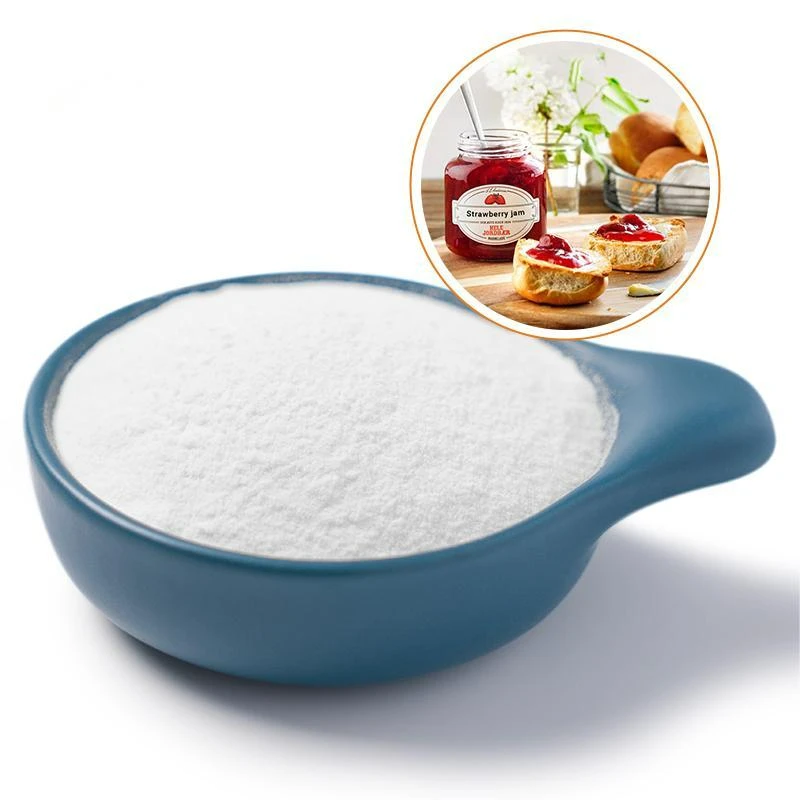
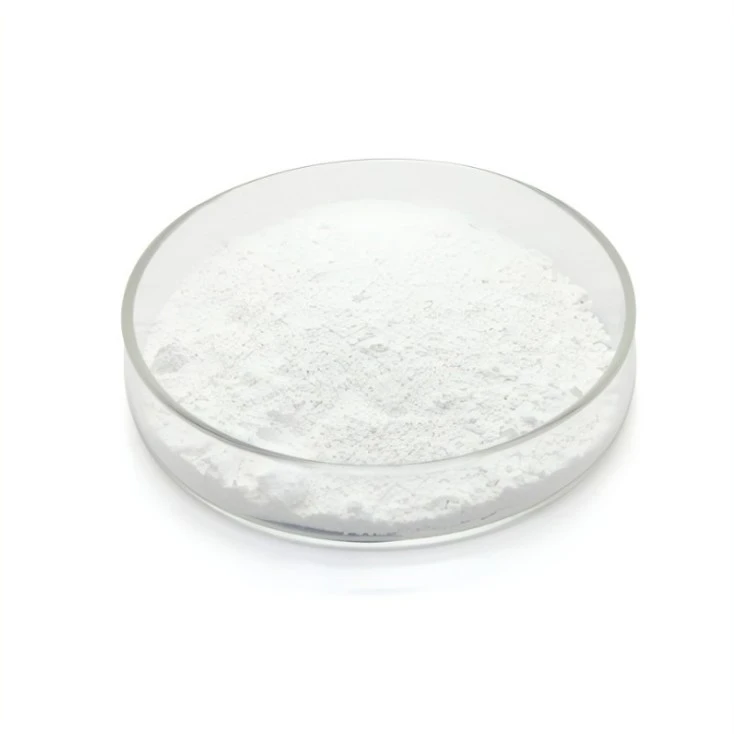
Simply put, polyvinyl alcohol is a synthetic polymer made by hydrolyzing polyvinyl acetate. It appears as a white, odorless, water-soluble film or powder. What’s fascinating is that despite being synthetic, it degrades naturally over time — almost blending the convenience of plastics with the benefits of natural materials.
It’s widely used in adhesives, textile sizing agents, and increasingly in pharmaceutical capsules and biodegradable packaging. Humanitarian applications appreciate its strength and environmentally friendly breakdown, particularly when compared to traditional plastics that linger for centuries.
Mini takeaway: PVA is a synthetic yet biodegradable polymer bridging industrial needs and environmental care.
Key Components & Properties of Polyvinyl Alcohol Material
1. Water Solubility
Polyvinyl alcohol uniquely dissolves in water, which makes it ideal for applications like laundry pods or packaging film that need to dissolve harmlessly after use.
2. Biodegradability
Unlike many conventional plastics, PVA breaks down under aerobic conditions. This is a huge plus for reducing microplastic pollution.
3. Mechanical Strength
PVA films boast tensile strengths of up to 40 MPa, offering an excellent balance between flexibility and durability for packaging or fiber reinforcement.
4. Chemical Resistance
Despite being water-soluble, PVA shows resistance to oils and organic solvents, making it useful for specialty coatings.
5. Compatibility
PVA works well as a blending agent with other polymers or fillers — a huge advantage for customized industrial applications.
Mini takeaway: The mix of solubility, strength, and biodegradability is what really sets polyvinyl alcohol apart.
Global Applications and Use Cases
Polyvinyl alcohol materials aren’t just theoretical — you’ll find them deployed everywhere:
- Textile Industry: Used in fabric sizing, improving fiber strength during weaving.
- Packaging: Especially for water-soluble and eco-friendly films in food and agriculture.
- Healthcare: As stabilizers in eye drops and in biodegradable wound dressings.
- Disaster Relief: PVA films help provide clean water packaging and quick-deploy biodegradable shelter coatings.
- Industrial Adhesives: For packaging and paper bonding solutions.
For example, in Southeast Asia’s flood-prone regions, organizations rely on PVA-based water purification packaging — it’s a sustainable, practical answer where infrastructure is fragile.
Mini takeaway: Polyvinyl alcohol materials are everywhere from your clothes to humanitarian aid kits, because of their adaptability and eco-benefits.
Polyvinyl Alcohol Material: Product Specifications
| Property | Typical Range / Value |
|---|---|
| Degree of Hydrolysis | 87% – 99% |
| Molecular Weight (Mw) | 30,000 – 150,000 g/mol |
| Tensile Strength | 30 – 40 MPa |
| Water Solubility (at 20°C) | High (depends on hydrolysis) |
| Appearance | White powder or film |
Vendor Comparison for Polyvinyl Alcohol Material
| Vendor | Grades Available | Price Range ($/kg) | Sustainability Rating | Global Reach |
|---|---|---|---|---|
| Sekisui Chemical | Standard, High Mw, Hydrolysis Variants | 3.5 – 6.0 | High | Asia, Americas, Europe |
| Kuraray | Eco-Friendly Grades, Medical | 4.0 – 7.0 | Very High | Global |
| Nippon Gohsei | High Purity, Industrial Grades | 3.0 – 5.5 | Moderate | Asia, Europe |
Advantages & Long-Term Value of Polyvinyl Alcohol Material
The tangible benefits of polyvinyl alcohol extend beyond its mechanical properties. First, cost-efficiency: it often outperforms biodegradable alternatives that are more expensive. Then there’s the sustainability — PVA’s biodegradation helps reduce plastic pollution, giving communities better environmental stewardship. But it’s more than that — from a social perspective, PVA-based packaging offers safer transportation of food, drugs, and clean water, subtly enhancing dignity and survival in crisis zones.
Innovators also praise its chemical versatility, enabling trust in reliability across delicate applications like eye drops or medical films, where contamination isn’t an option.
Mini takeaway: Polyvinyl alcohol isn’t just cost-effective and sustainable — it inspires trust and social impact.
Future Trends & Innovations
The horizon looks bright for polyvinyl alcohol materials. Research into green chemistry is underway to reduce production footprints. Also, PVA is finding its way into advanced biodegradable electronics and sensors, which may revolutionize wearable medical devices.
Tech-driven sustainability initiatives encourage using polyvinyl alcohol material blends with natural fibers to develop composite materials with a smaller carbon footprint. Meanwhile, automation in polymer processing promises to increase production efficiency and reduce waste.
Mini takeaway: Innovation continues to expand PVA’s roles, especially in green tech and smart materials.
Challenges & Solutions
Of course, no material is perfect. PVA’s strong affinity for water can sometimes limit its use in highly humid environments unless coated or blended properly. Moreover, variations in hydrolysis degree affect solubility and mechanical properties, which necessitates strict quality control.
Experts suggest nanocomposite reinforcement and cross-linking techniques to overcome some physical limitations. Plus, standardization efforts from ISO and ASTM help users specify exactly what grade suits their application — reducing waste and mismatch.
Mini takeaway: Understanding and managing PVA’s water sensitivity and quality are keys to unlocking its full potential.
FAQ: Common Questions About Polyvinyl Alcohol Material
- Q: Is polyvinyl alcohol material safe for food packaging?
A: Yes, PVA is widely considered safe for food packaging due to its non-toxic nature and biodegradability. Regulatory bodies like the FDA have identified certain PVA grades as Generally Recognized As Safe (GRAS). - Q: How biodegradable is polyvinyl alcohol?
- A: PVA biodegrades under aerobic conditions within weeks to months, depending on environmental factors like temperature and microbial presence. It doesn’t persist like conventional plastics.
- Q: Can PVA be used in humid climates?
- A: PVA’s water solubility means exposure to high humidity can affect its performance. Solutions include coatings, blending with hydrophobic polymers, or chemical cross-linking.
- Q: What industries benefit most from PVA?
- A: Textiles, packaging, pharmaceuticals, and disaster relief sectors use PVA extensively for its unique combination of strength and biodegradability.
- Q: How can companies ensure quality when buying PVA?
- A: Purchasing from certified vendors with clear ISO or ASTM standard compliance helps maintain consistent product quality.
Conclusion: Embracing Polyvinyl Alcohol Material for a Sustainable Future
In sum, polyvinyl alcohol material offers a fascinating blend of sustainability, practicality, and versatility that meets modern industry’s and humanitarian needs like few alternatives can. It balances environmental responsibility with performance, a crucial ingredient as industries pivot toward greener futures. For anyone interested in innovative material solutions with long-term benefits — well, PVA stands out as a solid choice.
Curious to explore more? Visit our website: https://www.pezetech.com for detailed technical guides and sourcing information.
References:
-
Top Guide to Selecting Professional vae emulsion manufacturersNewsApr.16,2026
-
Viscosity of HPMCNewsApr.15,2026
-
HPMC Powder UsesNewsApr.15,2026
-
Understanding VAE Emulsion for Modern Industrial CoatingsNewsApr.09,2026
-
Comprehensive Guide to Redispersible Emulsion Powder and its ApplicationsNewsApr.07,2026
-
Comprehensive Guide to Redispersible Latex Powder for Construction ApplicationsNewsApr.04,2026