Comprehensive Guide to Polyvinyl Alcohol MSDS: Safety, Applications, and Global Insights
Understanding Polyvinyl Alcohol MSDS: Essential Insights for Industry and Safety
If you’ve ever dealt with industrial chemicals or manufacturing processes, you’ve probably bumped into polyvinyl alcohol MSDS—or Material Safety Data Sheets related to polyvinyl alcohol. Now, beyond the jargon, what exactly are these documents, why should anyone care globally, and what are the benefits to really understanding them? In short, these sheets aren’t just paperwork; they're a critical roadmap for safely handling a widely used polymer with applications spanning textiles, paper coatings, packaging, even pharmaceuticals. Grasping what polyvinyl alcohol MSDS entails can help protect workers, optimize processes, and ensure compliance in a fast-evolving global market.
Global and Industry Context
Why does polyvinyl alcohol MSDS have such global relevance? For starters, polyvinyl alcohol (PVA) is a synthetic polymer extensively produced worldwide—annual production exceeds hundreds of thousands of tons according to various market reports. It’s well valued for water solubility, film forming capacity, and biodegradability under specific conditions. Industry bodies like the International Organization for Standardization (ISO) and entities under the United Nations emphasize safe chemical handling protocols, making MSDS not just regulatory paperwork but a necessity. Obviously, with industrial accidents and chemical exposures still present risks, accurate MSDS information can be a frontline defense.
Frankly, the challenge lies in global supply chains, where PVA might be shipped from Asia to Europe or the Americas, thus encountering different regulatory frameworks. A well-prepared polyvinyl alcohol MSDS facilitates safe import/export, compliance with international standards, and ultimately, worker safety and environmental stewardship.
What Is Polyvinyl Alcohol MSDS?
At its core, an MSDS (or sometimes SDS—Safety Data Sheet) provides detailed information about a chemical substance. For polyvinyl alcohol, the MSDS outlines physical and chemical properties, health hazards, safe handling instructions, emergency measures, and disposal guidelines. Think of it as the chemical’s personal safety manual that anyone handling or exposed to PVA can consult. It bridges the gap between chemical science and practical workplace safety.
Connections to modern industry are straightforward: PVA powders or solutions are used extensively in textile manufacturing, adhesives, and eco-friendly packaging materials. MSDS documents help those on factory floors, labs, or warehouses answer questions like — is this material harmful if inhaled? How should spills be cleaned? What protective equipment is necessary?
Core Components of Polyvinyl Alcohol MSDS
1. Physical and Chemical Properties
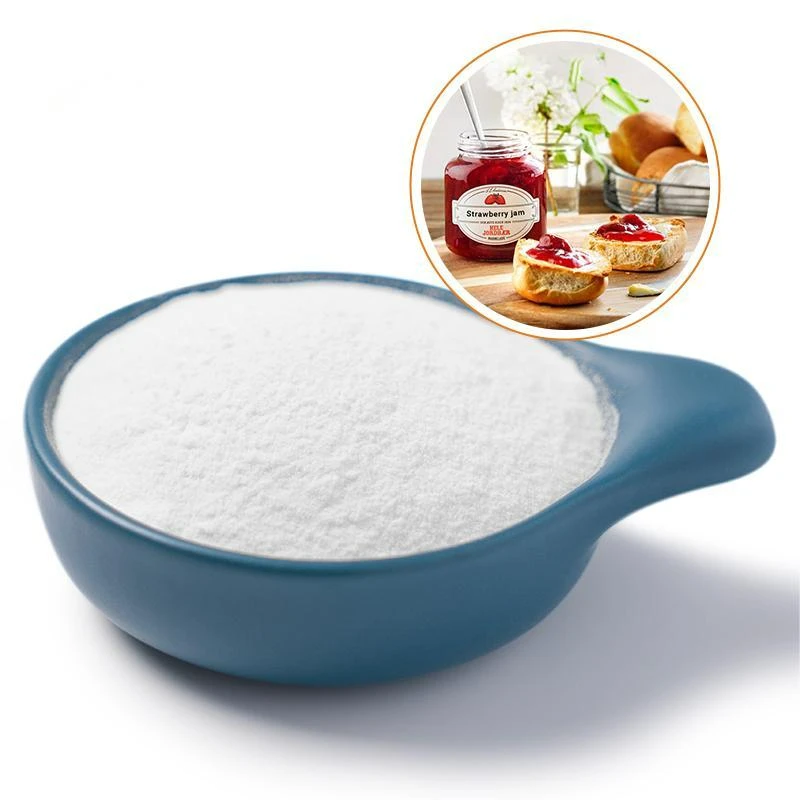
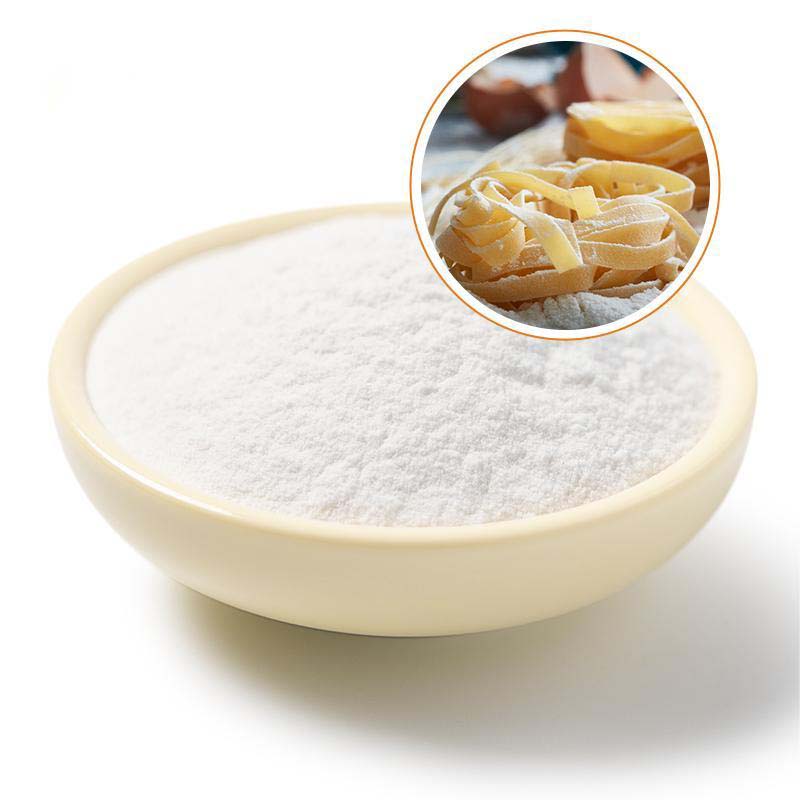
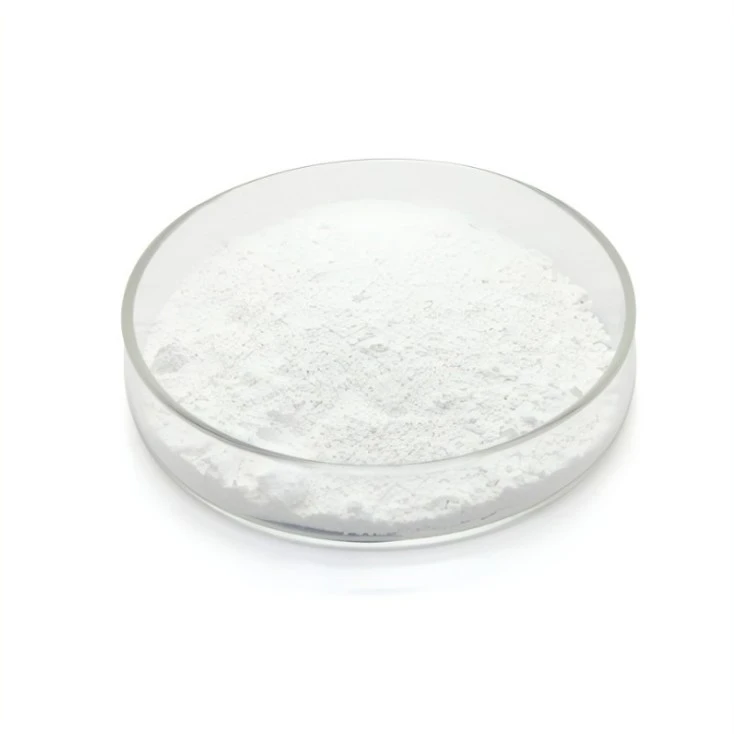
Usually includes appearance (white powder or granules), solubility in water, melting point, and volatility. These properties dictate handling and storage needs.
2. Health and Safety Hazards
Even though PVA is often regarded as low toxicity, the MSDS highlights possible respiratory irritation from dust or eye contact risks. This awareness guides worker safety measures.
3. First Aid Measures
Clear instructions such as rinsing eyes or moving to fresh air are invaluable in accidental exposure scenarios.
4. Firefighting Measures
Details on suitable extinguishing agents or hazards during combustion ensure emergency responses are effective.
5. Handling and Storage
Proper storage conditions to prevent moisture absorption or contamination, plus protective equipment recommendations.
6. Disposal Considerations
Environmentally responsible approaches to discarding or recycling PVA waste, a growing concern amid global sustainability efforts.
Mini takeaway: The polyvinyl alcohol MSDS is essentially a detailed, user-friendly guide offering practical safeguards and compliance tips—learning it is a no-brainer if safety matters to you.
Polyvinyl Alcohol Product Specifications
| Specification | Typical Value | Notes |
|---|---|---|
| Appearance | White granular powder | Standard industrial grade |
| Solubility | Easily soluble in water | Below 60°C |
| pH (5% solution) | 5.0 - 7.0 | Neutral to slightly acidic |
| Viscosity (4% solution) | 3,000 - 10,000 mPa·s | Depends on degree of polymerization |
| Moisture Content | ≤ 10% | Affects shelf life |
Global Applications & Use Cases
Polyvinyl alcohol finds itself woven into surprisingly diverse sectors. In Asia, particularly China and Japan, it plays a pivotal role in textile sizing and paper coatings, improving product durability. European pharmaceutical companies exploit PVA in controlled-release medicines. In the Americas, it's notable in biodegradable packaging, addressing environmental challenges head-on.
For example, in post-disaster relief operations, PVA-coated textiles and films help provide water-resistant yet breathable materials, crucial for temporary shelters. Meanwhile, remote industrial zones use PVA adhesives and coatings to enhance equipment life span amid harsh conditions. NGOs and companies alike have recognized that accurate polyvinyl alcohol MSDS documentation is essential to facilitate safe, effective use across continents.
Vendor Comparison Table: Top Polyvinyl Alcohol Suppliers
| Supplier | Production Capacity (tons/year) | Global Reach | MSDS Quality | Sustainability Initiatives |
|---|---|---|---|---|
| Supplier A (Asia) | 150,000 | Asia, Europe | Comprehensive | Partial biodegradable packaging |
| Supplier B (Europe) | 80,000 | Europe, Americas | Detailed, compliant with REACH | 25% reduction CO2 emissions |
| Supplier C (Americas) | 40,000 | Americas | Basic, updating MSDSs | Focus on recycling and waste |
Advantages & Long-Term Value
- Cost Efficiency: PVA’s versatility and relatively low price mean industries can experiment while keeping budgets sane.
- Sustainability: Given the biodegradability under certain conditions, its use in packaging reduces ecological footprints.
- Health and Safety: Thorough MSDS ensure minimal risk exposure, contributing to worker wellbeing.
- Reliability: Stable physical and chemical profiles make PVA a dependable ingredient in manufacturing.
- Social Trust: Transparent safety data and corporate responsibility efforts nurture stakeholder confidence.
Future Trends & Innovations
Looking ahead, polyvinyl alcohol MSDS will likely evolve alongside greener policies and new materials. There’s rising interest in blending PVA with bio-based additives, enhancing biodegradability or mechanical strength. Automation and digital transformation allow real-time MSDS accessibility on factory floors, improving emergency responses. International sustainability frameworks (e.g., UNEP guidelines) are pushing suppliers and users to continually update safety data and environmental impact information. It's not just about compliance anymore; it's a driver of innovation.
Challenges & Solutions
Despite many benefits, challenges remain. Moisture sensitivity complicates storage, and dust inhalation can affect workers if precautions are lax. Some MSDS are inconsistent or lack localized translations, causing gaps in user understanding. However, solutions like improved packaging, dust suppression systems, and multilingual digital MSDS repositories are increasingly common. Industry experts emphasize ongoing training and collaborative supplier-user feedback loops to keep information relevant and actionable.
FAQ: Frequently Asked Questions About Polyvinyl Alcohol MSDS
- Q: What key details should I check on a polyvinyl alcohol MSDS?
A: Focus on physical properties, health hazards, handling precautions, emergency actions, and disposal instructions. These sections ensure you apply the material safely and correctly. - Q: Is polyvinyl alcohol hazardous to handle without protective equipment?
A: While PVA generally exhibits low toxicity, inhaling dust or contact with eyes can cause irritation. Using gloves, masks, and eye protection is recommended based on MSDS guidance. - Q: How does polyvinyl alcohol MSDS help in international trade?
A: By outlining compliance with local and global standards, these sheets facilitate smoother customs clearance, safer logistics, and legal adherence. - Q: Where can I find verified polyvinyl alcohol MSDS documents?
A: Trusted suppliers provide MSDS on request or on their websites. For updated versions and regulatory data, check established chemical safety databases or sources like polyvinyl alcohol msds.
Conclusion
In the grand scheme, the polyvinyl alcohol MSDS isn’t just a formality — it’s a vital tool that ties together safety, efficiency, and environmental responsibility. Whether you’re in manufacturing, logistics, or regulatory affairs, understanding and using these documents well pays real dividends. For ongoing resources and up-to-date safety data sheets, don’t hesitate to visit our website: https://www.pezetech.com.
Oddly enough, the humble MSDS often doesn't get the spotlight it deserves, yet it quietly holds together the safe use of some of the world’s most versatile chemicals. Keep a keen eye on yours, and you’re halfway to mastering PVA handling.
References
-
Top Guide to Selecting Professional vae emulsion manufacturersNewsApr.16,2026
-
Viscosity of HPMCNewsApr.15,2026
-
HPMC Powder UsesNewsApr.15,2026
-
Understanding VAE Emulsion for Modern Industrial CoatingsNewsApr.09,2026
-
Comprehensive Guide to Redispersible Emulsion Powder and its ApplicationsNewsApr.07,2026
-
Comprehensive Guide to Redispersible Latex Powder for Construction ApplicationsNewsApr.04,2026