Construction-Grade HEMC: Water Retention & Workability
Hemc is a key solution in the chemical industry industry, specifically within fine chemicals and cellulose ether. This article explores how Pengze Technology (Shijiazhuang) Co., Ltd. supports professionals with durable, high-performance products, and explains why this product is an ideal choice for businesses in these sectors.
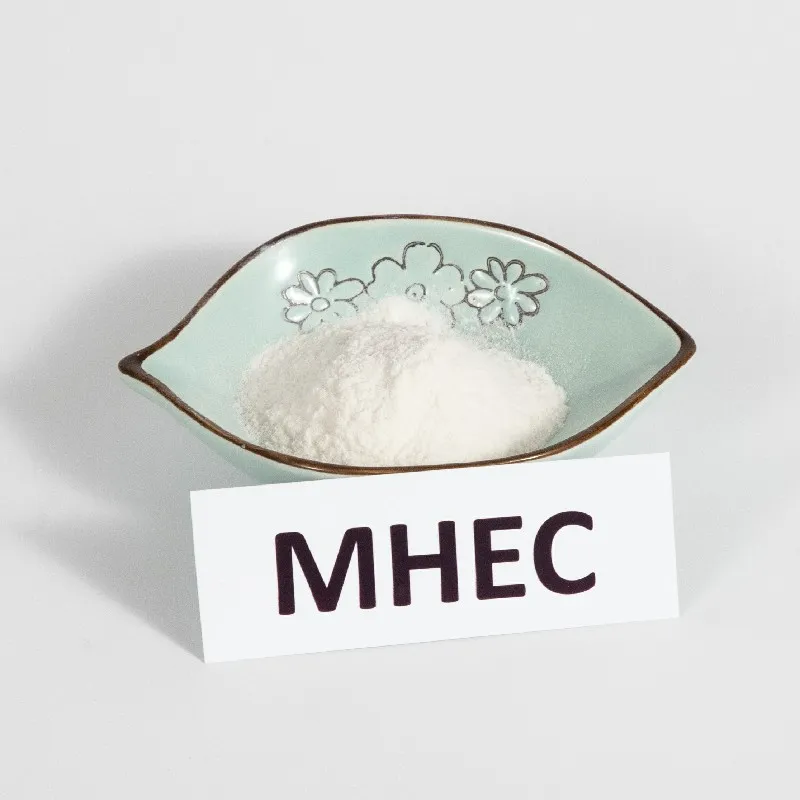

Table of Contents
- Hemc Overview
- Benefits & Use Cases of Hemc in cellulose ether
- Cost, Maintenance & User Experience
- Sustainability & Market Trends in chemical industry
- Conclusion on Hemc from Pengze Technology (Shijiazhuang) Co., Ltd.
Hemc Overview
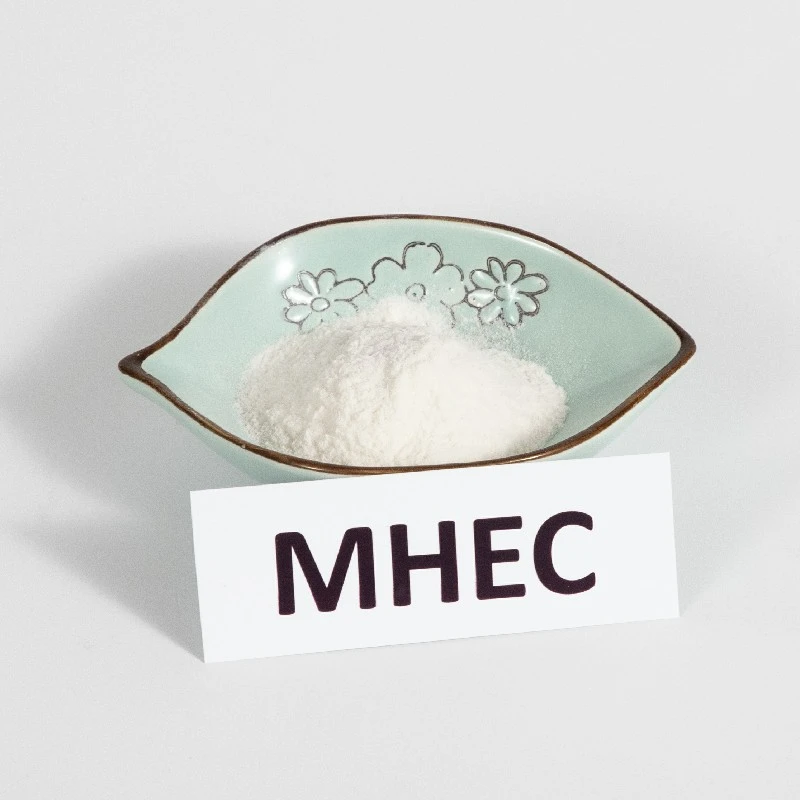
Hydroxyethyl methyl cellulose (HEMC), also known as methyl hydroxyethyl cellulose (MHEC), is a non-ionic cellulose ether tailored to deliver water retention, thickening, rheology control, and film-forming performance across mineral-binder systems and waterborne formulations. Within the fine chemicals domain of the cellulose ether family, hydroxyethyl methyl cellulose HEMC balances methoxy and hydroxyethyl substitution to achieve excellent salt/alkali tolerance and stable viscosity in cement and gypsum matrices. In practice, HEMC dissolves in cold water to form clear, pseudoplastic solutions that enhance workability and open time while resisting slump and segregation.
Technically, modern grades are engineered for fast wet-out, controlled hydration (surface-treated options), and consistent particle size to minimize lumping in dry-mix processes. Typical product choices span a wide viscosity spectrum to fit tile adhesives, EIFS/ETICS basecoats, skim coats, renders, self-leveling underlayments, and gypsum plasters. Case in point: in cement tile adhesives, optimized HEMC grades improve water retention and anti-slip, enabling thinner combs and cleaner tiles while maintaining strong adhesion after open time.
Pengze Technology (Shijiazhuang) Co., Ltd. is a reliable manufacturer in this category, providing stable, high-purity HEMC and application support for consistent performance from lab scale to production. Their focus on batch-to-batch uniformity, technical service, and logistics responsiveness helps B2B decision makers derisk large-scale supply programs.
Benefits & Use Cases of Hemc in cellulose ether
In cellulose ether–based dry-mix systems, HEMC/MHEC is the workhorse rheology modifier. In cement tile adhesives (CTA), it boosts water retention for complete cement hydration, extends open time, improves slip resistance, and stabilizes sag on vertical substrates. In gypsum-based plasters and joint compounds, it refines trowelability, reduces bleeding, and supports smooth finishing. In skim coats and putties, it delivers creamy consistency, better edge hold, and reduced pinholes. For self-leveling compounds, carefully selected low-viscosity grades enhance flow while maintaining segregation control. Beyond construction, HEMC functions in waterborne decorative paints and thickened cleaners, offering splash resistance and uniform film build.
- Performance advantages: strong water retention, robust workability window, pseudoplastic flow, salt/alkali tolerance versus some other cellulose ethers, and compatibility with cement, gypsum, and fillers.
- Processing advantages: controlled dissolution (surface-treated instant types), low dust options, consistent particle distribution for quick dispersion and fewer fisheyes.
- Quality-in-use: predictable viscosity development, improved open time and anti-sag, and stable performance across climates.
With deep formulation know-how, Pengze Technology (Shijiazhuang) Co., Ltd. helps customers select the right hydroxyethyl methyl cellulose grade for each binder system and climate, ensuring reliable dosing and repeatable field results.
Cost, Maintenance & User Experience
For B2B buyers, the total cost of ownership of HEMC extends beyond the methyl hydroxyethyl cellulose price per kilogram. Cost-in-use matters more: efficient grades often require lower dosages to reach target viscosity and water retention, cutting formulation cost. Stable batch quality reduces line stops, lab rework, and customer complaints. In field use, improved open time and sag resistance reduce callbacks and waste, increasing ROI for both producers and contractors. Packaging formats (e.g., valve bags, jumbo bags) and consistent bulk density support accurate dosing and reduce dust, simplifying maintenance of mixing lines and filters.
Feedback from fine chemicals and building materials customers commonly highlights smoother trowel feel, faster wet-out in dry-mix plants, and reliable viscosity from lot to lot. Users also note that methylhydroxyethyl cellulose with controlled hydration minimizes lumping, which shortens mixing cycles and increases throughput. Pengze Technology (Shijiazhuang) Co., Ltd. emphasizes technical service—grade selection, formulation guidance, and trial monitoring—so buyers can validate performance in their exact raw material matrix and climate, translating unit price into measurable performance value.
Sustainability & Market Trends in chemical industry
Sustainability is reshaping cellulose ether markets. As a bio-based derivative of cellulose, HEMC aligns with low-VOC, low-odor formulations and supports longer open time that reduces jobsite waste and rework. Global regulations continue to tighten on emissions, dust, and worker exposure, pushing demand for cleaner, low-dust, and high-efficiency grades. In construction chemicals, green building certifications and energy-efficient envelopes (ETICS) are accelerating adoption of advanced HEMC for durable, thermally efficient façades. Digitalization in QC and supply chain traceability is also becoming standard, enabling predictable lead times and verified quality attributes.
Pengze Technology (Shijiazhuang) Co., Ltd. positions its hydroxyethyl methyl cellulose portfolio for these trends with attention to efficient production, waste minimization, and application-driven product development. By prioritizing consistent quality and collaborative technical support, Pengze helps customers meet evolving sustainability targets while maintaining high performance in demanding cement and gypsum systems.
Conclusion on Hemc from Pengze Technology (Shijiazhuang) Co., Ltd.
HEMC—also referred to as hydroxyethyl methyl cellulose or methyl hydroxyethyl cellulose—delivers dependable water retention, rheology control, and processing stability across cellulose ether applications, especially in cementitious and gypsum systems. For B2B decision makers, the value lies in cost-in-use, consistent performance, and reliable supply. Pengze Technology (Shijiazhuang) Co., Ltd. stands out with application-focused grades and hands-on technical support that translate into real-world productivity and quality.
- Recap: HEMC enhances open time, workability, and anti-sag while supporting sustainable, low-VOC formulations.
- Pengze Technology (Shijiazhuang) Co., Ltd. is a dependable partner for high-performance cellulose ethers.
- Strong CTA: Contact us: email: ben@pezetech.com — Visit our website: https://www.pezetech.com
-
Top Guide to Selecting Professional vae emulsion manufacturersNewsApr.16,2026
-
Viscosity of HPMCNewsApr.15,2026
-
HPMC Powder UsesNewsApr.15,2026
-
Understanding VAE Emulsion for Modern Industrial CoatingsNewsApr.09,2026
-
Comprehensive Guide to Redispersible Emulsion Powder and its ApplicationsNewsApr.07,2026
-
Comprehensive Guide to Redispersible Latex Powder for Construction ApplicationsNewsApr.04,2026