HEMC High-Purity Thickener & Water Retention for Mortars
Building Material HEMC/MHEC/HEC/HPMC for Wall Putty: Insider Notes from the Jobsite and the Lab
When contractors ask me what keeps modern wall putties from cracking or powdering out, I usually point them to Hemc in the formulation. Made in Shijiazhuang, Hebei—Origin: 1601, Block B, New Century Diamond Plaza, No. 466 Zhongshan East Road, Chang'an District—it’s the quiet hero behind workable mortars that still cure right in real rooms, under real weather. To be honest, once you learn how cellulose ethers behave in water, it’s hard to “unsee” their impact.
Industry trend check
Two things are shaping specs this year: higher water retention to stretch open time (tile adhesive and putty crews love this), and cleaner chemistries with consistent rheology. Many customers say they’re moving from plain HEC to MHEC/HEMC for better anti-sag and a smoother trowel feel. Sustainability? Absolutely—low-VOC and improved shelf stability are table stakes now.
What it is (in plain English)
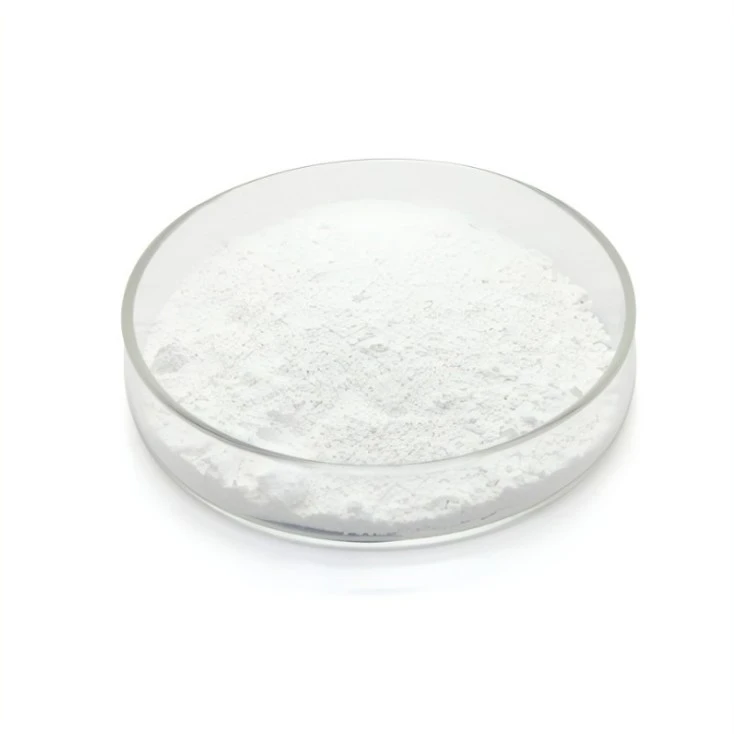
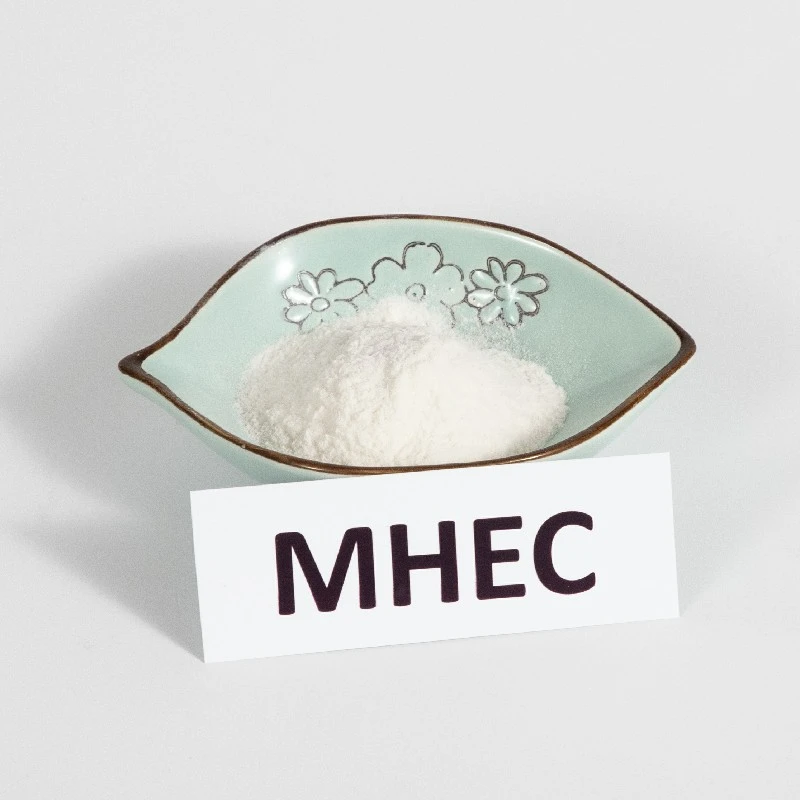
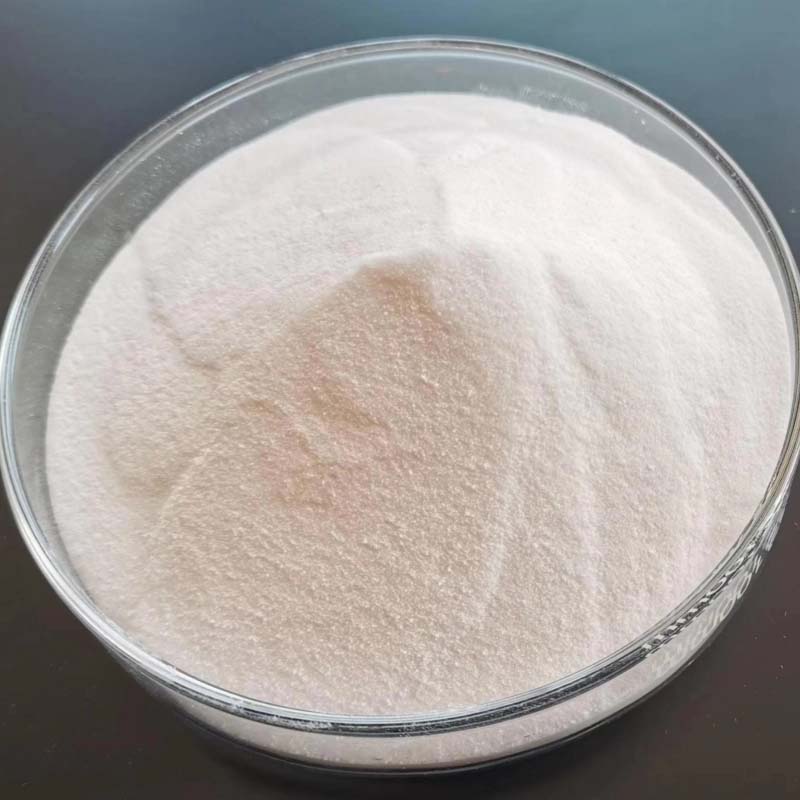
MHEC is an odorless, non-toxic white powder that dissolves in cold water to form a clear, viscous solution. It thickens, binds, disperses, emulsifies, forms films, suspends fillers, and keeps water locked in the mix—exactly what wall putty, skim coats, gypsum plasters, EIFS basecoats, and tile adhesives crave. Thanks to the hydroxyethyl groups, Hemc shows better mildew resistance and more stable viscosity in storage (which, surprisingly, cuts rework for some teams).
Process flow (short version)
Materials: refined cellulose (usually wood pulp); reagents for alkalization and etherification. Methods: alkalization → etherification (e.g., with methyl/hydroxyethyl groups) → neutralization → washing → drying → milling → QC. Key tests: Brookfield viscosity (ASTM D2196), water retention in mortar (ASTM C1506), open time and tensile adhesion for tile adhesives (EN 1346/EN 12004-1), slip (EN 1308), pH, moisture, particle size. Service life: powder shelf life ≈ 24 months sealed; in-mix pot life typically 2–4 h, real-world use may vary.
Typical product specs (MHEC for wall putty)
| Parameter | Typical value (≈) |
|---|---|
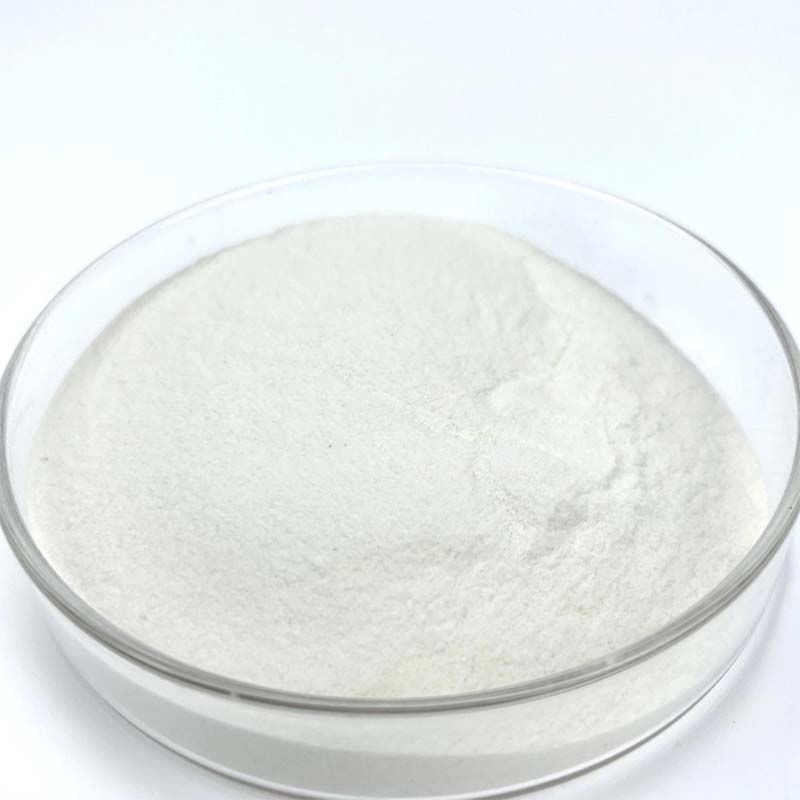
| Appearance | White to off-white free-flowing powder |
| Viscosity (2% at 20°C, Brookfield) | 20,000–60,000 mPa·s (ASTM D2196) |
| Moisture | ≤5% |
| pH (1% sol.) | 6.0–8.5 |
| Ash | ≤3% |
| Particle size | ≥98% through 80 mesh |
| Water retention (in mortar) | ≥95% (ASTM C1506), formula-dependent |
Applications and advantages
- Wall putty/skim coat: smoother glide, fewer pinholes, better anti-cracking.- Cement tile adhesive: longer open time (EN 1346), higher wet tack, reduced slip (EN 1308).
- Gypsum plaster: controlled set, creamy workability, neat edges.
- EIFS/ETICS basecoat: fiber/filler suspension; consistent trowel ridge profiles.
Contractor feedback: “less retempering on hot days,” “edges don’t tear,” and “coverage improved around 5–8%.” I guess results vary with cement and fillers, but the trend repeats across sites.
Vendor snapshot (what buyers actually compare)
| Vendor | Origin | Viscosity range | Certs | Lead time | Notes |
|---|---|---|---|---|---|
| Pezetech MHEC/HEC/HPMC | Shijiazhuang, Hebei | 5k–80k mPa·s | ISO 9001, REACH-ready | ≈10–15 days | Custom rheology; stable mildew resistance |
| EU Brand A | EU | 4k–75k mPa·s | ISO 9001/14001 | ≈2–4 weeks | Premium pricing; very tight specs |
| APAC Brand B | APAC | 3k–60k mPa·s | ISO 9001 | ≈2–3 weeks | Cost-effective; batch variance can be higher |
Customization that matters
You can tune Hemc for viscosity band, particle size (for faster or slower hydration), and surface treatment to reduce lumping during rapid mixing. For hot climates, I recommend slightly higher viscosity and water retention to protect open time and anti-sag.
Micro case studies
Tile adhesive in Gulf region: switching to mid-vis MHEC improved EN 1346 open time from ≈18 to ≈26 minutes and cut slip failures (EN 1308) by 60%—verified alongside ASTM C1506 water-retention checks.
Interior wall putty in SE Asia: using Hemc with tighter particle size distribution reduced pinholes and gave a more even burnish after sanding (contractors said “less dust, better skin”).
Compliance and data
Look for ISO 9001 QA, REACH-compliant documentation, and batch COAs with viscosity per ASTM D2196, moisture/ash, and mortar water-retention per ASTM C1506. For tile adhesives, performance should map to EN 12004-1 classes (e.g., C1/C2, T, E), depending on your full recipe.
References
-
Top Guide to Selecting Professional vae emulsion manufacturersNewsApr.16,2026
-
Viscosity of HPMCNewsApr.15,2026
-
HPMC Powder UsesNewsApr.15,2026
-
Understanding VAE Emulsion for Modern Industrial CoatingsNewsApr.09,2026
-
Comprehensive Guide to Redispersible Emulsion Powder and its ApplicationsNewsApr.07,2026
-
Comprehensive Guide to Redispersible Latex Powder for Construction ApplicationsNewsApr.04,2026