HEMC Manufacturer: High Purity, Stable Viscosity, Best Price
Inside the HEMC supply chain: what a real buyer should know
If you’re scouting a Hemc Manufacturer for wall putty, tile adhesive, or gypsum-based finishes, you’ve probably noticed the market shifted. Demand is up, specs are tighter, and frankly, not all “cellulose ethers” behave the same in real-world mixes. I’ve walked a few plant floors and job sites over the years; the difference between a decent HEMC and a good one shows up in open time, trowel feel, and that elusive anti-sag balance.
Quick background: materials, methods, and why it matters
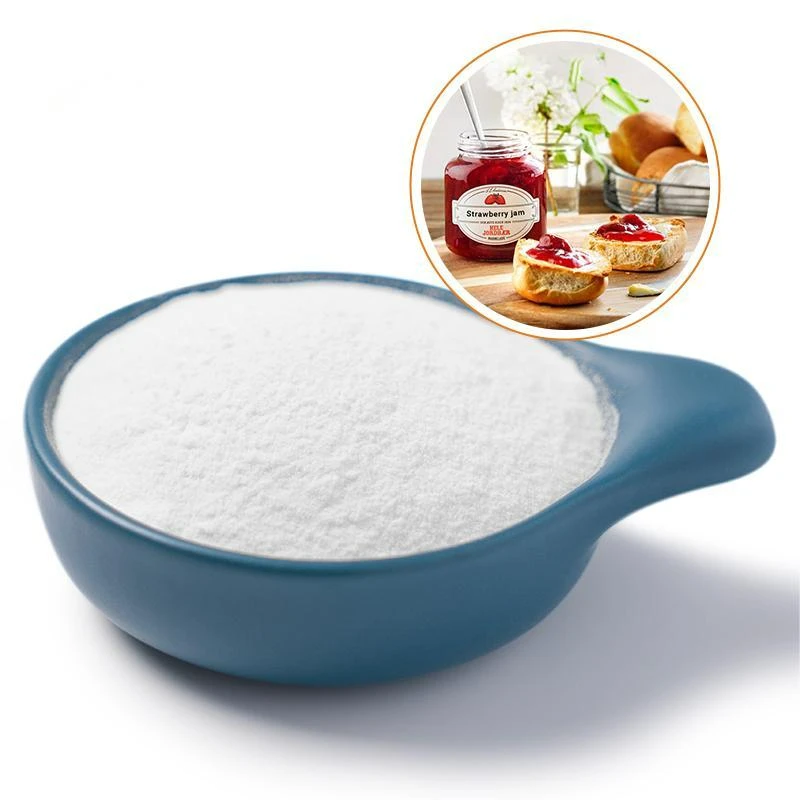
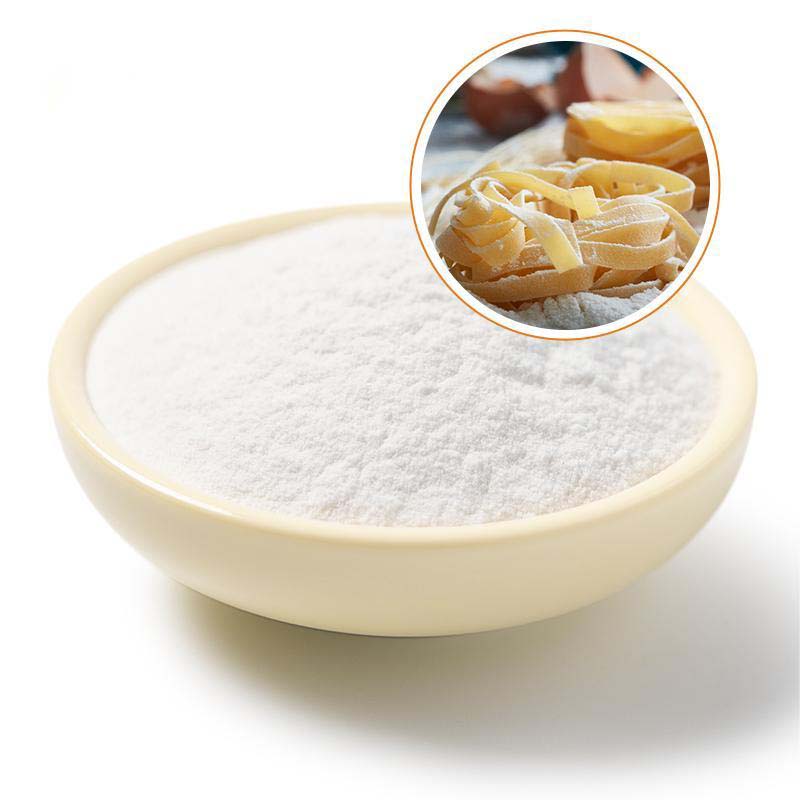
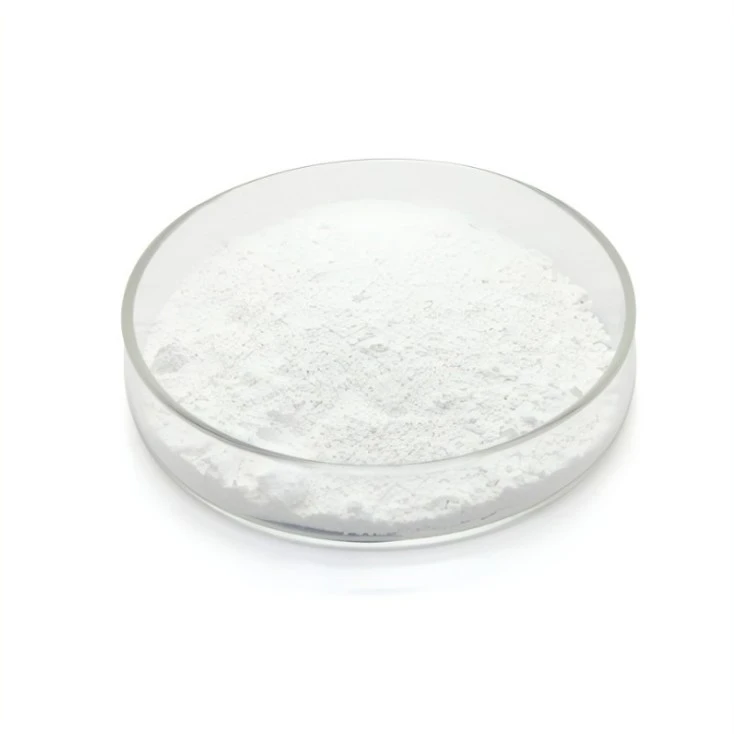
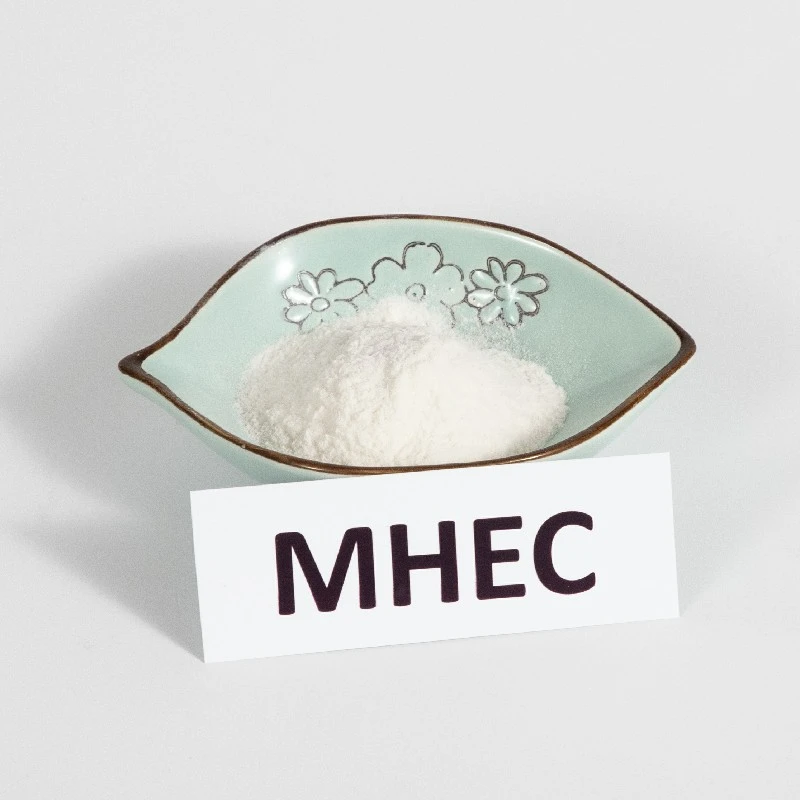
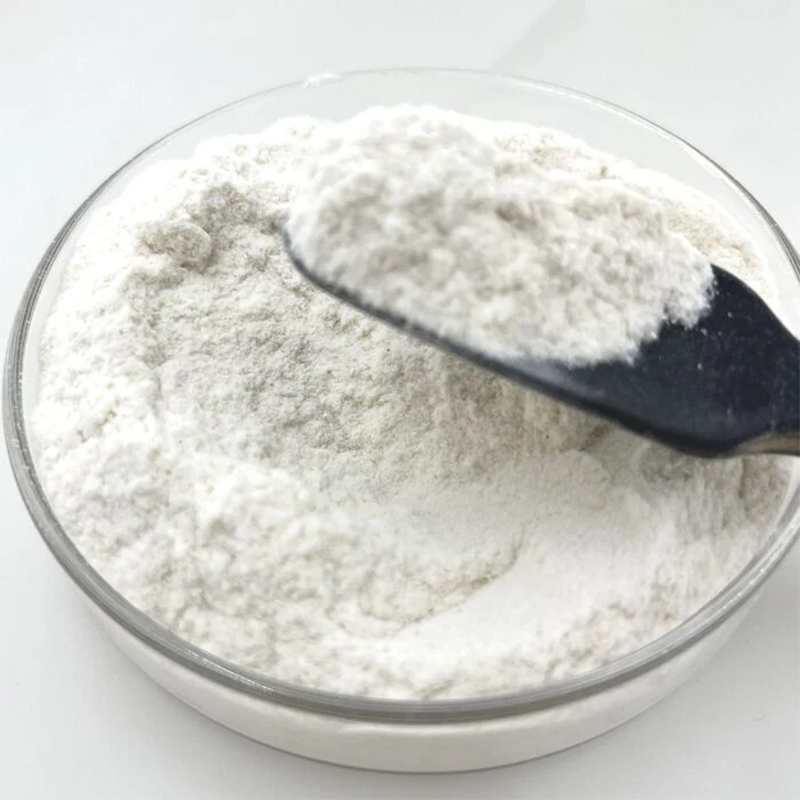
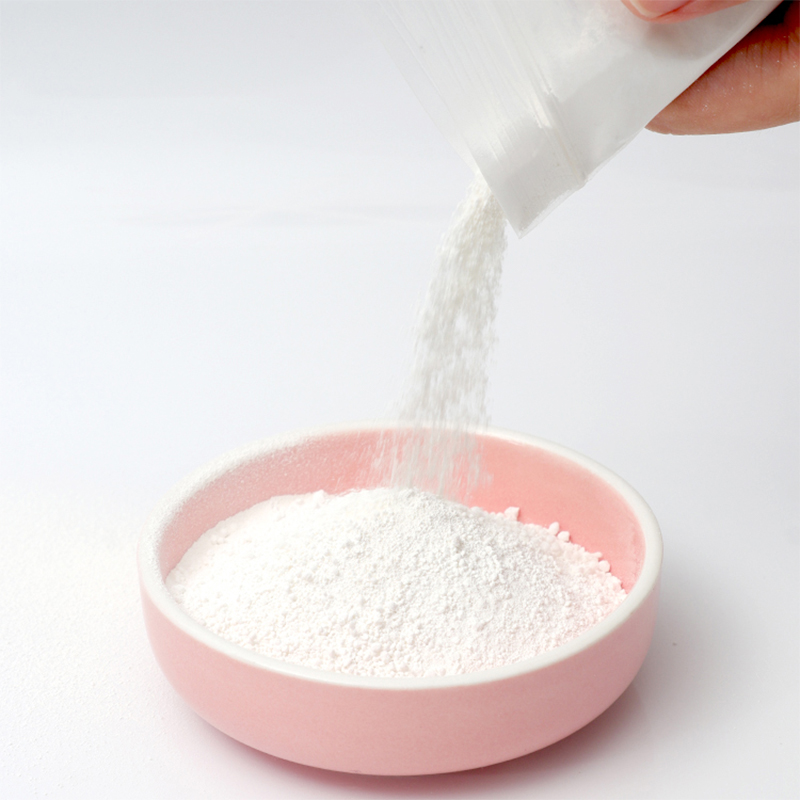
The featured product family—Building Material HEMC/MHEC/HEC/HPMC—comes from a maker based at 1601, Block B, New Century Diamond Plaza, No. 466 Zhongshan East Road, Chang'an District, Shijiazhuang City, Hebei Province. The MHEC grade is an odorless, non-toxic white powder that dissolves in cold water, delivering thickening, water retention, dispersion, and film formation. In practice, that means smoother workability, fewer dry spots, and more forgiving open time. Many customers say the mildew resistance over storage is surprisingly stable, which lines up with its hydroxyethyl content.
Typical process flow
- Materials: refined cellulose (usually wood pulp), NaOH for alkalization, etherifying agents (e.g., ethylene oxide and methylating agents for HEMC/MHEC), solvent system (often IPA-water).
- Methods: alkalization → etherification → neutralization → washing → drying → milling → sieving → surface treatment (optional delayed solubility).
- Testing standards: viscosity per ASTM D2196; water retention in mortar per ASTM C1506; pH per ASTM E70; mortar performance aligned with EN 12004-2 for tile adhesives.
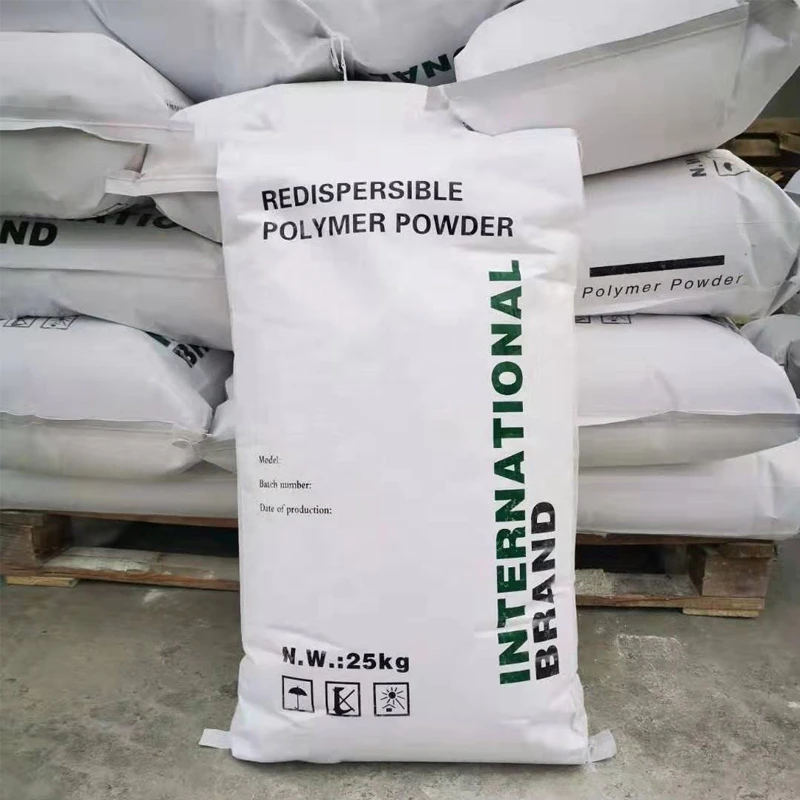
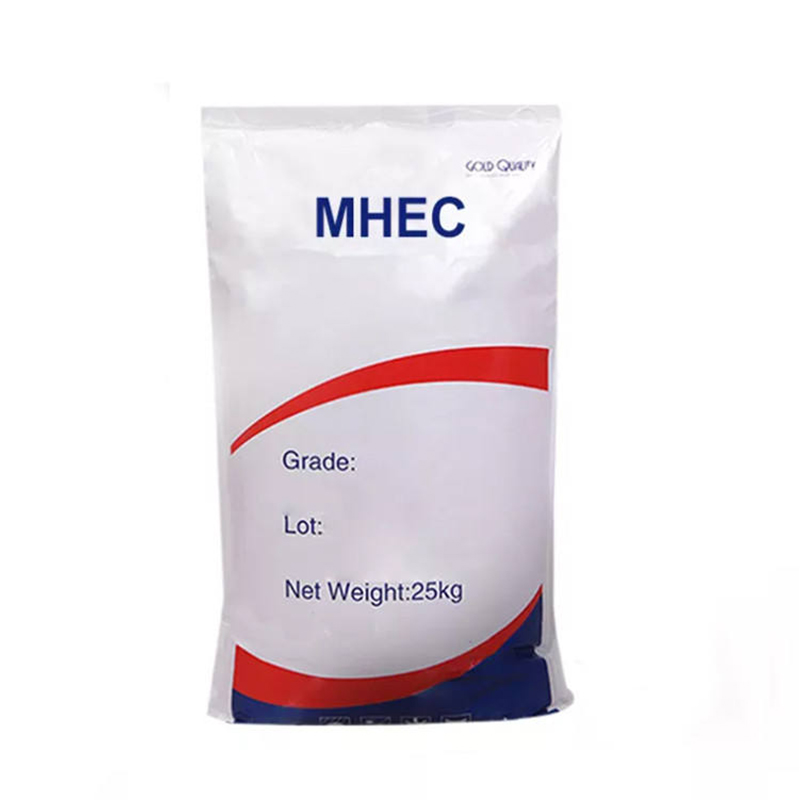
- Service life: around 24 months in sealed 25 kg bags, cool and dry, away from moisture.
- Industries: cement- and gypsum-based mortars, wall putty/skim coat, ETICS basecoats, tile adhesives, self-levelers (selected grades), and architectural paints.
Product specifications (indicative)
| Appearance | White to off-white powder |
| Viscosity (2% sol., 20°C, Brookfield) | ≈ 20,000–90,000 mPa·s (grade-dependent) |
| Moisture | ≤ 5% |
| pH (1% sol.) | 6.0–8.5 |
| Water retention in mortar | ≥ 95% (ASTM C1506, real-world may vary) |
| Solubility | Cold water soluble; delayed-solubility options |
Applications and on-site behavior
In wall putty/skim coats, you want creamy trowelability, minimal pinholes, and strong adhesion. In tile adhesives, target open time and anti-slip; for gypsum plasters, controlled set and crack resistance. One plant manager told me, “we cut remixing by half” after switching to a high-retention MHEC grade—small change, big gain.
Vendor comparison (indicative, buyer’s-eye view)
| Vendor | Grades/Range | Lead time | Customization | Certifications | Notes |
| Pezetech (Hemc Manufacturer) | HEMC/MHEC/HEC/HPMC | ≈ 10–20 days | Viscosity, surface treatment, sieve | ISO 9001; RoHS/REACH on request | Strong tech support, steady QC |
| Regional Trader A | Limited HEMC | ≈ 25–35 days | Basic | Varies | Price-driven, less lab data |
| General Chemical B | Broad cellulose ethers | ≈ 20–30 days | Moderate | ISO/REACH | Consistent, higher MOQ |
Customization that actually helps
- Viscosity tuning: e.g., 30k, 60k, 80k mPa·s for different mortar rheology.
- Surface treatment: delayed solubility to avoid fisheyes in fast batching.
- Particle size: improved dispersion, smoother putty finish.
- Mortar-targeting: tile adhesive (EN 12004 C1/C2), gypsum plaster, or ETICS basecoat recipes.
Mini case study: wall putty line, South Asia
A mid-sized plant swapped their legacy cellulose ether for a medium-viscosity MHEC from this Hemc Manufacturer. With 0.3–0.4% dosage, lab water retention hit ≈ 96–97% (ASTM C1506). Field crews reported longer open time (+8–12 minutes) and cleaner sanding. Scrap dropped by about 6%. It’s not magic, just better matching of viscosity and substitution to their cement/filler ratio.
Practical buying notes
- Ask for mortar test sheets, not just viscosity. Request EN 12004-2 adhesive data if you run tile adhesive.
- Check batch-to-batch viscosity drift (±5–10% is typical). Real-world use may vary.
- Confirm shelf life, pallets, liner bags, and humidity control for coastal warehouses.
- Certifications: ISO 9001, plus safety and compliance declarations (REACH/RoHS) on request.
To be honest, the best cellulose ether is the one that fits your formulation. But a responsive Hemc Manufacturer with consistent QC and mortar-level testing saves months of tinkering.
Authoritative citations
- ASTM C1506 – Standard Test Method for Water Retention of Hydraulic Cement-Based Mortars. https://www.astm.org/c1506
- ASTM D2196 – Standard Test Methods for Rheological Properties Using Brookfield Viscometer. https://www.astm.org/d2196
- EN 12004-2 – Adhesives for tiles. Requirements, evaluation of conformity, classification. https://standards.iteh.ai/catalog/standards/cen/5bbebf0b-3a53-4216-9b2c-7d8a2f1ae1b7/en-12004-2
- ISO 9001:2015 – Quality management systems. https://www.iso.org/standard/62085.html
-
Top Guide to Selecting Professional vae emulsion manufacturersNewsApr.16,2026
-
Viscosity of HPMCNewsApr.15,2026
-
HPMC Powder UsesNewsApr.15,2026
-
Understanding VAE Emulsion for Modern Industrial CoatingsNewsApr.09,2026
-
Comprehensive Guide to Redispersible Emulsion Powder and its ApplicationsNewsApr.07,2026
-
Comprehensive Guide to Redispersible Latex Powder for Construction ApplicationsNewsApr.04,2026