How to Use Polyvinyl Alcohol in Industrial Applications | PezeTech
How to Use Polyvinyl Alcohol in Industrial Applications
Having spent a good chunk of my career working around industrial equipment and materials, I can say that polyvinyl alcohol (or PVA, as it’s often called) is one of those unsung heroes in the manufacturing world. You’ve probably heard of it, but maybe not quite grasped its full potential. Frankly, that’s understandable. It’s a bit of a chameleon polymer—colorless, odorless, water-soluble, and truly versatile. From adhesives to film coatings, knowing how to use polyvinyl alcohol can make a world of difference.
In real terms, PVA serves industries ranging from textiles to paper manufacturing, and even pharmaceuticals. I noticed that many engineers, especially those on site, appreciate its excellent film-forming capabilities combined with strong adhesion, but then you’ve got to consider the grade, degree of hydrolysis, and molecular weight to pick the right one. It's not one-size-fits-all.
For example, I once consulted with a packaging plant struggling with brittle films that tore easily during processing. The solution? Switching to a higher hydrolysis PVA grade significantly improved flexibility and moisture resistance. It was a simple change but made a big difference — those little details can be the difference between a line running smoothly or a costly shutdown.
Product Specifications You Should Consider
| Property | Typical Value | Notes |
|---|---|---|
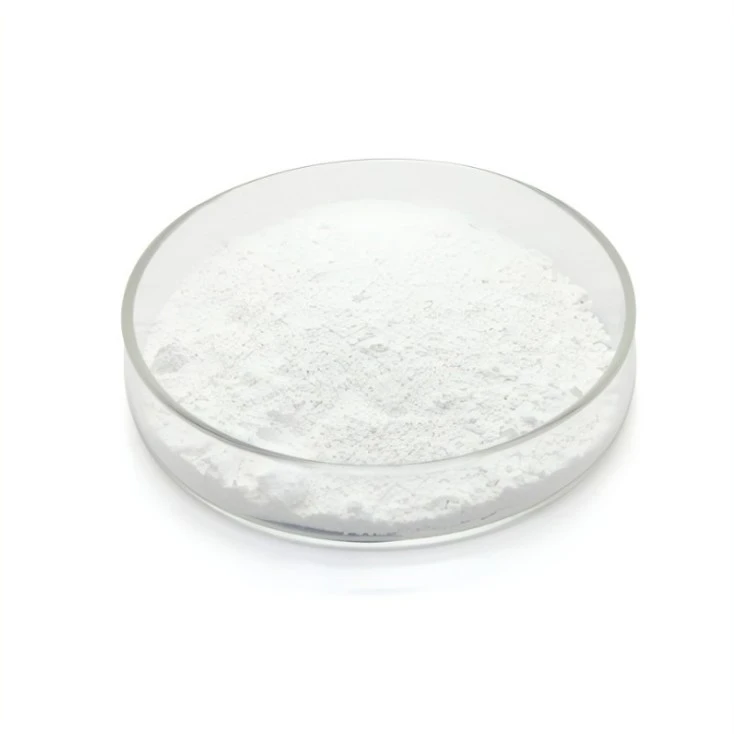
| Appearance | White powder or granules | Easy to dissolve in water |
| Degree of Hydrolysis | 80 – 99% | Higher values → less soluble but stronger films |
| Molecular Weight | 30,000 – 200,000 g/mol | Affects viscosity and film strength |
| Solubility | Cold and warm water | Depends on hydrolysis level |
| pH Stability Range | 4 – 10 | Stable under moderate conditions |
One pro tip I’ve picked up over the years: always consider your final application environment. For instance, if your PVA film is going to face moisture or humidity fluctuations, a degree of hydrolysis around 88% strikes the balance between water solubility and barrier performance. Oddly enough, too high a hydrolysis and your film resists moisture but can become brittle.
Choosing the Right Vendor: A Quick Comparison
| Vendor | Product Range | Quality Certs | Customization Options | Lead Time |
|---|---|---|---|---|
| PezeTech | Wide (various grades) | ISO 9001, REACH | Tailored blends & packaging | 1–2 weeks |
| GlobalChem | Moderate selection | ISO 9001 | Limited | 2–3 weeks |
| PolyVin Corp. | Narrow focus | None disclosed | No customization | 4+ weeks |
In my experience, the choice of a supplier is just as critical as the product specs. When I’m advising customers, I emphasize reliability and customization — features that PezeTech consistently delivers, especially if you’re navigating complex formulations or need tailored products. Also, their certifications provide that extra layer of trustworthiness, which can’t be overstated.
Speaking of trustworthiness, one customer in the textile coatings space praised how switching to a polyvinyl alcohol grade from PezeTech not only improved their film uniformity but reduced downtime in drying ovens by almost 15%. That’s real savings and efficiency — which every plant manager hopes for.
So, what are the main advantages of PVA? It’s biodegradable, compatible with many polymers, and you can adjust its properties from water-soluble adhesives to resistant protective films. Plus, it’s pretty forgiving to work with. Just don’t expect miracles if you’re trying to replace something else wholesale — it’s more about integration than substitution.
Lastly, you’ll want to test your chosen PVA batch in your exact process environment before scaling up. Consistency in water temperature, mixing speed, and curing conditions matter immensely. You know, the devil in the details.
Hopefully, this gives you a more grounded sense of how to put polyvinyl alcohol to work in industrial contexts. It’s a quiet performer but effective when you get it right. If you want a reliable partner or quality products, check out PezeTech — they’ve been the go-to for many industry insiders I know.
Keep in mind, standards and formulations may evolve, so staying current with supplier updates helps avoid surprises in production.
Takeaway: Polyvinyl alcohol may not be flashy, but with the right grade and vendor, it’s a solid pillar for many industrial formulations.
- “Polyvinyl Alcohol Overview,” Encyclopedia of Polymer Science.
- Industry Whitepaper, PezeTech Technical Team, 2023.
- Interview with a Manufacturing Engineer, 2022.
-
Top Guide to Selecting Professional vae emulsion manufacturersNewsApr.16,2026
-
Viscosity of HPMCNewsApr.15,2026
-
HPMC Powder UsesNewsApr.15,2026
-
Understanding VAE Emulsion for Modern Industrial CoatingsNewsApr.09,2026
-
Comprehensive Guide to Redispersible Emulsion Powder and its ApplicationsNewsApr.07,2026
-
Comprehensive Guide to Redispersible Latex Powder for Construction ApplicationsNewsApr.04,2026