HPMC Gel: High-Purity Thickener for Adhesives & Coatings
The Real-World Guide to hpmc gel in Construction and Coatings
If you’ve mixed mortars at dawn or fought with saggy tile adhesive at site temps touching 35°C, you already know why formulators keep reaching for hpmc gel. It’s not glamorous, but it’s the silent stabilizer—controlling water, slip, and that maddening open time. I’ve toured facilities from Hebei to Hamburg, and, to be honest, the best results come from suppliers who sweat the tiny details: substitution, particle size, surface treatment.
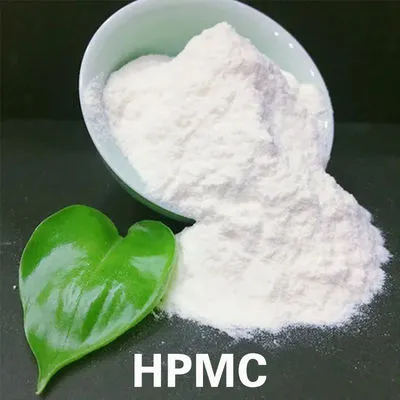
What it is and where it shines
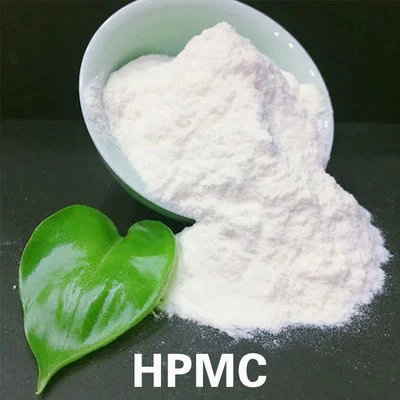
Hydroxypropyl methylcellulose comes in two working styles: hot-dissolving (for dry powders like putty, mortar) and instant (for liquids—construction glues, coatings, washing products). Many customers say the instant grade saves production time; I’d add that the hot method still rules when you want super-clean dispersion in dry blends. Typical industries: dry-mix mortar, EIFS/ETICS, tile adhesives, wall putty/skim coat, decorative coatings, liquid detergents, and, yes, certain pharma and personal care gels depending on grade.
Product specs (field-tested ranges)
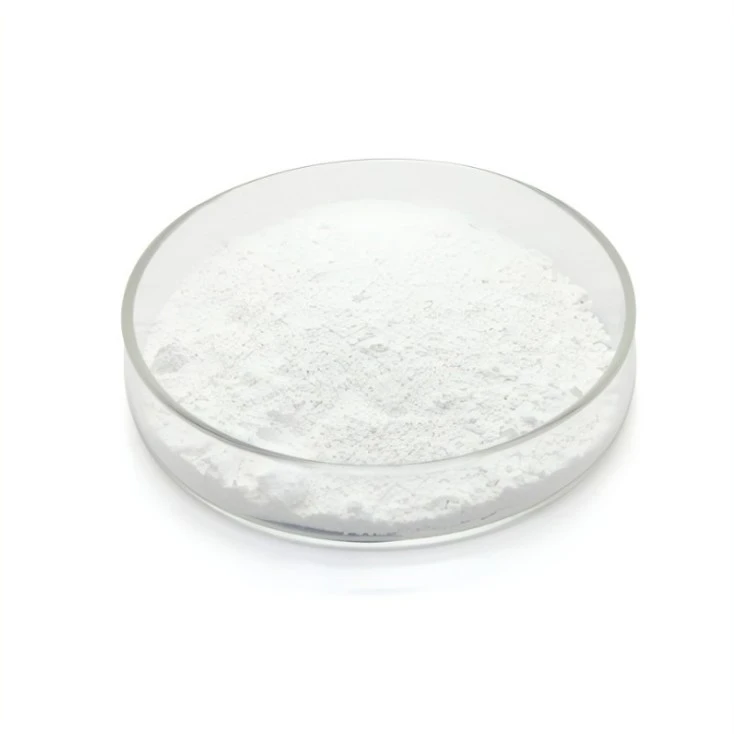
| Appearance | White/off‑white powder, odorless, tasteless |
| Viscosity (2% sol, 20°C) | ≈400–200,000 mPa·s (Brookfield RV; real‑world use may vary) |
| Moisture (LOD) | ≤5% |
| Methoxy / Hydroxypropyl | ≈19–30% / ≈4–12% |
| pH (1% sol) | 5.0–8.0 |
| Gel temperature | ≈60–80°C |
| Particle size | ≥98% pass 80 mesh (typ.) |
Process flow (why consistency varies)
Materials: refined cellulose pulp → alkalization → etherification (methyl chloride + propylene oxide) → neutralization → washing → drying → milling/sieving → surface treatment (for instant grade) → packaging.
Methods: hot-dissolving grade disperses in hot water (>85°C) and dissolves while cooling; instant grade hydrates in cold water with reduced lumping. Testing standards typically follow USP/Ph. Eur for identity/viscosity, ASTM C1506 for water retention in mortars, and EN 12004 metrics for tile adhesive open time and slip.
Application snapshots, advantages, service life
- Tile adhesive: 0.2–0.4% hpmc gel → water retention >95%, open time +20–40 min, slip reduced by ≈50%.
- Wall putty/skim: improved workability, longer wet edge, smoother blade feel.
- Coatings: sag control and build in low-VOC systems; stable viscosity over weeks.
- Washing liquids: thickening with salt response; clear solutions with instant grade.
Shelf life (sealed, dry, cool): ≈24 months. In-service durability: depends on matrix; in cementitious systems, hpmc gel primarily optimizes application, not structural strength, but better curing from water retention indirectly reduces cracking risk.
Vendor landscape and customization
Customization usually centers on viscosity window, substitution levels, particle size, and surface treatment. Lead time and lot-to-lot variance, frankly, separate the pros from the pack.
| Vendor | Viscosity tolerance | Customization | Lead time | Certs | Notes |
|---|---|---|---|---|---|
| Pezetech (HPMC MANUFACTURER), 1601 Block B, New Century Diamond Plaza, No.466 Zhongshan East Rd., Chang’an Dist., Shijiazhuang, Hebei | ≈±10–15% | Hot & instant; particle size; special slip-control | ≈10–20 days | ISO 9001/14001, REACH | Strong support; practical QC data |
| Vendor A (generic) | ≈±20% | Limited | ≈3–5 weeks | ISO 9001 | Budget-friendly; variable lots |
| Vendor B (regional) | ≈±15% | Some custom SKUs | ≈2–4 weeks | ISO 9001, RoHS | Decent tech service |
Case notes and test data
- Tile adhesive plant, SEA: 0.35% hpmc gel raised EN 12004 open time from 15→35 min; slip cut from 0.7→0.3 mm; water retention per ASTM C1506 hit 96% (n=3, 23°C/50% RH).
- Liquid detergent maker: instant grade held Brookfield KU within ±3 KU over 8 weeks at 25°C; no phase separation observed.
Customer feedback is, surprisingly, consistent: cleaner dissolution and a steadier trowel feel. I guess that’s what keeps specifiers loyal.
Standards and compliance
Common references: USP/Ph. Eur monographs (identity/viscosity), ASTM C1506 (water retention), EN 12004 (tile adhesive performance). Look for ISO 9001/14001, REACH, and SDS availability. Always validate in your own matrix—real-world use varies with cement, fillers, and local water chemistry.
- USP–NF Monograph: Hypromellose (Hydroxypropyl Methylcellulose).
- European Pharmacopoeia, Hypromellose monograph (latest ed.).
- ASTM C1506: Standard Test Method for Water Retention of Hydraulic Cement-Based Mortars.
- EN 12004: Adhesives for tiles—Requirements, evaluation of conformity.
- ISO 9001:2015 Quality Management Systems—Requirements.
-
Top Guide to Selecting Professional vae emulsion manufacturersNewsApr.16,2026
-
Viscosity of HPMCNewsApr.15,2026
-
HPMC Powder UsesNewsApr.15,2026
-
Understanding VAE Emulsion for Modern Industrial CoatingsNewsApr.09,2026
-
Comprehensive Guide to Redispersible Emulsion Powder and its ApplicationsNewsApr.07,2026
-
Comprehensive Guide to Redispersible Latex Powder for Construction ApplicationsNewsApr.04,2026