Hydroxyethyl Cellulose CAS No. – Industrial Uses & Vendor Guide
Hydroxyethyl Cellulose CAS No.: A Practical Insight
Having spent more than a decade in the industrial equipment and chemical supply sectors, I’ve come to appreciate just how pivotal a seemingly simple additive like hydroxyethyl cellulose CAS no. can be in a wide array of formulations. It’s one of those unsung heroes that quietly lends stability, consistency, and efficiency to products from paints to drilling fluids.
The CAS number — really just an identifier — helps us professionals track down the exact chemical, avoiding the confusion of generic names or marketing jargon. Hydroxyethyl cellulose itself is a non-ionic, water-soluble polymer derived from cellulose. It’s funny, sometimes you forget it’s sourced from wood pulp, yet its capability to thicken or stabilize fluids is practically invaluable on the floor.
Frankly, I noticed early on that many engineers lean on this polymer for its thickening properties, especially when working with sensitive formulations that can’t tolerate ionic interference. Oddly enough, even minor adjustments in its molecular weight or substitution degree can considerably tweak viscosity profiles or gel behavior.
| Product Specification | Details |
|---|---|
| CAS Number | 9004-62-0 |
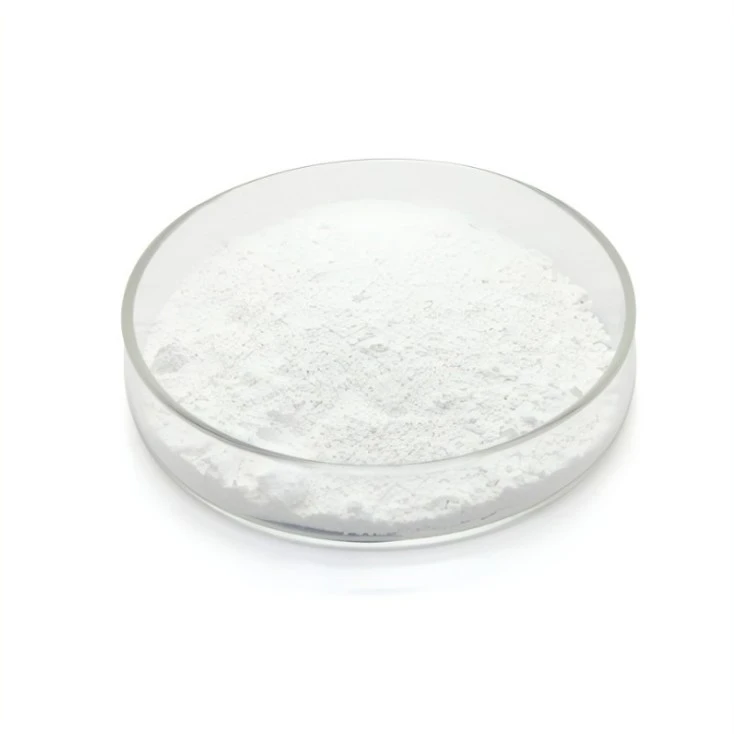
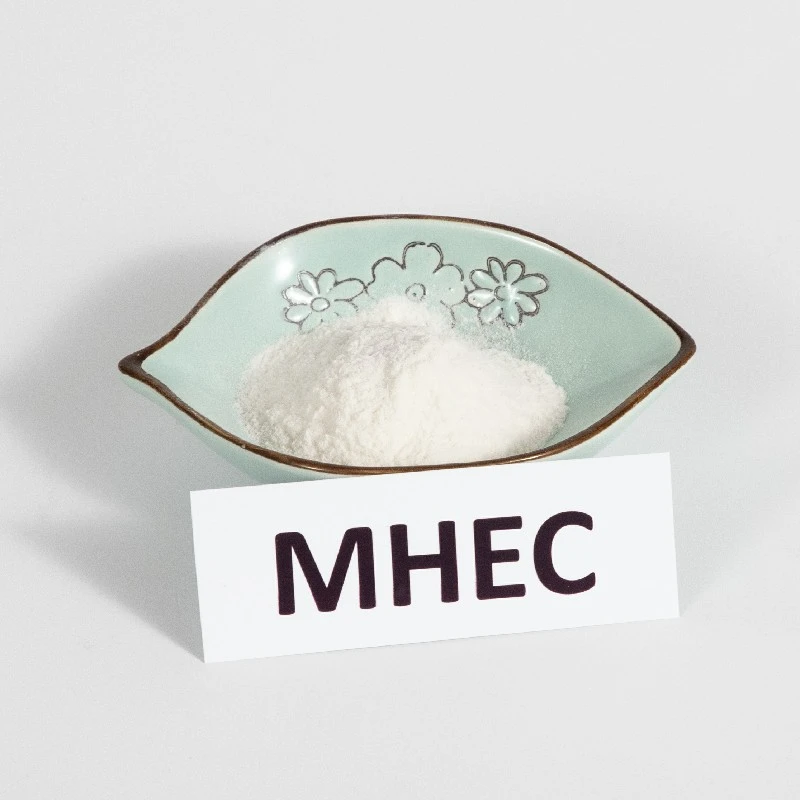
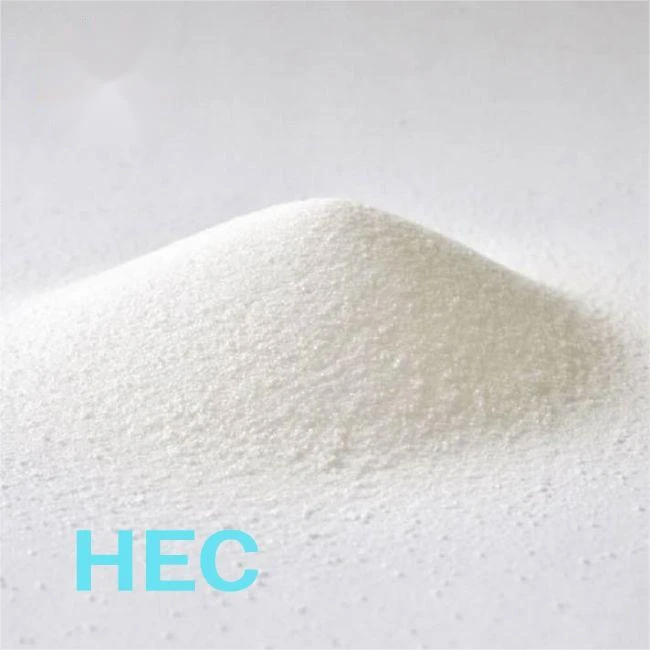
| Appearance | White to off-white powder |
| Solubility | Water soluble |
| Viscosity Range | 8,000 – 2,000,000 cP (1% solution at 25°C) |
| pH Stability Range | pH 5 – 12 |
| Applications | Paints, adhesives, drilling fluids, cosmetics, pharmaceuticals |
In real terms, you'll find hydroxyethyl cellulose celebrated in industries where rheology control is mission-critical. For instance, in oilfield drilling, its use prevents fluid loss and ensures smooth, consistent drilling experience. I recall a project where our client improved their mud formulation dramatically by substituting a traditional thickener with hydroxyethyl cellulose—it wasn’t just about viscosity, but also about environmental compatibility and shear stability.
Now, sourcing this material isn’t always straightforward. There’s a range of vendors offering various grades and purity levels — and that’s where things get interesting. You have to be mindful of batch consistency, particle size distribution, and even minor impurities that can affect downstream processing.
| Vendor | Grade Options | Typical Usage | Lead Time | Price (USD/kg) |
|---|---|---|---|---|
| Pezetech | Standard, Premium, Cosmetic | Industrial fluids, cosmetics, pharmaceuticals | 7-10 days | 3.50 – 4.20 |
| MediChem Corp | Standard, Lab Grade | Pharma, research, cosmetics | 10-14 days | 4.00 – 4.50 |
| CellChem Ltd | Industrial, Cosmetic | Paints, adhesives, construction | 5-7 days | 3.80 – 4.00 |
What I appreciate about Pezetech’s hydroxyethyl cellulose is their balance of quality and flexibility. They offer customized grades that adapt well to different processing conditions, which—believe me—can save hours in formulation optimization. Also, their supply reliability was key during a recent emergency order when another supplier fell short.
If you’re diving into formulations that need a soft touch for viscosity control, without compromising on clarity or compatibility, hydroxyethyl cellulose is arguably one of the best bets. And while the chemistry behind it is well understood, each project demands its own careful evaluation. Kind of like fine-tuning a recipe — different “flavor” depending on use case.
In the end, it feels like no matter how advanced our equipment gets, materials like hydroxyethyl cellulose keep reminding me that the basics—reliable ingredients—matter just as much as the technology we use to deploy them.
References:
- “Hydroxyethyl Cellulose,” Kirk-Othmer Encyclopedia of Chemical Technology, Wiley.
- Industrial Polymer Applications Guide, Cellulose-based Additives, 2023 Edition.
- Pezetech Technical Data Sheets and Customer Support Insights.
-
Top Guide to Selecting Professional vae emulsion manufacturersNewsApr.16,2026
-
Viscosity of HPMCNewsApr.15,2026
-
HPMC Powder UsesNewsApr.15,2026
-
Understanding VAE Emulsion for Modern Industrial CoatingsNewsApr.09,2026
-
Comprehensive Guide to Redispersible Emulsion Powder and its ApplicationsNewsApr.07,2026
-
Comprehensive Guide to Redispersible Latex Powder for Construction ApplicationsNewsApr.04,2026