Hydroxypropyl Methyl Cellulose (HPMC) in Industrial Applications
Why Hydroxypropyl Methyl Cellulose (HPMC) Remains a Staple in Industry
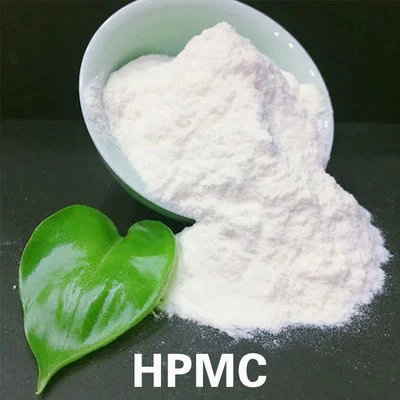
In my two decades dealing with industrial chemicals, few materials have the quiet, steady versatility of hydroxypropyl methyl cellulose, or HPMC, as it’s usually called. This synthetic polymer, derived from cellulose, pops up in everything from tile adhesives to pharmaceuticals. Some may find it a bit unsung – it’s rarely in headlines – but engineers and formulators know it’s indispensable. And frankly, it’s one of those ingredients that just works, again and again.
You might be surprised how often we reach for HPMC in construction. It’s more than just a thickener; it regulates water retention, improves workability of mortars, and quite often helps us dodge cracks or crumbling finishes. Oddly enough, in pharma, the same stuff acts as a controlled-release agent and a binder in tablets. There’s this elegant simplicity in one compound filling so many niches.
Getting Specific: Understanding HPMC Product Specifications
Not all HPMCs are created equal, of course. I remember comparing samples years ago during an application trial—viscosity differences completely changed how the product behaved in mixtures. The right viscosity can mean the difference between a slick, easily spreadable mortar and one that just gums up the works.
| Specification | Typical Range / Value |
|---|---|
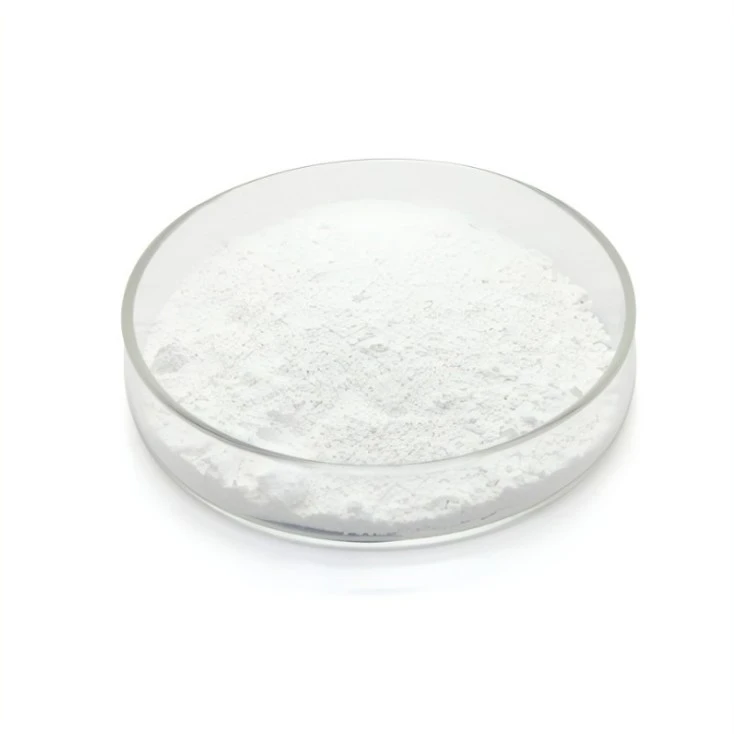
| Appearance | White to off-white powder |
| Methoxy Content (%) | 19.0 – 24.0 |
| Hydroxypropyl Content (%) | 4.0 – 12.0 |
| Viscosity (mPa·s at 2% solution, 20°C) | 100 – 4000 |
| PH (1% solution) | 5.0 – 8.0 |
| Solubility | Cold water soluble |
Viscosity is, in many ways, the headline stat for HPMC because it impacts flow and setting times in formulations. When I first started dealing with tile adhesives, choosing the wrong viscosity type led to batches that set too quickly or were a nightmare to work with. Lesson learned: always match the HPMC grade to your specific application.
Vendor Choices and What Sets Them Apart
One thing I keep hammering on with newcomers is that not all suppliers are the same. I remember a project where we switched from a generic brand to a specialized supplier. The difference in powder fineness and moisture content was night and day. The smoother product gave better homogeneity and, frankly, fewer headaches on site.
| Supplier | Viscosity Range (mPa·s) | Purity (%) | Moisture Content (%) | Notes |
|---|---|---|---|---|
| Pezetech | 100 - 3500 | ≥99.5 | ≤5.0 | Consistent quality, wide product range |
| Supplier B | 150 - 3000 | 98.8 | 6.2 | Budget option, slight purity tradeoff |
| Supplier C | 200 - 4000 | ≥99.0 | 5.5 | Mid-tier pricing with decent quality |
It’s a bit like picking a partner for a dance — you want someone reliable, predictable, and who keeps pace with your needs. When partnering with hydroxypropyl methyl cellulose suppliers, it never hurts to ask about their testing specs, batch consistency, and customer feedback. You’ll thank yourself later when the supply chain doesn’t hiccup mid-project.
Real-World Reflections: When HPMC Saved the Day
I recall a project in a humid environment where the finishing mortars kept drying unevenly and cracking — a nightmare for the contractors and end client alike. By switching to an HPMC grade with improved water retention properties, those persistent cracks nearly vanished. The crew was happier, the finish was smooth, and honestly, it felt like magic that such a subtle tweak made a world of difference.
There’s a certain charm to HPMC’s broad utility — it’s the quiet workhorse behind many success stories, often unnoticed until you realize just how much smoother things run with it in the mix. Plus, it’s reassuring knowing that the same material you trust on a construction site also finds purpose in pharmaceuticals or cosmetics – diversity that few materials match.
For those curious, if you want to retain flexibility in your formulations — whether it’s adhesive, slurry, or pills — I recommend taking a close look at what hydroxypropyl methyl cellulose can bring to the table. It might just surprise you how many roles it can fill.
— Notes from an old industry hand who’s learned to respect the little things that keep big projects moving.
References & Further Reading
- “Cellulose Ethers and Derivatives,” Industrial Chemicals Handbook, 2018.
- “Latest Trends in Construction Admixtures,” Concrete Today Magazine, 2021.
- “Pharmaceutical Applications of HPMC,” Pharma Insights, 2019.
-
Top Guide to Selecting Professional vae emulsion manufacturersNewsApr.16,2026
-
Viscosity of HPMCNewsApr.15,2026
-
HPMC Powder UsesNewsApr.15,2026
-
Understanding VAE Emulsion for Modern Industrial CoatingsNewsApr.09,2026
-
Comprehensive Guide to Redispersible Emulsion Powder and its ApplicationsNewsApr.07,2026
-
Comprehensive Guide to Redispersible Latex Powder for Construction ApplicationsNewsApr.04,2026