Hydroxypropyl Methylcellulose: A Reliable Film Former for Industry
Why Hydroxypropyl Methylcellulose Still Holds Ground in Industry
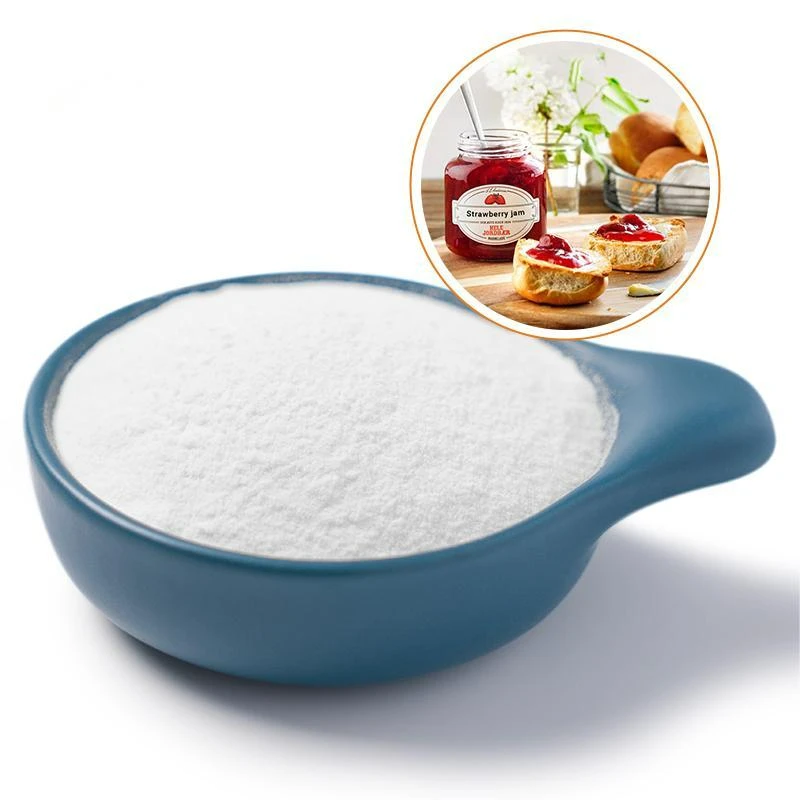
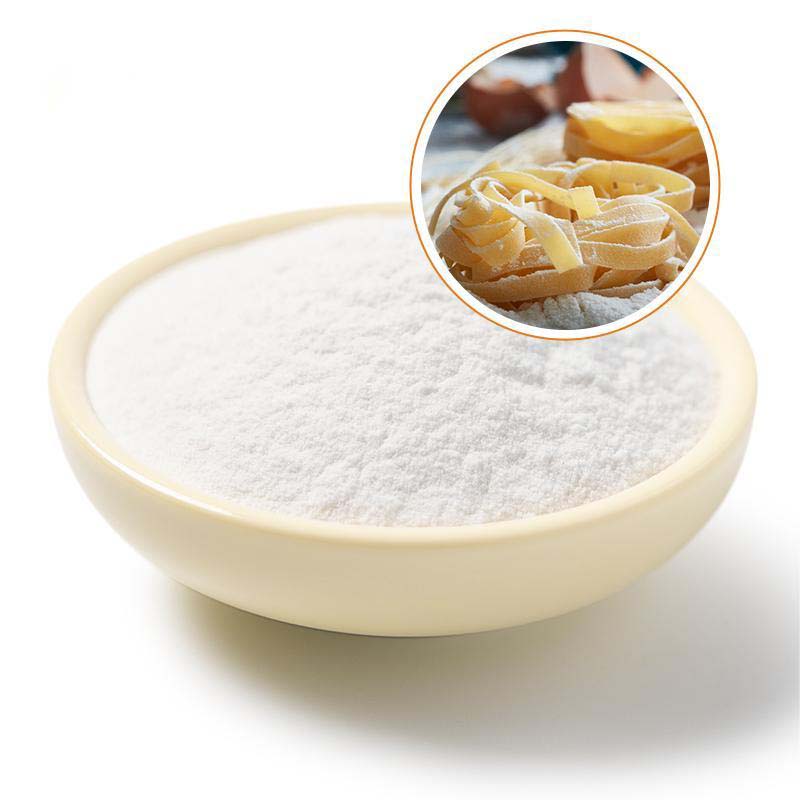
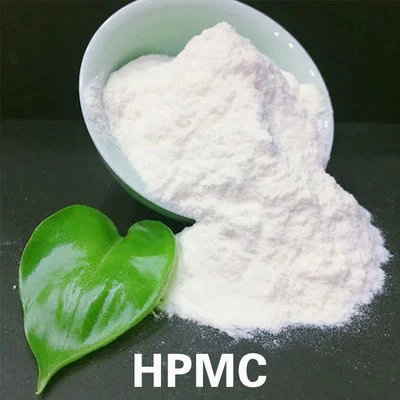
Working in industrial equipment for decades, you get used to certain materials that just keep showing up in projects — no matter what the new shiny stuff is. Hydroxypropyl methylcellulose (HPMC) is one of those guys. It's a versatile polymer that’s commonly appreciated for its film-forming, thickening, and binding abilities. If you’re in manufacturing, mixing chemicals, or even construction, chances are you’ve bumped into it, even if casually.
Oddly enough, when I first started, it all seemed a bit too “chem lab” complicated — a mysterious powder with a handful of impressive claims. Flash forward a few years, and I realized that HPMC is almost like the Swiss Army knife of cellulose ethers. It’s stable, easy to handle, and performs reliably across a variety of systems.
Hydroxypropyl Methylcellulose: Practical Uses and Material Highlights
What surprised me working alongside engineers and chemists is just how adaptable hydroxypropyl methylcellulose is. From cement to pharmaceuticals, paints to food thickening agents, the material properties are what make it a favorite.
Here’s a quick breakdown:
| Property | Value / Range | Notes |
|---|---|---|
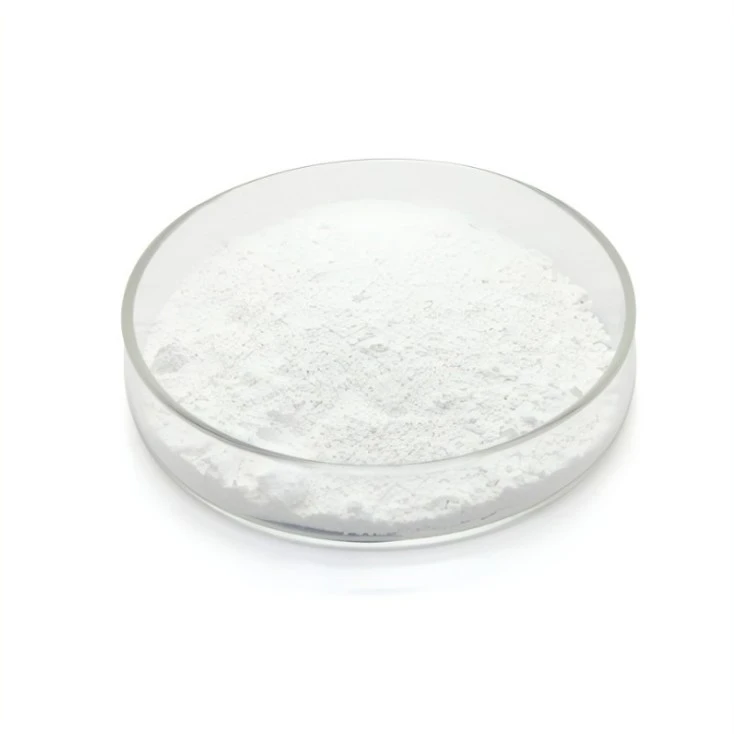
| Appearance | White to off-white powder | Easily dispersible |
| Solubility | Cold water soluble | Forms viscous solutions |
| Viscosity Range | 10–40000 mPa·s | Customizable per grade |
| pH Stability | pH 3 – pH 11 | Maintains structure in varied environments |
| Thermal Gelation | Gel at 75-90°C | Useful for temperature-sensitive processes |
For a lot of folks, the ability to fine-tune viscosity is a big deal — especially in paint production or mortar mixes where flow consistency can make or break a batch. I remember a project where wrong viscosity meant wasted material and delays. We quickly adjusted using a different HPMC grade and were back on schedule. That kind of flexibility is kind of rare.
Choosing Your Hydroxypropyl Methylcellulose Supplier
Picking a vendor isn’t always about price. It’s a judgment call on familiarity with the substance, batch consistency, and overall support. Many engineers say they prefer suppliers who can provide detailed certificates and custom batching options — because at the end of the day, it’s the little things that help you sleep better at night.
| Supplier | Product Range | Customization | Support & Documentation | Typical Pricing |
|---|---|---|---|---|
| Pezetech | Wide (10-40000 mPa·s) | High (Custom grades available) | Comprehensive certificates, excellent tech support | Competitive |
| Supplier A | Medium range | Limited | Basic documentation | Low-cost |
| Supplier B | Narrow band of viscosities | Medium | Good technical guides | Mid-range |
A quick anecdote: One manufacturing plant I visited switched suppliers mid-year. The new grades didn't gel as expected, and the final product quality took a hit — all because the documentation and customization support weren’t up to snuff. It was a frustrating lesson in vendor selection. That's why I always advocate doing your homework and keeping relationships close.
Final Thoughts on Working with HPMC
Hydroxypropyl methylcellulose isn’t flashy. It doesn’t get headlines. But, frankly, it often saves the day. Reliable, adaptable, and well-understood — it’s material that engineers and product developers keep returning to. If you haven’t looked closely at the grades and suppliers available, there’s probably some room to optimize your process — maybe I should say “fine-tune,” but you know what I mean.
And if you’re on the hunt for quality and support, consider what your supplier offers beyond product specs. That’s where I think hydroxypropyl methylcellulose producers can make a real difference.
References & musings:
- Basic product data sheets and grade descriptions for HPMC from multiple manufacturers.
- Field notes from industrial visits and plant case studies involving cellulose ethers.
- Discussions with chemical project managers on viscosity and material handling best practices.
-
Top Guide to Selecting Professional vae emulsion manufacturersNewsApr.16,2026
-
Viscosity of HPMCNewsApr.15,2026
-
HPMC Powder UsesNewsApr.15,2026
-
Understanding VAE Emulsion for Modern Industrial CoatingsNewsApr.09,2026
-
Comprehensive Guide to Redispersible Emulsion Powder and its ApplicationsNewsApr.07,2026
-
Comprehensive Guide to Redispersible Latex Powder for Construction ApplicationsNewsApr.04,2026