Hydroxypropyl Methyl Cellulose Ether | High Purity, Low Ash
Hydroxypropyl Methyl Cellulose Ether is a key solution in the chemical industry industry, specifically within fine chemicals and cellulose ether. This article explores how Pengze Technology (Shijiazhuang) Co., Ltd. supports professionals with durable, high-performance products, and explains why this product is an ideal choice for businesses in these sectors.
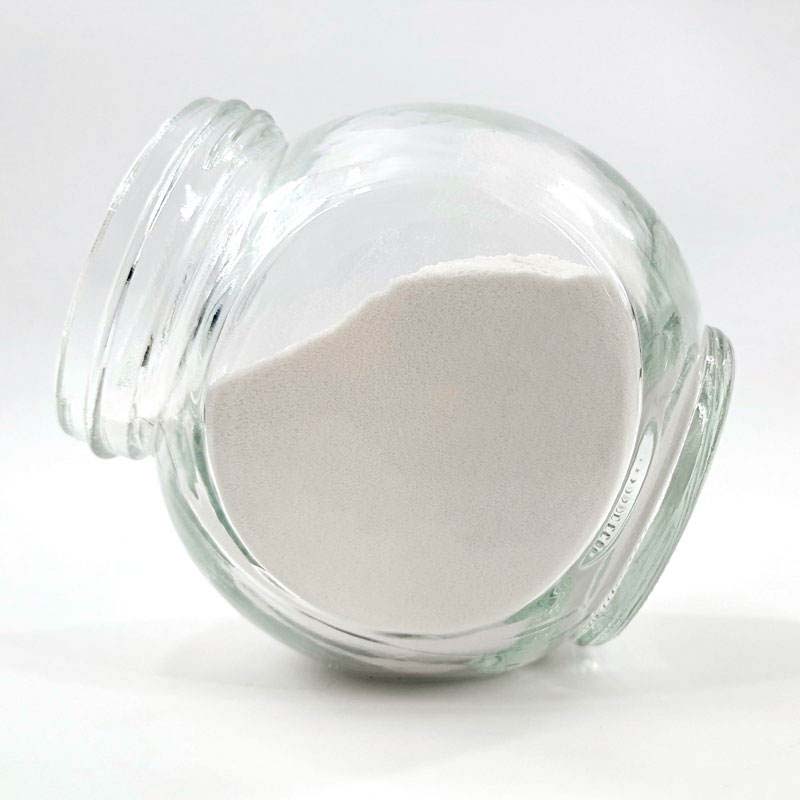
Table of Contents
- Hydroxypropyl Methyl Cellulose Ether Overview
- Benefits & Use Cases of Hydroxypropyl Methyl Cellulose Ether in cellulose ether
- Cost, Maintenance & User Experience
- Sustainability & Market Trends in chemical industry
- Conclusion on Hydroxypropyl Methyl Cellulose Ether from Pengze Technology (Shijiazhuang) Co., Ltd.
Hydroxypropyl Methyl Cellulose Ether Overview
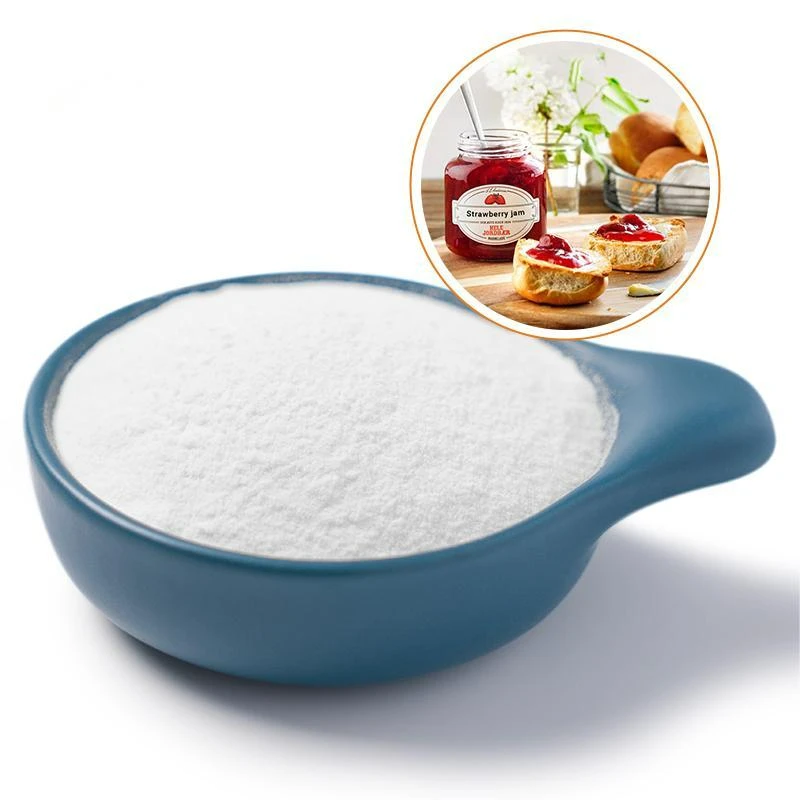
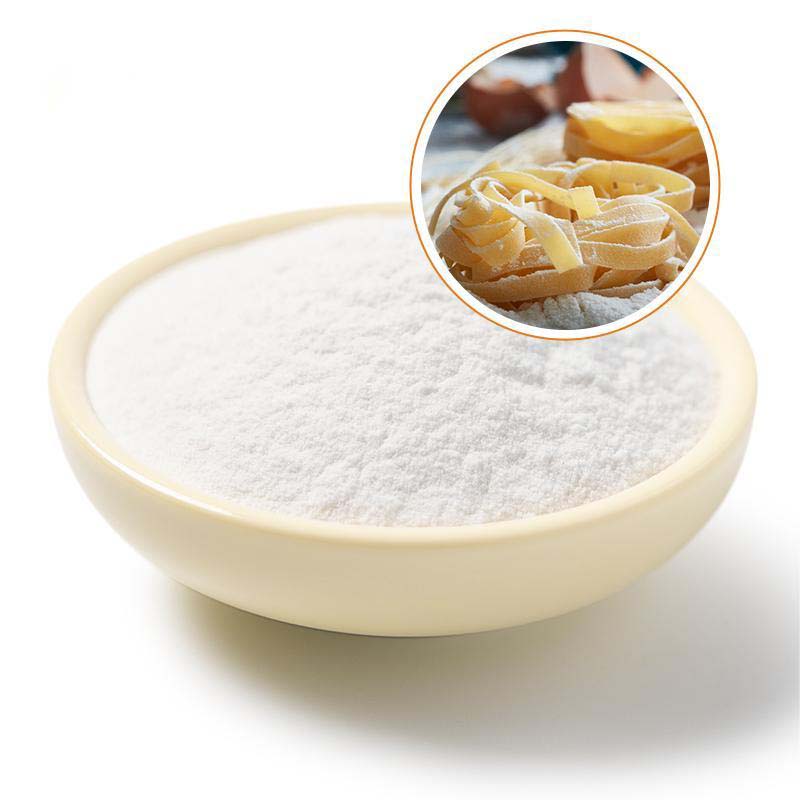
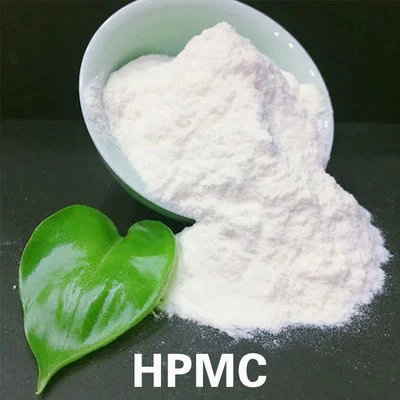
Hydroxypropyl Methyl Cellulose Ether (often referred to as hydroxypropyl methylcellulose, hydroxypropyl methyl cellulose HPMC, or simply HPMC) is a multifunctional cellulose ether widely used as a thickener, water-retention agent, film former, and rheology modifier across construction chemicals and other fine chemical formulations. In cementitious and gypsum systems, the polymer’s substitution degree and balanced methoxyl/hydroxypropoxyl content deliver predictable viscosity build, excellent pseudoplastic flow, and controlled open time—key factors for process consistency and end-user performance.
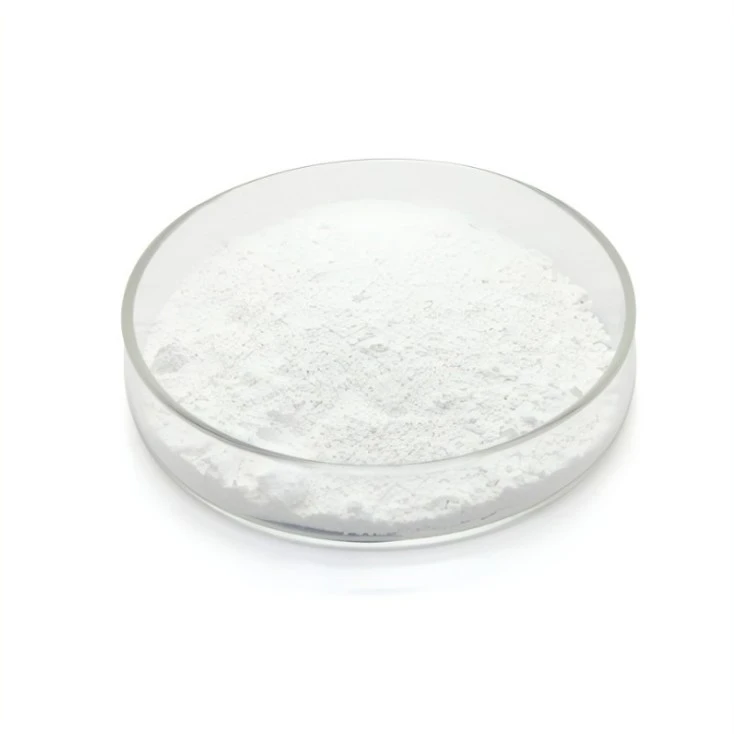
Technically, HPMC is supplied as a free-flowing, white to off‑white powder with moisture and ash controlled to tight limits. Typical industrial grades cover a broad viscosity spectrum (e.g., low- to very-high-viscosity Brookfield levels), surface-treated and non-treated types for different dissolution profiles, and tuned particle sizes for rapid wet-out with minimal lumping. In a representative drymix mortar case, switching to a properly selected hydroxypropyl methylcellulose HPMC grade can improve anti-sag and extend open time, reducing jobsite rework while keeping trowelability consistent from batch to batch. Pengze Technology (Shijiazhuang) Co., Ltd. supports this with stable supply, application know-how, and dependable quality control so B2B buyers can scale formulations confidently.
Benefits & Use Cases of Hydroxypropyl Methyl Cellulose Ether in cellulose ether
In the cellulose ether portfolio, HPMC is the workhorse for modern drymix systems: tile adhesives (C1–C2), EIFS/ETICS adhesives and basecoats, skim coats/wall putty, self-leveling underlayments, repair mortars, and gypsum plasters. As a hydroxypropyl methylcellulose HPMC powder, it disperses uniformly into dry blends and hydrates during mixing, delivering high water retention for complete cement hydration, consistent open time for tile setting, and improved cohesiveness that limits slippage and sag. Its thermal gelation behavior (hydroxypropyl methylcellulose gel formation upon heating) contributes to excellent anti-sag and edge stability in cement-based adhesives.
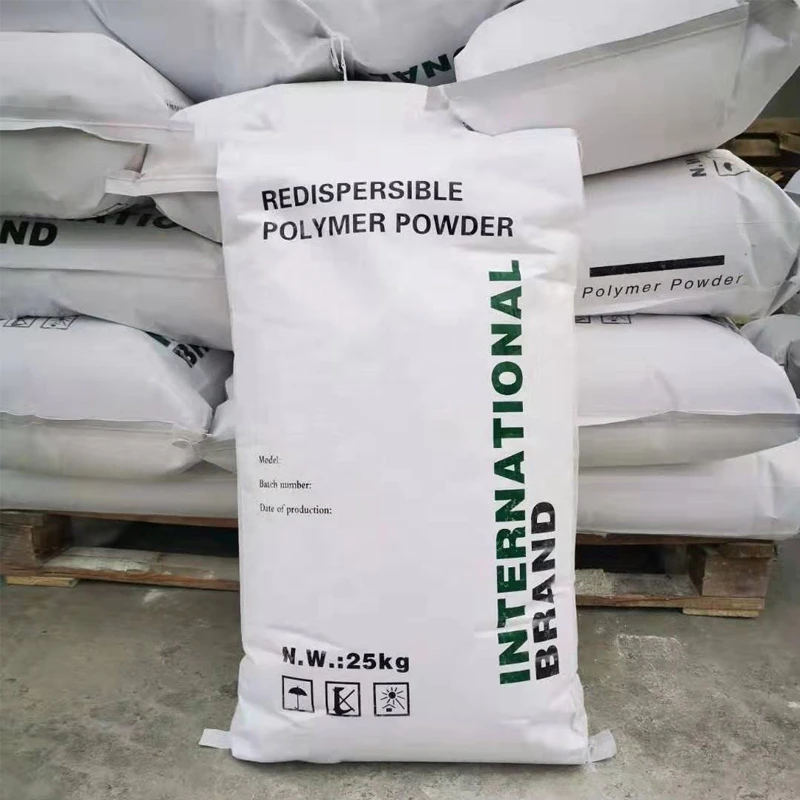
Competitive advantages for formulators include tight viscosity tolerance, clean dissolution with low fisheyes, and predictable workability across temperature swings. Surface-treated grades enable delayed solubility, allowing fast wet-out in high-shear mixers and minimizing lump formation at scale. HPMC also pairs well with redispersible powders and performance additives, enabling targeted profiles for thixotropy, slip resistance, and finish. Leveraging Pengze Technology (Shijiazhuang) Co., Ltd.’s expertise, buyers can match grades to application goals—whether superior sag resistance for large-format tiles, creamy hand-feel for gypsum plasters, or flow/leveling control for SLUs—while maintaining stable processing windows and robust field performance.
Cost, Maintenance & User Experience
Total cost of ownership for Hydroxypropyl Methyl Cellulose Ether hinges on dosage efficiency, production throughput, and field reliability. Because HPMC works at low addition levels in drymix systems, small formulation adjustments can yield measurable gains in anti-sag, open time, and water retention—reducing callbacks and rework costs. Supply stability and consistent viscosity reduce blending variability, preventing re-qualification cycles and excess inventory. In practice, users report smoother mixing profiles, improved pumpability, and more forgiving trowelability, which collectively improves crew productivity and jobsite consistency.
Maintenance is straightforward: store hydroxypropyl methylcellulose HPMC powder in dry conditions, protect from moisture, and use standard dust-control measures. Surface-treated options help minimize lumping, reducing mixer downtime. Pengze Technology (Shijiazhuang) Co., Ltd. supports B2B customers with grade selection guidance, sample matching, and documentation to streamline scale-up. In the fine chemicals sector, decision makers often weigh ROI against risk; choosing a reliable HPMC partner helps lock in predictable plant performance and fewer field complaints, sustaining margins even when raw-material markets are volatile.
Sustainability & Market Trends in chemical industry
Sustainability is reshaping the cellulose ether landscape. As a cellulose-derived polymer, Hydroxypropyl Methyl Cellulose Ether supports low-VOC, waterborne formulations that align with green building preferences and evolving regulatory expectations in key markets. In construction chemicals, enhanced water retention and open time decrease jobsite waste, while solvent-free processing and careful dust management advance EHS goals. Global buyers also value transparent sourcing, responsible manufacturing practices, and product stewardship to support compliance in regions where frameworks like REACH and regional VOC directives guide market access.
Market-wise, demand is rising for high-consistency grades tailored to challenging substrates, large-format tiles, and rapid installation cycles. Digitalization in QC, tighter viscosity windows, and robust technical support are now differentiators. Pengze Technology (Shijiazhuang) Co., Ltd. positions itself as forward-thinking and eco-conscious—prioritizing stable quality, application support, and responsive logistics—so B2B decision makers can meet sustainability commitments without compromising performance. Whether your brief emphasizes life-cycle considerations, field durability, or compliance-ready documentation, partnering with a focused cellulose ether supplier simplifies execution and accelerates time to market.
Conclusion on Hydroxypropyl Methyl Cellulose Ether from Pengze Technology (Shijiazhuang) Co., Ltd.
In the chemical industry’s fine chemicals segment, Hydroxypropyl Methyl Cellulose Ether stands out as a reliable, high-value cellulose ether for construction and specialty formulations. It delivers water retention, rheology control, and film-forming benefits that translate into measurable productivity and quality gains. With Pengze Technology (Shijiazhuang) Co., Ltd., B2B buyers gain a dependable partner focused on consistency, technical fit, and responsive service.
- Contact us: email: ben@pezetech.com
- Visit our website: https://www.pezetech.com
-
Top Guide to Selecting Professional vae emulsion manufacturersNewsApr.16,2026
-
Viscosity of HPMCNewsApr.15,2026
-
HPMC Powder UsesNewsApr.15,2026
-
Understanding VAE Emulsion for Modern Industrial CoatingsNewsApr.09,2026
-
Comprehensive Guide to Redispersible Emulsion Powder and its ApplicationsNewsApr.07,2026
-
Comprehensive Guide to Redispersible Latex Powder for Construction ApplicationsNewsApr.04,2026