Hydroxypropyl Methylcellulose K4M: Ultimate Guide to Uses, Benefits & Suppliers
Understanding Hydroxypropyl Methylcellulose K4M: What It Is and Why It Matters
Hydroxypropyl methylcellulose K4M (often shortened to HPMC K4M) might not be a household name, but it quietly powers a lot of everyday products and industrial processes globally. It’s a cellulose-based polymer with versatile abilities—from thickening and stabilizing to forming films—making it indispensable across pharmaceuticals, cosmetics, construction, and even food industries. As sustainability and performance demands rise worldwide, grasping what HPMC K4M offers is kind of essential for manufacturers and innovators alike.
In practical terms, HPMC K4M enhances product texture, controls viscosity, and improves durability—key benefits that touch millions of consumers daily, often without them even knowing it. Plus, the global push towards environmentally friendly, non-toxic materials makes like this polymer increasingly relevant.
The Global Context: Why Hydroxypropyl Methylcellulose K4M is Gaining Traction
Around the world, industries are pivoting to safer, sustainable additives, and HPMC K4M fits right in. According to recent ISO standards on cellulose ethers, demand for cellulose-derived polymers is expected to grow by almost 6% annually over the next five years. What drives this? Think stricter safety regulations, better biodegradability, and adaptable chemical properties.
From construction sectors in Asia aiming to boost eco-friendly cement formulations to pharmaceutical giants in Europe working on controlled drug release, hydroxypropyl methylcellulose k4m addresses several challenges at once: consistency, cost-effectiveness, and environmental compliance. It’s a little marvel amid expanding resource constraints and regulatory pressures.
So, What Exactly Is Hydroxypropyl Methylcellulose K4M?
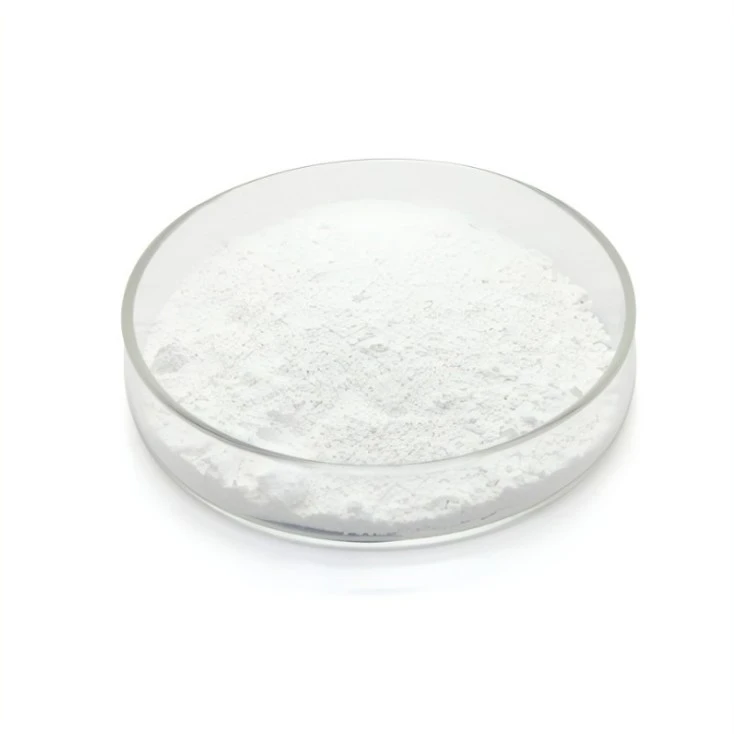
Put simply, hydroxypropyl methylcellulose K4M is a modified cellulose polymer—chemically treated to improve solubility and thickening properties. It’s derived from plant cellulose (usually wood pulp or cotton), making it a renewable resource. The “K4M” tag indicates a specific viscosity grade, with the ‘K’ series generally used in food and pharmaceuticals for its stability and gel-forming abilities.
In layperson terms, it acts like a reliable thickener and binder. You might find it in tablet coatings, paint formulations, or even gluten-free bakery items. It’s also odorless, tasteless, and non-toxic. That’s why industries love it: expertise meets benign environmental footprint.
Mini takeaway:
HPMC K4M is a versatile, plant-based polymer uniquely poised to balance performance and eco-friendliness.
Key Properties Driving Industry Use
1. Viscosity & Film Forming
Hydroxypropyl methylcellulose K4M offers excellent thickening at low concentrations and forms clear, flexible films. This is why it’s popular in pharmaceuticals for coating tablets and in construction for improving mortar adhesion.
2. Water Retention & Solubility
It holds water effectively, which supports continuous curing in cement mixtures and enhances moisturizing elements in cosmetics.
3. Thermal Stability
It withstands moderate heat without breaking down—key for manufacturing processes and product shelf life.
4. Non-Toxic & Biodegradable
Because it’s cellulose-based, it naturally biodegrades and passes safety tests for ingestion and topical use, aligning with tightening environmental regulations.
5. Compatibility & Versatility
HPMC K4M is chemically neutral, so it mixes well with other additives, allowing tailored formulations across industries.
Mini takeaway:
These combined traits let HPMC K4M deliver practical, measurable advantages across multiple industrial applications.
Applications Worldwide: Where Hydroxypropyl Methylcellulose K4M Makes a Difference
From North America’s booming pharmaceutical scene to Asia’s rapid urban infrastructure, hydroxypropyl methylcellulose K4M is everywhere.
- Pharmaceuticals: Tablet film coatings improve drug stability and release profiles, ensuring effectiveness and patient compliance.
- Construction: Used in tile adhesives and mortars to prevent cracking and to enhance workability.
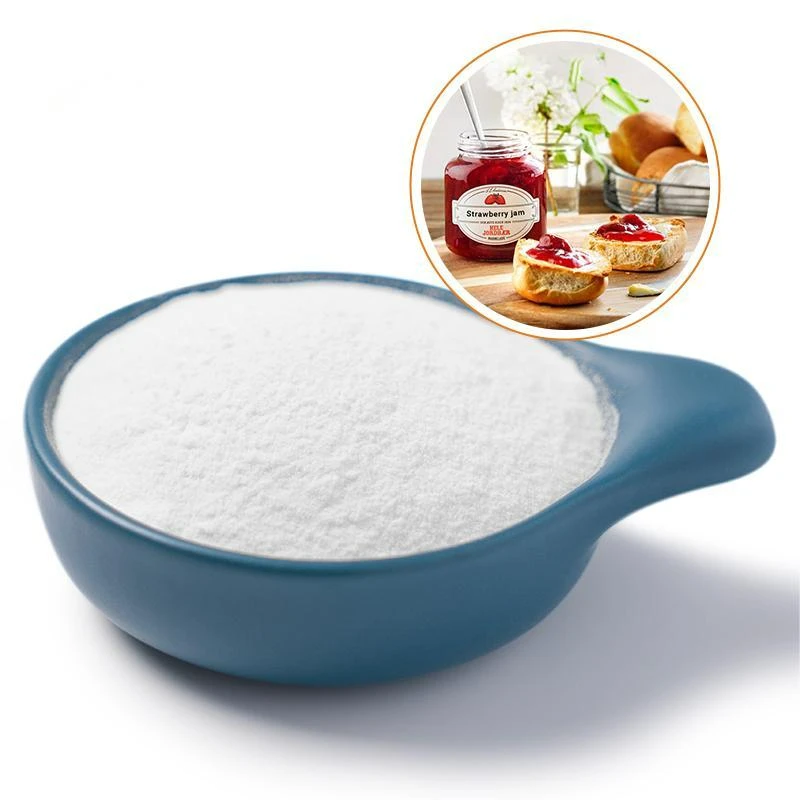
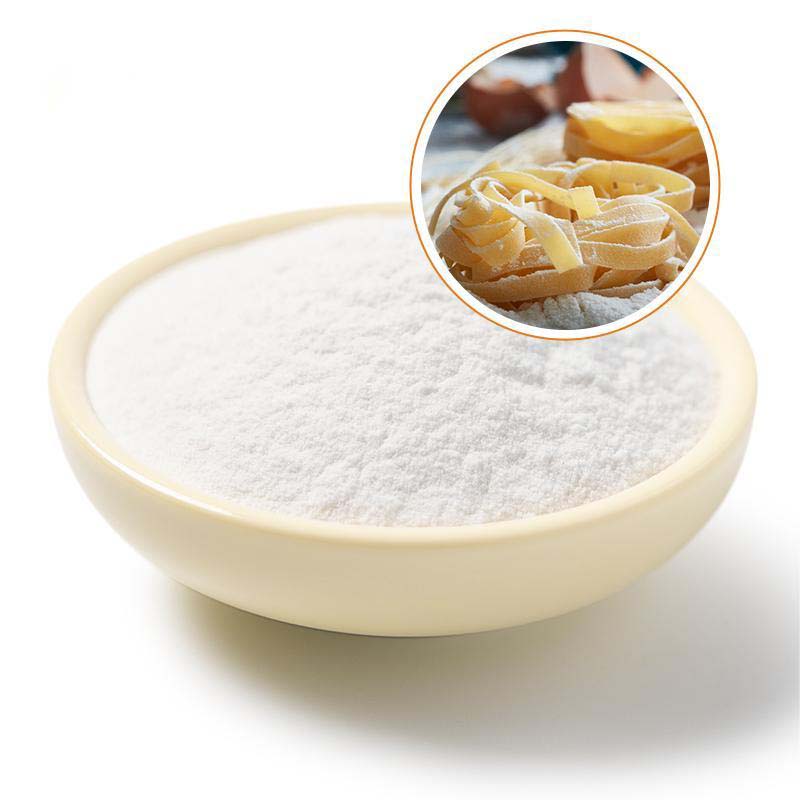
- Food Industry: Acts as a thickener or emulsifier in gluten-free baking and dairy alternatives.
- Cosmetics: Provides texture buildup and moisture retention for lotions, shampoos, and creams.
- Oil & Gas: Sometimes used in drilling fluids for lubrication and viscosity control.
For example, in post-disaster construction efforts in Southeast Asia, HPMC K4M-enhanced mortars mean quicker, more resilient temporary housing—a win for humanitarian agencies and communities.
Mini takeaway:
Its broad usability across sectors and regions makes HPMC K4M a go-to additive for sustainable product development.
Advantages & Long-Term Value: More Than Just a Thickener
Using hydroxypropyl methylcellulose K4M is often more than a technical choice; it’s a strategic one. The immediate benefits? Reliable product performance and cost-effective formulation. Long-term? Sustainability and regulatory alignment. That mix supports trust and brand reputation.
There’s also an emotional layer—knowing products are safer and environmentally sound offers peace of mind not just to companies but also end consumers. It’s innovation paired with responsibility. And frankly, in today’s market, that emotional currency counts.
| Property | Value | Unit |
|---|---|---|
| Viscosity (2% w/w solution) | 4000 | mPa·s |
| pH (2% w/w solution) | 5.0 – 8.0 | – |
| Methoxy Content | 19 – 24 | % |
| Hydroxypropyl Content | 4 – 12 | % |
Comparing Major Suppliers of Hydroxypropyl Methylcellulose K4M
| Supplier | Global Reach | Typical MOQ | Price Range (per kg) | Sustainability Certifications |
|---|---|---|---|---|
| Supplier A | North America, Europe | 500 kg | $8 - $12 | ISO 14001, FDA |
| Supplier B | Asia, Europe | 1000 kg | $7.5 - $11 | REACH, FDA |
| Supplier C | Global | 200 kg | $9 - $13 | ISO 9001, ECOCERT |
The Road Ahead: Innovations and Trends in Hydroxypropyl Methylcellulose K4M
As with many polymers, the future of hydroxypropyl methylcellulose K4M looks driven by sustainability and enhanced functionality. New formulations focus on lowering energy use during processing and increasing compatibility with bio-based additives — which is great news if you care about carbon footprints.
Meanwhile, automation and digital quality controls are improving consistency batch-to-batch, a boon for pharmaceutical and food-grade products.
Oddly enough, researchers are even exploring smart film coatings using HPMC K4M blends that can respond to environmental triggers—think temperature or moisture-sensitive medicines that adjust release rates for better healing outcomes.
Facing Challenges: What Limits Hydroxypropyl Methylcellulose K4M? Solutions Are Emerging
There are a few tradeoffs, naturally. For one, HPMC K4M’s cost can be higher than some synthetic polymers, especially when sourced sustainably. Also, sensitivity to extreme pH or temperature beyond moderate ranges can limit its use in specialized chemical processes.
Innovative tweaks in chemical modification and hybrid blends counter these limitations. For instance, combining HPMC K4M with other cellulose derivatives can enhance pH tolerance and thermal stability. This ongoing R&D means industries need to keep an eye out for upgraded grades that better fit their unique needs.
FAQ: Answers to Common Questions About Hydroxypropyl Methylcellulose K4M
- What industries benefit most from hydroxypropyl methylcellulose k4m?
- Pharmaceuticals, construction, food, and cosmetics are the primary industries using HPMC K4M for its thickening, film-forming, and water retention capabilities.
- Is hydroxypropyl methylcellulose K4M safe for food and pharma use?
- Yes, it's generally recognized as safe (GRAS) by FDA and complies with various international standards, making it suitable for food additives and drug coatings.
- Can hydroxypropyl methylcellulose K4M improve the shelf life of products?
- By forming protective films and controlling moisture, HPMC K4M can help enhance product stability and shelf life, especially in tablets and cosmetics.
- How environmentally friendly is hydroxypropyl methylcellulose K4M?
- Being cellulose-derived, it's biodegradable and less harmful than many synthetic polymers, aligning with green chemistry principles.
- Where can I purchase reliable HPMC K4M suppliers globally?
- Several suppliers serve global markets — see the above comparison table for typical options, or visit hydroxypropyl methylcellulose k4m for vetted, quality sources.
Wrapping It Up: Why Hydroxypropyl Methylcellulose K4M Deserves Your Attention
Hydroxypropyl methylcellulose K4M is a quietly powerful material that blends performance, safety, and sustainability. Whether you’re deploying it in the next generation of pharmaceuticals, pushing green building materials, or innovating in food tech, it brings proven value. And with emerging technologies enhancing its function and reducing environmental impact, the future looks bright.
If you want to explore more or source premium grades, check out hydroxypropyl methylcellulose k4m. It’s always worth giving this versatile additive a closer look—it might just solve your next big challenge.
References
- Wikipedia: Hydroxypropyl methylcellulose
- ISO Standards on Cellulose Ethers
- EU Scientific Report on cellulose ethers
-
Top Guide to Selecting Professional vae emulsion manufacturersNewsApr.16,2026
-
Viscosity of HPMCNewsApr.15,2026
-
HPMC Powder UsesNewsApr.15,2026
-
Understanding VAE Emulsion for Modern Industrial CoatingsNewsApr.09,2026
-
Comprehensive Guide to Redispersible Emulsion Powder and its ApplicationsNewsApr.07,2026
-
Comprehensive Guide to Redispersible Latex Powder for Construction ApplicationsNewsApr.04,2026