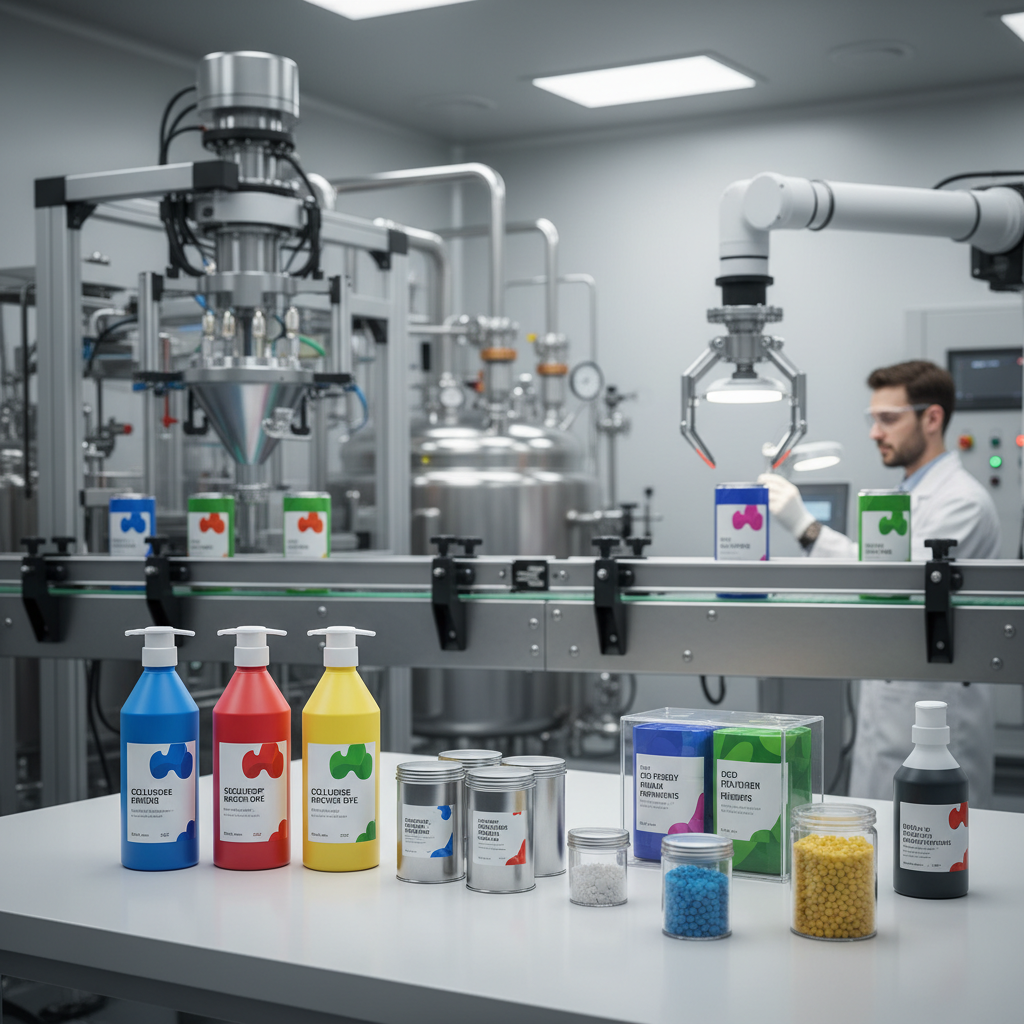
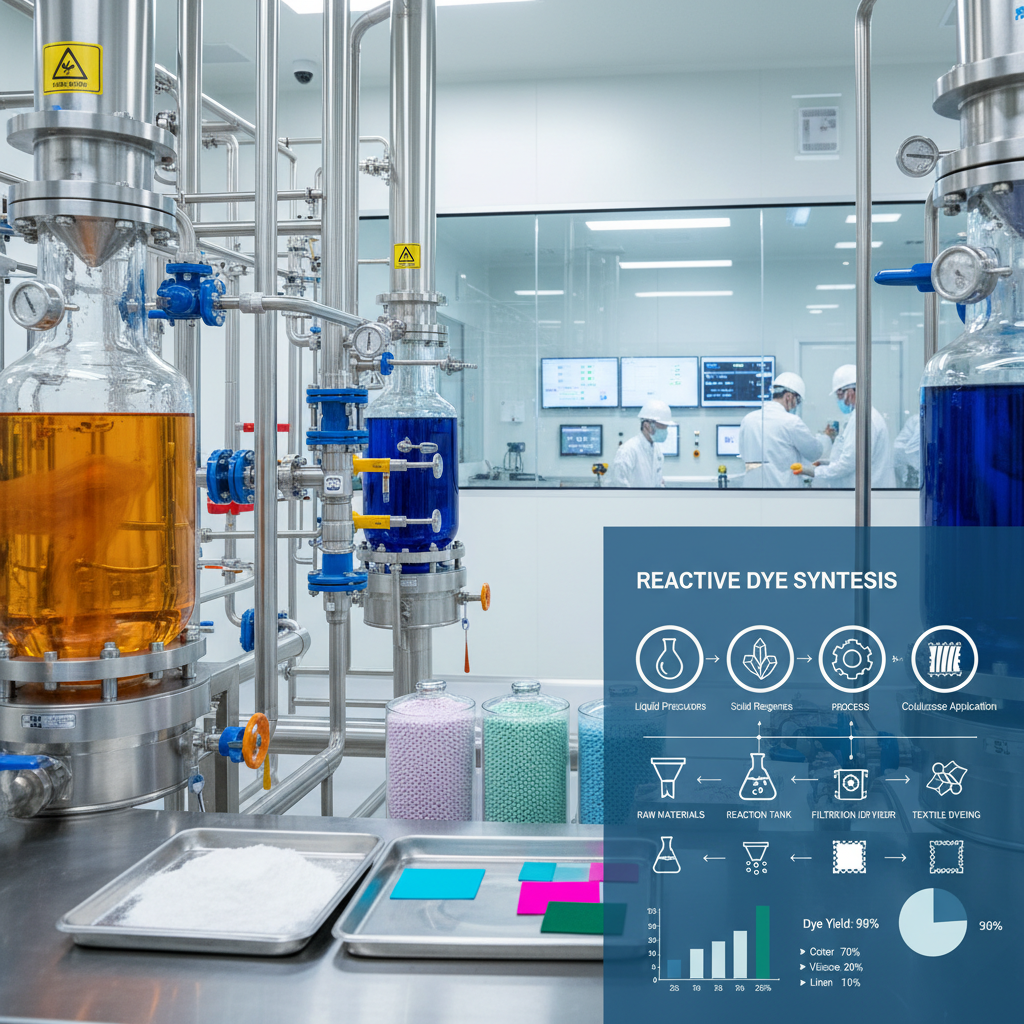
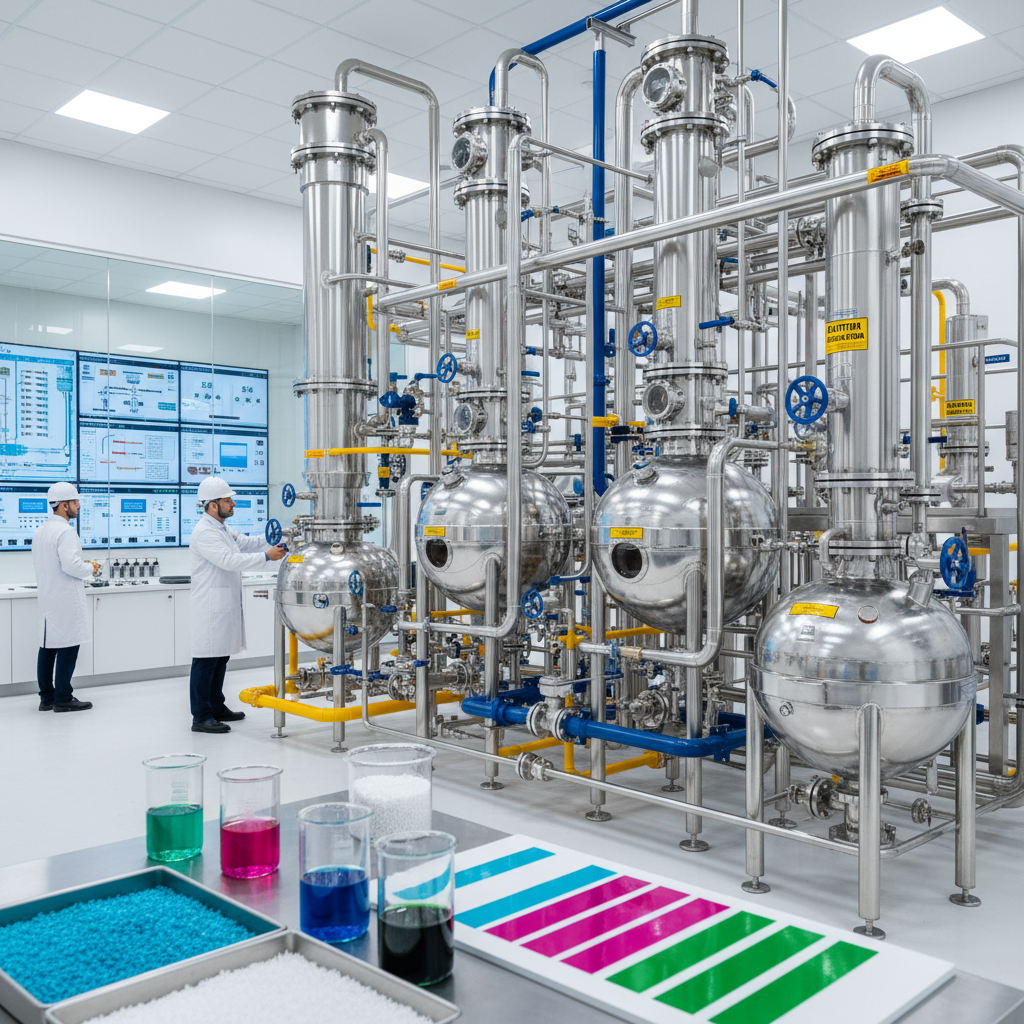
The textile and chemical industries have undergone a massive transformation with the advent of high-performance coloring agents, and a prime reactive dye example illustrates the perfect synergy between molecular chemistry and industrial application. Unlike traditional dyes that merely coat the fiber, these specialized agents form a covalent bond with the substrate, ensuring that colors remain vibrant even after hundreds of wash cycles. This molecular integration is what makes modern apparel, home textiles, and industrial fabrics durable and aesthetically consistent across global markets.
Understanding the mechanics behind a reactive dye example is crucial for manufacturers aiming to balance color intensity with environmental sustainability. As global regulations like REACH and OEKO-TEX become more stringent, the industry is shifting toward dyes that require less water and salt during the fixation process. By optimizing the chemical interaction between the dye and the cellulose fiber, producers can significantly reduce the effluent load, addressing one of the most pressing ecological challenges in the chemical manufacturing sector.
Furthermore, the integration of thickeners such as CMC (Carboxymethyl Cellulose) and HPMC (Hydroxypropyl Methyl Cellulose) plays a pivotal role in the application of these dyes. Whether through screen printing or exhaust dyeing, the rheological properties provided by these cellulose ethers ensure that the reactive dye example is distributed evenly across the fabric. This synergy between the coloring agent and the chemical additives determines the final quality, hand-feel, and longevity of the textile product.
Global Industry Context of Reactive Dyes
The global demand for high-fastness coloring agents has surged as the fast-fashion and technical textile industries expand. A typical reactive dye example shows how chemical innovation allows for the mass production of vibrant hues that meet international ISO standards for colorfastness. With the textile market projected to grow steadily, the reliance on specialized chemicals that can bond with cotton and viscose has become a cornerstone of industrial manufacturing in Asia and Europe.
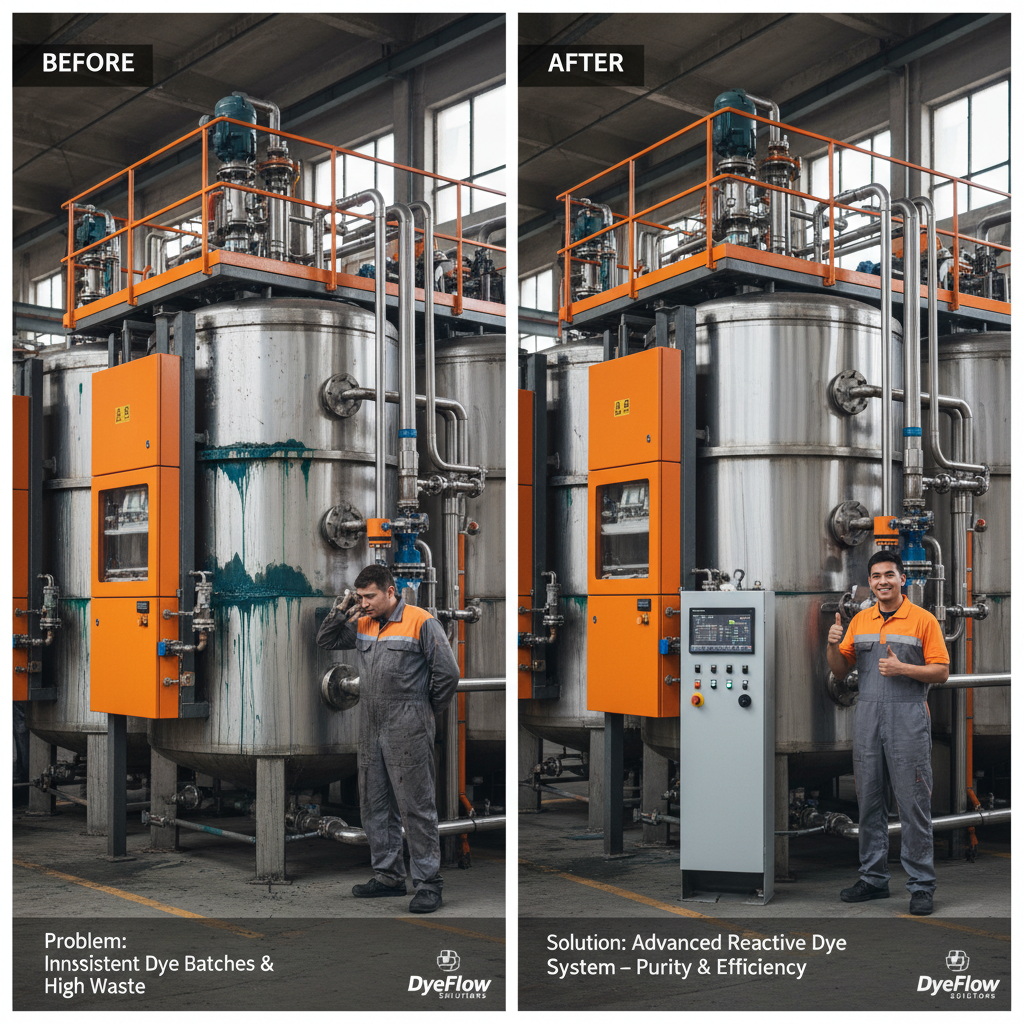
However, the industry faces a critical challenge: water pollution. Traditional dyeing processes are notorious for their heavy water consumption and the release of unfixed dyes into waterways. This has led to a global push for "low-salt" and "high-fixation" reactive dyes. By refining the molecular structure of the dye, manufacturers are now able to achieve higher exhaustion rates, meaning more dye ends up on the fabric and less ends up in the wastewater, aligning with UN Sustainable Development Goals regarding clean water and sanitation.
Defining the Reactive Dye Mechanism
At its most basic level, a reactive dye example refers to a class of dyes that contain a reactive group capable of forming a covalent bond with the hydroxyl groups of cellulose fibers. Unlike direct dyes, which rely on physical attraction or hydrogen bonding, reactive dyes become part of the fiber itself. This chemical marriage is what results in exceptional wash-fastness, as the dye cannot be easily displaced from the fiber structure.
The process generally occurs in two stages: the exhaustion phase, where the dye moves from the liquor to the fiber, and the fixation phase, where an alkali is added to trigger the reaction. This reaction—often a nucleophilic substitution or addition—locks the chromophore into the cellulose chain. For engineers in the fine chemicals sector, mastering this timing and pH balance is the key to avoiding "spotting" and ensuring a level shade across the entire textile batch.
In a broader humanitarian and industrial sense, the ability to produce safe, non-leaching colors is vital for medical textiles and children's wear. By utilizing a stable reactive dye example, manufacturers can guarantee that harmful chemicals do not migrate from the fabric to the skin, thereby enhancing consumer safety and adhering to global health standards.
Core Components for Dye Fixation
The efficiency of any reactive dye example is heavily dependent on the quality of the auxiliary chemicals used. One of the most critical components is the thickener, such as CMC or HPMC. These cellulose ethers control the viscosity of the printing paste, preventing the dye from bleeding into adjacent areas and ensuring sharp, high-definition patterns on the fabric.
Moreover, the use of electrolytes, specifically salts, is essential to overcome the negative charge of the cellulose fiber. This allows the reactive dye example to approach the fiber closely enough for the covalent bond to form. Without precise salt concentration, the dye would remain suspended in the water, leading to poor color yield and massive waste.
Finally, the alkalinity provided by soda ash or caustic soda serves as the catalyst. This alkaline environment activates the cellulose hydroxyl groups, making them reactive enough to attack the dye molecule. The balance between the thickener, the salt, and the alkali determines whether the final product is a premium luxury garment or a low-grade textile with poor durability.
Performance Metrics in Textile Applications
Evaluating a reactive dye example requires looking at several quantitative metrics, including the exhaustion rate, the fixation rate, and the overall color strength. In an industrial setting, the "fixation rate" is the most critical KPI, as it directly impacts both the cost of raw materials and the cost of effluent treatment. A high fixation rate ensures that the majority of the expensive dye is utilized effectively.
Beyond chemical efficiency, the physical performance of the dyed fabric—such as rubbing fastness (crocking) and light fastness—is analyzed. Using a standardized grading scale, technicians can determine if a specific reactive dye example is suitable for outdoor apparel or indoor upholstery, ensuring the product meets the customer's expectations for longevity.
Comparative Performance of Reactive Dye Examples
Global Use Cases and Market Reach
The application of a reactive dye example spans across diverse sectors. In the high-end fashion industry of Italy and France, these dyes are used to create deep, saturated colors on Egyptian cotton, where the precision of the shade is paramount. In contrast, in the mass-market hubs of Bangladesh and Vietnam, the focus is on the cost-efficiency and scalability of the dyeing process to meet the demands of global retail giants.
Beyond apparel, these dyes are increasingly used in specialized technical textiles. For instance, in the production of medical gauze and surgical drapes, a specific reactive dye example is chosen for its biocompatibility and resistance to sterilization processes. Whether it is a brightly colored sports jersey or a sterile hospital linen, the covalent bonding mechanism ensures the color does not bleed or fade under stress.
Sustainable Advantages and Long-Term Value
The primary value of utilizing a modern reactive dye example lies in its ability to provide a permanent color solution. By reducing the need for frequent replacements of faded textiles, these dyes contribute to a reduction in overall landfill waste. The logical angle here is clear: higher initial quality leads to a longer product lifecycle, which is the essence of sustainable consumption.
From an emotional perspective, the trust consumers place in a brand is often tied to the perceived quality of the product. A garment that maintains its hue after years of wear evokes a sense of reliability and value. For the manufacturer, investing in premium reactive dyes and high-quality thickeners like PVA or RDP-VAE (for blended fabrics) builds a reputation for excellence and innovation.
Additionally, the shift toward bio-based reactive dyes—derived from renewable resources—is adding a new layer of social impact. By reducing the reliance on petrochemical precursors, the industry can lower its carbon footprint. This transition not only satisfies the regulatory requirements of the European Union but also appeals to the growing demographic of eco-conscious consumers worldwide.
Future Trends in Chemical Coloring
The future of the reactive dye example is being shaped by digital transformation. Digital inkjet printing on textiles is replacing traditional screen printing, requiring dyes with extremely low viscosity and high purity to prevent nozzle clogging. This evolution demands a new generation of reactive dyes that can cure rapidly under UV light or low-temperature steam, further reducing energy consumption.
Automation and AI are also entering the dye-house. Smart sensors can now monitor the pH and salt concentration in real-time, adjusting the dosage of auxiliaries to ensure that every reactive dye example achieves the maximum possible fixation. This "precision dyeing" minimizes human error and ensures a consistent "Right-First-Time" (RFT) rate, which is a critical goal for operational efficiency.
Finally, the development of "intelligent textiles" is opening new doors. We are seeing the emergence of reactive dyes that respond to external stimuli, such as temperature or light. These photochromic or thermochromic examples of reactive dyes could revolutionize the safety apparel industry, allowing fabrics to change color in the presence of hazardous gases or extreme heat, thereby saving lives in industrial zones.
Technical Analysis of Reactive Dye Application Variants
| Dye Variant Type |
Fixation Rate (%) |
Water Usage Level |
Primary Application |
| Standard Vinyl Sulfone |
60-70% |
High |
General Apparel |
| Bifunctional Reactive |
80-90% |
Medium |
Premium Home Textiles |
| Low-Salt Specialized |
75-85% |
Low |
Eco-friendly Lines |
| Cold-Brand Reactive |
65-75% |
Medium |
Delicate Fabrics |
| High-Exhaustion Type |
85-95% |
Low |
Industrial Uniforms |
| Digital Ink Reactive |
90-98% |
Very Low |
Digital Printing |
FAQS
The primary difference lies in the chemical bond. A direct dye relies on physical attraction and hydrogen bonds, which are easily broken by water and soap, leading to fading. In contrast, a reactive dye forms a covalent bond with the cellulose fiber. This means the dye becomes a chemical part of the fabric, resulting in significantly higher wash-fastness and color durability.
Cellulose ethers act as thickeners and stabilizers. For a reactive dye example used in printing, CMC (Carboxymethyl Cellulose) ensures that the dye paste has the correct viscosity to stay in place on the fabric without spreading. This prevents "bleeding" and ensures that the final printed design is sharp and well-defined.
Yes, high concentrations of salt in wastewater can increase salinity in freshwater ecosystems, harming aquatic life. This is why the industry is moving toward "low-salt" reactive dye examples. By modifying the dye's molecular structure to be more affine to the fiber, manufacturers can reduce salt requirements by 50% or more, significantly lowering the environmental footprint.
Generally, no. Reactive dyes are specifically designed for cellulosic fibers (cotton, linen, viscose) or proteins (wool, silk) because they need hydroxyl or amino groups to form a covalent bond. Polyester lacks these groups. To color polyester, disperse dyes are used. However, for poly-cotton blends, a dual-dyeing process using both disperse and reactive dyes is common.
The fixation rate is the percentage of the applied dye that actually bonds with the fiber. For example, if a reactive dye example has a 70% fixation rate, 30% of the dye remains in the water as waste. A higher fixation rate is better because it reduces chemical waste, lowers the cost of dyeing, and simplifies the wastewater treatment process.
Spotting usually occurs due to uneven distribution of the dye or the alkali. To prevent this, ensure that the dye is fully dissolved and that the cellulose ether (like HPMC) is properly hydrated to provide a uniform viscosity. Additionally, gradual addition of the alkali (soda ash) and constant agitation during the fixation phase help in achieving a level, spot-free shade.
Conclusion
The exploration of a reactive dye example reveals the intricate balance between high-performance chemistry and environmental responsibility. By leveraging the power of covalent bonding and the support of specialized additives like CMC, HPMC, and PVA, the textile industry can produce vibrant, durable, and safe products that meet the rigorous demands of the global market. The shift toward high-fixation and low-salt variants demonstrates a clear path toward a more sustainable chemical manufacturing future.
Looking forward, the integration of AI-driven precision and digital printing will further refine the application of reactive dyes, reducing waste and energy consumption. For manufacturers and designers, the key to success lies in selecting the right combination of dyes and auxiliary agents to optimize both quality and ecology. We invite you to explore our full range of chemical solutions to enhance your production efficiency. Visit our website: www.pezetech.com