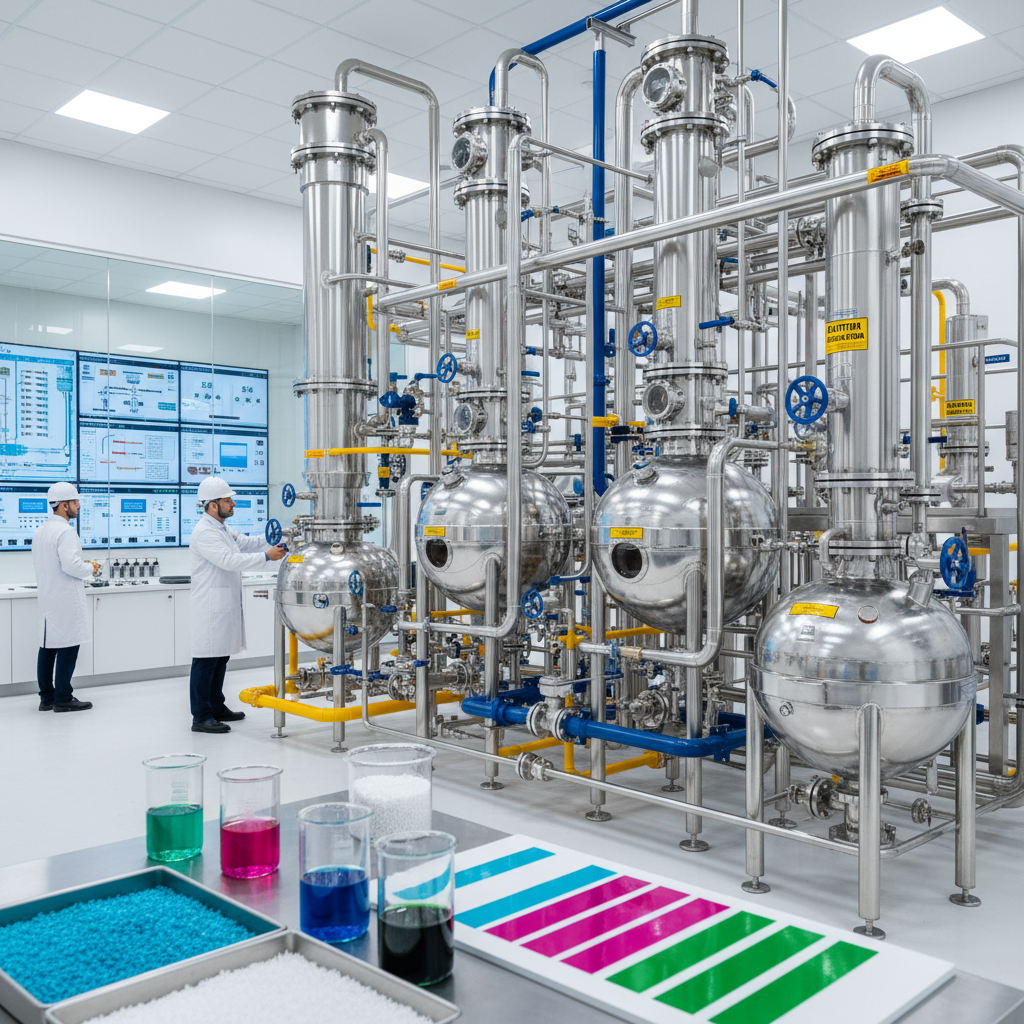
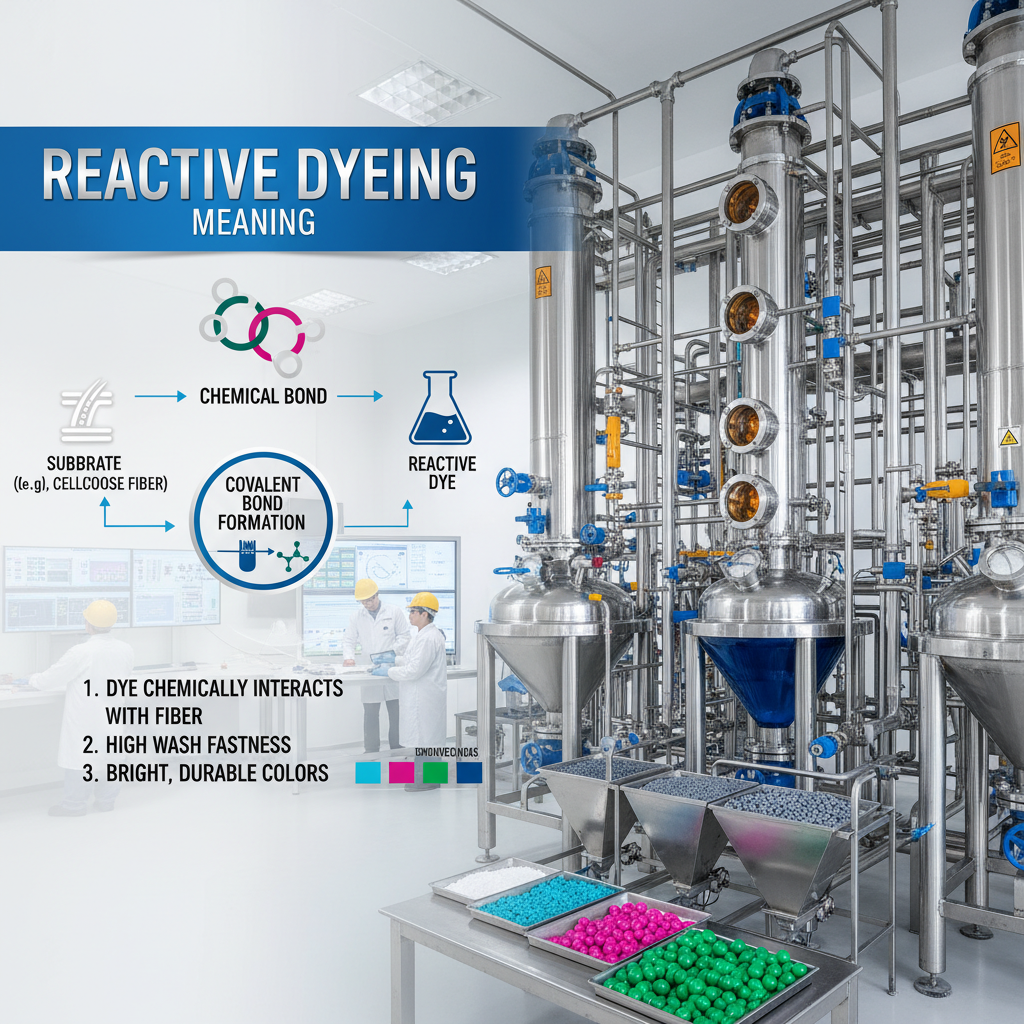
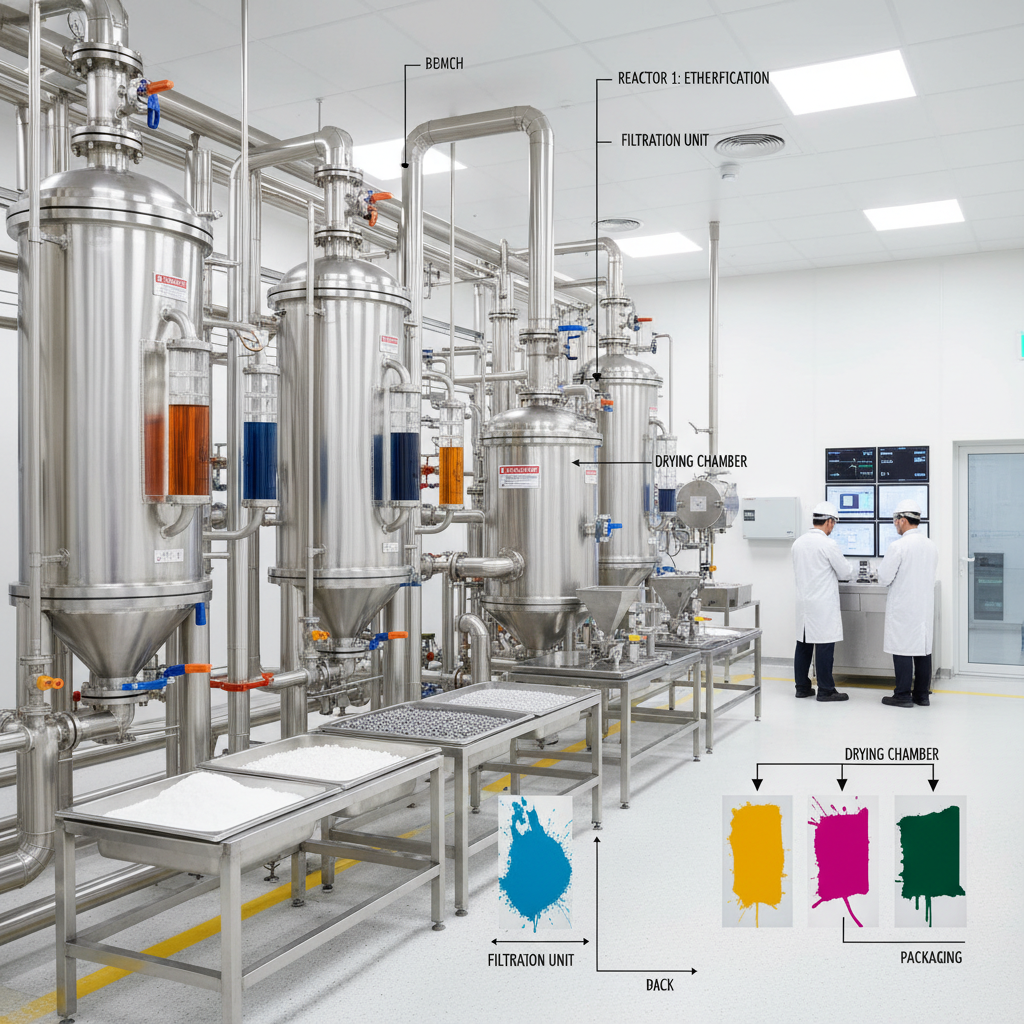
Understanding the reactive dyeing meaning is fundamental for any professional involved in the textile and chemical industries, as it describes a sophisticated chemical process where dyes form a covalent bond with the fiber. Unlike traditional dyes that simply adhere to the surface, reactive dyes become an integral part of the molecular structure of the fabric, primarily cellulose-based materials like cotton and viscose.
In the global marketplace, the significance of the reactive dyeing meaning extends beyond simple coloration; it represents the gold standard for colorfastness and brilliance. As consumer demand shifts toward high-performance apparel and durable home textiles, the ability to ensure that colors do not bleed or fade during repeated washing has become a critical competitive advantage for manufacturers worldwide.
However, achieving the perfect result requires a deep understanding of the chemical interactions involved. From managing the pH balance to selecting the right thickeners—such as CMC or HPMC—the process of implementing the reactive dyeing meaning in a production line is a delicate balance of chemistry, precision, and industrial engineering.
The Chemical Foundation of Reactive Dyeing Meaning
To truly grasp the reactive dyeing meaning, one must look at the molecular level. The process relies on the creation of a covalent bond between the dye molecule and the hydroxyl groups of the cellulose fiber. This is not a mere physical attraction; it is a chemical reaction that effectively makes the dye a part of the fiber itself, which is why these fabrics exhibit such extraordinary wash-fastness.
This chemical bonding is typically achieved through two primary mechanisms: nucleophilic substitution or addition. Depending on the specific reactive group—such as vinyl sulfone or cyanuric chloride—the dye reacts under alkaline conditions to lock into the fabric. This scientific precision is what differentiates reactive dyeing from direct or vat dyeing methods.
Key Components Driving Reactive Dyeing Meaning
One of the most critical factors in executing the reactive dyeing meaning is the use of auxiliary chemicals. For instance, thickeners like Carboxymethyl Cellulose (CMC) and Hydroxypropyl Methyl Cellulose (HPMC) are essential in printing pastes. These polymers control the viscosity of the dye liquor, preventing the color from spreading beyond the intended design boundaries and ensuring a sharp, clean finish.
Another core component is the alkali agent, usually soda ash or caustic soda. In the context of the reactive dyeing meaning, the alkali serves to activate the cellulose fiber by removing protons from the hydroxyl groups, making them more reactive and allowing the covalent bond with the dye to form efficiently.
Finally, electrolyte balance, often achieved through the addition of salt (sodium chloride or sodium sulfate), is vital. Salt helps drive the dye molecules from the aqueous solution onto the fiber surface, overcoming the natural electrostatic repulsion between the negatively charged dye and the negatively charged cellulose in an alkaline environment.
Practical Implications of Reactive Dyeing Meaning
In a commercial setting, the reactive dyeing meaning translates to high-value product offerings. Brands that prioritize longevity and color vibrance rely on this method to ensure their garments maintain their aesthetic appeal over years of use, reducing the rate of textile waste and increasing consumer trust.
The integration of high-quality printing pastes, utilizing components like HPS (Hydroxypropyl Starch Ether) and PVA (Polyvinyl Alcohol), allows manufacturers to refine the reactive dyeing meaning for intricate patterns. These additives ensure that the dye is held in place during the application process, resulting in superior color saturation and precise alignment.
Furthermore, the economic impact of understanding the reactive dyeing meaning is seen in the reduction of "re-dyes." By mastering the chemistry of the covalent bond, factories can achieve "right-first-time" results, significantly lowering water consumption and energy costs associated with repeating the dyeing cycle.
Efficiency Metrics in Reactive Dyeing Meaning
Measuring the success of the reactive dyeing meaning in production involves analyzing fixation rates and color yield. A high fixation rate means a larger percentage of the dye has covalently bonded with the fiber, reducing the amount of unfixed dye that must be washed away in the soaping process.
Modern factories now use digital monitoring to track the temperature and pH levels in real-time, ensuring that the conditions for the reactive dyeing meaning are optimal throughout the entire batch, leading to consistent shade uniformity across thousands of meters of fabric.
Comparative Performance Metrics of Reactive Dyeing Meaning Methods
Global Industrial Applications of Reactive Dyeing Meaning
The application of the reactive dyeing meaning is most prominent in the garment hubs of Southeast Asia and China, where massive quantities of cotton textiles are processed. In these regions, the shift toward reactive dyes has allowed for the production of vibrant, neon, and deep pastel colors that were previously difficult to stabilize on cellulose fibers.
Beyond fashion, the reactive dyeing meaning is critical in the production of medical textiles and high-end linens. In hospitals, where linens undergo rigorous high-temperature sterilization and frequent bleaching, the covalent bond provided by reactive dyeing ensures that the fabrics remain visually professional and do not release dye into sterile environments.
Sustainability and the Future of Reactive Dyeing Meaning
One of the primary challenges associated with the reactive dyeing meaning is the high volume of salt and water required for rinsing unfixed dyes. To address this, the industry is moving toward "Low-Salt" or "Salt-Free" reactive dyes, which utilize a more efficient chemical structure to achieve fixation without the environmental burden of saline effluent.
Digital inkjet printing is another innovation transforming the reactive dyeing meaning. By applying the dye in precise micro-droplets directly onto the fabric, the waste is virtually eliminated, and the need for massive dye baths is removed, aligning the process with global "Green Chemistry" initiatives and ISO environmental standards.
Furthermore, the development of bio-based thickeners to replace synthetic options is enhancing the eco-profile of the process. By integrating renewable polymers into the reactive dyeing meaning workflow, manufacturers can reduce their carbon footprint while maintaining the high quality and fastness that reactive dyes are known for.
Optimizing the Reactive Dyeing Meaning Workflow
To optimize the reactive dyeing meaning in a production environment, it is essential to conduct a thorough analysis of the fabric's absorbency. Pre-treating textiles with specialized wetting agents ensures that the dye liquor penetrates the fiber uniformly, preventing the dreaded "streaking" effect in large-scale dyeing vats.
Precise timing during the "fixation" phase is equally critical. If the fabric is exposed to the alkaline environment for too long, the dyes may undergo hydrolysis, where the dye reacts with water instead of the fiber, thereby reducing the efficiency of the reactive dyeing meaning and increasing waste.
Finally, the post-dyeing soaping process must be carefully calibrated. The goal is to remove all hydrolyzed dye without disturbing the covalently bonded molecules. Using advanced surfactants and controlled temperatures ensures that the final product embodies the true reactive dyeing meaning—permanent, brilliant color.
Comparative Analysis of Reactive Dyeing Meaning Implementation Parameters
| Dye Category |
Fixation Efficiency |
Water Requirement |
Color Brilliance |
| Vinyl Sulfone |
High (8/10) |
Moderate |
Very High |
| Cyanuric Chloride |
Very High (9/10) |
High |
High |
| Bifunctional Reactive |
Excellent (10/10) |
Low |
Excellent |
| Cold Brand Reactive |
Medium (6/10) |
Moderate |
Medium |
| Eco-Low Salt |
High (8/10) |
Very Low |
High |
| High-Fixation Hybrid |
Very High (9/10) |
Low |
Very High |
FAQS
In simple terms, the reactive dyeing meaning refers to a process where the dye doesn't just "sit" on the fabric but chemically bonds with it. Imagine the dye becoming a permanent part of the fabric's DNA through a covalent bond, which prevents the color from washing out over time.
These polymers act as thickeners. In the context of the reactive dyeing meaning, they ensure that the dye paste has the correct viscosity, which prevents bleeding and ensures that colors remain sharp and precisely located, especially during textile printing.
Initially, the cost of reactive dyes and the required alkali/salts can be higher. However, when considering the reactive dyeing meaning's long-term value—specifically the superior wash-fastness and reduced need for re-dyeing—it is often more cost-effective for high-quality apparel.
Generally, no. The reactive dyeing meaning is specific to fibers with hydroxyl groups, like cotton, viscose, and linen. Polyester requires disperse dyes because it lacks the chemical structure necessary to form the covalent bonds that characterize reactive dyeing.
Soaping is the final critical step. After the chemical bond is formed, some dye remains "hydrolyzed" (unbonded). Soaping removes this excess dye, ensuring that the fabric doesn't bleed and that the final result represents the true essence of a clean, reactive-dyed finish.
Traditional reactive dyeing is water-intensive. However, the industry is evolving. By applying the modern reactive dyeing meaning—using low-salt dyes and digital printing—manufacturers are significantly reducing water pollution and chemical waste.
Conclusion
In summary, the reactive dyeing meaning is far more than a simple coloring technique; it is a sophisticated chemical alignment that ensures permanence, brilliance, and durability in textile production. By leveraging the power of covalent bonding and the precision of auxiliary agents like CMC, HPMC, and RDP-VAE, the industry can produce fabrics that withstand the test of time and rigorous use, balancing aesthetic desire with structural integrity.
Looking ahead, the evolution of the reactive dyeing meaning will be driven by sustainability. The transition toward salt-free chemistries and automated digital application will not only protect our planetary resources but also increase the efficiency of global manufacturing. For businesses seeking to lead in the textile sector, mastering these chemical nuances is the key to unlocking superior product quality and environmental stewardship. Visit our website for more technical insights: www.pezetech.com