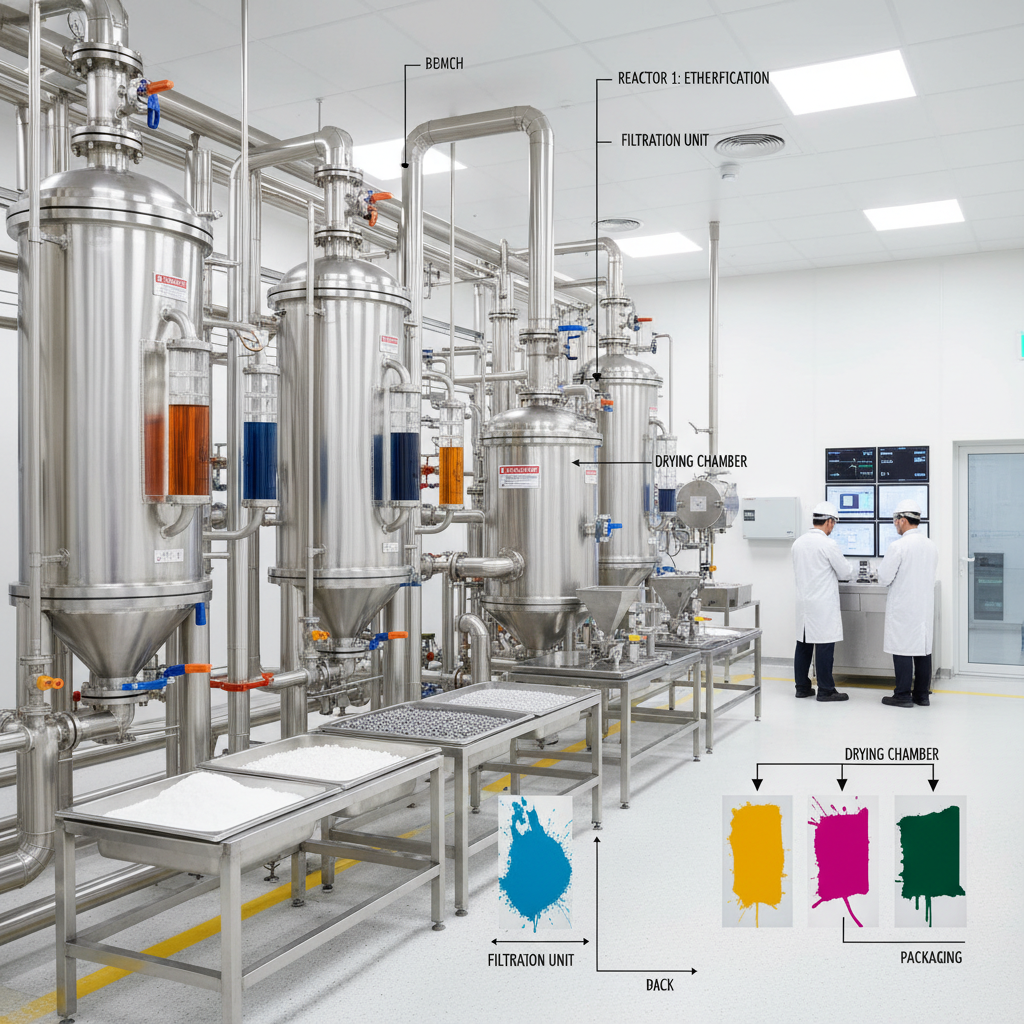
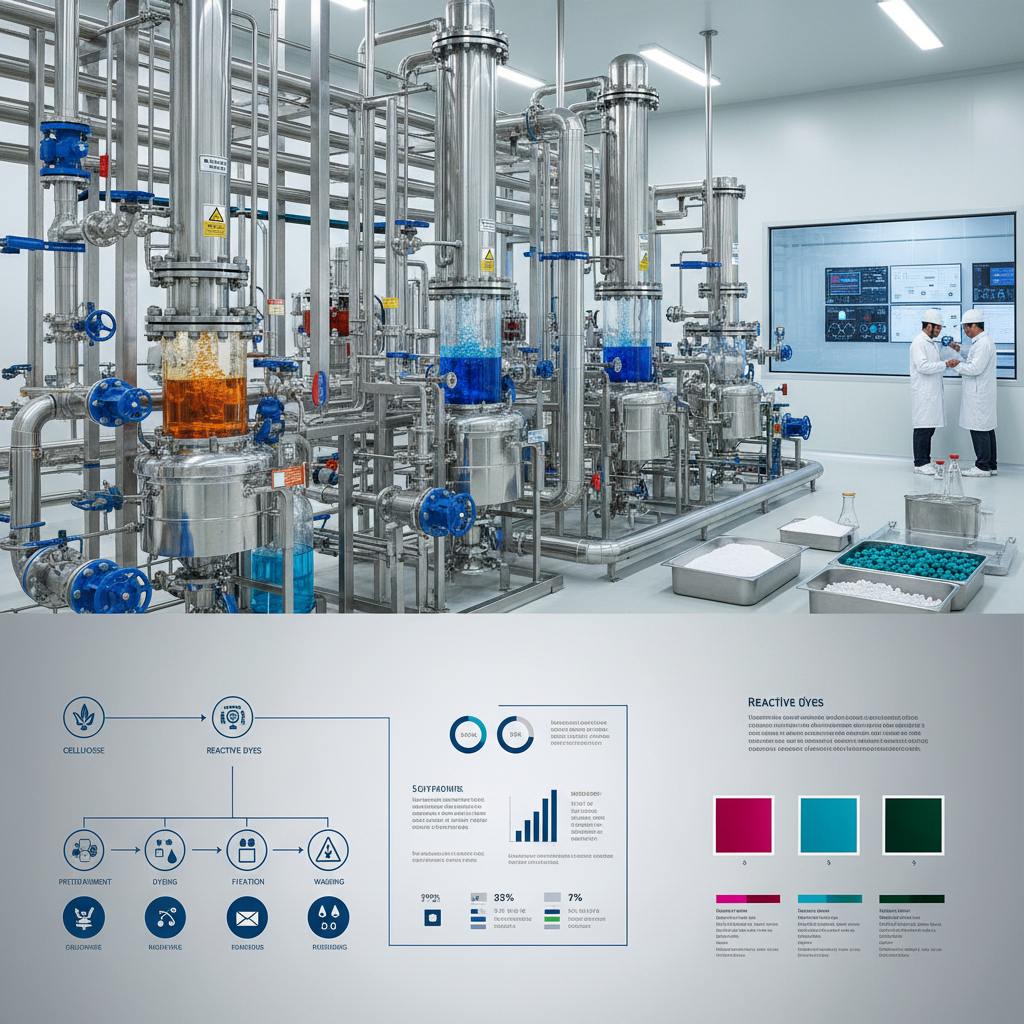
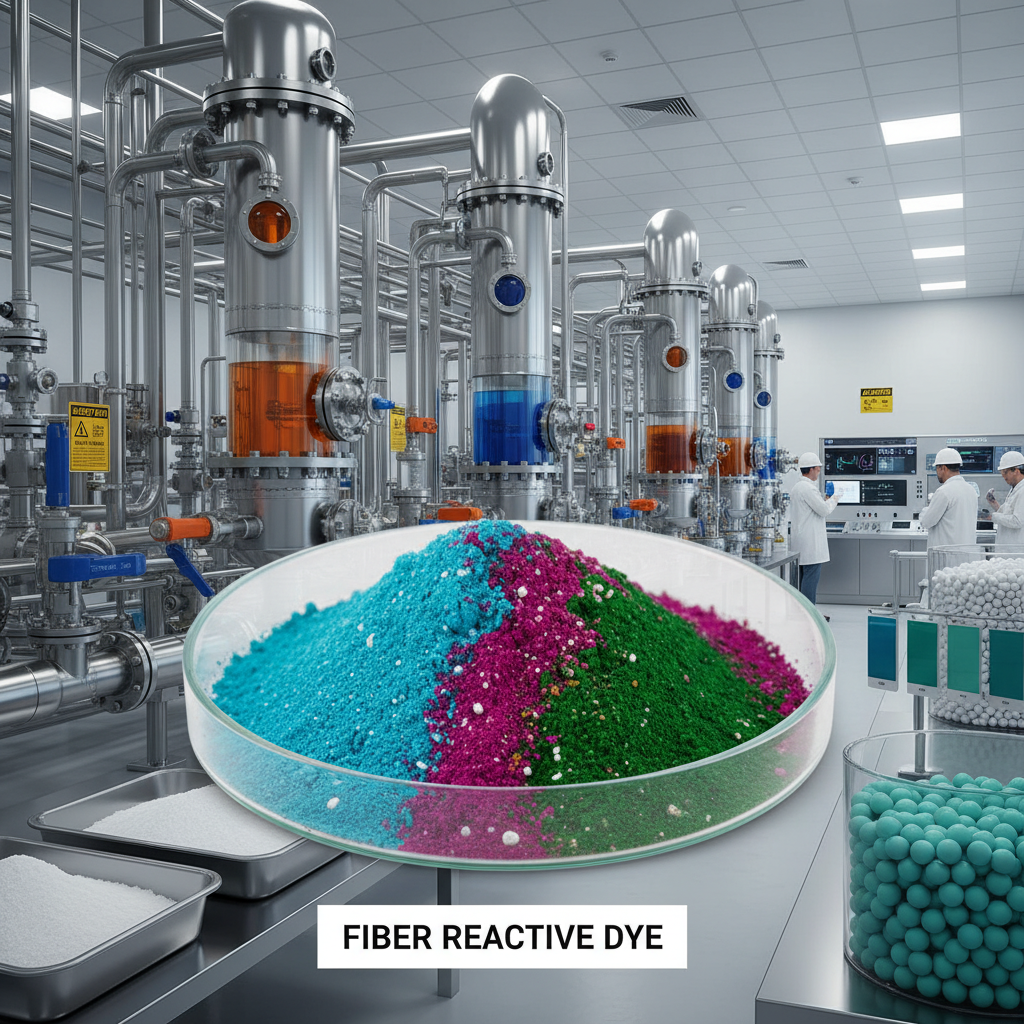
The reactive dyes process represents a pinnacle of chemical engineering in the textile industry, enabling the creation of vibrant, wash-fast colors on cellulosic fibers. Unlike traditional dyeing methods, this process involves a chemical reaction that forms a covalent bond between the dye molecule and the fiber, ensuring that the color becomes an integral part of the fabric structure.
Understanding the nuances of the reactive dyes process is critical for manufacturers aiming to balance aesthetic brilliance with industrial efficiency. As global demand for high-performance textiles grows, the precision of dye fixation and the reduction of hydrolyzed dye waste have become central pillars of sustainable chemical manufacturing.
By optimizing the chemical environment—specifically the pH and temperature—operators can maximize exhaustion and fixation rates. This not only improves the quality of the end product but also significantly lowers the environmental footprint by reducing the volume of effluent treatment required in specialized chemical plants.
Global Significance of Reactive Dyes Process
On a global scale, the reactive dyes process is the primary method for coloring cotton, viscose, and linen. With the textile industry contributing significantly to global GDP, the shift toward reactive dyes has allowed for a wider spectrum of colors and superior durability compared to direct dyes. According to industrial standards aligned with ISO certifications, the precision of this process is what allows brands to maintain color consistency across millions of units produced in different geographic regions.
However, the industry faces a critical challenge: the high salt consumption and water usage typically associated with traditional reactive dyeing. Modern chemical manufacturing is now pivoting toward "low-salt" or "salt-free" variations of the reactive dyes process to mitigate soil salinization and water pollution, aligning with UN Sustainable Development Goals regarding clean water and responsible production.
Technical Definition and Chemical Mechanism
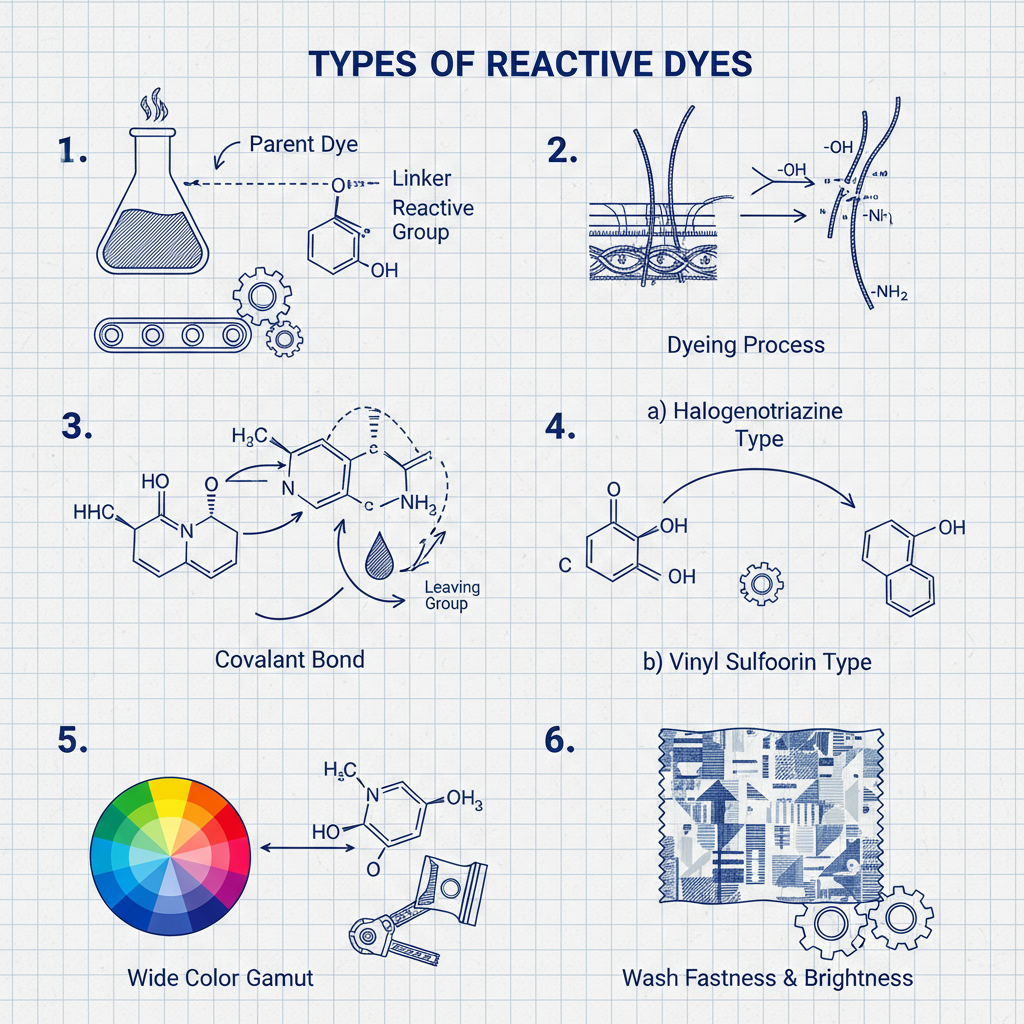
In simple terms, the reactive dyes process is a chemical procedure where a dye molecule contains a reactive group that forms a covalent bond with the hydroxyl groups of cellulose. Unlike other dyes that simply "sit" inside the fiber or adhere to the surface via electrostatic forces, reactive dyes become chemically locked into the molecular structure of the textile. This is why garments treated with this process exhibit exceptional wash-fastness.
The mechanism generally occurs in two stages: the exhaustion phase and the fixation phase. During exhaustion, the dye is encouraged to migrate from the liquor onto the fiber. In the fixation phase, an alkali (such as soda ash) is added to raise the pH, triggering the nucleophilic substitution or addition reaction that cements the dye to the cellulose chain.
This scientific approach is not just about color; it addresses the humanitarian need for durable, affordable clothing that does not lose its integrity after a few washes. By refining the reactive dyes process, chemical engineers ensure that textiles remain functional and aesthetically pleasing for longer periods, reducing the rate of garment disposal in landfills.
Core Factors for High Dye Fixation
Temperature control is paramount in the reactive dyes process. Depending on the type of reactive dye—whether it is cold-brand or hot-brand—the thermal energy provided determines the rate of the covalent bond formation. Incorrect temperatures can lead to premature hydrolysis, where the dye reacts with water instead of the fiber, resulting in wasted materials and poor color yield.
The pH level acts as the catalyst for the reactive dyes process. Most reactive dyes require an alkaline environment to activate the cellulose hydroxyl groups. If the pH is too low, the fixation rate drops significantly; if it is too high, the dye may hydrolyze too rapidly, leading to uneven shading or "streaking" on the fabric surface.
The use of electrolytes, primarily sodium chloride or sodium sulfate, is essential to overcome the natural negative charge of cellulose in water. By neutralizing this repulsion, the reactive dyes process can achieve higher exhaustion rates, ensuring that more dye moves from the bath to the fabric, which directly impacts the cost-efficiency of the operation.
Industrial Scalability and Cost Efficiency
Scaling the reactive dyes process from a laboratory beaker to a 10,000-liter industrial vat requires meticulous control over liquor ratios. A lower liquor ratio (less water per kg of fabric) not only reduces the amount of chemicals needed but also accelerates the dyeing cycle, significantly lowering the energy cost per batch.
Moreover, the integration of automated dosing systems ensures that the alkali and salt are added at precise intervals. This precision minimizes human error and ensures that every batch of the reactive dyes process meets the strict tolerances required by international apparel brands, reducing the costly need for re-dyeing.
Efficiency Comparison of Reactive Dyes Process Methods
Global Applications in Textile Manufacturing
The practical application of the reactive dyes process is most evident in the mass production of home textiles and high-fashion apparel across Asia and Europe. In hubs like Bangladesh and Vietnam, the process is utilized to produce millions of tons of cotton t-shirts and bedsheets, where the demand for bright whites and deep blacks requires the absolute stability that only covalent bonding can provide.
Beyond commercial fashion, the reactive dyes process is used in the production of medical textiles and specialized industrial uniforms. In these contexts, fabrics must withstand rigorous industrial laundering and sterilization processes without fading, making the chemically bonded nature of reactive dyes an absolute necessity for safety and professional standards.
Long-term Sustainability and Environmental Value
From a sustainability perspective, the evolution of the reactive dyes process is focused on reducing the "environmental load." Traditional methods generated massive amounts of saline wastewater, but new enzymatic treatments and bio-based auxiliaries are now being integrated to break down unfixed dyes more efficiently before they reach the effluent treatment plant.
Furthermore, the shift toward digital printing using reactive inks is transforming the industry. By applying the reactive dyes process only where the pattern is needed—rather than submerging the entire fabric in a bath—manufacturers can reduce water consumption by up to 90%, representing a monumental leap in ecological stewardship.
This transition provides not only logical cost savings but also an emotional value to the consumer. As "slow fashion" gains traction, the ability to prove that a garment was produced using a low-impact reactive dyes process builds trust and brand loyalty, transforming a technical specification into a competitive market advantage.
Future Innovations in Dyeing Technology
The future of the reactive dyes process lies in the integration of nanotechnology and smart chemicals. Researchers are developing "intelligent" dyes that can react to specific wavelengths of light or temperature changes, allowing for a more controlled fixation process that requires significantly less energy and zero salt.
Automation and AI are also playing a role, where real-time sensors monitor the pH and exhaustion levels in the dye bath, adjusting the chemical feed instantly. This digital transformation of the reactive dyes process ensures near-zero waste and perfect color reproducibility across different batches.
Additionally, the industry is exploring the use of supercritical CO2 as a solvent, which would potentially eliminate water from the reactive dyes process entirely. This "dry dyeing" technology could revolutionize the specialty chemicals sector, making textile production truly sustainable.
Comparative Analysis of Reactive Dyes Process Technologies
| Technology Type |
Water Usage |
Fixation Rate |
Eco-Score (1-10) |
| Conventional Exhaustion |
Very High |
60-70% |
4 |
| Cold-Pad-Batch |
Medium |
80-90% |
7 |
| Low-Salt Process |
Medium |
75-85% |
8 |
| Reactive Inkjet |
Very Low |
90%+ |
9 |
| Supercritical CO2 |
Zero |
95%+ |
10 |
| Enzymatic Assisted |
Low |
85-92% |
8 |
FAQS
The primary advantage is the chemical bond. While direct dyes rely on physical attraction (Van der Waals forces), the reactive dyes process creates a covalent bond between the dye and the fiber. This results in significantly higher wash-fastness and prevents the color from bleeding during laundry, which is essential for high-quality consumer garments.
Salt acts as an electrolyte that neutralizes the negative surface charge of cellulose fibers. Without salt, the dye molecules (which are also negatively charged) would be repelled by the fabric. By adding salt, the reactive dyes process can achieve higher exhaustion, meaning more dye enters the fiber and less is wasted in the wastewater.
No, reactive dyes are specifically designed for cellulosic fibers (cotton, linen, viscose) because they react with hydroxyl (-OH) groups. Polyester lacks these groups and requires disperse dyes. For blended fabrics, a dual-dyeing process is used, combining the reactive dyes process for the cotton portion and disperse dyeing for the polyester.
Traditionally, it had a high impact due to salt and water usage. However, modern innovations like low-salt dyes, digital printing, and advanced effluent treatment have made the process significantly greener. Many factories now recycle their brine and use biodegradable auxiliaries to minimize the ecological footprint.
Soda ash (sodium carbonate) is used to raise the pH of the dye bath. This alkalinity is crucial because it ionizes the cellulose, making it more reactive. This step triggers the final chemical reaction that locks the dye molecule into the fiber, completing the fixation phase of the reactive dyes process.
Manufacturers can reduce waste by optimizing the liquor ratio, using high-fixation dyes, and implementing precise automated dosing. Additionally, incorporating a "soaping-off" stage with specialized detergents helps remove hydrolyzed dyes efficiently, ensuring the final product is stable and the waste is manageable.
Conclusion
The reactive dyes process stands as a cornerstone of modern textile chemistry, offering an unparalleled combination of color brilliance and durability through the power of covalent bonding. From the critical control of pH and temperature to the industrial scale-up of liquor ratios, every step in the process is a balance of chemical precision and economic viability. By integrating high-performance auxiliaries and sustainable practices, the industry has successfully transitioned from wasteful traditional methods to efficient, high-yield systems.
Looking forward, the trajectory of the reactive dyes process is clearly aimed at total sustainability. The move toward salt-free dyeing and digital ink applications suggests a future where vibrant textiles no longer come at an environmental cost. For manufacturers, investing in these advanced chemical processes is not just a matter of compliance, but a strategic move toward long-term resilience and brand leadership in a green economy. Visit our website for more technical insights: www.pezetech.com