Poly Vinyl Alcohol CAS | Waterproof PVA Powder & Polymer
Poly Vinyl Alcohol Cas is a key solution in the manufacturing industry, specifically within Chemical raw material and chemical product manufacturing industry and Synthetic resin manufacturing. This article explores how Pengze Technology (Shijiazhuang) Co., Ltd. supports professionals with durable, high-performance products, and explains why this product is an ideal choice for businesses in these sectors.
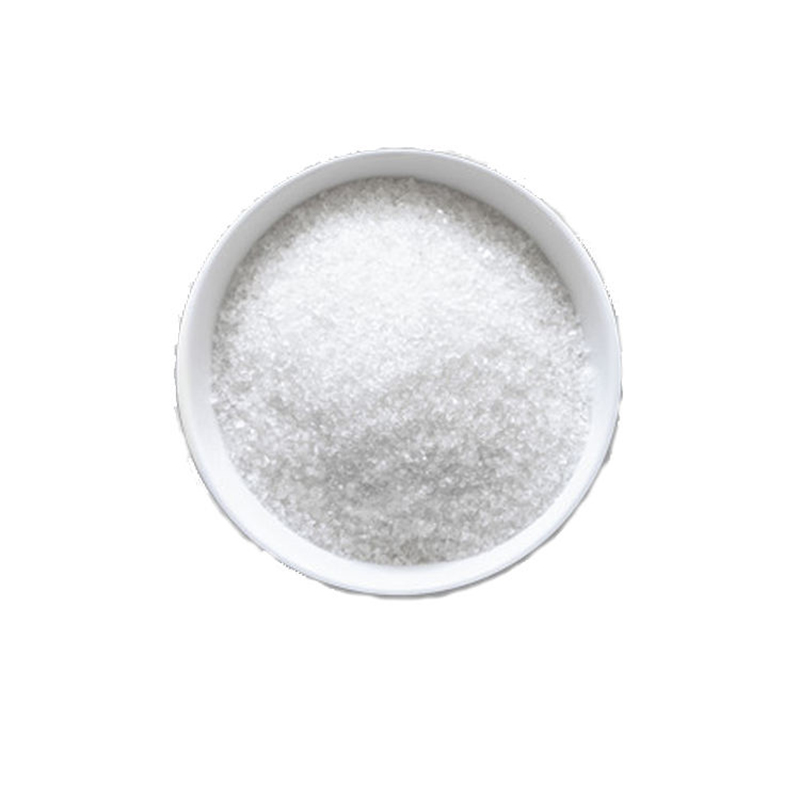
Table of Contents
- Poly Vinyl Alcohol Cas Overview
- Benefits & Use Cases of Poly Vinyl Alcohol Cas in Synthetic resin manufacturing
- Cost, Maintenance & User Experience
- Sustainability & Market Trends in manufacturing
- Conclusion on Poly Vinyl Alcohol Cas from Pengze Technology (Shijiazhuang) Co., Ltd.
Poly Vinyl Alcohol Cas Overview
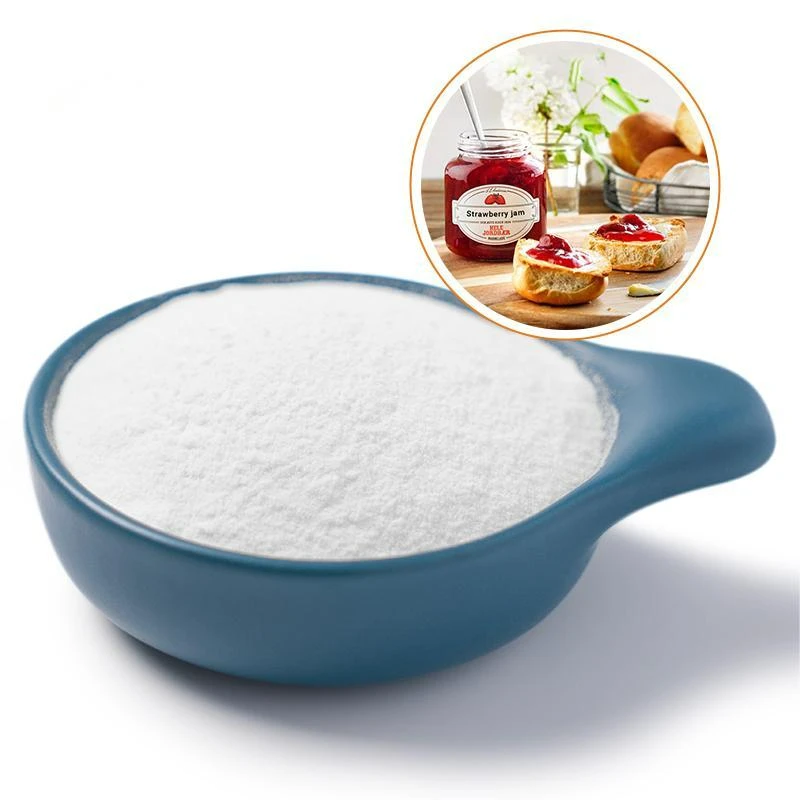
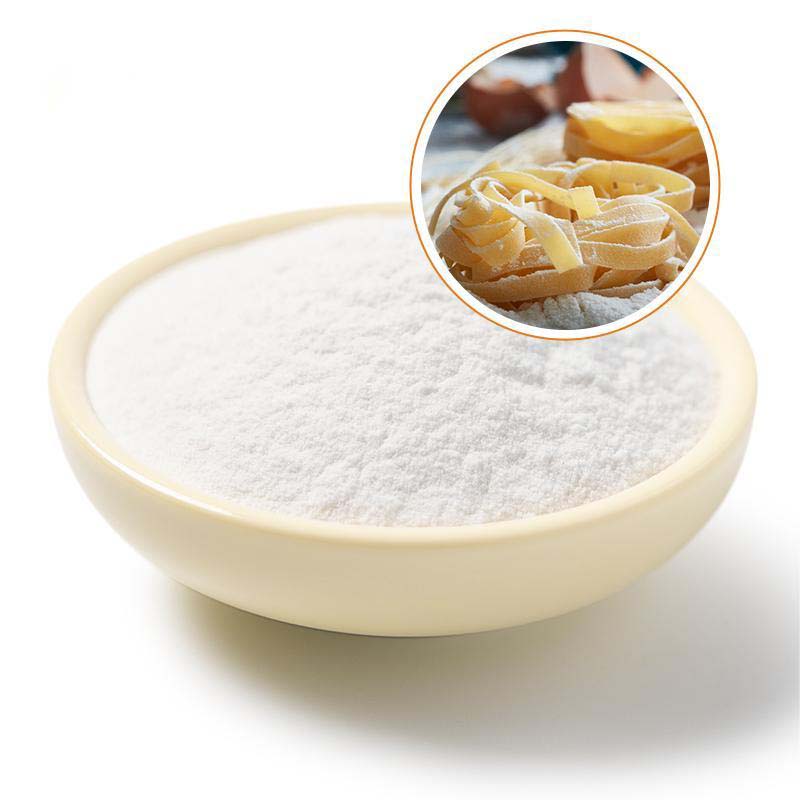
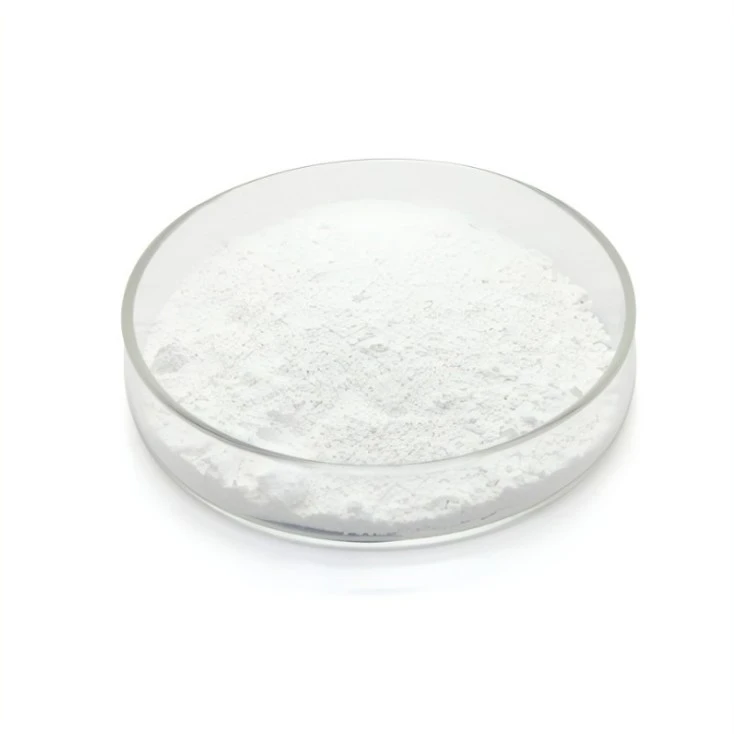
Poly Vinyl Alcohol (PVA) is a water‑soluble, film‑forming synthetic polymer widely used as a binder, protective colloid, and rheology modifier across resins, coatings, and adhesives. The polyvinyl alcohol CAS number most commonly referenced in industry is 9002‑89‑5, covering a range of grades differentiated by degree of hydrolysis and viscosity. In practice, buyers specify PVA powder by viscosity (e.g., 3–60 mPa·s at 4%/20°C) and degree of hydrolysis (typically 86–89% for easy solubility or 98–99.5% for higher water resistance). These technical levers let formulators tune clarity, adhesion, tack, and water sensitivity—crucial in Synthetic resin manufacturing and downstream converting. For emulsion polymerization, PVA polymer acts as a stable protective colloid to control particle size and distribution, boosting conversion and storage stability in PVAc/VAE systems. Pengze Technology (Shijiazhuang) Co., Ltd. supplies consistent, low‑ash PVA with narrow molecular weight distribution, enabling predictable performance from lab scale to plant scale, and supports rapid grade selection for adhesives, paper, textile sizing, and water‑soluble film applications.
- Relevant to manufacturing, Chemical raw materials, and Synthetic resin manufacturing as a film former, binder, and protective colloid.
- Specs typically include viscosity range, degree of hydrolysis, residual acetates, and ash; selection aligns with target solubility and mechanical properties.
- Pengze Technology (Shijiazhuang) Co., Ltd. is a reliable PVA powder manufacturer with application support for resin producers and converters.
Benefits & Use Cases of Poly Vinyl Alcohol Cas in Synthetic resin manufacturing
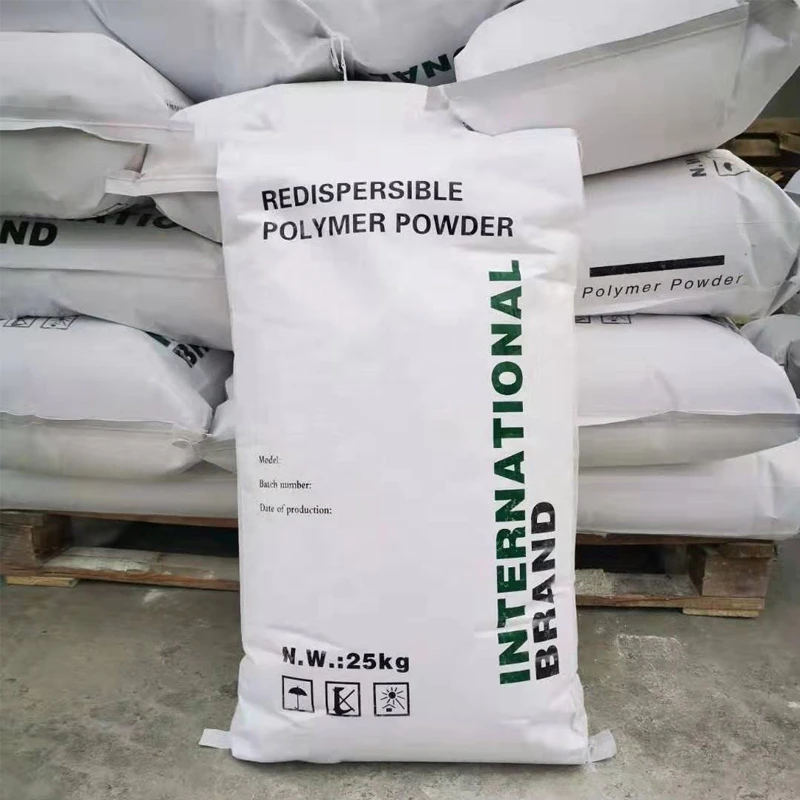
In Synthetic resin manufacturing, PVA polymer is integral to PVAc and VAE emulsion production as a protective colloid, improving latex stability, particle uniformity, and shear resistance. For redispersible polymer powders, PVA enhances re‑dispersion and storage stability. As a binder, it provides excellent film clarity and adhesion to hydrophilic substrates, supporting paper sizing, textile warp sizing, and ceramic green strength. Formulators pursuing waterproof PVA or exterior waterproof PVA adhesives can crosslink partially or fully hydrolyzed grades with aldehydes, isocyanates, or borates to obtain water‑resistant bonds while maintaining low VOC. PVA also serves as a precursor to PVB (polyvinyl butyral) interlayers, a staple in laminated safety glass. With the polyvinyl alcohol CAS number (9002‑89‑5) recognized worldwide, Pengze supplies grade sets that optimize dissolution, viscosity build, and film strength, enabling faster batch turnover and consistent quality. Whether you are scaling new water‑soluble films for unit‑dose packaging or stabilizing high‑solids VAE emulsions, Pengze Technology (Shijiazhuang) Co., Ltd. provides application guidance to reduce trial cycles and improve first‑pass yield.
- Applications: PVAc/VAE emulsions, RDP binders, paper/textile sizing, ceramic binders, water‑soluble films, PVB precursor routes.
- Advantages: strong film‑forming, clarity, adhesion, low VOC, versatile crosslinking for waterproofing, consistent viscosity.
- Expertise: Pengze’s technical team helps match PVA powder grades to process temperature, shear profile, and target performance.
Cost, Maintenance & User Experience
Total cost of ownership for Poly Vinyl Alcohol Cas hinges on dissolving efficiency, batch consistency, and end‑product performance. Pengze’s free‑flowing PVA powder dissolves cleanly—typically 60–80°C for partially hydrolyzed and 80–95°C for fully hydrolyzed grades—reducing undissolved fisheyes and filtration losses. Stable viscosity minimizes line adjustments and scrap, improving ROI across adhesive and resin operations. Users in the Chemical raw material and chemical product manufacturing industry report smoother polymerization runs and improved latex storage stability when transitioning to tightly specified grades. From a maintenance standpoint, PVA solutions are water‑based and low odor; tanks and lines can be cleaned with warm water, and standard biocide practice preserves solution pots. Proper storage (dry, cool, sealed) maintains flowability and prevents caking. For exterior waterproof PVA formulations, Pengze advises on crosslinker selection to balance open time with bond durability, helping B2B decision makers achieve predictable performance without overspecifying resin or additive packages.
- TCO levers: dissolution time, filtration yield, viscosity stability, and reduced rework in emulsion polymerization.
- User experience: consistent batches, clean tanks, and straightforward CIP; clear documentation and technical service from Pengze.
Sustainability & Market Trends in manufacturing
Regulators and brand owners are prioritizing low‑VOC chemistries and improved end‑of‑life profiles. PVA polymer supports these objectives as a water‑borne, solvent‑free binder with strong film‑forming capability. Many PVA grades show good biodegradation under appropriate biological treatment conditions, and its water solubility aids wastewater handling compared with solvent systems. Demand is rising for unit‑dose, water‑soluble packaging and for robust, low‑VOC adhesives in building materials—growth vectors where the polyvinyl alcohol CAS number 9002‑89‑5 is central. Pengze Technology (Shijiazhuang) Co., Ltd. positions customers ahead of these trends with grade selection for faster dissolution, reduced foaming, and optimized crosslinking for waterproof PVA where exterior durability is required. The company emphasizes responsible manufacturing practices and transparent technical data to help customers meet REACH‑ and RoHS‑aligned requirements and internal ESG targets. By collaborating early on resin design and process conditions, Pengze helps manufacturers reduce energy per batch and improve right‑first‑time quality—key drivers of sustainable profitability.
- Trends: water‑borne systems, solvent reduction, microplastic scrutiny, and water‑soluble films for packaging.
- Pengze’s approach: proactive compliance support, data‑driven grade selection, and process optimization to cut waste and energy.
Conclusion on Poly Vinyl Alcohol Cas from Pengze Technology (Shijiazhuang) Co., Ltd.
For B2B decision makers in manufacturing—especially within Chemical raw materials and Synthetic resin manufacturing—Poly Vinyl Alcohol Cas (CAS 9002‑89‑5) delivers reliable film‑forming, adhesion, and emulsion stabilization. As a versatile PVA powder, it underpins everything from VAE emulsions to water‑soluble films and waterproof PVA formulations. Pengze Technology (Shijiazhuang) Co., Ltd. pairs consistent product quality with responsive technical service, helping you accelerate scale‑up, control costs, and meet sustainability goals. Contact us: email: ben@pezetech.com — Visit our website: https://www.pezetech.com
- Unlock dependable performance and ROI with polyvinyl alcohol CAS number 9002‑89‑5 for adhesives, resins, and films.
- Partner with Pengze Technology (Shijiazhuang) Co., Ltd. for grade selection, processing know‑how, and consistent supply.
- Strong CTA: Contact us: email: ben@pezetech.com — Visit our website: https://www.pezetech.com
-
Top Guide to Selecting Professional vae emulsion manufacturersNewsApr.16,2026
-
Viscosity of HPMCNewsApr.15,2026
-
HPMC Powder UsesNewsApr.15,2026
-
Understanding VAE Emulsion for Modern Industrial CoatingsNewsApr.09,2026
-
Comprehensive Guide to Redispersible Emulsion Powder and its ApplicationsNewsApr.07,2026
-
Comprehensive Guide to Redispersible Latex Powder for Construction ApplicationsNewsApr.04,2026