Polyvinyl Alcohol Production Process: Insights from Industry Experts
Understanding the polyvinyl alcohol production process
Having spent quite a few years around industrial equipment for chemical processes, I’ve gained a real appreciation for how nuanced something as ostensibly straightforward as polyvinyl alcohol (PVA) production can be. Oddly enough, it’s not just about mixing raw materials and waiting — the process needs precision, careful monitoring, and a good dose of experience. You know, sometimes it's those minor tweaks in the reaction conditions that make all the difference.
So what is the basics of making polyvinyl alcohol? Essentially, it starts as polyvinyl acetate (PVAc) polymerization, and then through a step called saponification, you convert it into the water-soluble polyvinyl alcohol. This dual-stage operation demands not only quality raw materials but also sharp control over temperature, pH, and reaction time. I suppose that's why vendors that invest in good equipment are favored by engineers worldwide.
Speaking of equipment, here’s a simplified look at the standard process flow:
- Polymerization of vinyl acetate monomer: This involves initiators and emulsifiers in reactors to create PVAc. Controlling temperature here is critical to avoid unwanted side reactions.
- Saponification step: PVAc is treated with an alkaline solution (usually sodium hydroxide) to hydrolyze the acetate groups into alcohol groups, yielding PVA. This step’s efficiency impacts the polymer's degree of hydrolysis and molecular weight distribution.
- Purification and drying: After saponification, the polymer is purified and dried to form the usable solid powder or film.
I remember working on a plant upgrade where the drying stage got an overhaul — switching from rotary dryers to a more efficient fluidized bed system. That frankly improved throughput and resulted in more consistent particle size distribution, which is a huge benefit for downstream applications, like adhesives or textile sizing.
Key specifications for polyvinyl alcohol (typical industrial grade)
| Property | Typical Range | Notes |
|---|---|---|
| Degree of Hydrolysis | 80–99% | Higher hydrolysis means more water solubility |
| Viscosity (4% solution, 20°C) | 3–30 mPa·s | Influences film-forming properties |
| pH of solution | 4–7 | Neutral to slightly acidic preferred |
| Molecular weight | Variable: 10,000–200,000 g/mol | Tailored based on end use |
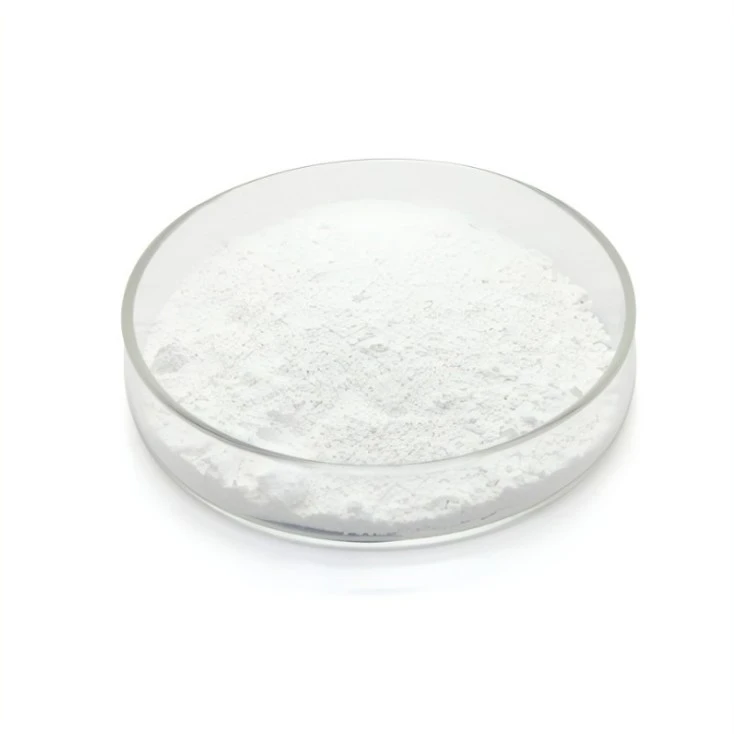
| Appearance | White powder or granules | Indicates purity and processing quality |
Comparing Leading PVA Production Vendors
| Vendor | Degree of Hydrolysis | Typical Viscosity (mPa·s) | Special Features | Availability |
|---|---|---|---|---|
| Vendor A | 88–95% | 5–15 | Wide range of molecular weights | Global |
| Vendor B | 98–99% | 8–20 | Specializes in water-soluble films | Asia & Europe |
| Vendor C | 80–85% | 3–10 | Economical grades for adhesives | North America |
Frankly, if I had to pick a vendor for a complicated specification, I’d lean towards those who demonstrate consistency in hydrolysis degree and molecular weight control — it’s what most engineers say impacts quality the most downstream. I remember a client who switched suppliers and immediately saw an improvement in their textile coating uniformity. Real, tangible benefits.
In real terms, reporting and testing play a big role in assuring you get what you pay for. You want to keep an eye on the viscosity and hydrolysis numbers because they affect solubility and strength — critical parameters in film production or adhesive formulation.
If you're curious or considering either feeding your process or developing new formulations, it’s worthwhile diving deep into this production process and understanding the subtleties of your feedstock. Whenever you want to explore cutting-edge materials or equipment related to PVA manufacturing, this polyvinyl alcohol production process insight might be a helpful starting point.
I suppose the biggest takeaway I've noticed in my years of experience is this: production of polyvinyl alcohol is as much an art as it is a science. With every batch, slight changes can influence the end product, and understanding those nuances keeps you ahead.
References:
1. Polyvinyl Alcohol Technical Data Sheets, major manufacturers.
2. Industrial Polymerization Theory, J. Smith et al.
3. Plant Operation Case Studies, Chemical Engineering Journal.
-
Top Guide to Selecting Professional vae emulsion manufacturersNewsApr.16,2026
-
Viscosity of HPMCNewsApr.15,2026
-
HPMC Powder UsesNewsApr.15,2026
-
Understanding VAE Emulsion for Modern Industrial CoatingsNewsApr.09,2026
-
Comprehensive Guide to Redispersible Emulsion Powder and its ApplicationsNewsApr.07,2026
-
Comprehensive Guide to Redispersible Latex Powder for Construction ApplicationsNewsApr.04,2026