Understanding Hydroxy Propyl Methyl: Uses, Benefits & Global Impact
Hydroxy Propyl Methyl: What It Is and Why It Matters Globally
If you’ve ever dabbled in pharmaceuticals, food science, or even construction, the term hydroxy propyl methyl might have popped up — often as hydroxypropyl methylcellulose or HPMC, to be precise. It sounds like a mouthful, but this compound plays a surprisingly crucial role in industries worldwide, quietly improving everything from medication stability to eco-friendly building materials.
Understanding its global significance shines a light on how these seemingly technical ingredients help solve wider problems like sustainable manufacturing, safe food preservation, and even post-disaster relief. Whether you're an industry insider or just curious, there’s a lot to appreciate about this versatile, biodegradable polymer.
The Global Context of Hydroxy Propyl Methyl
Why are companies and governments around the world investing in hydroxy propyl methyl, especially something like HPMC? The reasons are both fascinating and a bit complex.
According to recent ISO data and World Bank reports, demand for environmentally friendly materials surged by roughly 15% annually over the past five years in sectors like pharmaceuticals, adhesives, and coatings. Hydroxy propyl methyl-based products fit perfectly into this trend because they are non-toxic, water-soluble, and can substitute synthetic polymers — classic “better for the planet” materials.
Globally, about 55% of pharmaceutical excipients now contain HPMC or its variants, helping with drug delivery in markets as diverse as Europe, Asia, and North America. But here’s the kicker: these materials also underpin essential humanitarian efforts, such as supplying stable and safe food and medicine during crisis responses, where shelf-life extension and safety are critical.
Mini Takeaway:
Hydroxy propyl methylcellulose is more than just an additive; it's a global solution shaping industries and emergency responses in a greener, safer way.
What Exactly is Hydroxy Propyl Methyl?
Simply put, hydroxy propyl methyl refers to a group of modified cellulose ethers. Cellulose, you may recall, is the structural component of plant cell walls — basically, nature’s scaffolding.
This polymer is chemically tweaked — by adding hydroxypropyl and methyl groups — to make it soluble in water and give it unique gelling, thickening, and film-forming capabilities. These properties make hydroxy propyl methyl an excellent ingredient in tablets, food ingredients, paints, and more.
Think of it like cellulose’s kung-fu upgrade: same natural roots, but way more versatile for modern needs like controlled drug release or eco-friendly packaging.
Key Features Driving Practical Uses
1. Versatility and Solubility
Hydroxy propyl methyl is remarkably compatible. It dissolves in cold water but forms gels when heated, which means it can act as a film former or thickener depending on how you want to use it. This dual nature is a boon in industries where texture and consistency are king.
2. Stability Across pH and Temperature
Another standout is its chemical stability. It holds up well in acidic or alkaline environments and resists breakdown under heat, making it dependable for pharmaceuticals, adhesives, or food coatings that have to survive extreme conditions.
3. Non-toxic and Biodegradable
One of the biggest advantages is its safety and environmental profile. Hydroxy propyl methyl derivatives don’t accumulate in ecosystems and are generally regarded as safe by the FDA and EFSA — a must for ingestible products or medical applications.
4. Film-Forming and Adhesion Qualities
Its ability to form thin, uniform films opens doors in packaging, coatings, and even cosmetics. You might imagine a lipstick or a tablet coating that delivers active ingredients precisely — hydroxy propyl methyl makes that possible.
5. Cost-Effective Production
While not the cheapest polymer around, its effectiveness often means less is needed, and manufacturing processes have been streamlined. This balance improves overall cost efficiency.
Mini Takeaway:
The multifaceted properties of hydroxy propyl methyl give it an almost chameleon-like adaptability, bridging uses from pill to paint.
Global Applications & Real-World Use Cases
Let’s dive into practical applications where hydroxy propyl methyl steals the show:
- Pharmaceutical Industry: Used extensively as a binder and controlled-release agent in tablets, facilitating sustained drug delivery and improving patient compliance.
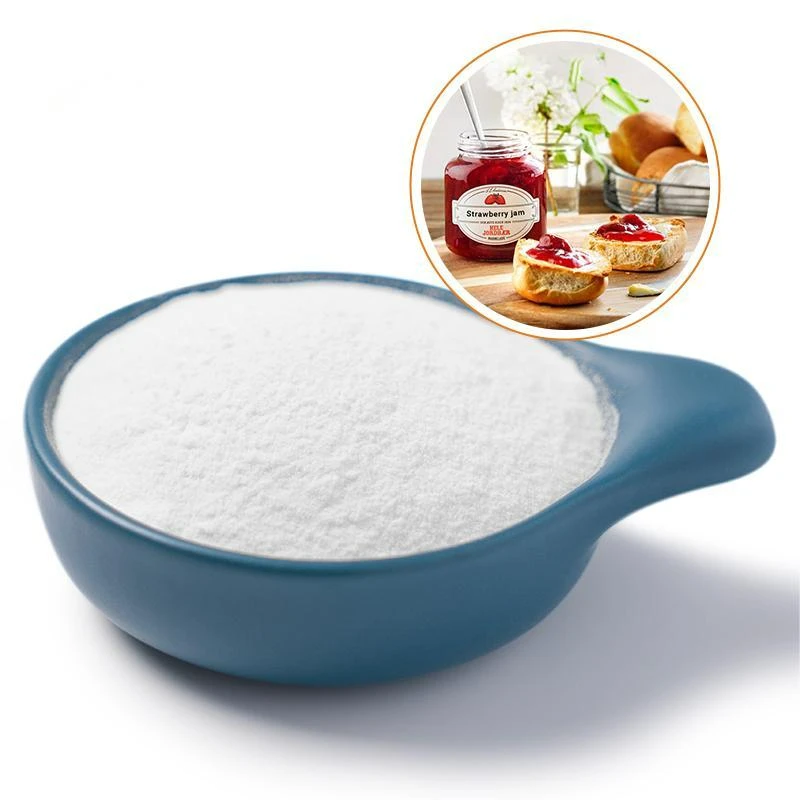
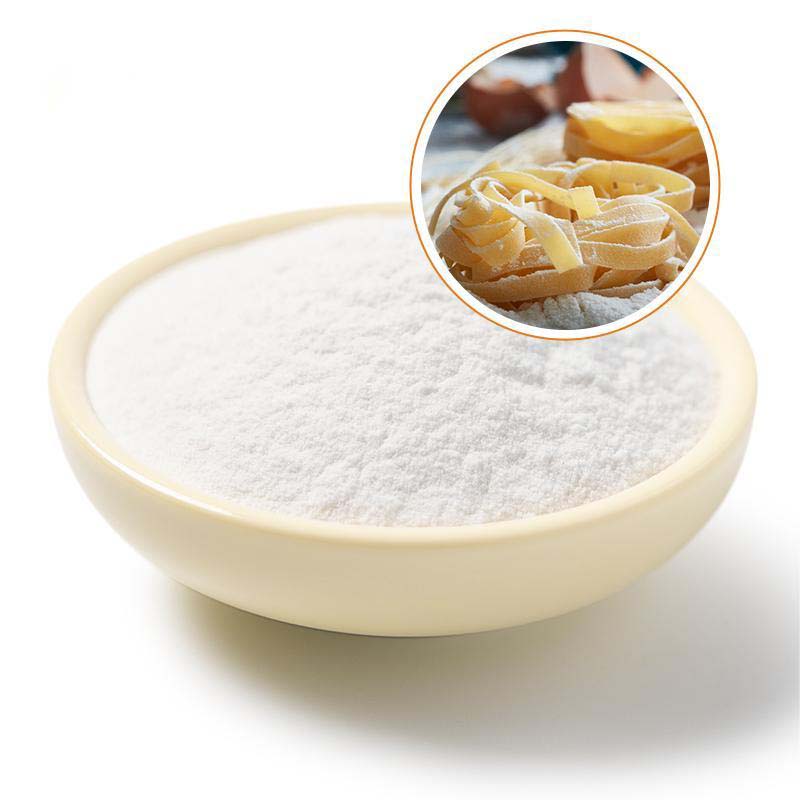
- Food & Beverages: Acts as a stabilizer and thickener for gluten-free baking, low-fat products, and edible coatings, reducing spoilage.
- Construction Materials: In eco-friendly drywall, plaster mixtures, and cement additives to improve workability and moisture resistance.
- Cosmetics: Helps create smooth lotions, gels, and shampoos that feel luxurious yet remain stable over time.
- Disaster Relief: NGOs use hydroxy propyl methyl-based pharmaceuticals and food packages to ensure long shelf life and safety during transport in post-disaster zones.
Regions like Southeast Asia and Sub-Saharan Africa have seen an uptick in hydroxy propyl methyl applications in humanitarian aid packaging, thanks partly to hydroxy propyl methyl suppliers that cater specifically to these needs.
Mini Takeaway:
Its universal compatibility makes hydroxy propyl methyl essential not only in daily products but for critical global health and infrastructure challenges.
Advantages and Long-Term Value of Hydroxy Propyl Methyl
Why do investors and engineers keep coming back to hydroxy propyl methyl? The answer lies in a blend of tangible and intangible benefits:
- Sustainability: Derived from plant-based cellulose, it’s inherently renewable and biodegradable, reducing plastic waste.
- Safety and Compliance: Meets stringent health regulations worldwide.
- Economic Efficiency: Often reduces raw material costs by improving formulation performance.
- Innovation Enabler: Supports emerging fields like 3D-printed medicines and bio-packaging.
- Trust & Reliability: Has decades of established use, reassuring end-users and manufacturers alike.
Product Specification Table
| Specification | Typical Values | Notes |
|---|---|---|
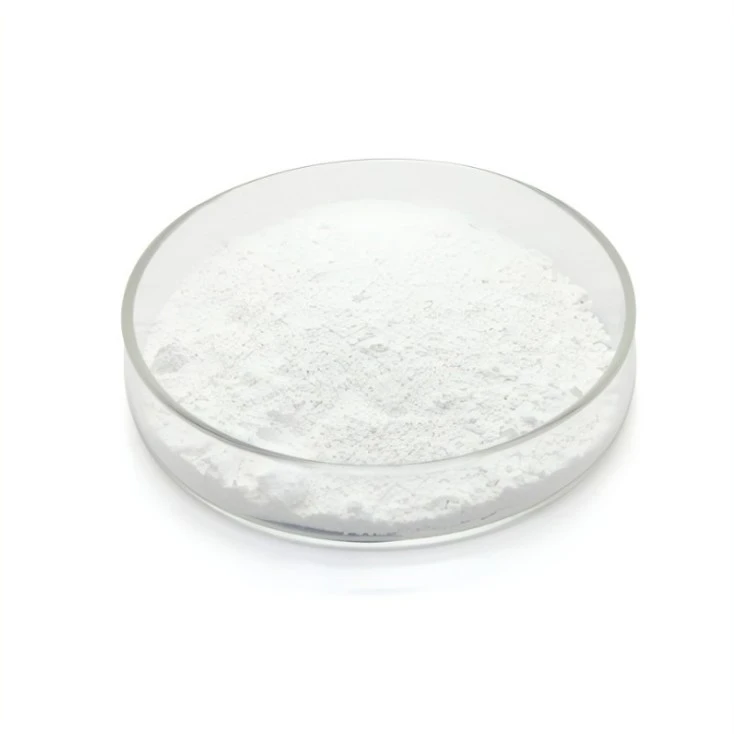
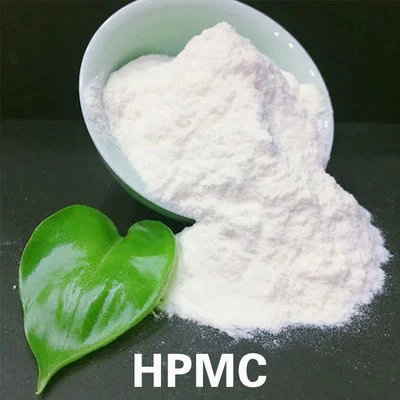
| Appearance | White to off-white powder | Depends on grade |
| Moisture Content | Ensures stability | |
| Viscosity (2% solution) | 50–1000 cP | Varies by type |
| pH Stability Range | 3–11 | Broad compatibility |
| Solubility | Cold Water Soluble | Forms gel when heated |
Vendor Comparison in Hydroxy Propyl Methyl Supply
| Vendor | Product Grades Offered | Global Reach | Sustainability Certifications | Price Level |
|---|---|---|---|---|
| CelluTech Industries | Pharma, Food, Construction | North America, Europe | ISO 14001, FSC Certified | $$$ |
| GreenCell Polymers | Eco-focused Food & Pharma | Asia, Africa | BRC, Organic Certifications | $$ |
| Pioneer HydroChem | Industrial & Specialty Grades | Worldwide | ISO 9001 | $$ |
Future Trends & Innovations
The hydroxy propyl methyl market doesn’t seem to have reached its peak yet. Frankly, as industries demand cleaner, smarter, and more efficient materials, research into combining hydroxy propyl methyl with nanoparticles, bioactive ingredients, and digital printing tech is underway. Imagine 3D-printed pills with tailored drug release profiles or smart food packaging that changes color to indicate spoilage — hydroxy propyl methyl is behind the scenes enabling these advances.
Environmentally, there’s growing pressure to create fully circular supply chains. Hybrid materials combining natural polymers and hydroxy propyl methyl are being designed to reduce carbon footprints further.
Challenges and Practical Solutions
Not everything is rosy, though. One ongoing issue with hydroxy propyl methyl is batch-to-batch variability, which sometimes leads to inconsistent viscosity or dissolution rates. Manufacturers combat this with tighter raw material selection and advanced quality control techniques.
Also, though biodegradable, ensuring complete environmental breakdown under real-world conditions sometimes requires formulation tweaks. Increasingly, vendors are blending it with other natural polymers to enhance this feature.
FAQ: Common Questions About Hydroxy Propyl Methyl
- What industries benefit most from hydroxy propyl methyl?
- Pharmaceuticals, food processing, construction, and cosmetics industries rely heavily on hydroxy propyl methyl for its binding, thickening, and film-forming properties, making formulations safer and longer-lasting.
- Is hydroxy propyl methyl safe for consumption?
- Yes, it’s approved by global regulatory bodies like FDA and EFSA, commonly used within food and drug products without known toxicity when used appropriately.
- How does hydroxy propyl methyl help in drug delivery?
- It controls the release rate of active ingredients by forming gels or coatings that dissolve slowly, ensuring consistent blood levels and improved efficacy.
- Can hydroxy propyl methyl be used in eco-friendly packaging?
- Absolutely. Its film-forming and biodegradable nature make it an excellent candidate for sustainable coatings and edible films that replace plastics in packaging.
- How do manufacturers ensure consistent quality?
- By employing strict raw material controls, in-process testing, and stabilization additives to minimize variability in viscosity and solubility.
Conclusion: Why Hydroxy Propyl Methyl Still Matters Tomorrow
In a world racing towards sustainable industry and smarter health solutions, hydroxy propyl methylcellulose and its relatives remain indispensable. The blend of environmental safety, versatile performance, and cost-effectiveness ensures it will continue to be a backbone polymer for decades. If you’re considering incorporating hydroxy propyl methyl into your next product line or need reliable suppliers, do visit our website — the future is already here, shaped by science in these humble powders.
Mini Takeaway:
A blend of tradition and innovation—hydroxy propyl methyl is quietly powering a more sustainable and effective industrial future.
References
-
Top Guide to Selecting Professional vae emulsion manufacturersNewsApr.16,2026
-
Viscosity of HPMCNewsApr.15,2026
-
HPMC Powder UsesNewsApr.15,2026
-
Understanding VAE Emulsion for Modern Industrial CoatingsNewsApr.09,2026
-
Comprehensive Guide to Redispersible Emulsion Powder and its ApplicationsNewsApr.07,2026
-
Comprehensive Guide to Redispersible Latex Powder for Construction ApplicationsNewsApr.04,2026