Comprehensive Guide to Hypromellose Grades: Applications, Benefits & Trends
Understanding Hypromellose Grades: Why They Matter in Today's Industries
If you’ve ever wondered how certain pharmaceutical coatings or eye drops maintain their consistency or controlled release, hypromellose is often at play—and not all hypromellose is created equal. The variations in its characteristics, classified as different hypromellose grades, determine everything from solubility to viscosity, impacting industries from pharmaceuticals to construction. Globally, knowing these grades isn't just a niche technical detail; it's key to optimizing product performance, safety, and sustainability.
In fact, the demand for hypromellose exploded alongside growth in controlled-release medications and biodegradable materials—two sectors closely monitored by international organizations like the UN and ISO for their sustainable development goals. So, diving into hypromellose grades isn’t just a technical exercise: it’s part of a broader conversation about innovation and responsibility worldwide.
The Global Context: Why Hypromellose Grades Have Gained Global Attention
Look beyond the lab, and the relevance of hypromellose grades becomes pretty clear. For one, the pharmaceutical market alone, valued at over $1.4 trillion in 2023 according to the World Bank, hinges on excipients like hypromellose for drug delivery systems.
Moreover, in industries such as food, cosmetics, and even construction (think adhesives and paints), understanding the nuances of hypromellose grades ensures consistency and compliance with international standards like ISO 8662 (which touches on cellulose ethers). This need has become urgent in emerging markets—where product safety standards are tightening but resources may be stretched thin.
It’s no accident that supply chains for hypromellose have begun emphasizing traceability and grading precision. Without them, manufacturers risk product recalls, inconsistent quality, or even regulatory roadblocks. Honestly, it’s one of those quietly critical components that often fly under the radar.
What Are Hypromellose Grades, Anyway?
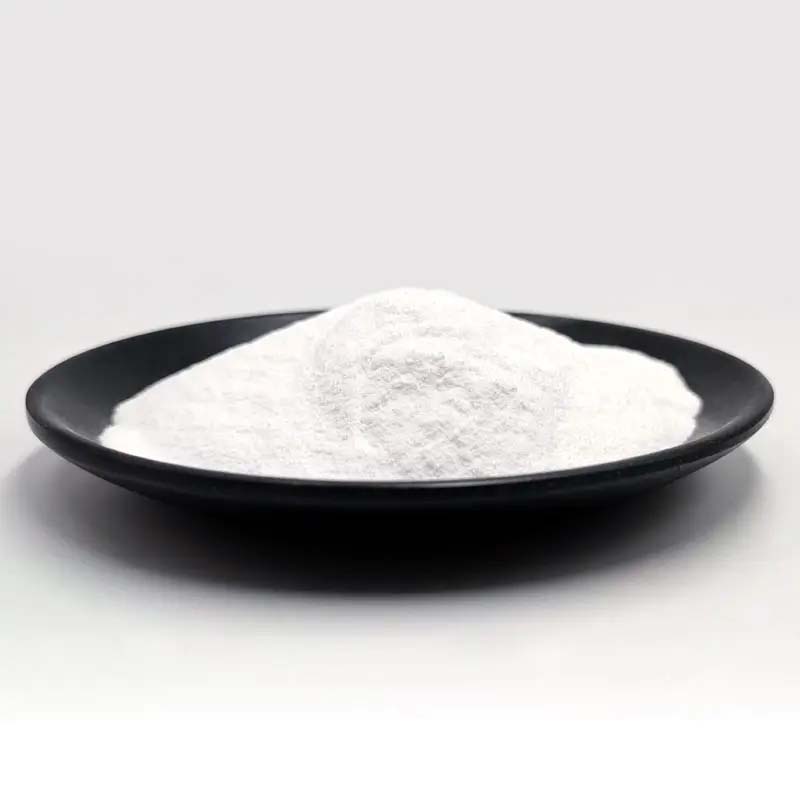
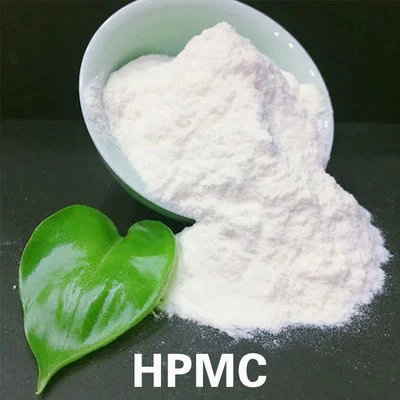
Simply put, hypromellose grades refer to classifications based on viscosity, substitution degree, and molecular weight of hydroxypropyl methylcellulose (HPMC) — the technical name for hypromellose. These grades influence how the material behaves once added to formulations.
Think of it like choosing the right flour for baking: cake flour, bread flour, and all-purpose flour each yield very different results. Similarly, a low-viscosity hypromellose grade might be ideal for eye drops requiring quick dissolution, while a higher viscosity grade suits extended-release tablets or thickened liquids.
In humanitarian or industrial settings, these differences might translate directly into product shelf-life, user safety, or ease of manufacturing. For example, humanitarian aid organizations deploying rapid-onset medications in hot climates rely on specific grades to maintain stability without refrigeration—something oddly challenging but crucial.
Mini Takeaway:
- Hypromellose grades categorize HPMC based on physical and chemical traits affecting their industrial uses.
- Choosing the right grade boosts product effectiveness and compliance with regulatory standards worldwide.
The Core Qualities That Define Hypromellose Grades
Viscosity
This determines how thick or thin the solution becomes when dissolved. In real terms, viscosity influences mixing, application ease, and final texture. Pharmaceutical tablets may require grades with viscosities ranging from 3,000 to over 100,000 mPa·s. High viscosity grades help control drug release rates, while low viscosities suit eye drops or wound gels.
Substitution Level
The degree and pattern of methyl and hydroxypropyl substitution on the cellulose backbone affect solubility and stability. More substitution can improve moisture resistance—important in tropical climates or humid warehouses.
Solubility
Some grades dissolve instantly in cold water, while others need heat. This impacts manufacturing processes and final product user experience. Imagine a consumer expecting instant rehydration in a suspension; the wrong grade can cause clumping or incomplete dissolution.
Thermal Stability
Does the grade maintain its properties under heat? This is vital in hot climates and industrial processes involving sterilization.
Purity and Additive Compatibility
Grades vary in purity levels depending on intended application, influencing safety and regulatory acceptance—pharmaceutical vs. food grade, for example. Compatibility with other additives or active ingredients matters enormously.
Mini Takeaway:
- Careful selection based on viscosity and chemical substitution tailors hypromellose to desired industrial purposes.
- Thermal and solubility properties should not be overlooked for stability and processing efficiency.
Hypromellose Grades in Global Use: From Pharma to Construction
Globally, hypromellose is a kind of silent hero across industries:
- Pharmaceuticals: Tablets with modified release, capsule coatings, and ophthalmic solutions rely on specific grades to meet stringent efficacy and safety requirements in markets like the US, EU, and Asia.
- Food Industry: Hypromellose grades act as thickening agents or emulsifiers, with Asia-Pacific markets growing fastest due to rising processed food consumption.
- Cosmetics: Hypromellose improves texture and moisture retention in creams and lotions.
- Construction & Paints: It’s used as a stabilizer and binder, making plasters and paint more durable and resistant to cracking.
- Humanitarian Applications: In rapid manufacturing of temporary medical supplies or water purification systems, hypromellose grades impact effectiveness and shelf life.
For example, in Southeast Asia’s monsoon-prone regions, choosing high thermal stability grades helps ensure pharmaceutical products don’t degrade before reaching patients. In North American and European construction zones, low-viscosity grades improve ease of use in tile adhesives—improving job site productivity.
Typical Product Specification Table for Hypromellose Grades
| Grade Code | Viscosity (mPa·s) | Methoxy % | Hydroxypropyl % | Solubility | Typical Use |
|---|---|---|---|---|---|
| HPMC-5 | 5,000 | 19.0–24.0% | 4.0–12.0% | Cold Water Soluble | Tablet binder, eye drops |
| HPMC-15 | 15,000 | 19.0–24.0% | 6.0–14.0% | Cold Water Soluble | Extended-release tablets |
| HPMC-100 | 100,000 | 19.0–24.0% | 7.0–16.0% | Requires Heating | Thickening agents, paints |
How Different Vendors Stack Up: A Quick Comparison
| Vendor | Range of Grades Offered | Price Competitiveness | Global Reach | Sustainability Initiatives |
|---|---|---|---|---|
| HyproChem Inc. | Wide (over 20 grades) | Mid-range | Strong in Europe, Asia | Active R&D for bio-based sources |
| CelluPure Ltd. | Moderate (10–15 grades) | Competitive pricing | North America focus | ISO 14001 certified plants |
| EcoMellose Partners | Niche (specialty grades) | Premium | Global delivery network | Focus on renewable cellulose sourcing |
Advantages and the Long-Term Value of Selecting the Right Hypromellose Grades
Beyond just the technical facts you see in datasheets, picking the right hypromellose grade has cascading benefits:
- Cost Savings: Efficient grades reduce raw material waste and improve manufacturing throughput.
- Sustainability: Many suppliers offer bio-based and biodegradable options, cutting environmental footprints.
- Reliability: Consistent quality improves product safety, patient trust, and regulatory compliance.
- Innovation: Tailored grades enable new product formats—think faster-dissolving tablets or improved topical gels.
- Social Impact: In developing regions, better-grade products mean improved health outcomes and access.
There’s an emotional side, too. Product developers often talk about “taking pride” in a formula that “just works,” avoiding recalls or safety issues. It’s that trust and dignity which, frankly, matters in medicine and consumer products—both seen and unseen by everyday users.
What’s Next? Future Trends in Hypromellose Grades
What excites many industry watchers is the intersection of hypromellose with sustainability and digital tech:
- Green Chemistry: More suppliers are developing hypromellose from cellulose sourced from responsibly managed forests or agricultural waste.
- Smart Formulations: Integration with sensors or digital tags to verify authenticity and shelf-life using specific grades optimized for those functionalities.
- Automation: Tailored grades simplifying production lines for pharmaceuticals and food products, enabling small-batch customizable manufacturing.
- Regulatory Evolution: Increasingly strict international standards will require deeper transparency in grade characteristics and supply chains.
While these trends are promising, we’ll probably see incremental rather than revolutionary shifts over the next decade. After all, something this foundational takes time to evolve.
Challenges and Practical Solutions When Working with Hypromellose Grades
One frustration engineers face is batch-to-batch variability, which can lead to inconsistent product performance. Testing standards and certifications help, but don’t entirely eliminate the risk. For less experienced formulators, identifying the right grade can feel like trial and error.
Another common hurdle is cost: premium grades can be pricey, deterring smaller manufacturers. Balancing purity, functionality, and price demands careful negotiation and supplier partnerships.
Innovative solutions include:
- Advanced rheological testing to predict grade behavior under real process conditions.
- Collaborative product development with suppliers offering tailored grades.
- Implementing strict QA/QC protocols leveraging digital tools for traceability.
FAQ: What People Often Ask About Hypromellose Grades
- Q: What is the difference between low and high viscosity hypromellose grades?
- A: Low viscosity grades dissolve more easily and suit applications requiring fast release, such as eye drops. High viscosity grades form thicker gels and are ideal for sustained-release pills or as binders in construction materials.
- Q: Can I substitute one hypromellose grade for another during production?
- A: Not without testing. Differences in dissolution and thermal stability can affect product quality. It’s best to use the grade specified for your formula or consult suppliers for compatible alternatives.
- Q: Are hypromellose grades safe for food and pharmaceutical use?
- A: Yes. Grades produced under Good Manufacturing Practices (GMP) and compliant with pharmacopeia standards are considered safe. Always verify certifications matching intended use.
- Q: How do environmental factors impact hypromellose grade choice?
- A: Humidity and temperature can affect stability and solubility. Selecting thermally stable and moisture-resistant grades helps maintain product integrity in harsh climates.
- Q: Is sourcing hypromellose grades globally complicated for small businesses?
- A: It can be, due to import regulations and supplier minimums. Partnering with distributors specializing in excipients and leveraging online platforms can ease procurement challenges.
Final Thoughts: The Subtle Power of Hypromellose Grades and Why They Deserve Your Attention
All this may sound like a lot of detail over a substance most consumers never see—but that’s exactly the point. Hypromellose grades shape the invisible architecture of many products we trust daily, quietly making them work better, longer, and safer.
Whether you’re a product developer, procurement specialist, or curious observer, diving into hypromellose grades unlocks new possibilities for innovation and sustainability. I encourage you to keep an eye on the evolving landscape—or better yet, start with reliable suppliers like those mentioned here. Your next project might just depend on it.
For more insights and product info, visit PezeTech’s hypromellose grades page and explore their detailed technical datasheets.
References
-
What Is VAE Powder? Complete Guide to Redispersible Polymer Powder (RDP) for ConstructionNewsApr.21,2026
-
HPMC Manufacturers in ChinaNewsApr.21,2026
-
What Is Redispersible Polymer Powder (RDP)? Complete Guide to VAE RDP for Mortar ApplicationsNewsApr.21,2026
-
Top Guide to Selecting Professional vae emulsion manufacturersNewsApr.16,2026
-
Viscosity of HPMCNewsApr.15,2026
-
HPMC Powder UsesNewsApr.15,2026