Comprehensive Guide to Hydroxypropyl Methylcellulose Solution | Uses & Benefits
What Is Hydroxypropyl Methylcellulose Solution and Why It Matters
Hydroxypropyl methylcellulose solution—quite a mouthful, right? But this seemingly technical ingredient quietly powers many important industries today, from pharmaceuticals to construction. Its global relevance has surged as manufacturers and researchers seek eco-friendly, versatile polymers for coating, thickening, and encapsulation tasks. Understanding this solution opens doors to innovations that improve safety, sustainability, and even human wellbeing worldwide.
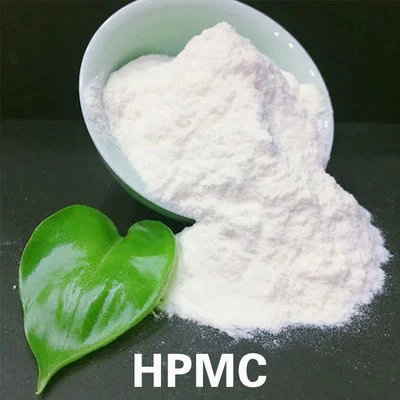
In simple terms, it’s a non-toxic, water-soluble polymer derived from cellulose (plant fiber). What’s so great about hydroxypropyl methylcellulose (HPMC) solutions is their ability to tailor viscosity and film-forming properties, making them a backbone for countless formulas and products. Considering global supply chain challenges and environmental concerns, knowing how HPMC solutions fit into the bigger picture is invaluable.
The Global Landscape: Why Hydroxypropyl Methylcellulose Solution Is Key Today
The world is more connected than ever—but supply chains for specialty materials like hydroxypropyl methylcellulose are often fragile. Recent stats from the Wikipedia and industry markets estimate the global cellulose ethers market to exceed $2 billion by 2027, growing roughly 6% annually. Factors like urbanization, rising demand for non-toxic additives, and sustainable building practices are pushing this growth.
Moreover, international standards such as ISO 9001 certification for quality management impact how suppliers produce HPMC, reassuring global buyers about consistency. Still, challenges like fluctuating raw material prices pose risks for industries relying on this solution.
Why does this matter to you? Well, if you’re in pharmaceuticals, food, or specialty chemicals, relying on a steady, sustainable source of hydroxypropyl methylcellulose solution means better product reliability, safety, and compliance. It’s also a powerful tool in environmental efforts—think less plastic, more biodegradable alternatives.
Getting to Know Hydroxypropyl Methylcellulose Solution
Put simply, hydroxypropyl methylcellulose solution is a viscous, tasteless polymer made by chemically modifying cellulose extracted from wood pulp or cotton. It’s fully water-soluble, inert, and resistant to enzymes that normally break down cellulose, giving it excellent stability.
In practical terms, it’s used as a thickener, emulsifier, binder, and film former across numerous products. Imagine a tablet coating that doesn’t flake, or a paint that spreads evenly without hazardous solvents—HPMC makes those possible.
This chemical marvel fits right into humanitarian and industrial needs because it’s non-toxic, biodegradable, and adaptable. Whether it’s helping stabilize medicines in developing regions or improving construction material workability, its value goes far beyond the lab.
Core Attributes of Hydroxypropyl Methylcellulose Solution
1. Viscosity Control
HPMC solutions are prized for fine-tuning thickness in liquids. Adjusting concentration or molecular weight lets formulators dial in properties from syrupy to nearly fluid. This makes it ideal for pharmaceuticals needing controlled release or paints needing optimal flow during application.
2. Temperature Stability
Unlike some polymers, HPMC maintains consistent performance across a broad temperature range. This robustness is why it’s used in hot climates or cold storage, without losing viscosity or film integrity.
3. Film-Forming Ability
Once dried, it forms smooth, transparent films that are flexible yet durable—great for coating tablets, food wraps, or construction facades. Plus, these films are breathable and non-toxic.
4. Chemical Compatibility
It works well in both acidic and alkaline environments, which broadens its applications in different industries, including cosmetics and detergents.
5. Biodegradability & Safety
Being cellulose-derived, HPMC solution is eco-friendly. It decomposes naturally without harmful residues, supporting sustainability commitments and reducing ecological footprint.
Mini takeaway: The versatility of hydroxypropyl methylcellulose solution stems from its controllable viscosity, thermal resilience, safe film-forming, and compatibility—traits that build trust in varied industries.
Real-World Applications: Where HPMC Solutions Shine
From the dusty streets of Delhi to modern labs in Europe, hydroxypropyl methylcellulose solutions find their place everywhere:
- Pharmaceuticals: As binders and coatings, they protect pills and control drug release, critical in global health.
- Construction: Improves mortar workability and adhesion, supporting resilient buildings especially in earthquake-prone zones.
- Food Industry: Acts as a stabilizer in gluten-free baking and as a fat replacer in low-calorie products.
- Cosmetics & Personal Care: Thickens creams and lotions without irritation—important for sensitive skin formulas.
- Paints & Coatings: Ensures smooth spread without VOCs, aiding environmental compliance.
For example, in disaster relief housing projects, HPMC-enhanced mortar significantly improves wall strength, enabling safer shelters in vulnerable areas.
Advantages & Long-Term Value of Hydroxypropyl Methylcellulose Solution
The benefits go beyond its technical capabilities:
- Cost Efficiency: Its water solubility reduces solvent use — lower costs and safer work environments.
- Sustainability: Derived from renewable resources and fully biodegradable.
- Social Impact: Enables better drug formulations and sustainable building materials, enhancing quality of life.
- Reliability: Consistent quality ensures manufacturers can meet regulatory standards across markets.
On an emotional note, products using HPMC feel safer to end users. Imagine a clean-label food thickener versus synthetic alternatives—it builds trust and brand loyalty.
Emerging Trends & Innovations
As the world pushes for greener, smarter materials, hydroxypropyl methylcellulose solutions evolve too. R&D focuses on:
- Nanotechnology Integration: Enhancing film strength and barrier properties for packaging.
- Digital Formulations: Using AI to predict optimal viscosity blends for new applications.
- Eco-certification: Meeting increasing standards globally like USDA Organic & COSMOS for cosmetics.
- 3D Printing Materials: HPMC’s gel properties serve as binders for bio-printing and construction printing.
So, while it might seem like just another polymer, its trajectory aligns with the future of sustainable manufacturing and circular economies.
Challenges & Practical Solutions
Despite all its perks, working with hydroxypropyl methylcellulose solutions can be tricky. Some issues include:
- Batch Consistency: Variations in raw cellulose sources affect output – mitigated by strict supplier auditing and ISO certifications.
- Drying Times: Film formation can slow down production in humid climates — addressed by modifying formulation or drying tech.
- Price Fluctuations: Dependent on wood pulp market and energy costs, which calls for strategic procurement and alternative sourcing.
Industry experts suggest combining HPMC with complementary polymers or additives to expand stability or reduce costs, a kind of teamwork solution.
Product Specification Table: Typical Hydroxypropyl Methylcellulose Solution
| Property | Typical Range | Unit |
|---|---|---|
| Viscosity (2% solution, 20°C) | 100 - 10,000 | mPa·s |
| pH (1% solution) | 5.0 - 8.5 | - |
| Moisture Content | % | |
| Methoxy Substitution | 19-30 | % (w/w) |
| Hydroxypropyl Substitution | 4-12 | % (w/w) |
Vendor Comparison: Leading Hydroxypropyl Methylcellulose Solution Suppliers
| Supplier | Product Grade | Price Range (USD/kg) | Certifications | Lead Time |
|---|---|---|---|---|
| ABC Chemicals | Pharma Grade | $25 - $32 | ISO9001, FDA | 2-3 weeks |
| Global Cellulose | Construction Grade | $15 - $22 | ISO9001, REACH | 1-2 weeks |
| EcoPolymer Co. | Food Grade | $28 - $35 | USDA Organic, ISO22000 | 3-4 weeks |
Frequently Asked Questions About Hydroxypropyl Methylcellulose Solution
Q1: What industries benefit the most from hydroxypropyl methylcellulose solution?
A1: It’s widely used across pharmaceuticals (tablet coatings and binders), construction (mortar additives), food and beverage (stabilizers), cosmetics, and paints. Each industry utilizes its thickening, binding, or film-forming properties, making it incredibly versatile.
Q2: Are HPMC solutions safe for use in foods and medicines?
A2: Absolutely. Hydroxypropyl methylcellulose solution is non-toxic, hypoallergenic, and meets global food and pharmaceutical safety standards including FDA and EFSA approvals.
Q3: How does hydroxypropyl methylcellulose solution contribute to sustainability?
A3: As a cellulose derivative, it’s made from renewable plant sources, biodegradable, and reduces reliance on synthetic polymers. Its water-based solubility also helps cut down volatile organic compounds (VOCs) in products.
Q4: Can HPMC solutions be customized for specific product needs?
A4: Yes! By varying molecular weight and concentration, manufacturers can adjust viscosity, film strength, and drying times, tailoring HPMC solutions to precise formulation requirements.
Q5: How do companies ensure consistent quality of hydroxypropyl methylcellulose?
A5: Relying on certified suppliers enforcing ISO management systems, batch testing, and raw material traceability is key. Many also perform in-house quality control during production to maintain steady performance.
Conclusion: The Long Road Ahead for Hydroxypropyl Methylcellulose Solution
From enhancing medication to making eco-friendly paint, hydroxypropyl methylcellulose solution quietly yet firmly pushes industries toward safer, sustainable solutions. With ongoing innovations and increasing global demand, its impact will only grow. For anyone building products that touch everyday lives — well, it’s worth getting familiar with this versatile polymer.
If you want to dive deeper or browse top-grade hydroxypropyl methylcellulose solutions, don’t hesitate to visit our website. Knowledge like this is a cornerstone of innovation after all.
References
-
Top Guide to Selecting Professional vae emulsion manufacturersNewsApr.16,2026
-
Viscosity of HPMCNewsApr.15,2026
-
HPMC Powder UsesNewsApr.15,2026
-
Understanding VAE Emulsion for Modern Industrial CoatingsNewsApr.09,2026
-
Comprehensive Guide to Redispersible Emulsion Powder and its ApplicationsNewsApr.07,2026
-
Comprehensive Guide to Redispersible Latex Powder for Construction ApplicationsNewsApr.04,2026