Understanding Hydroxypropyl Methylcellulose Gel in Industrial Use
Why Hydroxypropyl Methylcellulose Gel Still Holds Industrial Value
Having worked in the industrial equipment field for over 15 years, I’ve seen materials come and go — but hydroxypropyl methylcellulose (HPMC) gel? That one sticks around. It’s a somewhat underrated polymer gel used in everything from adhesives to controlled-release systems. If you’ve been around the block, you know that versatility like this doesn’t appear every day.
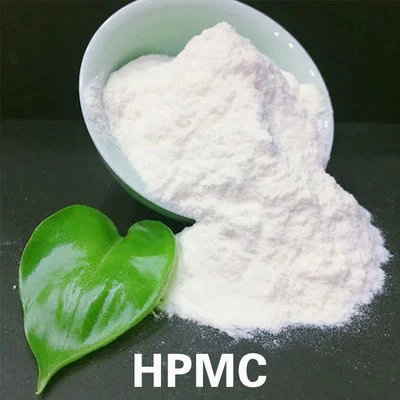
First off, don’t get bogged down by the fancy chemical name. Hydroxypropyl methylcellulose gel is essentially a water-soluble derivative of cellulose, modified to thicken, stabilize, or gel aqueous systems. Oddly enough, despite seeming like just another additive, it plays a crucial role in a variety of industrial formulas. I’ve personally found its ability to manage viscosity while maintaining clarity a real asset, especially in formulations that require stability over a range of temperatures.
What Sets This Gel Apart: Specs and Applications
In real terms, the specs matter a lot — but so does how they translate on the plant floor. HPMC gel, usually supplied as a high-viscosity material, comes in a range of grades. By controlling the molecular weight and substitution degree, manufacturers deliver gels that behave differently under stress or drying conditions. The gel works as a binder, thickener, or film former, which has made it popular in pharmaceutical coatings, paints, and even food packaging.
| Specification | Typical Value | Notes |
|---|---|---|
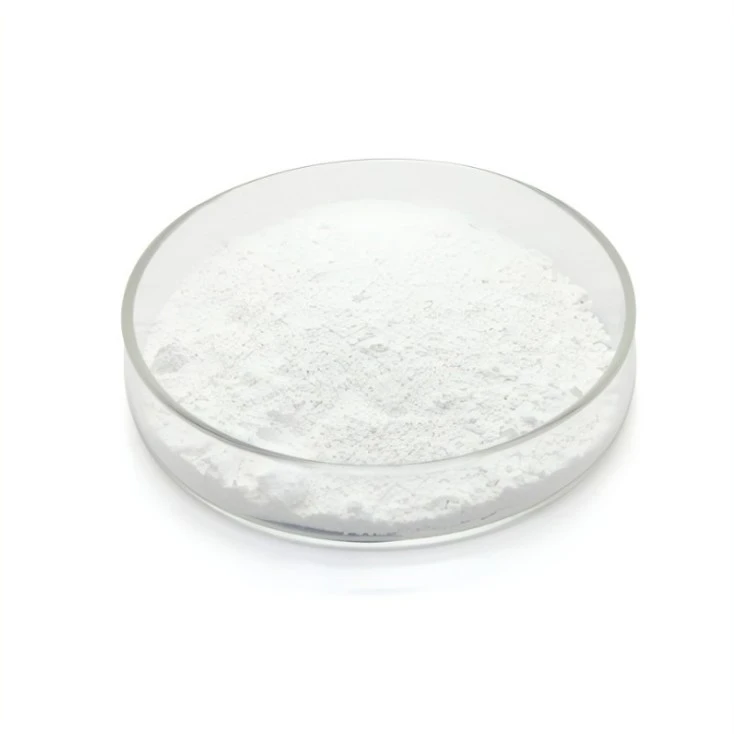
| Appearance | White to off-white gel | Viscous and smooth |
| Viscosity (2%aqueous solution) | 1000 – 20000 mPa·s | Determines thickening power |
| pH Range | 4.0 – 10.0 | Stable across a broad pH range |
| Solubility | Water soluble | Essential for easy formulation |
| Storage stability | 12 months (dry, cool) | Shelf life can vary by batch |
Choosing the Right Supplier: A Vendor Comparison
One thing I’ve encountered repeatedly is that not all suppliers offer the same quality or customization options. Industrial users want not only consistency but also the ability to tweak formulations to meet exacting specs. I’ve worked with a handful of providers, and I've summarized a few points to weigh before committing:
| Vendor | Typical Delivery Time | Customization Options | Price Range (per kg) | Technical Support |
|---|---|---|---|---|
| Pezetech | 3-5 days | Full grade customization | $7 - $12 | Excellent, 24/7 |
| InduChem | 7-10 days | Limited to viscosity grades | $6 - $10 | Standard business hours |
| PolyGel Co. | 5-8 days | Offers blends with other polymers | $8 - $14 | Good, email response |
Reflections from the Field
There was this one time, years ago on a project for a packaging client, where swapping in an HPMC gel formulation helped improve the film’s moisture barrier noticeably — a game-changer for their product line. It felt almost like discovering a secret ingredient that made everything “click.” Engineers often overlook such polymers in favor of flashy new materials, but HPMC gels quietly keep proving their worth.
Ultimately, choosing the right hydroxypropyl methylcellulose gel supplier and product grade can save more headaches down the line than a quick cost check might suggest. For that reason alone, I’d recommend hydroxypropyl methylcellulose gel specialists like Pezetech — reliable, customizable, and frankly, supportive when things get complicated.
It’s one of those materials that’s easy to take for granted but painful when missing or substituted inadequately. So next time you’re on a supply call or formulating from scratch, remember there’s a reason it’s still around after all these years.
References & Notes
- Industrial Polymers Handbook, 4th Ed. – Practical Uses of Cellulose Derivatives
- Personal experience working with HPMC gels in packaging and adhesives
- Supplier specs: Pezetech & Industry Whitepapers (2023)
-
Top Guide to Selecting Professional vae emulsion manufacturersNewsApr.16,2026
-
Viscosity of HPMCNewsApr.15,2026
-
HPMC Powder UsesNewsApr.15,2026
-
Understanding VAE Emulsion for Modern Industrial CoatingsNewsApr.09,2026
-
Comprehensive Guide to Redispersible Emulsion Powder and its ApplicationsNewsApr.07,2026
-
Comprehensive Guide to Redispersible Latex Powder for Construction ApplicationsNewsApr.04,2026