Understanding Reactive Dyeing Color for Exceptional Textile Performance
Understanding Reactive Dyeing Color for Textile Excellence
In the vibrant world of textile manufacturing, achieving the perfect color is paramount. Reactive dyeing color stands out as a leading solution, offering exceptional brightness, wash fastness, and a wide range of shades. This article will delve into the intricacies of reactive dyes, exploring their applications, advantages, and the science behind their superior performance. Whether you're a textile designer, manufacturer, or simply curious about the process, understanding reactive dyeing is key to unlocking high-quality and sustainable textile production.
What Are Reactive Dyes?
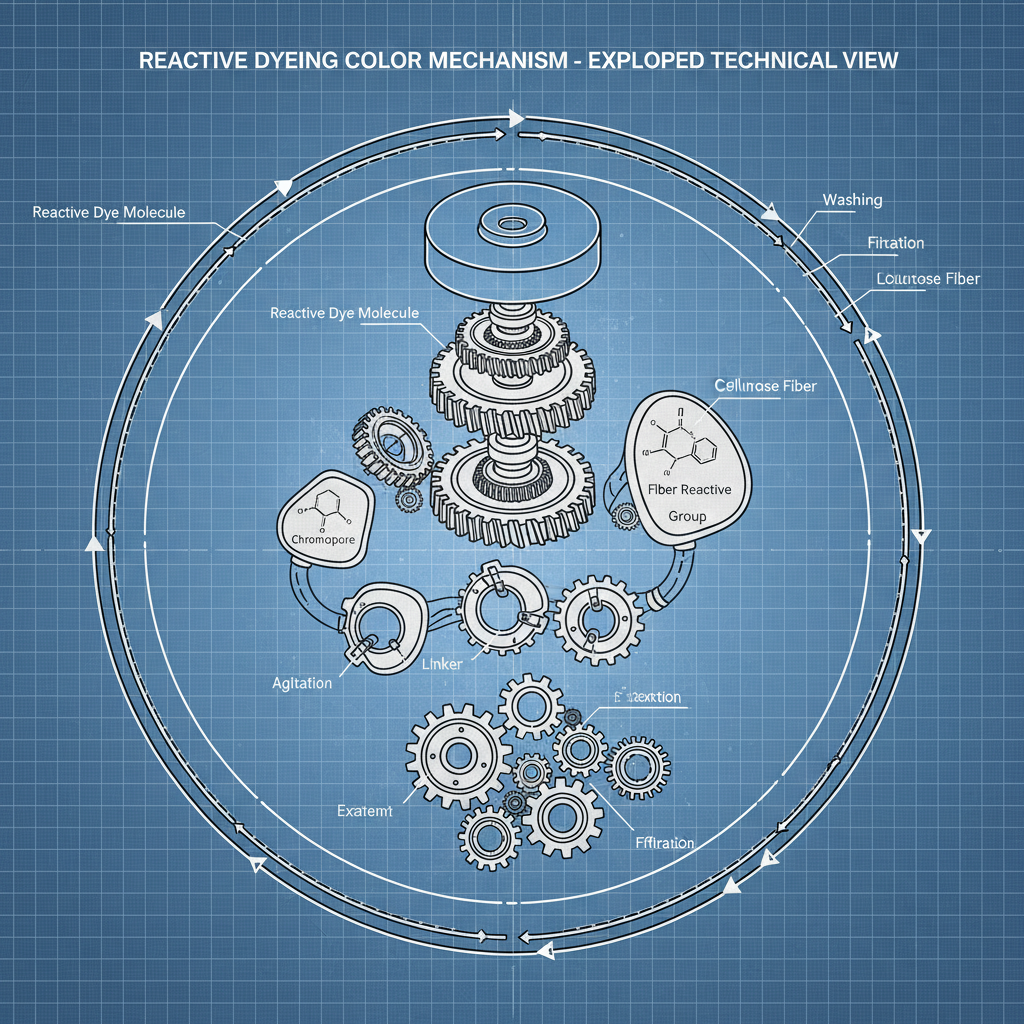
Reactive dyes are a class of highly versatile colorants used to dye cellulose fibers such as cotton, linen, and viscose. Unlike some other dye types, reactive dyes form a covalent bond with the fiber molecules, creating a permanent and exceptionally wash-resistant color. This chemical reaction is what gives reactive dyes their name and their superior performance. The process involves the dye molecule reacting with hydroxyl groups on the cellulose, creating a strong, stable link. This makes them ideal for textiles that undergo frequent washing, like clothing and home furnishings.
Key Highlights: Reactive dyes form a covalent bond with the fiber, resulting in excellent wash fastness and color brilliance.
The Science Behind Reactive Dyeing Color
The reactive dyeing process hinges on a carefully controlled chemical reaction. The dye molecule contains a reactive group, which, under specific conditions of temperature, pH, and electrolyte concentration, forms a covalent bond with the hydroxyl groups of the cellulose fiber. Different reactive dye classes utilize various reactive groups, each offering unique properties in terms of reactivity, fixation rate, and fastness characteristics. Understanding these chemical nuances is crucial for optimizing the dyeing process and achieving the desired results. Pezetech offers expert guidance on selecting the optimal reactive dyes for specific applications.
Key Factors in Reactive Dyeing:
• Temperature: Optimal temperature is crucial for efficient dye fixation.
• pH: Maintaining the correct pH level enhances dye reactivity.
• Electrolyte Concentration: Electrolytes aid in dye exhaustion and fixation.
• Dye Class: Different dye classes offer varying levels of reactivity and fastness.
Reactive Dyeing Color vs. Other Dye Types
Compared to other dyeing methods like direct dyeing or vat dyeing, reactive dyeing excels in several key areas. Direct dyes offer simpler application but suffer from poor wash fastness. Vat dyes provide excellent fastness but involve a complex and environmentally demanding process. Reactive dyeing strikes a balance between ease of use, vibrant colors, and exceptional durability. The covalent bond formed ensures that the color remains locked in the fabric, even after numerous washes. This makes reactive dyeing the preferred choice for high-performance textiles.
Applications of Reactive Dyes in the Textile Industry
The versatility of reactive dyeing color makes it suitable for a vast array of textile applications. From vibrant fashion apparel to durable home textiles and industrial fabrics, reactive dyes deliver exceptional performance. They are particularly favored for dyeing cotton knitwear, denim, and children's clothing, where wash fastness is critical. Furthermore, reactive dyes are widely used in the production of printed fabrics, offering brilliant colors and sharp designs.
Choosing the Right Reactive Dye Supplier
Selecting a reputable supplier is crucial for consistent quality and reliable performance. Pezetech is a leading provider of high-quality reactive dyes, offering a comprehensive range of colors and technical support. We prioritize sustainability and environmental responsibility, ensuring our dyes meet stringent industry standards. Partnering with a trusted supplier like Pezetech will streamline your dyeing process and ensure exceptional results.
Conclusion: Reactive Dyeing – A Cornerstone of Modern Textile Production
Reactive dyeing color remains a cornerstone of modern textile production, offering unparalleled performance, vibrancy, and durability. By understanding the science behind this process and choosing a reliable supplier like Pezetech, you can unlock the full potential of your textile creations.
Frequently Asked Questions (FAQs)
What is the environmental impact of reactive dyeing?
Reactive dyeing can generate wastewater containing unfixed dye. However, modern dye formulations and optimized processes minimize this impact. Furthermore, advanced wastewater treatment technologies can effectively remove residual dyes. Pezetech offers environmentally friendly dye options and supports sustainable dyeing practices.
What types of fabrics are best suited for reactive dyeing?
Reactive dyes are ideally suited for cellulosic fibers like cotton, linen, viscose, and ramie. These fibers contain hydroxyl groups that readily react with the dye molecules. While less common, reactive dyes can also be adapted for use on silk and wool with appropriate modifications to the dyeing process.
How do I ensure proper dye fixation during reactive dyeing?
Proper dye fixation requires careful control of temperature, pH, electrolyte concentration, and dyeing time. Using the correct auxiliaries and ensuring adequate dye exhaustion are also crucial. Pezetech provides detailed technical guidance and support to optimize your dyeing process.
What are the different classes of reactive dyes?
There are several classes of reactive dyes, including Mono-chlorotriazine, Di-chlorotriazine, Vinyl Sulphone, and Bi-functional reactive dyes. Each class possesses unique reactivity and fastness properties, making them suitable for different applications and dyeing conditions.
-
Top Guide to Selecting Professional vae emulsion manufacturersNewsApr.16,2026
-
Viscosity of HPMCNewsApr.15,2026
-
HPMC Powder UsesNewsApr.15,2026
-
Understanding VAE Emulsion for Modern Industrial CoatingsNewsApr.09,2026
-
Comprehensive Guide to Redispersible Emulsion Powder and its ApplicationsNewsApr.07,2026
-
Comprehensive Guide to Redispersible Latex Powder for Construction ApplicationsNewsApr.04,2026