Understanding Reactive Dyeing Meaning and its Comprehensive Applications
Reactive Dyeing Meaning: A Comprehensive Guide
Reactive dyeing is a highly versatile and widely used method for coloring cellulose fibers like cotton, linen, and rayon. Understanding the process of reactive dyeing is crucial for textile manufacturers and those involved in the textile industry. This article provides a detailed overview of reactive dyeing, its principles, advantages, disadvantages, and applications. We'll explore how it differs from other dyeing methods and why it's a preferred choice for many textiles. Choosing the right dyeing method is vital for achieving vibrant, long-lasting colors and meeting quality standards.
What is Reactive Dyeing?
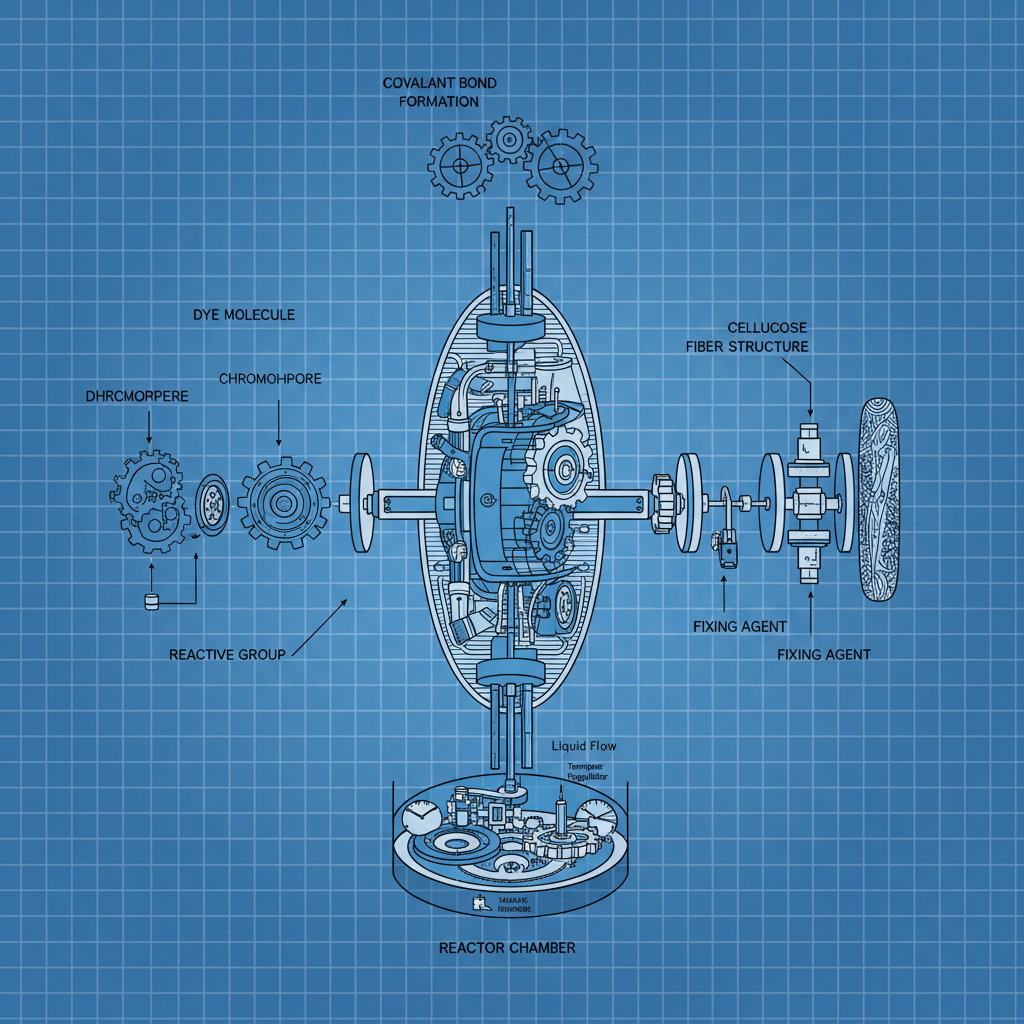
At its core, reactive dyeing involves a chemical reaction between the dye molecule and the fiber molecule. This reaction forms a covalent bond, creating a permanent connection. Unlike other dyeing methods where the dye is simply held within the fiber structure, reactive dyes actually become part of the fiber itself. This results in exceptional wash fastness and color retention. The dyes contain reactive groups – functional groups capable of forming covalent bonds with hydroxyl groups in cellulose fibers. This chemical bonding makes the dyeing process particularly effective on materials like cotton, which are known for their absorbency. Pezetech provides expert solutions in reactive dyeing and textile chemical applications.
Key Highlights: Reactive dyes form a covalent bond with the fiber, resulting in exceptional wash fastness and color retention. They are particularly effective on cellulose fibers like cotton and linen.
The Reactive Dyeing Process: A Step-by-Step Breakdown
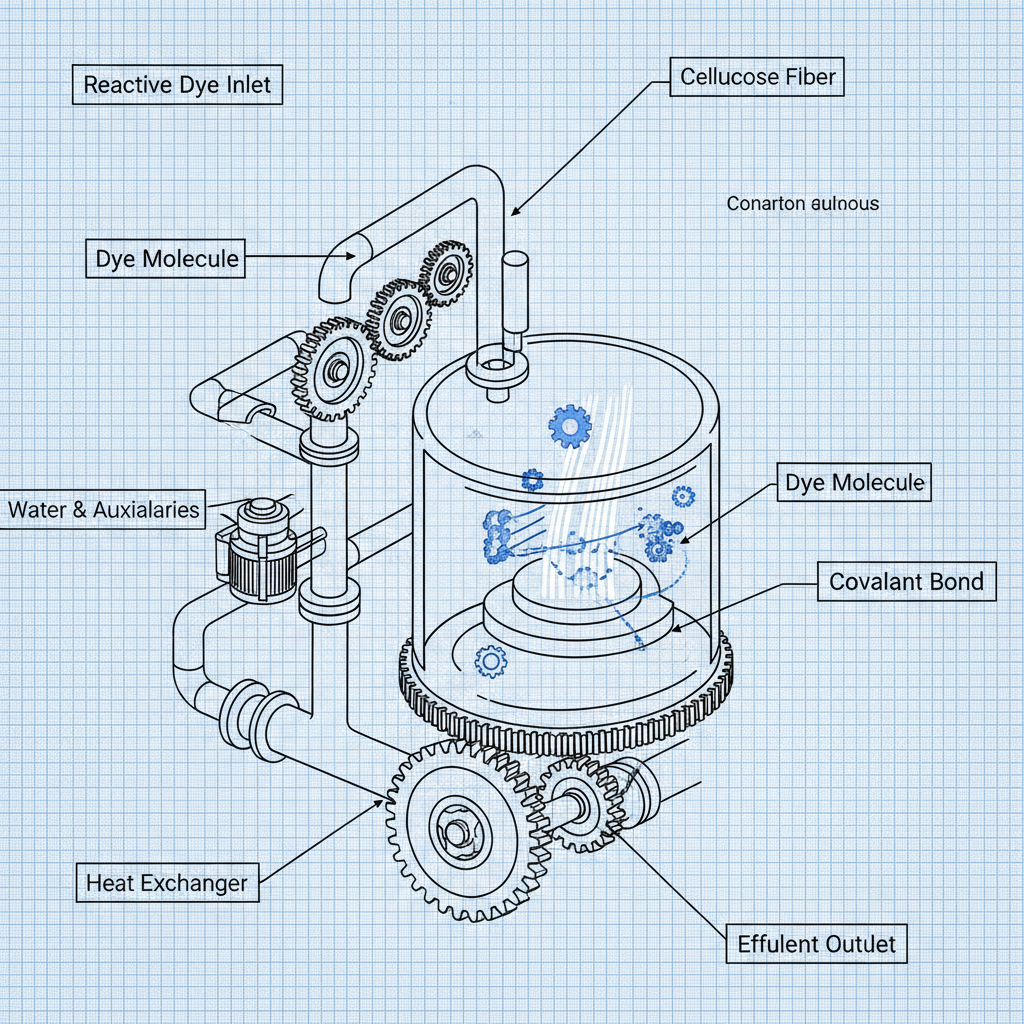
The reactive dyeing process typically involves several key steps: preparation, dye dissolution, exhaustion, fixation, and finishing. First, the fabric is prepared by scouring and bleaching to remove impurities and ensure proper dye penetration. The reactive dye is then dissolved in water, often with the addition of auxiliaries to aid solubility and dispersion. The fabric is immersed in the dye bath, and the dye molecules begin to exhaust (move) from the solution onto the fiber surface. This exhaustion is influenced by factors like temperature, pH, and electrolyte concentration. The crucial fixation step involves raising the temperature and adjusting the pH to activate the reactive groups and facilitate the chemical bond formation. Finally, the fabric undergoes washing and finishing processes to remove unfixed dye and improve its overall appearance and handle.
Key Steps in Reactive Dyeing:
• Preparation: Scouring and bleaching of the fabric
• Dye Dissolution: Dissolving the dye in water with auxiliaries
• Exhaustion: Dye moving from solution to the fiber
• Fixation: Chemical bond formation between dye and fiber
• Finishing: Washing and improving fabric appearance
Reactive Dyeing vs. Other Dyeing Methods
Reactive dyeing stands apart from other methods like direct dyeing, vat dyeing, and disperse dyeing in several key ways. Direct dyes are simpler to apply but offer poor wash fastness. Vat dyes provide excellent fastness but require a more complex and environmentally demanding process. Disperse dyes are primarily used for synthetic fibers like polyester. Reactive dyeing strikes a balance, offering excellent fastness properties on cellulose fibers with a relatively manageable process. The chemical bond formed in reactive dyeing is the primary differentiator, ensuring superior color retention compared to methods relying on physical absorption or entrapment. Pezetech offers comprehensive solutions for optimizing dyeing processes for various fiber types.
Applications of Reactive Dyes
Reactive dyes are incredibly versatile and find applications in a wide range of textile products. They are commonly used for dyeing apparel, home textiles (bedding, curtains, towels), and industrial fabrics. Their bright, vibrant colors and excellent wash fastness make them particularly suitable for items that are frequently laundered. The ability to achieve a wide spectrum of shades also makes them a popular choice for fashion and interior design. Moreover, advances in reactive dye technology have led to the development of eco-friendly options, further expanding their appeal.
Environmental Considerations and Sustainability
While reactive dyeing offers numerous benefits, it's important to address environmental concerns. Traditionally, reactive dyeing processes generate significant amounts of wastewater containing unfixed dye and auxiliary chemicals. However, advancements in dye chemistry and process optimization are minimizing these impacts. Techniques like salt reduction, dye recycling, and the use of bio-degradable auxiliaries are becoming increasingly prevalent. Pezetech is committed to providing sustainable dyeing solutions that minimize environmental footprint.
Conclusion: The Power of Reactive Dyeing
Reactive dyeing remains a cornerstone of the textile industry, providing vibrant, durable, and versatile coloration for a wide range of fabrics. While environmental concerns exist, ongoing innovations are addressing these challenges and promoting sustainable practices. By understanding the principles and applications of reactive dyeing, textile professionals can optimize their processes and create high-quality, environmentally responsible products. Pezetech is your trusted partner for reactive dyeing solutions.
Frequently Asked Questions (FAQs)
What are the main advantages of reactive dyeing?
The primary advantages of reactive dyeing include excellent wash fastness, bright and vibrant colors, a wide range of achievable shades, and suitability for cellulose fibers. The covalent bond formed between the dye and fiber ensures long-lasting color retention, even after repeated washing. Reactive dyes also offer good light fastness, making them ideal for textiles exposed to sunlight.
What factors influence the fixation rate in reactive dyeing?
Several factors influence the fixation rate, including temperature, pH, electrolyte concentration, dye concentration, and the presence of auxiliaries. Higher temperatures generally promote faster fixation, but excessive heat can lead to dye degradation. Maintaining the optimal pH is crucial for activating the reactive groups. Electrolytes enhance dye exhaustion, while auxiliaries can improve dye solubility and leveling. Precise control of these parameters is essential for achieving a high fixation rate and minimizing dye waste.
How can the environmental impact of reactive dyeing be reduced?
Several strategies can minimize the environmental impact. These include reducing salt usage, recycling dye baths, using biodegradable auxiliaries, optimizing water usage through closed-loop systems, and employing innovative dye formulations with higher fixation rates. Investing in efficient wastewater treatment technologies is also essential for removing residual dyes and pollutants before discharge. Pezetech offers eco-friendly dyeing solutions to help reduce your environmental footprint.
Is reactive dyeing suitable for all types of fabrics?
Reactive dyeing is primarily used for cellulose fibers such as cotton, linen, rayon, and viscose. While it can be adapted for some protein fibers like silk with modifications, it is not typically used for synthetic fibers like polyester or acrylic. Different dye classes are more suitable for synthetic fibers, such as disperse dyes for polyester.
-
Top Guide to Selecting Professional vae emulsion manufacturersNewsApr.16,2026
-
Viscosity of HPMCNewsApr.15,2026
-
HPMC Powder UsesNewsApr.15,2026
-
Understanding VAE Emulsion for Modern Industrial CoatingsNewsApr.09,2026
-
Comprehensive Guide to Redispersible Emulsion Powder and its ApplicationsNewsApr.07,2026
-
Comprehensive Guide to Redispersible Latex Powder for Construction ApplicationsNewsApr.04,2026