What Is Polyvinyl Alcohol Used For? Key Industrial Applications
What Is Polyvinyl Alcohol Used For? A Practical Look
Having spent years working hands-on in the industrial equipment sector, I've had my fair share of materials come across the bench. One that’s piqued my attention repeatedly is polyvinyl alcohol—PVA for short. Frankly, it’s one of those polymers that’s quietly everywhere but doesn’t make much noise. Yet, when you start to peel back the layers, it’s surprisingly versatile and essential in many sectors.
In real terms, polyvinyl alcohol is a synthetic polymer, recognized primarily for its water solubility and excellent film-forming properties. I first encountered it during a project that involved biodegradable packaging, and honestly, I was impressed by how it combined strength with eco-friendly disposal. You know, it’s that rare blend of durability with the ability to dissolve harmlessly, which many engineers say makes it a star player in sustainable materials.
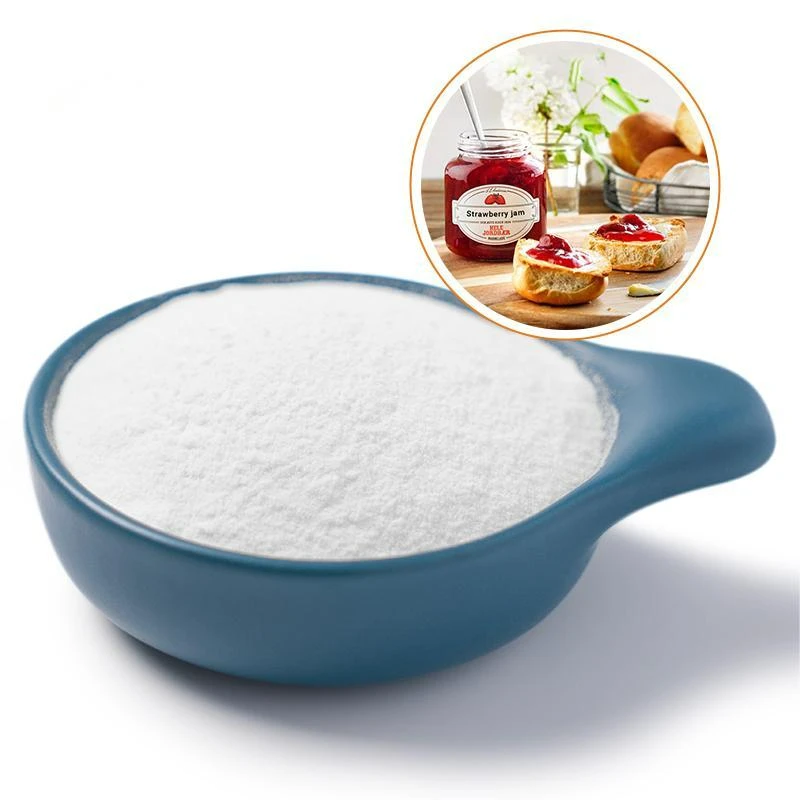
But that’s just scratching the surface. Polyvinyl alcohol finds itself at home in textile sizing, paper coatings, adhesives, and especially in the manufacturing of sponges that dissolve in water—oddly enough, something neither obvious nor trivial. Plus, its usage in the production of protective films, thanks to its oxygen barrier qualities, seals the deal for food packaging applications.
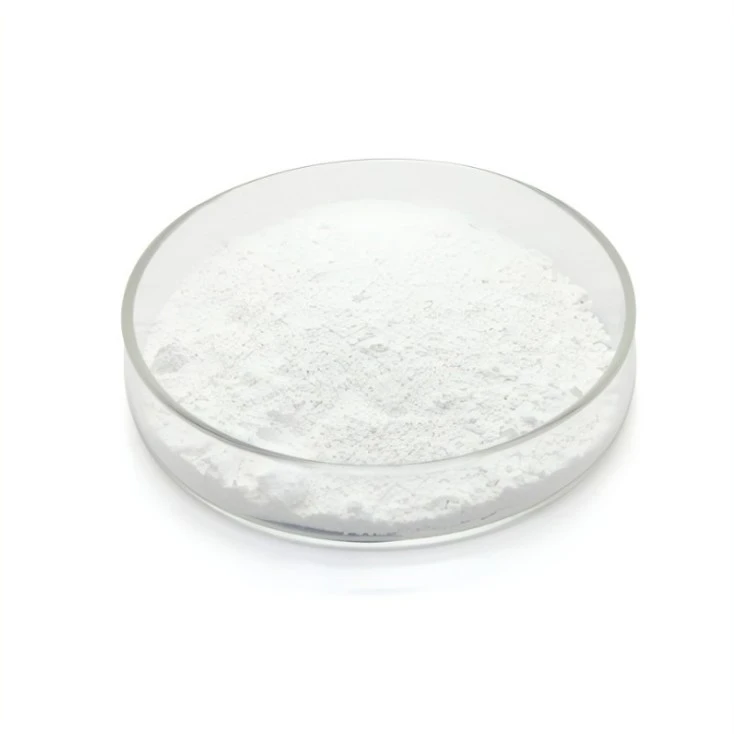
What’s fascinating is the adaptability of PVA in different grades and forms — from powders to granules to films. Its film properties, such as tensile strength and flexibility, can be tweaked easily by manufacturers depending on the needs of the end-users, a feature I noticed particularly when collaborating with suppliers who provided tailored versions for specialized industrial uses.
| Polyvinyl Alcohol Typical Specifications | Value / Range |
|---|---|
| Degree of Hydrolysis | 87-99% |
| Viscosity (4% aqueous solution) | 4-30 mPa·s |
| Particle Size | 5-30 microns (typical) |
| Appearance | White granules or powder |
| Solubility | Water soluble, insoluble in most organic solvents |
Of course, the quality and consistency of polyvinyl alcohol can vary widely based on the supplier. Over the years, I’ve worked with a handful of vendors, and it pays to scrutinize their specs carefully, especially if your application demands precise film strength or controlled solubility rates. Here's a simple rundown comparing three common suppliers I’ve dealt with:
| Vendor | Degree of Hydrolysis (%) | Viscosity (mPa·s) | Typical Application Focus | Packaging Options |
|---|---|---|---|---|
| Pezetech | 88-98 | 6-20 | Water-soluble films, adhesives | Bulk bags, customized sizes |
| Supplier A | 90-99 | 10-25 | Textile sizing, adhesives | Sacks only |
| Supplier B | 87-95 | 4-15 | Biodegradable packaging films | Varied - bulk & retail |
One of the more interesting stories I remember revolves around a small packaging company that switched their film supplier to a high-grade polyvinyl alcohol product. Their takeaway? Enhanced film clarity and simplified recycling efforts boosted customer satisfaction. It feels like, in the end, the devil is in the detail, and choosing the right grade can make all the difference.
All in all, I suppose polyvinyl alcohol is one of those industrial materials that rewards a bit of curiosity. It’s subtle, versatile, and frankly, more important than many realize in the push for sustainable, efficient manufacturing. Whether it’s in adhesives, textile processing, or dissolvable packaging, it quietly keeps working behind the scenes.
And if you’re curious to explore further, you might want to check out Pezetech's offerings, who have been a solid resource in quality polyvinyl alcohol products in my experience.
Here’s to discovering the quiet heroes of the industrial world one polymer at a time.
References:
1. Industrial Polymers Handbook, 3rd Ed.
2. Textile Sizing and Coatings Journal, 2021 Edition.
3. Sustainable Packaging Review, 2023.
-
Top Guide to Selecting Professional vae emulsion manufacturersNewsApr.16,2026
-
Viscosity of HPMCNewsApr.15,2026
-
HPMC Powder UsesNewsApr.15,2026
-
Understanding VAE Emulsion for Modern Industrial CoatingsNewsApr.09,2026
-
Comprehensive Guide to Redispersible Emulsion Powder and its ApplicationsNewsApr.07,2026
-
Comprehensive Guide to Redispersible Latex Powder for Construction ApplicationsNewsApr.04,2026