Redispersible Polymer Powder for Tile Adhesive
In modern construction, achieving durable and reliable tile installations requires advanced materials that can withstand various stresses, environmental conditions, and long-term use. One of the key innovations driving improvements in tile adhesive formulations is redispersible polymer powder (RPP). This versatile additive offers a combination of mechanical reinforcement, flexibility, and water resistance, making it an essential component in high-performance tile adhesives.
What Is Redispersible Polymer Powder?
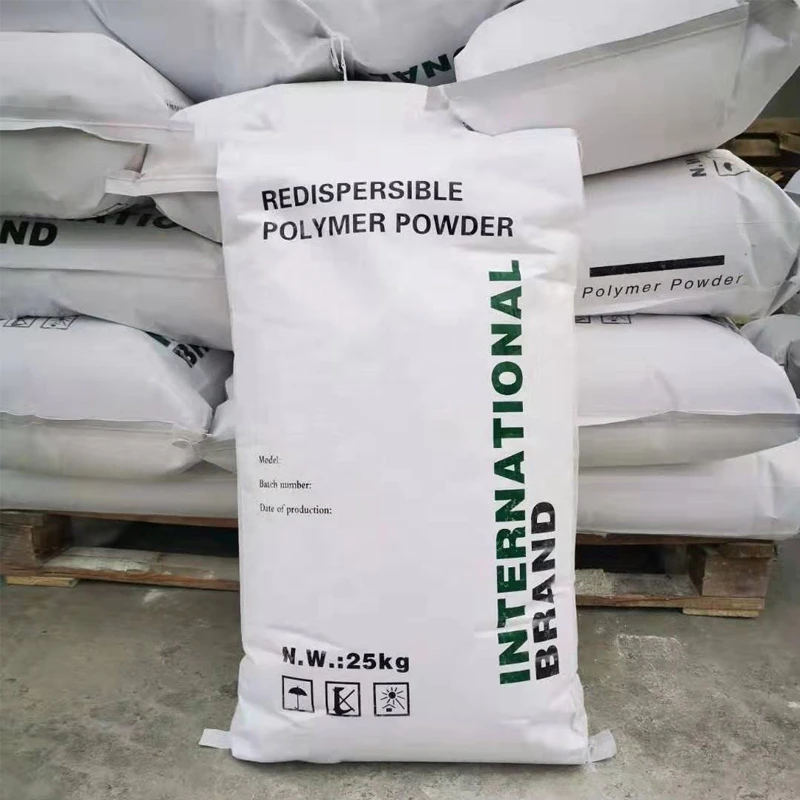
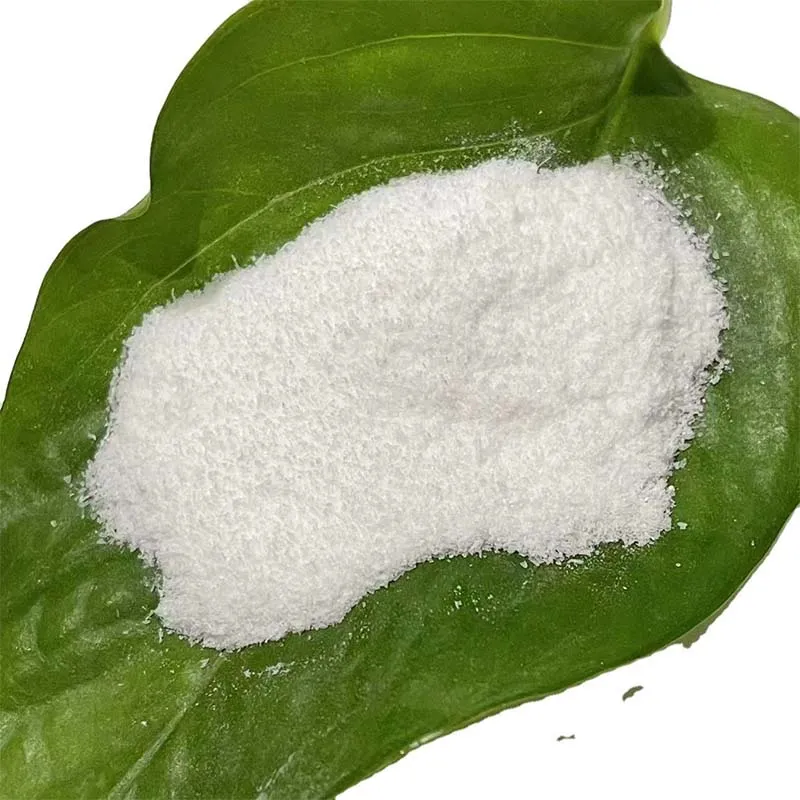
Redispersible polymer powder for tile adhesive is a dry polymeric material derived from vinyl acetate, ethylene, or similar polymers, engineered to disperse in water and form a cohesive film. When mixed with cement, sand, and other components, RPP improves the adhesion, flexibility, and overall performance of tile adhesives. Its redispersion ability ensures that the polymer retains its functional properties after storage and transportation, making it a convenient and reliable additive for manufacturers.
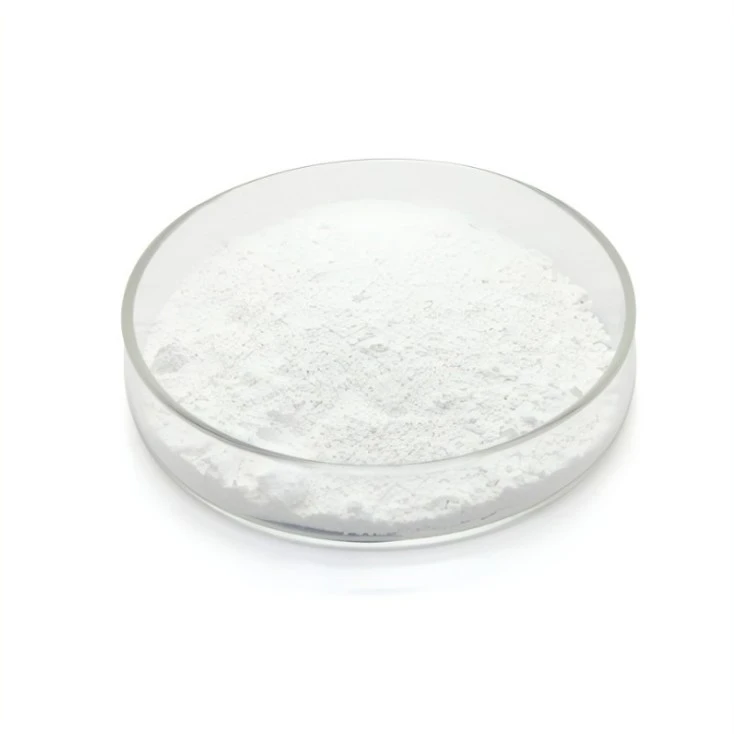
The polymer powder is produced through a careful drying and spray-drying process, resulting in fine particles that can be easily incorporated into dry-mix adhesives. Once rehydrated during the mixing process, these powders provide a uniform polymer network throughout the adhesive, enhancing both the mechanical strength and water retention of the final product.
Benefits of Using Redispersible Polymer Powder in Tile Adhesives
-
Improved Adhesion: RPP significantly enhances the bond between tiles and substrates. By forming a flexible polymer film within the adhesive matrix, it ensures stronger adhesion on both porous and non-porous surfaces.
-
Enhanced Flexibility: Traditional cement-based adhesives are prone to cracking under thermal expansion, contraction, or vibration. The addition of redispersible polymer powder for tile adhesive improves elasticity, reducing the risk of cracking.
-
Water Resistance: RPP-modified adhesives exhibit improved resistance to moisture, preventing water ingress and enhancing durability in wet areas like bathrooms and kitchens.
-
Extended Open Time: The incorporation of polymer powders allows for longer workability, giving installers more flexibility during tile placement.
-
Compatibility with Various Tiles: Whether ceramic, porcelain, or natural stone, RPP-modified adhesives provide excellent adhesion across different tile types, ensuring consistent performance.
How Redispersible Polymer Powder Enhances Tile Adhesive Performance
The effectiveness of redispersible polymer powder lies in its ability to form a continuous polymer network within the cementitious adhesive. This network improves cohesion and reduces brittleness, while maintaining a strong bond to both the tile surface and the substrate. Additionally, polymer particles improve water retention in the adhesive, slowing down the curing process for better workability and reducing shrinkage cracks.
Polymer-modified adhesives also perform better under dynamic conditions such as vibrations, structural movement, or temperature fluctuations. By absorbing some mechanical stress, RPP-enhanced tile adhesive maintains tile integrity over time, preventing loosening or detachment.
Common Applications of RPP in Tile Adhesives
-
Residential Construction: RPP-modified adhesives are widely used in homes for wall and floor tiles, particularly in wet areas such as kitchens and bathrooms.
-
Commercial Buildings: In shopping centers, offices, and high-traffic areas, RPP provides the durability required for heavy-use environments.
-
Exterior Applications: When applied outdoors, redispersible polymer powders improve weather resistance, adhesion to various substrates, and protection against freeze-thaw cycles.
-
Specialty Tiles: Natural stone, large-format tiles, and delicate porcelain benefit from polymer-modified adhesives due to improved flexibility and reduced risk of cracking.
Choosing the Right Redispersible Polymer Powder
Selecting the appropriate redispersible polymer powder for tile adhesive depends on the intended application and desired properties. Key factors include:
-
Polymer Type: Common polymers include vinyl acetate-ethylene (VAE), styrene-butadiene (SBR), and acrylic-based powders. Each type offers different adhesion and flexibility characteristics.
-
Particle Size and Distribution: Smaller, uniformly distributed particles ensure better dispersion and consistent performance in the adhesive matrix.
-
Compatibility with Cement: Quality RPP must integrate well with cementitious materials, avoiding agglomeration or segregation.
-
Additive Content: Some powders may include stabilizers or surfactants to improve storage stability and redispersion efficiency.
Manufacturers like PEZE provide a wide range of high-quality redispersible polymer powders, tailored for tile adhesive formulations with consistent performance and reliable supply.
Application Guidelines for Best Performance
-
Proper Mixing: RPP should be mixed thoroughly with cement and aggregates to achieve uniform dispersion.
-
Dosage Control: Using the recommended dosage ensures optimal adhesion, flexibility, and water retention without affecting setting time.
-
Surface Preparation: Clean and properly prepared substrates enhance the bond strength provided by RPP-modified adhesives.
-
Curing: Allow sufficient curing time for the adhesive to achieve maximum strength and flexibility.
By following proper application techniques, redispersible polymer powder for tile adhesive can dramatically enhance the durability, performance, and longevity of tile installations.
Sustainability and Environmental Benefits
High-quality RPP not only improves adhesive performance but can also contribute to sustainability. Many modern polymer powders are designed for low VOC emissions, non-toxicity, and longer-lasting installations, reducing maintenance and replacement needs. Using RPP-modified adhesives can therefore reduce environmental impact over the building’s lifecycle.
Conclusion
Redispersible polymer powder for tile adhesive is a transformative additive that enhances adhesion, flexibility, water resistance, and durability across a wide range of applications. Whether for residential, commercial, or exterior tile installations, incorporating high-quality polymer powders like those from PEZE ensures consistent performance, reliability, and long-term satisfaction. For manufacturers and contractors seeking advanced solutions, RPP-modified adhesives represent a smart, efficient, and sustainable choice in modern construction.
-
Top Guide to Selecting Professional vae emulsion manufacturersBalitaApr.16,2026
-
Viscosity of HPMCBalitaApr.15,2026
-
HPMC Powder UsesBalitaApr.15,2026
-
Understanding VAE Emulsion for Modern Industrial CoatingsBalitaApr.09,2026
-
Comprehensive Guide to Redispersible Emulsion Powder and its ApplicationsBalitaApr.07,2026
-
Comprehensive Guide to Redispersible Latex Powder for Construction ApplicationsBalitaApr.04,2026