Understanding the Reactive Dyeing Process for Cellulosic Fibers A Comprehensive Guide
Understanding the Reactive Dyeing Process: A Comprehensive Guide
Reactive dyeing is a widely used method for coloring cellulosic fibers like cotton, linen, and viscose. Known for its excellent colorfastness and vibrant hues, it’s a staple in the textile industry. This article will delve into the reactive dyeing process, exploring its principles, stages, advantages, and considerations for optimal results. Whether you’re a textile chemist, designer, or simply interested in the science behind your clothes, this guide will provide a comprehensive overview. A deep understanding of reactive dyeing is crucial for achieving high-quality, durable, and visually appealing textiles.
The Chemistry Behind Reactive Dyes
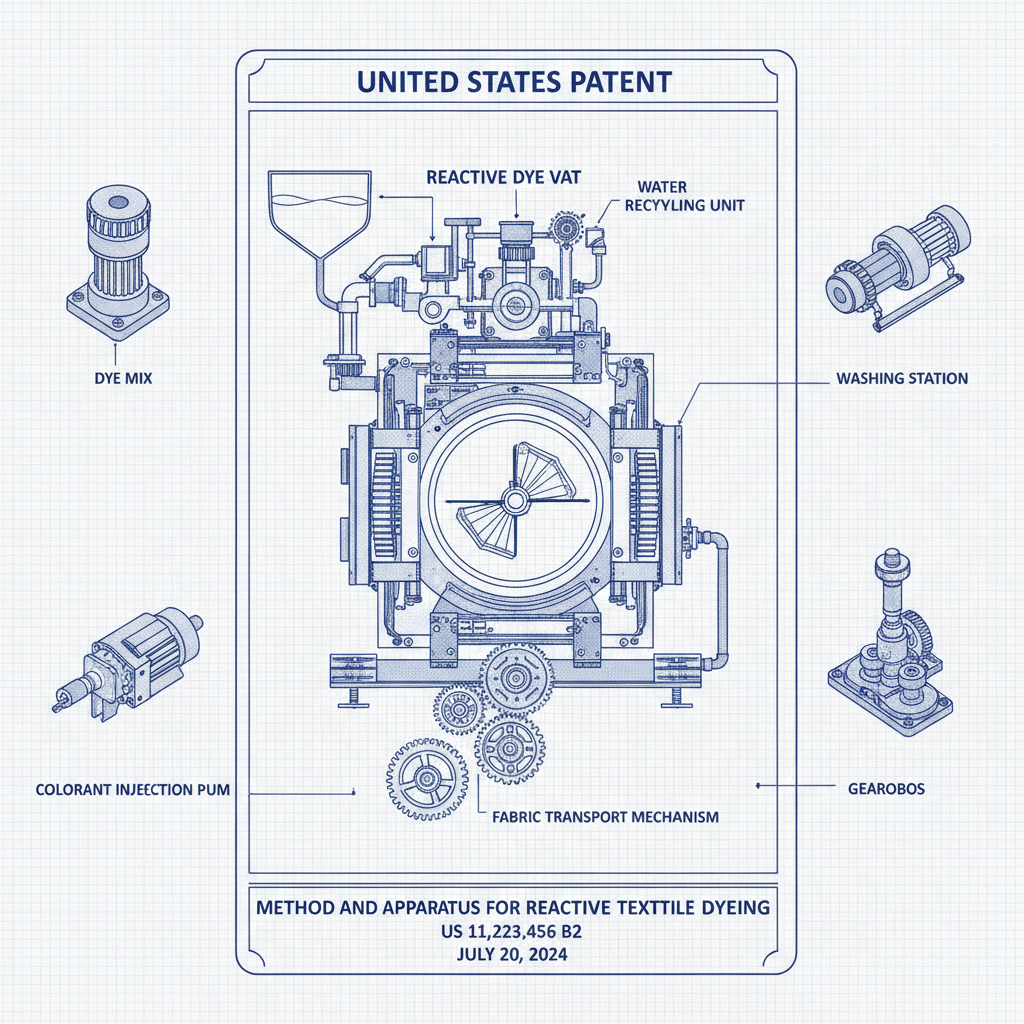
Reactive dyes contain a reactive group that forms a covalent bond with the fiber. This chemical bond is what gives reactive dyes their excellent wash and lightfastness. Unlike dyes that rely on physical entrapment, reactive dyes become an integral part of the fiber structure. The most common reactive groups include triazine, vinyl sulfone, and monochlorotriazine. The choice of reactive group influences the dye's reactivity, application method, and overall performance. Pezetech specializes in providing high-quality reactive dyes tailored to specific textile applications.
Key Takeaway: The covalent bond formed between reactive dyes and cellulosic fibers is the foundation for their superior colorfastness.
Stages of the Reactive Dyeing Process
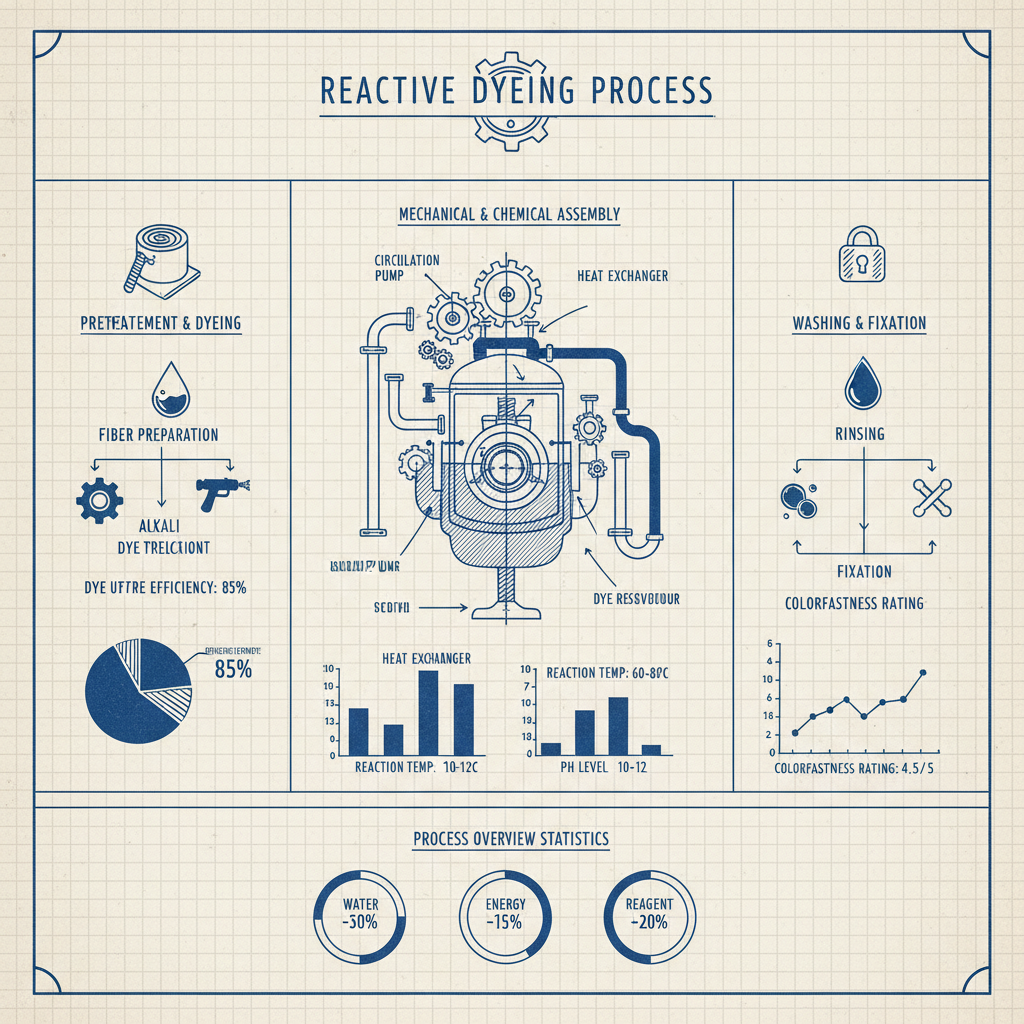
The reactive dyeing process typically involves several key stages: Preparation (scouring to remove impurities), Adsorption (dye uptake by the fiber), Fixation (formation of the covalent bond), and Aftertreatment (washing and finishing). Each stage requires precise control of parameters like temperature, pH, and time to achieve optimal results. The fixation stage is particularly critical, as it determines the amount of dye that is permanently bonded to the fiber. Insufficient fixation can lead to dye waste and poor colorfastness.
Critical Process Parameters:
• Temperature control is essential for optimal dye reactivity.
• pH influences dye solubility and fiber-dye interaction.
• Alkali is used to promote dye fixation.
• Salt concentration enhances dye exhaustion.
Reactive Dyeing Methods: A Comparative Analysis
Several methods are employed in reactive dyeing, each with its own advantages and disadvantages. Common methods include exhaust dyeing, continuous dyeing, and pad-batch dyeing. Exhaust dyeing is a traditional batch process where the dye is gradually absorbed by the fiber. Continuous dyeing is suitable for large-scale production and offers high efficiency. Pad-batch dyeing combines padding with a batch process, resulting in good dye utilization. Pezetech's technical team can advise on the most appropriate method for your specific needs.
Optimizing Fixation Rates and Reducing Effluent Load
A major challenge in reactive dyeing is maximizing dye fixation and minimizing dye waste in the effluent. Several strategies can be employed to address this, including optimizing dyeing parameters, using salt-free dyeing techniques, and employing enzyme-assisted fixation. Salt-free dyeing reduces the total dissolved solids (TDS) in the wastewater, while enzyme-assisted fixation enhances dye-fiber bonding. These sustainable approaches align with growing environmental concerns and can significantly reduce the environmental impact of textile production. Pezetech is committed to developing eco-friendly dye solutions.
Resources and Further Reading on the Reactive Dyeing Process
For a deeper dive into the reactive dyeing process pdf, consider exploring resources such as the Society of Dyers and Colourists (SDC) publications and academic research papers on textile chemistry. Numerous online courses and workshops also offer comprehensive training. Regularly updated technical datasheets from reputable dye manufacturers like Pezetech are also valuable sources of information. Staying current with the latest advancements in reactive dyeing technology is crucial for achieving optimal results and maintaining a competitive edge.
Conclusion: Mastering the Art and Science of Reactive Dyeing
The reactive dyeing process is a complex yet fascinating field, essential for producing vibrant, durable, and high-quality textiles. By understanding its chemistry, stages, and optimization techniques, professionals can achieve exceptional results while minimizing environmental impact. Pezetech is dedicated to providing the dyes, expertise, and support needed to master this vital textile process.
Frequently Asked Questions (FAQs)
What is the typical dye fixation rate for reactive dyes?
The dye fixation rate typically ranges from 60% to 90%, depending on the dye type, fiber properties, and dyeing conditions. Factors influencing fixation include temperature, pH, alkali concentration, and the presence of electrolytes. Optimizing these parameters is crucial for maximizing dye uptake and minimizing dye waste. Higher fixation rates translate to better colorfastness and reduced effluent pollution.
How can I improve the colorfastness of reactive dyed fabrics?
Improving colorfastness involves several strategies. Ensuring complete dye fixation during the dyeing process is paramount. Thorough washing and aftertreatment remove unfixed dye, preventing bleeding or staining. Using appropriate finishing agents can also enhance colorfastness to washing, light, and rubbing. Selecting high-quality reactive dyes with excellent fastness properties is another critical factor.
What are the environmental concerns associated with reactive dyeing?
The primary environmental concern is the discharge of unfixed dye and auxiliary chemicals in the wastewater. This can lead to water pollution and negatively impact aquatic ecosystems. Strategies to mitigate these concerns include optimizing dye fixation, using salt-free dyeing techniques, employing wastewater treatment technologies, and selecting eco-friendly dyes like those offered by Pezetech.
What role does alkali play in the reactive dyeing process?
Alkali (typically sodium hydroxide or sodium carbonate) is crucial for promoting the ionization of the dye and creating a reactive species that can bond with the cellulose fiber. It raises the pH of the dye bath, facilitating the chemical reaction between the dye and the fiber. The concentration and addition rate of alkali must be carefully controlled to avoid fiber damage or uneven dyeing.
-
Top Guide to Selecting Professional vae emulsion manufacturersNewsApr.16,2026
-
Viscosity of HPMCNewsApr.15,2026
-
HPMC Powder UsesNewsApr.15,2026
-
Understanding VAE Emulsion for Modern Industrial CoatingsNewsApr.09,2026
-
Comprehensive Guide to Redispersible Emulsion Powder and its ApplicationsNewsApr.07,2026
-
Comprehensive Guide to Redispersible Latex Powder for Construction ApplicationsNewsApr.04,2026