Understanding VAE Emulsion for Modern Industrial Coatings
Understanding VAE Emulsion: The Versatile Solution for Modern Coatings
In the world of industrial adhesives and coatings, VAE emulsion (Vinyl Acetate Ethylene) has emerged as a cornerstone material due to its exceptional flexibility and environmental friendliness. As industries shift toward sustainable, low-VOC (Volatile Organic Compound) solutions, vae emulsion provides a perfect balance of strength and elasticity. Whether used in construction, packaging, or textile processing, this copolymer emulsion ensures high-performance bonding and coating properties. In this guide, we will explore the technical intricacies, diverse applications, and comparative advantages of VAE emulsions to help you make an informed choice for your production needs.
The Chemical Composition and Properties of VAE Emulsion
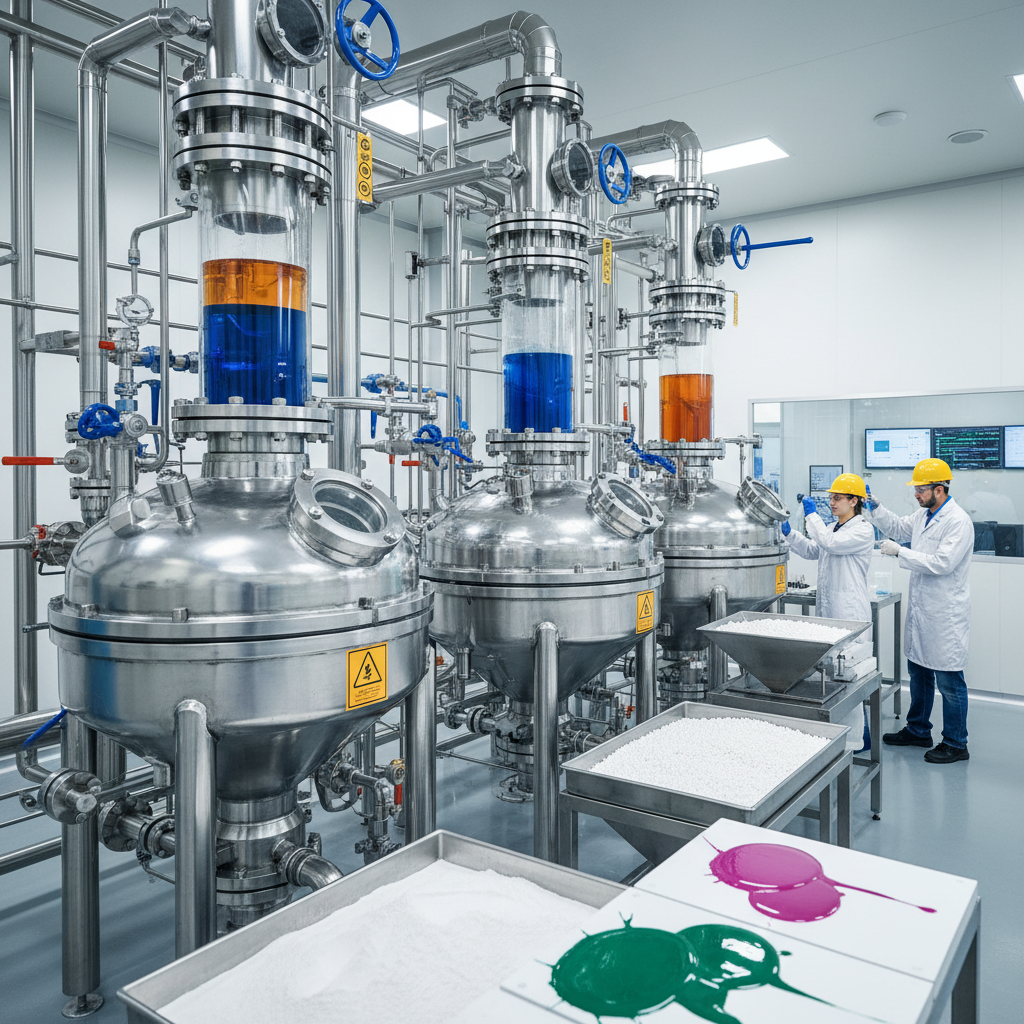
A vae emulsion is essentially a copolymer of vinyl acetate and ethylene. Unlike traditional PVA (Polyvinyl Acetate), the introduction of ethylene units provides the polymer chain with increased flexibility and improved water resistance. This makes it an ideal candidate for applications where the final product must withstand mechanical stress without cracking. Furthermore, because it is water-based, it eliminates the need for harmful organic solvents, aligning with global environmental standards and improving workplace safety for operators.
Technical Highlight: The ratio of vinyl acetate to ethylene determines the hardness and flexibility of the emulsion, allowing manufacturers to customize the material for either rigid structural bonding or soft, flexible coatings.
Key Applications of VAE Emulsion Across Industries
The versatility of vae emulsion allows it to penetrate multiple markets. In the construction industry, it is widely used as a binder for external thermal insulation composite systems (ETICS) and as a modifier for cement mortars to improve adhesion and crack resistance. In the packaging sector, it serves as a high-speed adhesive for paper and cardboard. Additionally, the textile industry utilizes VAE for fabric sizing and finishing, providing a soft hand-feel while maintaining dimensional stability. Its low toxicity also makes it suitable for certain hygiene products and architectural paints.
VAE Emulsion vs. PVA Emulsion: A Comparative Analysis
While often confused with standard PVA, the vae emulsion offers distinct advantages, particularly regarding durability and elasticity. PVA is generally more rigid and sensitive to moisture, whereas VAE is designed for resilience. For professionals requiring a binder that can handle temperature fluctuations and physical expansion, VAE is the superior choice. The following table highlights the critical differences between these two common polymers.
Technical Specifications of High-Grade VAE Emulsion
When sourcing vae emulsion, it is critical to evaluate the technical data sheet (TDS). Key parameters such as solids content, glass transition temperature (Tg), and viscosity determine how the product will perform during application and after curing. High-grade emulsions are engineered to provide consistent viscosity across different batches, ensuring that automated production lines operate without disruption. Below are the typical specifications for a standard industrial-grade VAE emulsion.
Optimization and Storage of VAE Emulsion
To maximize the effectiveness of vae emulsion, proper storage and handling are essential. Because it is a water-based dispersion, it is susceptible to freeze-thaw cycles. If the emulsion freezes, the polymer particles may coagulate, leading to a loss of viscosity and stability. Therefore, it is recommended to store the product in a climate-controlled environment between 5°C and 35°C. Additionally, using stainless steel or plastic-lined containers prevents contamination and ensures the longevity of the product's shelf life, typically ranging from 6 to 12 months.
Environmental Impact and Sustainability Trends
The global push toward "Green Chemistry" has placed vae emulsion at the forefront of sustainable binder technology. By replacing solvent-based acrylics or formaldehyde-containing resins, VAE significantly reduces the emission of harmful air pollutants. This not only helps companies comply with strict REACH and EPA regulations but also provides a healthier environment for end-users. As research progresses, we are seeing the development of bio-based VAE alternatives, further reducing the carbon footprint of industrial adhesives and coatings.
Conclusion: Enhancing Product Quality with VAE Emulsion
In summary, vae emulsion represents a high-performance, eco-friendly solution for a vast array of industrial needs. Its unique combination of flexibility, strong adhesion, and low environmental impact makes it an indispensable tool for modern manufacturing. By understanding the technical specifications and optimizing storage conditions, businesses can significantly improve the quality and durability of their final products. Whether you are in construction, textiles, or packaging, choosing a premium VAE emulsion is a strategic step toward sustainable growth and superior product performance.
Frequently Asked Questions (FAQs)
What is the main difference between VAE and PVA emulsions?
The primary difference lies in the chemical structure. VAE emulsion is a copolymer of vinyl acetate and ethylene, while PVA is primarily vinyl acetate. The addition of ethylene provides VAE with significantly higher flexibility, better water resistance, and improved durability against temperature changes. This makes VAE much more suitable for outdoor applications or products that require structural elasticity, whereas PVA is often better for rigid, indoor woodworking applications.
Can VAE emulsion be used in outdoor construction?
Yes, vae emulsion is frequently used in outdoor construction, particularly in ETICS (External Thermal Insulation Composite Systems). Its inherent flexibility allows it to absorb the thermal expansion and contraction of building facades, preventing cracks. However, for extreme weather exposure, it is often combined with other modifiers or protected by a topcoat to further enhance its UV and water resistance.
How should VAE emulsion be stored to prevent spoilage?
To maintain the stability of a VAE emulsion, it must be stored in a cool, dry place, ideally between 5°C and 35°C. The most critical factor is avoiding freezing; if the emulsion freezes, the polymer particles can clump together (coagulate), which permanently ruins the viscosity and adhesive properties. It should be kept in tightly sealed, original containers to prevent evaporation and contamination from dust or moisture.
Is VAE emulsion safe for use in food-contact packaging?
Many VAE emulsions are designed to be low-emission and non-toxic, making them suitable for secondary packaging. However, for direct food-contact applications, it is essential to use a specific grade of emulsion that complies with FDA or EU food safety regulations. Always check the technical certification of your supplier to ensure that the specific grade of VAE provided meets the regulatory requirements for your particular food packaging application.
-
Top Guide to Selecting Professional vae emulsion manufacturersNewsApr.16,2026
-
Viscosity of HPMCNewsApr.15,2026
-
HPMC Powder UsesNewsApr.15,2026
-
Comprehensive Guide to Redispersible Emulsion Powder and its ApplicationsNewsApr.07,2026
-
Comprehensive Guide to Redispersible Latex Powder for Construction ApplicationsNewsApr.04,2026