Understanding RDP Powder Applications and Benefits in Modern Construction
Understanding RDP Powder: A Comprehensive Guide
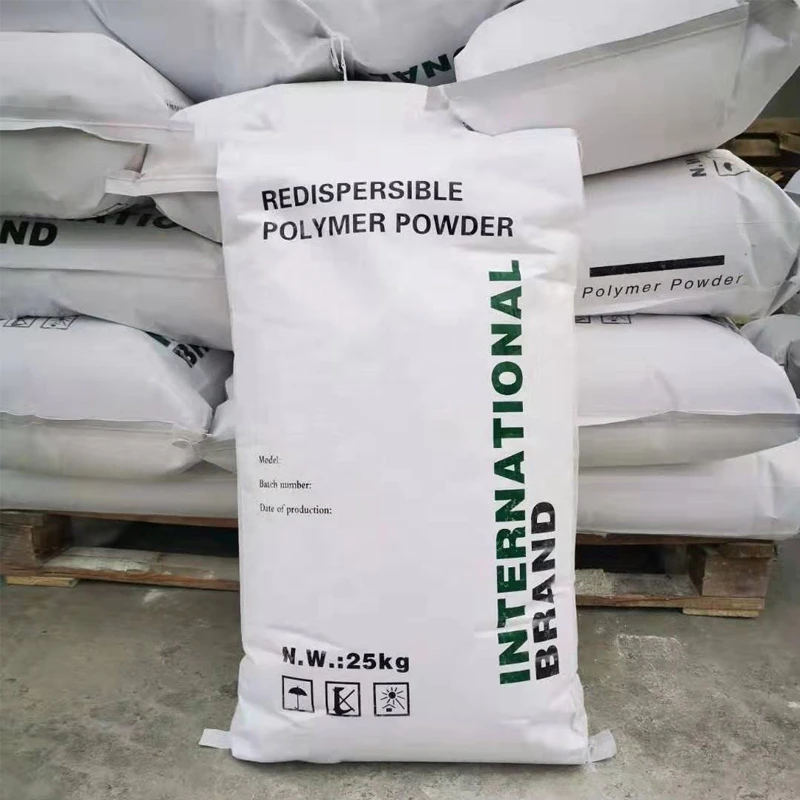
Redispersible polymer powder (RDP) is a vital ingredient in modern construction materials, enhancing their performance and durability. From tile adhesives to external wall insulation systems (EWI), RDP powder from Pezetech plays a critical role in improving workability, adhesion, and flexibility. This article provides a detailed overview of RDP powder, exploring its composition, applications, benefits, and selection considerations. We'll delve into the science behind RDP and its impact on the quality of your projects.
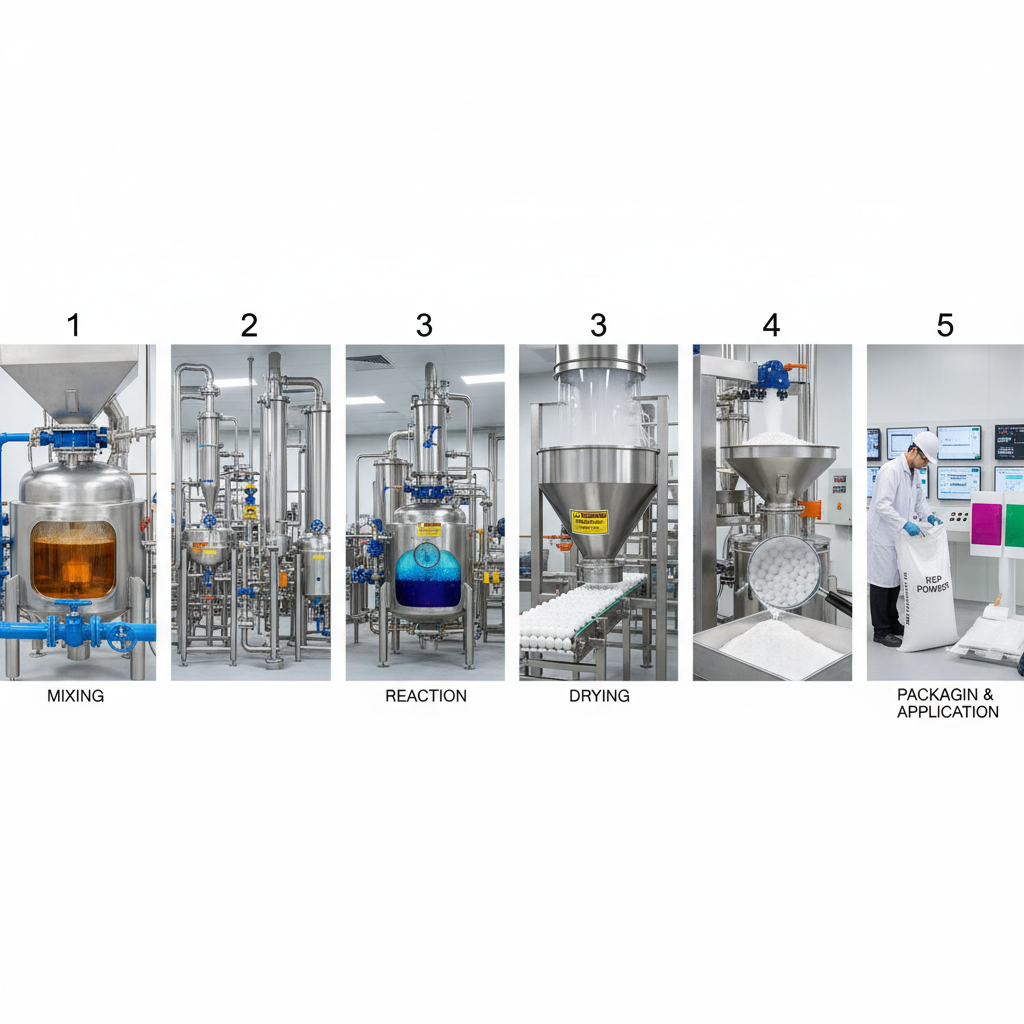
What is RDP Powder and How Does it Work?
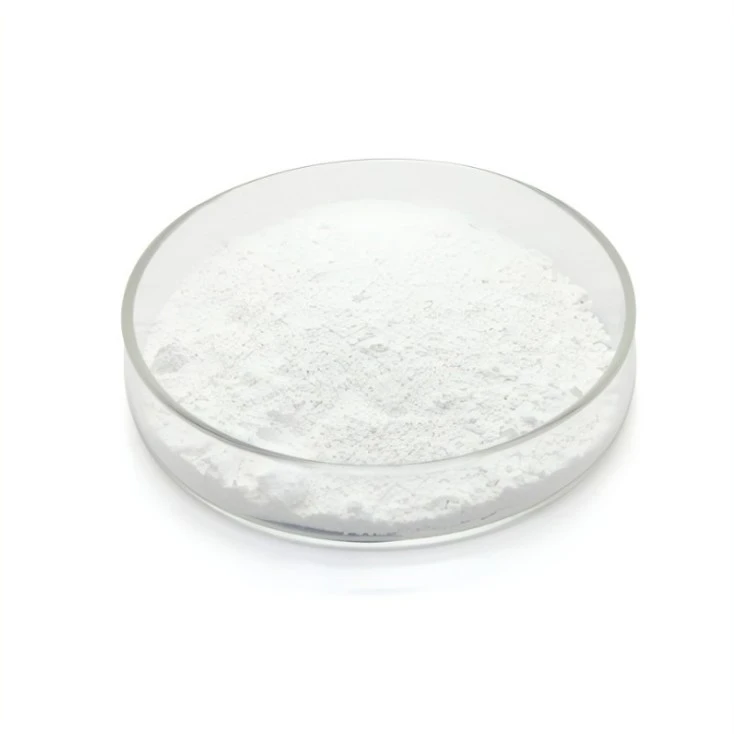
RDP powder is a finely divided polymer resin that's been spray-dried. This process encapsulates the polymer in a protective coating, allowing it to be easily dispersed in dry-mix formulations. When water is added, the polymer particles re-emulsify, forming a binding film that improves the performance characteristics of the final product. Different types of RDP exist, each offering unique properties, typically based on the monomer used in the polymer’s creation – vinyl acetate, acrylics, and styrene-butadiene being common examples. This re-emulsification is key to the enhanced adhesion, flexibility, and durability that RDP provides.
Key Highlights: RDP improves adhesion, flexibility, and workability of construction materials. Its re-emulsification in water forms a strong binding film.
Applications of RDP Powder in Construction
RDP powder finds widespread use across numerous construction applications. Some of the most common include tile adhesives, cement-based renders, external wall insulation systems (EWI), self-leveling compounds, repair mortars, and skim coats. In tile adhesives, it enhances adhesion strength and open time. In EWI systems, it improves the flexibility and crack resistance of the render. For self-leveling compounds, it improves the flow and reduces shrinkage. Pezetech's RDP powders are designed to meet the stringent demands of these diverse applications.
RDP Application Benefits:
• Enhanced adhesion strength
• Improved flexibility and crack resistance
• Increased workability and open time
• Reduced shrinkage and water absorption
RDP Powder Types: Choosing the Right Polymer for Your Needs
Selecting the appropriate RDP powder is crucial for achieving optimal performance. The three main types are Vinyl Acetate (VA), Acrylic, and Styrene-Butadiene (SB). VA RDP offers excellent adhesion and cost-effectiveness, making it suitable for general-purpose applications. Acrylic RDP provides superior UV resistance and flexibility, ideal for exterior applications. SB RDP excels in water resistance and bonding strength, making it a good choice for cementitious systems. Pezetech offers a comprehensive range of RDP polymers to suit varied project requirements.
The Benefits of Using High-Quality RDP Powder
Investing in high-quality RDP powder translates to significant advantages. These include enhanced durability, improved adhesion, reduced cracking, increased water resistance, and prolonged lifespan of the finished product. Utilizing superior RDP also contributes to better workability, reducing application time and labor costs. It ensures consistent performance, reducing the risk of project failures and costly rework.

Factors to Consider When Selecting RDP Powder
When choosing RDP powder, consider the application, the substrate, environmental conditions, and desired performance characteristics. Key specifications include particle size distribution, viscosity, and solids content. It's important to source RDP from a reputable supplier like Pezetech, who can provide technical support and consistent product quality. Always review the product data sheet to ensure the RDP is suitable for your specific needs.
Conclusion: Enhancing Construction Performance with RDP
RDP powder is an indispensable component in modern construction, offering a wide range of benefits from improved adhesion to enhanced durability. By selecting the right type of RDP and sourcing it from a trusted supplier like Pezetech, you can ensure the success and longevity of your projects.
Frequently Asked Questions (FAQs)
What is the shelf life of RDP powder?
Typically, RDP powder has a shelf life of 12-18 months when stored in a cool, dry place, away from direct sunlight. The actual shelf life can vary depending on the specific product and storage conditions. It's crucial to store the powder in its original, sealed packaging to prevent moisture absorption and degradation. Always check the product's data sheet for the manufacturer's recommended storage and shelf life information. Using expired RDP can result in reduced performance and compromised product quality.
How much RDP powder should I add to my mix?
The optimal dosage of RDP powder depends on the specific application, the type of cement, and desired performance characteristics. Generally, RDP is used at a rate of 2-5% by weight of cementitious material. However, it's crucial to consult the product data sheet and conduct trial mixes to determine the ideal dosage for your specific formulation. Adding too much RDP can lead to increased cost and potentially reduce the workability of the mix. Proper dosage optimization is key to achieving the desired results.
Can RDP powder be used in colored renders?
Yes, RDP powder can be used in colored renders. However, it's important to choose an RDP that is compatible with the pigments used in the render. Some RDP polymers may slightly affect the color of the render, so it's recommended to conduct a trial mix to assess the color compatibility before full-scale application. Pezetech offers RDP options specifically formulated for use with colored renders, ensuring optimal color stability and performance.
-
Top Guide to Selecting Professional vae emulsion manufacturersNewsApr.16,2026
-
Viscosity of HPMCNewsApr.15,2026
-
HPMC Powder UsesNewsApr.15,2026
-
Understanding VAE Emulsion for Modern Industrial CoatingsNewsApr.09,2026
-
Comprehensive Guide to Redispersible Emulsion Powder and its ApplicationsNewsApr.07,2026
-
Comprehensive Guide to Redispersible Latex Powder for Construction ApplicationsNewsApr.04,2026