Top Industrial and Food Applications of Carboxymethyl Cellulose (CMC)
Carboxymethyl Cellulose (CMC) is a versatile cellulose derivative widely used across industrial and food sectors. Known for its water solubility, thickening capacity, and stabilizing properties, CMC has become a critical ingredient in a variety of formulations. Its unique functional characteristics make it indispensable for manufacturers seeking consistent performance, improved product quality, and enhanced process efficiency.
1. Introduction to Carboxymethyl Cellulose (CMC)
Carboxymethyl cellulose is a water-soluble polymer derived from natural cellulose through chemical modification. Its structure contains carboxymethyl groups attached to cellulose backbone molecules, which grants it excellent viscosity control, water retention, and film-forming capabilities. Available in different viscosity grades and purity levels, CMC can be tailored to meet the requirements of both industrial and food applications.
The non-toxic, biodegradable nature of carboxymethyl cellulose also makes it suitable for food-grade applications, while its thermal and chemical stability supports industrial processes in challenging environments. Manufacturers such as PEZE provide high-quality CMC with consistent performance, ensuring reliable formulation outcomes.
2. Industrial Applications of Carboxymethyl Cellulose
2.1. Paints and Coatings
In the paints and coatings industry, CMC serves as a thickener, stabilizer, and rheology modifier. It helps suspend pigments evenly, improves brushability, and prevents sagging on vertical surfaces. CMC also enhances water retention during the drying process, leading to uniform film formation and consistent appearance.
2.2. Adhesives and Sealants
Carboxymethyl cellulose improves the viscosity and workability of adhesives, glues, and sealants. Its film-forming properties contribute to strong adhesion while maintaining flexibility, which is essential in construction and packaging materials.
2.3. Paper and Textile Industry
CMC is widely used in paper coating and textile sizing. It enhances the smoothness, printability, and surface strength of paper products, while in textiles, it helps achieve uniform dye penetration and reduces fiber breakage during processing.
2.4. Oilfield Applications
In oil and gas drilling, CMC acts as a viscosifier and fluid-loss control agent in water-based drilling fluids. It improves suspension of drill cuttings, enhances lubrication, and minimizes fluid loss to surrounding formations, thereby protecting wellbore integrity.
3. Food Applications of CMC
3.1. Bakery Products
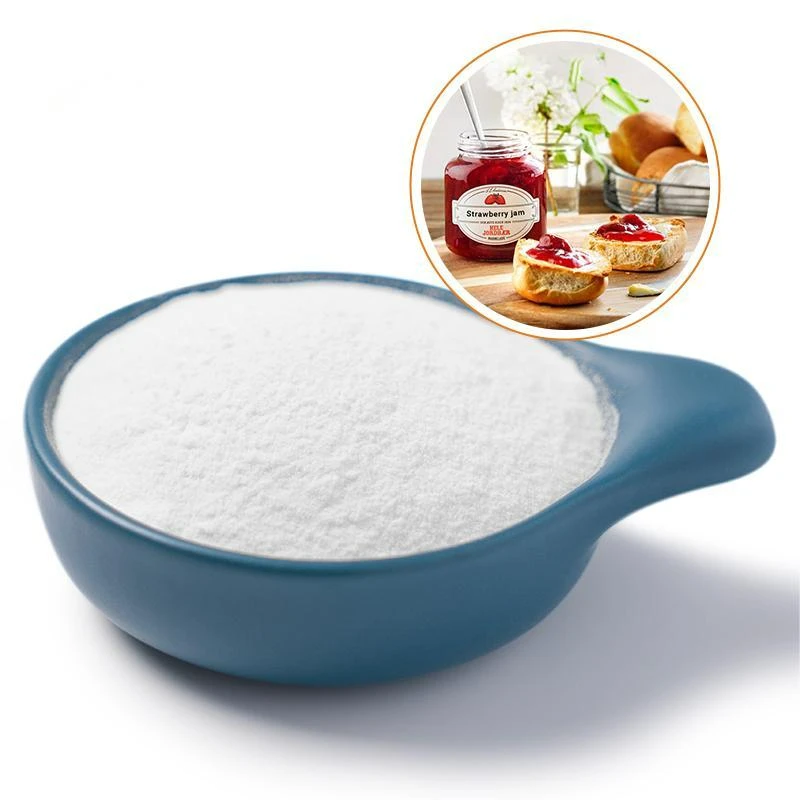
Carboxymethyl cellulose is widely used in baked goods to improve texture, moisture retention, and shelf life. It can prevent staling, maintain softness in bread, and stabilize gluten-free formulations by mimicking the structural properties of gluten.
3.2. Dairy and Beverages
CMC functions as a thickener and stabilizer in dairy products, such as ice cream, yogurt, and cheese. It helps maintain uniform consistency, prevents ice crystal formation, and enhances mouthfeel. In beverages, CMC stabilizes suspensions and prevents sedimentation, ensuring a visually appealing and uniform product.
3.3. Sauces, Dressings, and Condiments
In sauces, dressings, and condiments, CMC provides viscosity control, emulsion stabilization, and texture improvement. It ensures consistent pouring behavior and prevents ingredient separation over time, which is crucial for commercial food products.
3.4. Gluten-Free and Low-Fat Formulations
CMC is also increasingly used in gluten-free or low-fat products to replicate the structural and textural properties normally provided by gluten or fat, enhancing consumer acceptability and improving product performance.
4. Advantages of Using Carboxymethyl Cellulose
The widespread use of CMC in both industrial and food applications is driven by its unique properties:
-
Water solubility: Dissolves easily in cold or hot water for flexible processing.
-
Viscosity control: Adjustable viscosity for specific formulations.
-
Stabilization: Prevents ingredient separation in emulsions and suspensions.
-
Film formation: Improves adhesion in coatings, paper, and adhesives.
-
Biodegradability and safety: Suitable for food-grade and environmentally friendly applications.
PEZE offers a variety of CMC products with different viscosity grades and purity levels, ensuring manufacturers can select the optimal solution for industrial or food applications.
5. Selecting the Right Grade of CMC
Choosing the correct grade of carboxymethyl cellulose depends on the application requirements:
-
Low-viscosity grades are suitable for thin coatings, beverages, and light sauces.
-
Medium-viscosity grades work well in adhesives, bakery fillings, and general emulsions.
-
High-viscosity grades are ideal for thick sauces, ice cream, gluten-free bakery products, and heavy-duty industrial applications.
Factors such as molecular weight, degree of substitution, solubility, and application conditions should also be considered to achieve the desired functional performance.
6. Sustainability and Safety Considerations
As environmental concerns increase, the use of CMC is favored because it is biodegradable, non-toxic, and derived from renewable cellulose sources. In food applications, CMC meets international safety standards, ensuring safe consumption. In industrial applications, its stability under a wide range of temperatures and pH conditions reduces waste and improves process efficiency.
7. Conclusion
Carboxymethyl cellulose (CMC) has established itself as a critical ingredient across both industrial and food sectors. Its versatility, safety, and functional performance make it an essential component in coatings, adhesives, paper, textiles, oilfield fluids, bakery products, dairy, beverages, sauces, and more.
By selecting high-quality CMC from trusted suppliers like PEZE, manufacturers can ensure reliable product performance, consistent quality, and optimal process efficiency. Whether for industrial formulations or food-grade applications, CMC remains a cornerstone ingredient that continues to enable innovation across industries.
-
Top Guide to Selecting Professional vae emulsion manufacturersYangiliklarApr.16,2026
-
Viscosity of HPMCYangiliklarApr.15,2026
-
HPMC Powder UsesYangiliklarApr.15,2026
-
Understanding VAE Emulsion for Modern Industrial CoatingsYangiliklarApr.09,2026
-
Comprehensive Guide to Redispersible Emulsion Powder and its ApplicationsYangiliklarApr.07,2026
-
Comprehensive Guide to Redispersible Latex Powder for Construction ApplicationsYangiliklarApr.04,2026