Redispersible Polymer Powder for Tile Adhesive Enhancing Performance and Durability
Redispersible Polymer Powder for Tile Adhesive: A Comprehensive Guide
Choosing the right redispersible polymer powder (RDP) is crucial for achieving high-performance tile adhesives. This article provides an in-depth look at redispersible polymer powder for tile adhesive, its benefits, applications, and how to select the best product for your needs. We’ll explore the science behind RDP and how it enhances the properties of tile adhesives, ultimately contributing to long-lasting and reliable tile installations. Pezetech offers a range of high-quality RDP solutions tailored for diverse tile adhesive formulations.
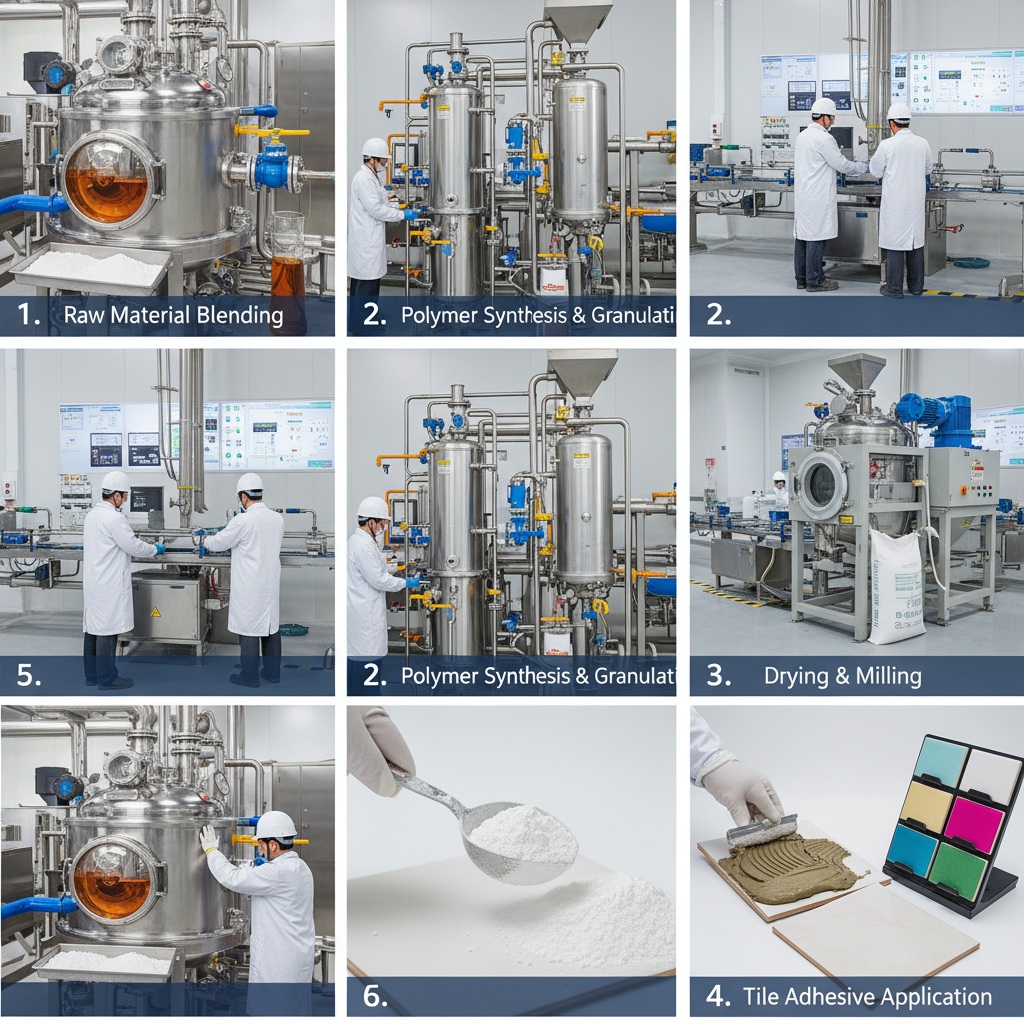
What is Redispersible Polymer Powder?
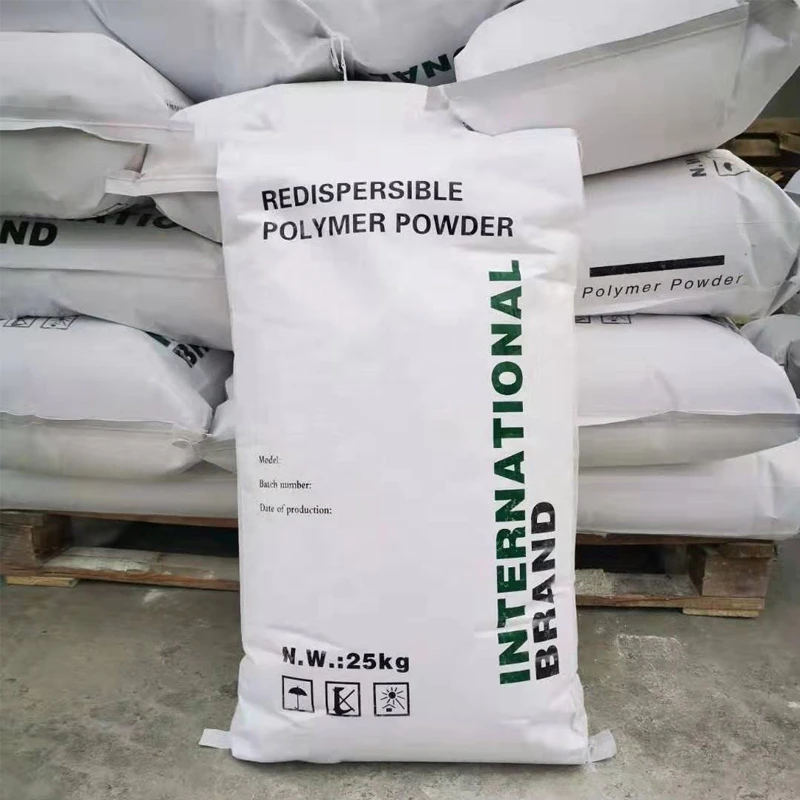
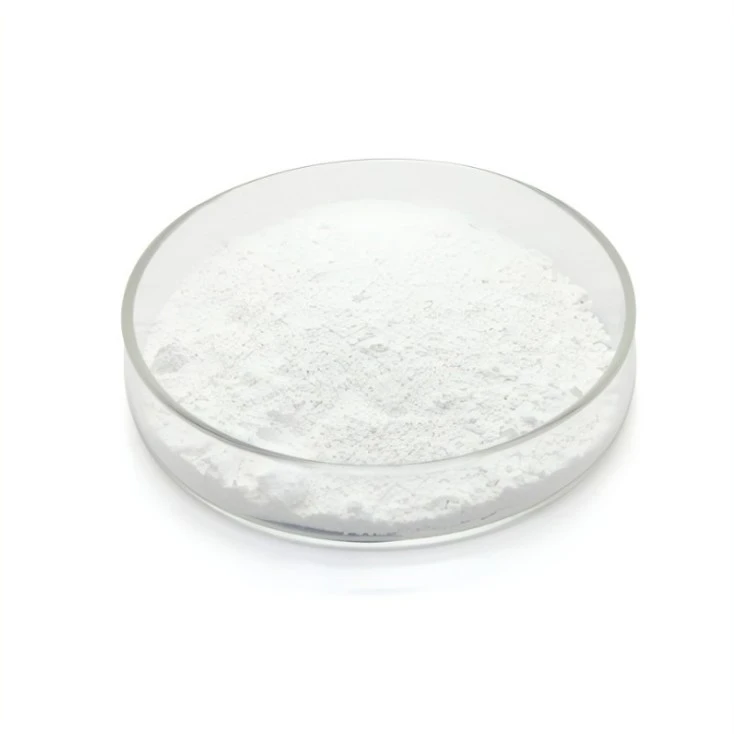
Redispersible polymer powder (RDP) is a key additive in modern tile adhesives. It’s a modified vinyl acetate-ethylene (VAE) emulsion that has been spray-dried into a powder form. This powder, when mixed with water, readily redisperses to form a stable emulsion, effectively enhancing the adhesive's performance characteristics. The benefits of adding RDP to tile adhesives include improved adhesion, flexibility, workability, and water resistance. It acts as a binding agent, increasing the cohesion and tensile strength of the adhesive mixture.
Key Benefits: Improved adhesion, enhanced flexibility, better workability, increased water resistance, and stronger tensile strength.
The Role of Redispersible Polymer Powder for Tile Adhesive
Specifically for tile adhesive, redispersible polymer powder drastically improves the overall performance of the adhesive. It acts as a film-forming agent, increasing the bond strength between the tile and the substrate. This is especially important for challenging substrates like polished tiles, glass mosaics, and large-format tiles. RDP also enhances the adhesive's open time, allowing for more flexibility during installation. Furthermore, it improves the adhesive’s resistance to thermal shock and aging, ensuring a durable and long-lasting bond. The right RDP can significantly reduce the risk of tile failure due to factors like moisture, temperature fluctuations, or structural movement.
Benefits for Tile Adhesives:
• Enhanced bond strength to various substrates
• Improved adhesion to difficult-to-bond tiles
• Increased open time for easier installation
• Enhanced water resistance and durability
Selecting the Right Redispersible Polymer Powder for Your Application
Choosing the appropriate RDP depends on the specific application and the type of tile adhesive being formulated. Factors to consider include the type of tile, the substrate, the expected environmental conditions, and the desired performance characteristics. Different RDP grades offer varying levels of adhesion, flexibility, and water resistance. Pezetech offers tailored RDP solutions to meet diverse needs, including specialized grades for porcelain tiles, natural stone, and glass mosaics.
Understanding RDP Dosage and Mixing
The optimal dosage of RDP typically ranges from 2% to 6% by weight of the total adhesive formulation. The specific dosage will depend on the desired properties of the adhesive and the type of RDP used. Proper mixing is essential for ensuring complete redispersal of the RDP and achieving optimal performance. It’s recommended to add the RDP gradually to the water while continuously mixing. Avoid adding the RDP directly to the dry ingredients, as this can lead to clumping and uneven distribution.
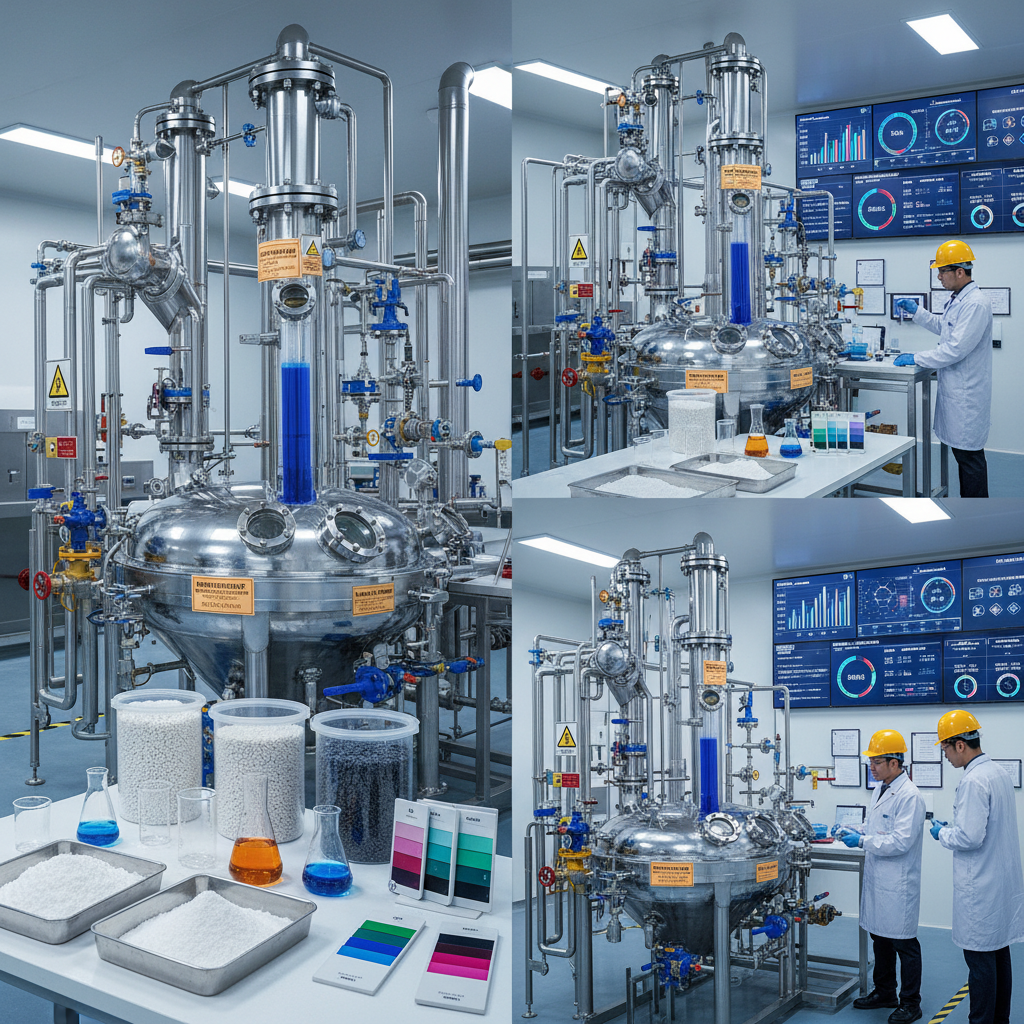
Benefits of Choosing Pezetech RDP
Pezetech provides high-quality redispersible polymer powders designed to meet the demanding requirements of modern tile adhesive formulations. Our RDPs are manufactured with advanced technology and undergo rigorous quality control to ensure consistent performance and reliability. We offer a wide range of grades tailored to different applications, along with expert technical support to help you select the best product for your needs. With Pezetech RDP, you can achieve superior adhesion, durability, and workability in your tile adhesive formulations.
Conclusion: Enhancing Tile Adhesive Performance with RDP
Investing in high-quality redispersible polymer powder from a trusted supplier like Pezetech is essential for creating superior tile adhesives. By improving adhesion, flexibility, and durability, RDP contributes to long-lasting and reliable tile installations, reducing the risk of costly repairs and ensuring customer satisfaction. Choose Pezetech for innovative RDP solutions and expert support.
Frequently Asked Questions (FAQs)
What are the main benefits of using RDP in tile adhesives?
RDP significantly improves the performance of tile adhesives by enhancing adhesion strength, flexibility, and water resistance. It also improves workability and open time, making installation easier. By creating a more robust and durable bond, RDP reduces the risk of tile failure and extends the lifespan of the installation. Specifically, RDP allows for better adhesion to difficult substrates like polished porcelain or glass tiles, creating a stronger, more reliable bond. Using RDP ensures a long-lasting, high-quality tile installation.
What is the recommended storage condition for RDP?
RDP should be stored in a cool, dry place, away from direct sunlight and moisture. Exposure to humidity can cause the powder to clump and lose its redispersibility. Ideally, RDP should be stored in its original, sealed packaging. Maintaining proper storage conditions ensures the RDP remains effective and retains its quality for an extended period. Avoid storing RDP in areas prone to temperature fluctuations.
How does RDP improve the water resistance of tile adhesives?
RDP forms a water-resistant film when redispersed, effectively reducing the water permeability of the tile adhesive. This is crucial for preventing water penetration, which can lead to adhesive failure, tile loosening, or damage to the substrate. The water-resistant properties of RDP also protect against efflorescence and mold growth, ensuring a durable and aesthetically pleasing tile installation. By improving water resistance, RDP contributes to the long-term integrity of the tiled surface.
Is RDP compatible with all types of cement?
Generally, RDP is compatible with most common types of cement used in tile adhesives, including Portland cement and blended cements. However, it's always recommended to conduct compatibility testing with your specific cement and other additives to ensure optimal performance. Some cement types may require adjustments to the RDP dosage or mixing procedure. Pezetech's technical team can provide guidance on compatibility testing and formulation optimization.
-
Top Guide to Selecting Professional vae emulsion manufacturersNewsApr.16,2026
-
Viscosity of HPMCNewsApr.15,2026
-
HPMC Powder UsesNewsApr.15,2026
-
Understanding VAE Emulsion for Modern Industrial CoatingsNewsApr.09,2026
-
Comprehensive Guide to Redispersible Emulsion Powder and its ApplicationsNewsApr.07,2026
-
Comprehensive Guide to Redispersible Latex Powder for Construction ApplicationsNewsApr.04,2026