Comprehensive Guide to Redispersible Polymer Powder and Its Applications
Understanding Redispersible Polymer Powder: A Comprehensive Guide
Redispersible polymer powder (RDP) is a vital ingredient in numerous construction applications, offering enhanced performance and durability. This article provides a detailed overview of RDP, its applications, benefits, and considerations for optimal use. Whether you're a formulator, contractor, or simply seeking to understand this versatile material, this guide will provide valuable insights. Pezetech specializes in high-quality RDP solutions tailored to meet diverse industry needs.
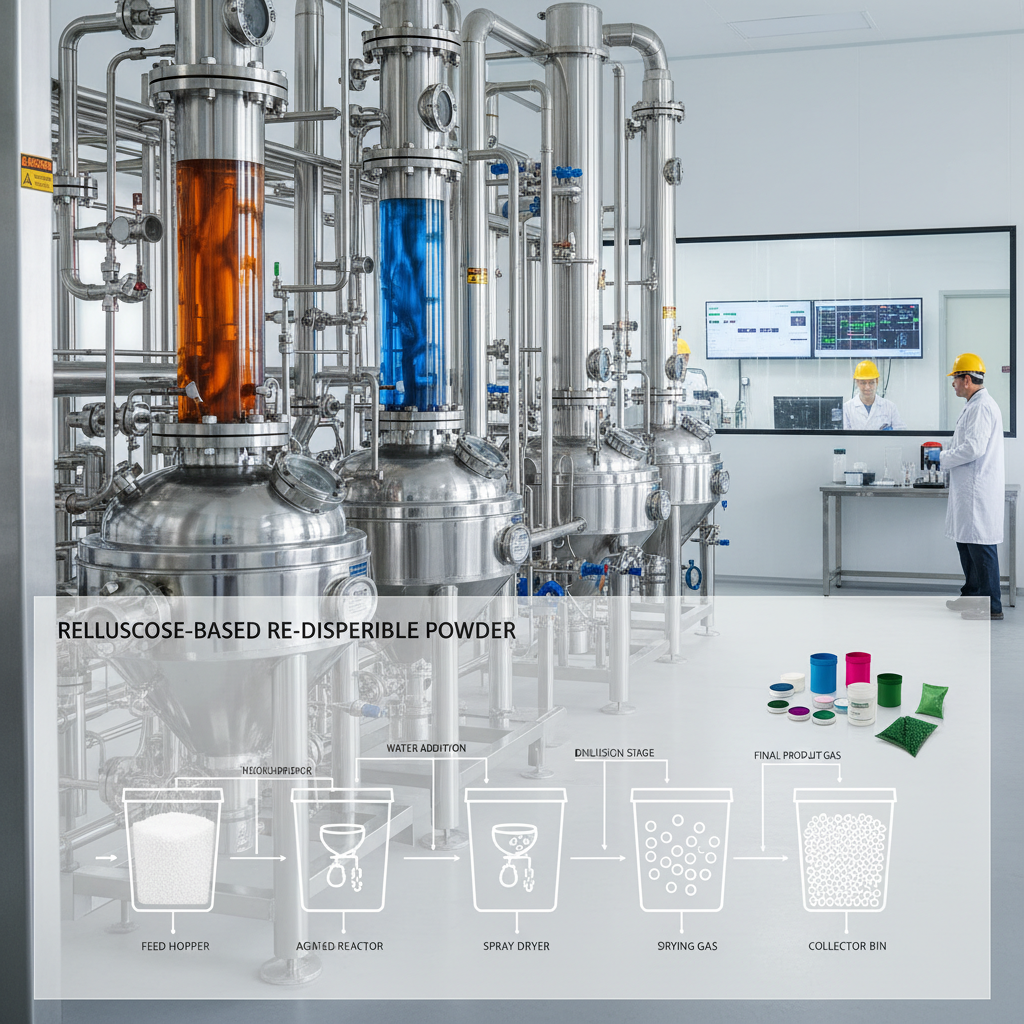
What is Redispersible Polymer Powder?
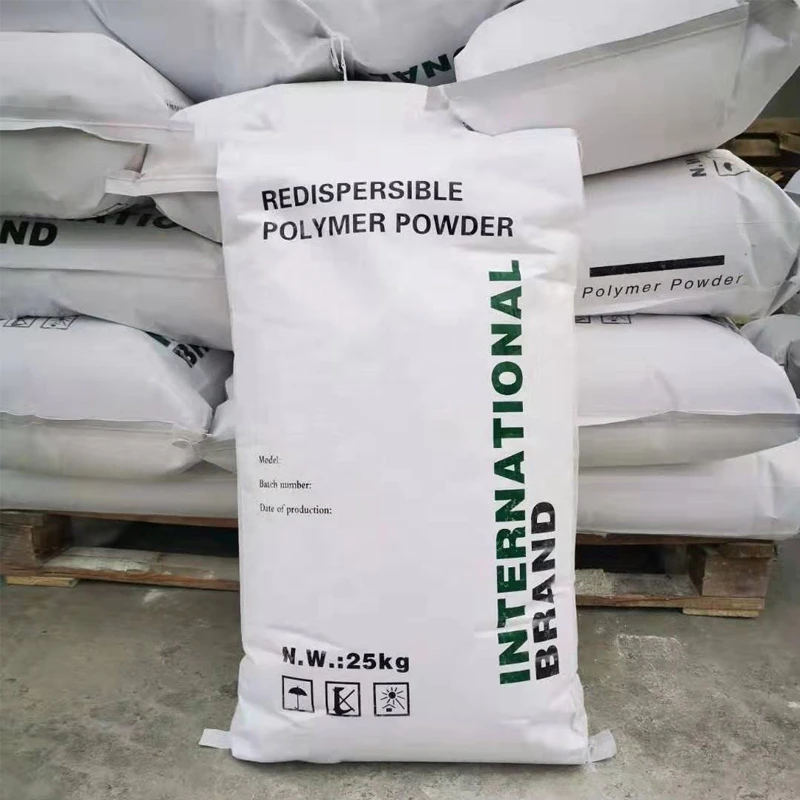
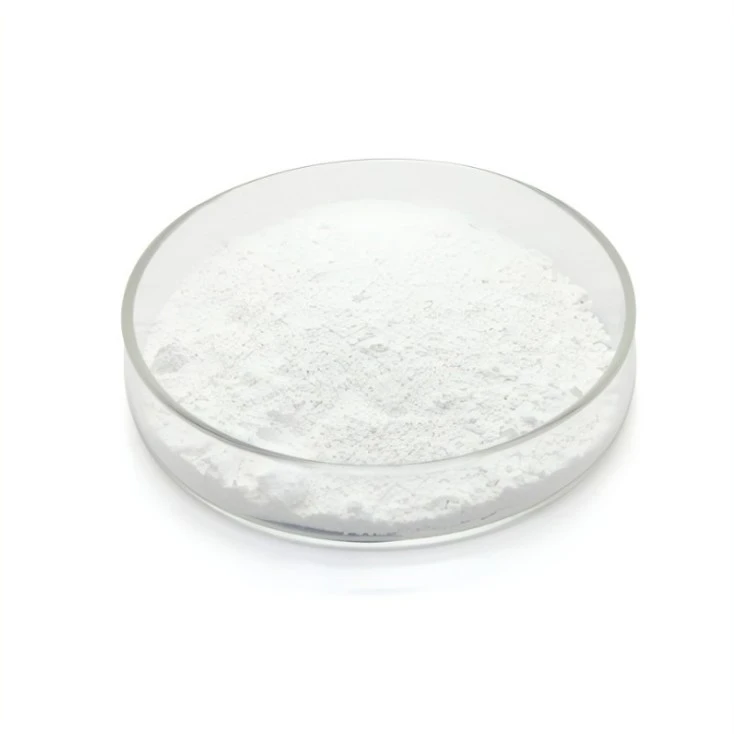
Redispersible polymer powder is a free-flowing powder produced by spray-drying a polymer emulsion. It’s essentially a dry form of a polymer latex. When mixed with water, it readily redisperses to form a stable emulsion, exhibiting similar properties to the original latex. This characteristic makes it ideal for dry-mix construction materials. The polymer used in RDP commonly includes vinyl acetate, acrylics, or vinyl acetate-ethylene (VAE) copolymers, each offering specific performance advantages.
Key Highlights: RDP offers enhanced adhesion, flexibility, workability, and water resistance to construction materials. It is an environmentally friendly alternative to liquid latex, simplifying logistics and reducing VOC emissions.
Applications of Redispersible Polymer Powder
RDP finds extensive use in a broad range of construction applications. Key uses include improving the performance of tile adhesives, cement mortars, external thermal insulation composite systems (ETICS), self-leveling compounds, repair mortars, and skim coats. Its ability to enhance adhesion and flexibility makes it crucial for projects requiring long-term durability and resistance to cracking.
Application Benefits:
• Enhanced adhesion to various substrates
• Improved flexibility and crack resistance
• Increased water retention for improved workability
• Reduced shrinkage and improved durability
Redispersible Polymer Powder: Types and Key Properties
Different types of RDP are available, each suited for specific applications. Vinyl Acetate Ethylene (VAE) RDP offers excellent adhesion and flexibility, making it popular for tile adhesives and skim coats. Acrylic RDP provides superior weather resistance and UV stability, ideal for exterior applications like ETICS. Vinyl Acetate (VA) RDP is cost-effective and widely used in cement mortars. Understanding these differences is crucial for selecting the right product for your project.
Benefits of Using Redispersible Polymer Powder
Compared to traditional liquid latex, RDP offers numerous advantages. It simplifies logistics and storage, eliminating the need for bulky liquid containers. It reduces VOC emissions, contributing to a more sustainable construction process. RDP’s consistent quality and ease of use improve workability and ensure reliable performance. Furthermore, it can enhance the overall durability and lifespan of construction projects. Pezetech’s RDP products are designed to maximize these benefits.
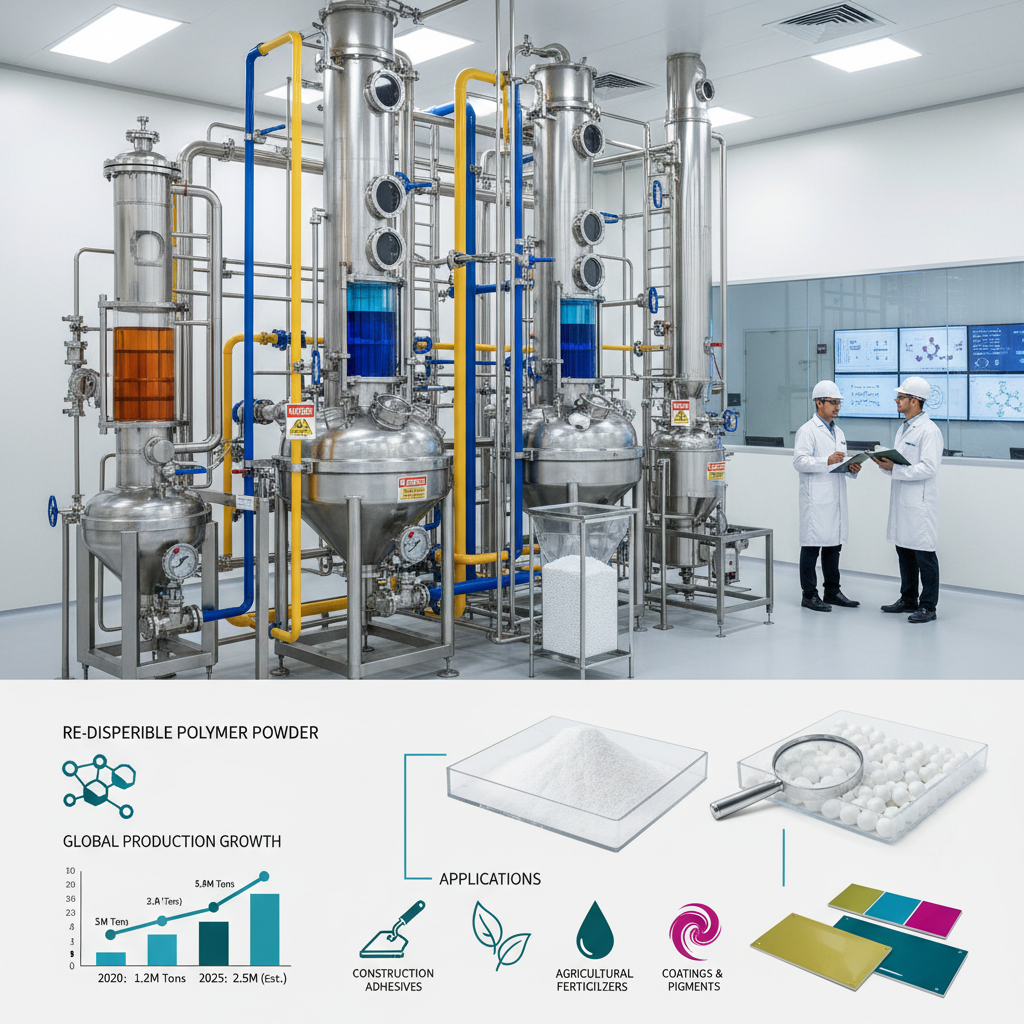
Choosing the Right Redispersible Polymer Powder for Your Project
Selecting the appropriate RDP depends on the specific application requirements. Consider factors like substrate type, desired adhesion strength, flexibility needs, and environmental conditions. Consulting with a technical expert or supplier like Pezetech can help you identify the optimal RDP solution for your project. Proper dosage and mixing techniques are also crucial for achieving optimal performance.
Conclusion: Enhancing Construction Performance with RDP
Redispersible polymer powder is a game-changing additive for modern construction. Its ability to enhance performance, durability, and sustainability makes it an invaluable tool for professionals. By choosing the right RDP and implementing proper application techniques, you can ensure long-lasting, high-quality results. Pezetech is your trusted partner for premium RDP solutions.
Frequently Asked Questions (FAQs)
What is the shelf life of redispersible polymer powder?
Typically, RDP has a shelf life of at least 12 months when stored in a cool, dry place away from direct sunlight. Proper storage is crucial to maintain its redispersibility and performance. Exposure to humidity can cause clumping and reduce its effectiveness. Always check the product's packaging for specific storage recommendations and expiration dates.
How much RDP should I add to my mortar mix?
The recommended dosage of RDP varies depending on the specific application and desired properties. Generally, the dosage ranges from 2% to 6% by weight of the cementitious material. It's crucial to follow the manufacturer's instructions and conduct trial mixes to optimize the dosage for your specific needs. Adding too much RDP can sometimes lead to reduced strength, while insufficient RDP may not provide the desired performance improvements.
Is RDP environmentally friendly?
Yes, RDP is considered more environmentally friendly than traditional liquid latex. It eliminates the need for shipping large volumes of liquid, reducing transportation costs and carbon emissions. RDP also typically contains lower levels of volatile organic compounds (VOCs), contributing to improved air quality.
-
Top Guide to Selecting Professional vae emulsion manufacturersNewsApr.16,2026
-
Viscosity of HPMCNewsApr.15,2026
-
HPMC Powder UsesNewsApr.15,2026
-
Understanding VAE Emulsion for Modern Industrial CoatingsNewsApr.09,2026
-
Comprehensive Guide to Redispersible Emulsion Powder and its ApplicationsNewsApr.07,2026
-
Comprehensive Guide to Redispersible Latex Powder for Construction ApplicationsNewsApr.04,2026