Comprehensive Guide to the Redispersible Polymer Powder Manufacturing Process
Redispersible Polymer Powder Manufacturing Process: A Comprehensive Overview
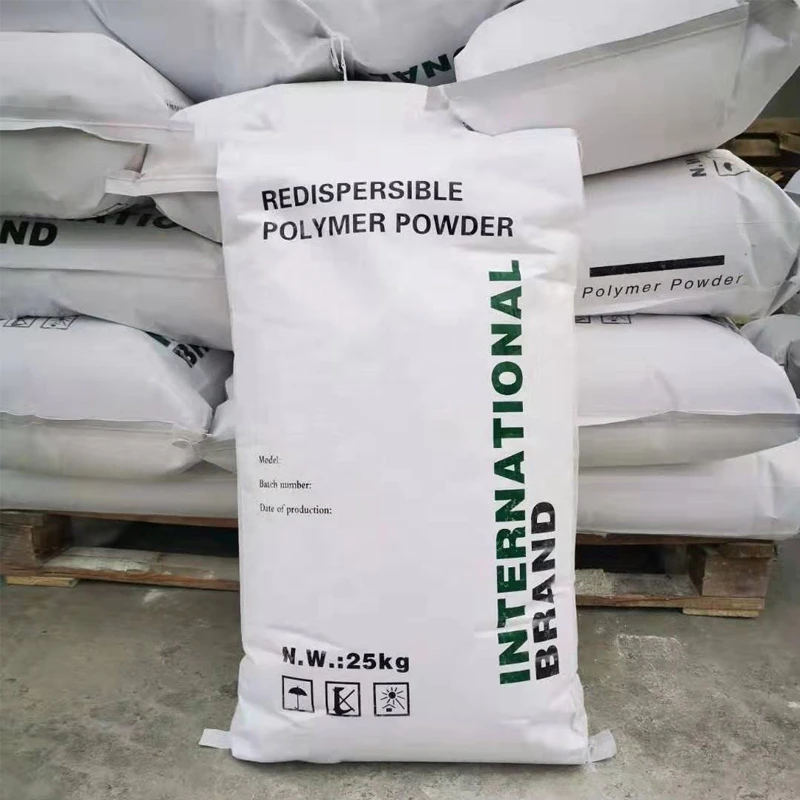
Redispersible polymer powder (RDP) is a crucial additive in dry-mix mortars, tile adhesives, and other construction materials. Understanding the redispersible polymer powder manufacturing process is key to ensuring quality and performance. This article will delve into the intricacies of RDP production, from raw materials to finished product, exploring the key steps and factors influencing its characteristics. We’ll cover the process in detail, outlining each stage and highlighting the critical control parameters. Understanding this process can help optimize formulations and ensure the best possible results in your applications.
Raw Material Selection and Preparation
The foundation of any high-quality RDP lies in the selection of appropriate raw materials. The primary raw materials include vinyl acetate monomer (VAM), acrylic esters, and various additives such as protective colloids, initiators, and chain transfer agents. Careful consideration must be given to the purity and quality of these materials, as they directly influence the final product’s properties. Prior to polymerization, the VAM and acrylic esters are typically purified to remove any impurities that could hinder the reaction or affect the polymer’s stability. The protective colloids are prepared as aqueous solutions, and the initiators are dissolved in water or an appropriate solvent.
Emulsion Polymerization: The Core Process
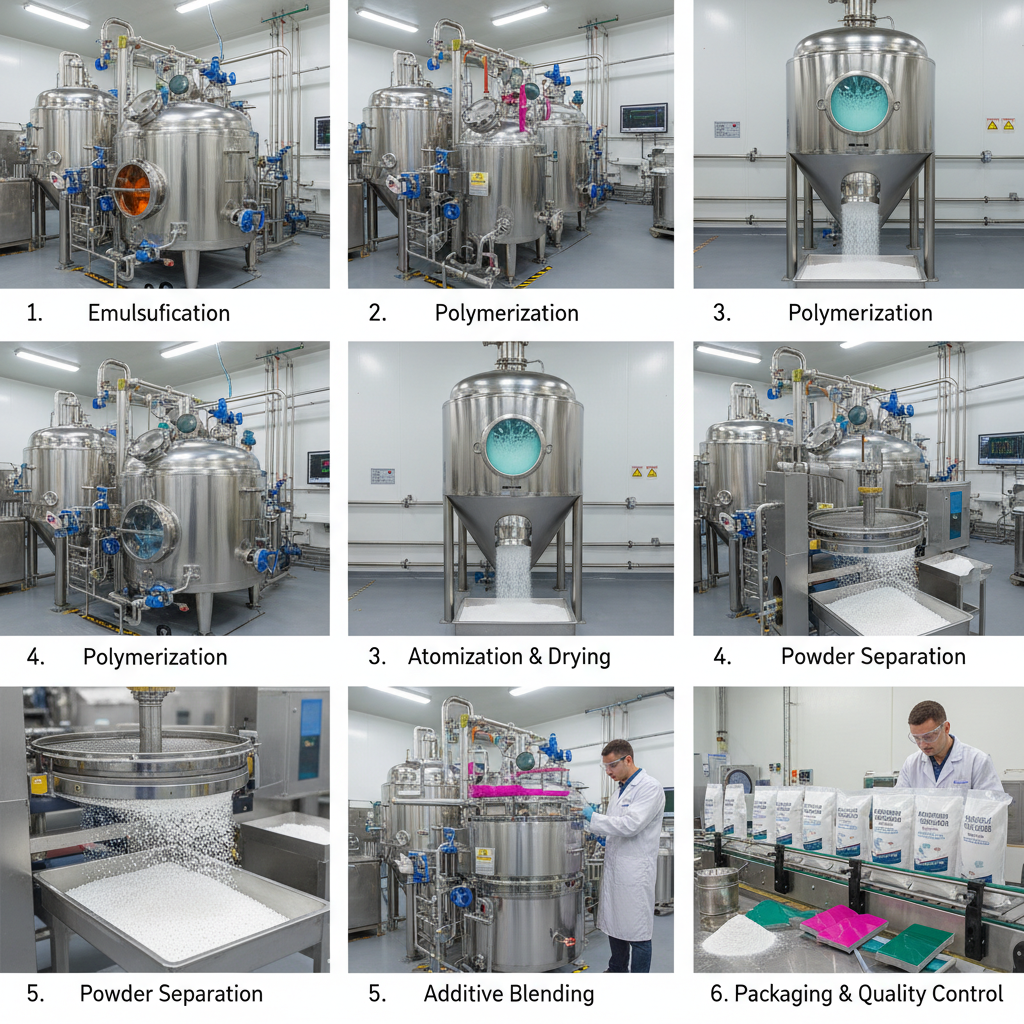
The heart of the redispersible polymer powder manufacturing process is emulsion polymerization. This technique involves polymerizing the monomers in an aqueous emulsion, using a surfactant to stabilize the resulting polymer particles. The process typically takes place in a batch or continuous reactor, under controlled temperature, pressure, and agitation. An initiator is added to initiate the polymerization reaction, and the process continues until the desired degree of conversion is achieved. Maintaining precise control over these parameters is crucial for achieving the desired particle size, molecular weight, and polymer composition.
Spray Drying: Transforming Emulsion to Powder
Following polymerization, the resulting polymer emulsion undergoes spray drying. This critical step transforms the liquid emulsion into a free-flowing powder. The emulsion is atomized into fine droplets and introduced into a hot air stream within a spray dryer. The water evaporates rapidly, leaving behind solid polymer particles. The inlet and outlet temperatures, air flow rate, and atomization pressure are carefully controlled to optimize the drying process and ensure the production of spherical, uniform powder particles. The resulting powder typically contains a small amount of residual moisture.
Key Spray Drying Parameters: Optimizing the inlet and outlet temperatures, air flow rate, and atomization pressure are crucial for achieving the desired particle size and morphology.
Post-Treatment and Surface Modification
To enhance the redispersibility and performance of the RDP, post-treatment processes are often employed. These can include surface modification with anti-caking agents or other additives to prevent agglomeration during storage and handling. Surface treatment can also improve the powder’s compatibility with various building materials. The addition of hydrophobic additives can improve the water resistance of the resulting mortars. This stage is crucial for tailoring the RDP’s properties to specific applications.
Quality Control and Specifications
Rigorous quality control measures are implemented throughout the redispersible polymer powder manufacturing process. These include monitoring the particle size distribution, moisture content, bulk density, redispersibility, and chemical composition. RDP products are typically categorized based on their vinyl acetate (VA) content and other key properties. Here's a representative table of typical RDP specifications:
Conclusion: Ensuring Quality and Performance in RDP Manufacturing
The manufacture of high-quality redispersible polymer powder requires a meticulous approach, from raw material selection to final product quality control. By understanding the nuances of each stage – emulsion polymerization, spray drying, and post-treatment – manufacturers can optimize their processes and consistently deliver RDP products that meet the demanding requirements of the construction industry. Pezetech is committed to providing superior RDP solutions to meet your specific needs.
Frequently Asked Questions (FAQs)
What is the role of protective colloids in RDP manufacturing?
Protective colloids, such as polyvinyl alcohol (PVA) or hydroxyethyl cellulose (HEC), play a vital role in stabilizing the emulsion during polymerization. They prevent the polymer particles from coalescing, ensuring a stable and uniform dispersion. This is crucial for achieving the desired particle size and preventing the formation of large aggregates. The type and concentration of protective colloid are carefully selected based on the monomers used and the desired properties of the final RDP product.
How does VA content affect the properties of RDP?
The vinyl acetate (VA) content significantly influences the flexibility and adhesive properties of the RDP. Higher VA content generally results in a softer, more flexible polymer with improved adhesion to various substrates. Lower VA content leads to a more rigid polymer with enhanced water resistance. The optimal VA content depends on the intended application of the RDP. For example, tile adhesives typically require a higher VA content for strong bonding, while exterior coatings may benefit from a lower VA content for improved durability.
What are the key considerations for scaling up RDP production?
Scaling up RDP production requires careful attention to several factors. Heat transfer becomes more challenging in larger reactors, necessitating efficient cooling systems to control the polymerization temperature. Maintaining adequate agitation is also crucial for ensuring uniform mixing and preventing localized overheating. Furthermore, the spray drying process must be optimized to handle the increased throughput, ensuring consistent powder quality. Thorough process validation and pilot-scale testing are essential before transitioning to full-scale production.
What safety precautions are necessary during RDP manufacturing?
RDP manufacturing involves handling flammable monomers and potentially hazardous chemicals. Therefore, strict safety precautions are essential. These include providing adequate ventilation, wearing appropriate personal protective equipment (PPE), implementing fire prevention measures, and establishing emergency procedures. Proper handling and disposal of waste materials are also critical. Regular safety training and audits are necessary to ensure a safe working environment.
-
Top Guide to Selecting Professional vae emulsion manufacturersNewsApr.16,2026
-
Viscosity of HPMCNewsApr.15,2026
-
HPMC Powder UsesNewsApr.15,2026
-
Understanding VAE Emulsion for Modern Industrial CoatingsNewsApr.09,2026
-
Comprehensive Guide to Redispersible Emulsion Powder and its ApplicationsNewsApr.07,2026
-
Comprehensive Guide to Redispersible Latex Powder for Construction ApplicationsNewsApr.04,2026