Redispersible Polymer Powder A Comprehensive Guide to Properties and Applications
Redispersible Polymer Powder: A Comprehensive Guide
Redispersible polymer powder (RDP) is a vital ingredient in numerous construction and industrial applications. Its ability to enhance the performance of cement-based materials makes it a cornerstone of modern building practices. This article delves into the properties, benefits, applications, and key considerations when selecting redispersible polymer powder, providing a thorough understanding for professionals and those seeking to improve their formulations. Understanding the nuances of RDP is crucial for optimizing material strength, adhesion, and overall durability.
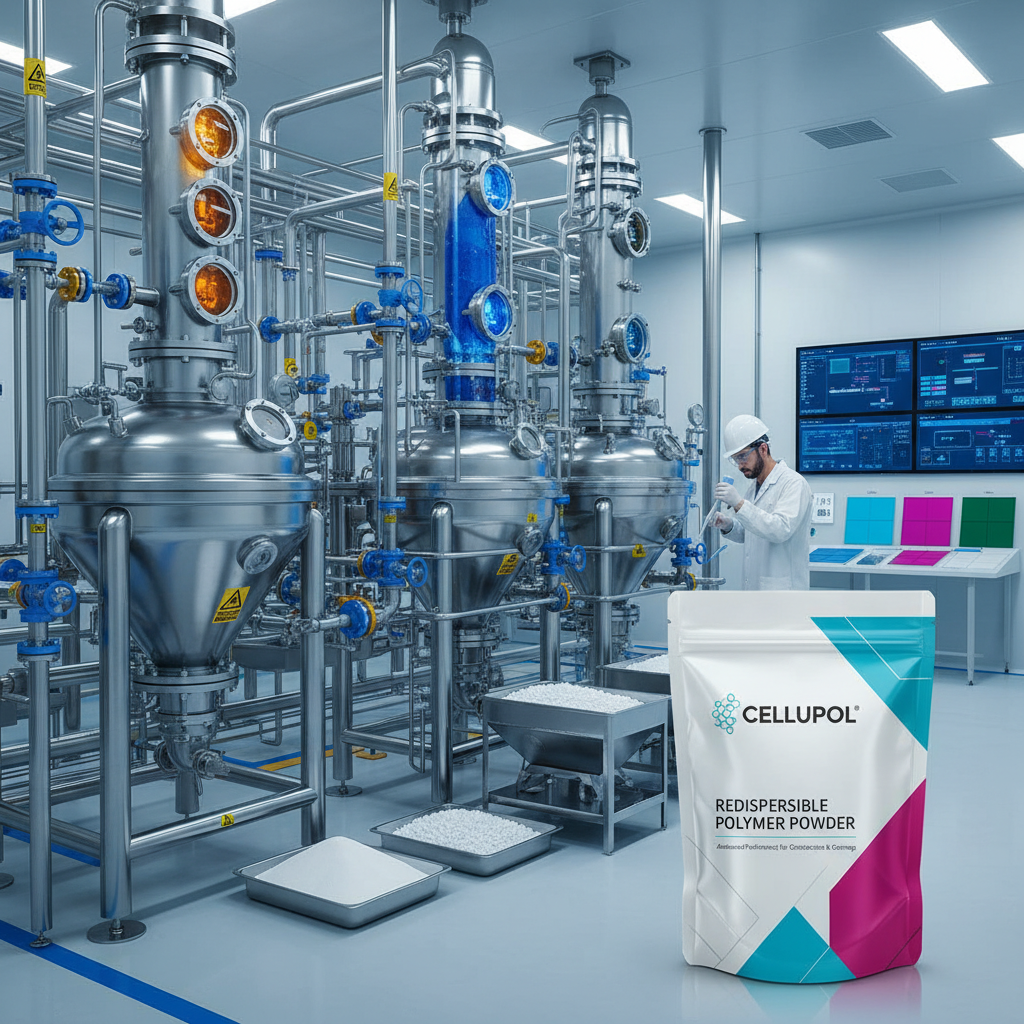
What is Redispersible Polymer Powder?
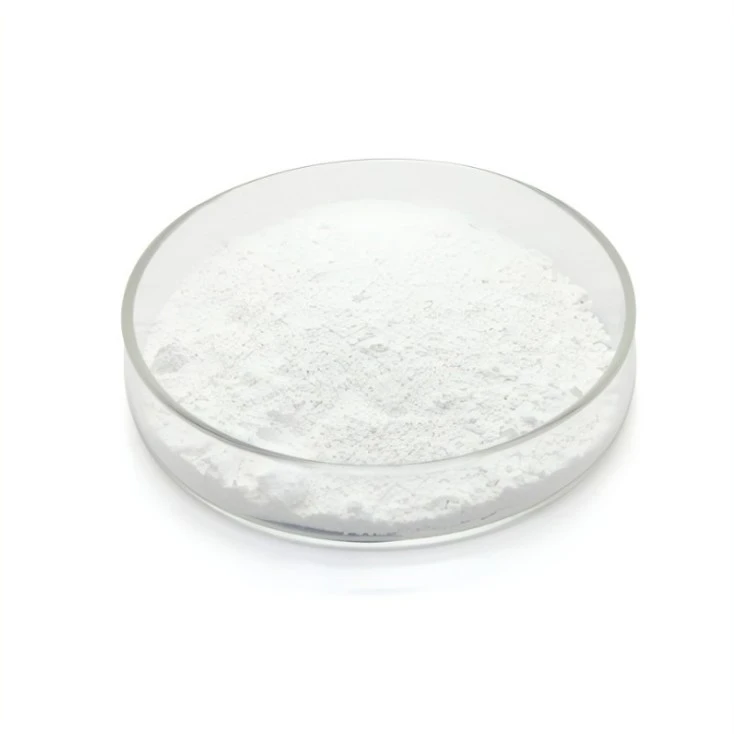
Redispersible polymer powder is a spray-dried powder produced through the polymerization of vinyl acetate and other monomers. It's designed to be redispersed in water, forming a stable emulsion with excellent film-forming properties. This emulsion then acts as a binder, improving the adhesion, flexibility, and workability of cementitious materials. The key characteristic is its ability to re-emulsify even after being thoroughly mixed with dry cement powders, which is what differentiates it from other polymer additives. Pezetech's RDP is engineered for superior performance in a variety of applications.
Key Highlights: Spray-dried powder, re-emulsifies in water, improves adhesion and flexibility, enhances workability of cementitious materials.
Redispersible Polymer Powder Applications
The versatility of redispersible polymer powder leads to widespread use across multiple industries. Common applications include tile adhesives, cement mortars, self-leveling compounds, external thermal insulation composite systems (ETICS), repair mortars, and skim coats. It improves the bonding strength between substrates, reduces cracking, and enhances the water resistance of the final product. Furthermore, it allows for lower water-cement ratios, leading to increased strength and durability. By modifying cement-based systems with RDP, formulators can achieve tailored performance characteristics.
Application Areas:
• Tile Adhesives
• Cement Mortars
• Self-Leveling Compounds
• ETICS (External Thermal Insulation Composite Systems)
• Repair Mortars
Key Benefits of Using Redispersible Polymer Powder
Incorporating RDP into cementitious formulations provides numerous advantages. It significantly improves adhesion to various substrates, leading to stronger and more durable bonds. RDP enhances the flexibility of the hardened material, reducing the risk of cracking caused by shrinkage or thermal stress. It also increases water retention, allowing for better hydration of the cement and improved workability. Moreover, it boosts the impact resistance and abrasion resistance of the final product, extending its service life. Using Pezetech’s RDP guarantees consistent quality and reliable performance.
Redispersible Polymer Powder Grades & Their Properties
Different grades of RDP are available, each tailored to specific application requirements. The choice depends on factors like the type of cement used, the desired workability, and the required performance characteristics. Here’s a comparative overview of commonly used grades:
Factors to Consider When Selecting RDP
Choosing the right RDP grade is crucial for optimal performance. Consider the following: the type of cement used (Portland, calcium aluminate, etc.), the desired workability and open time, the required mechanical properties (flexural strength, tensile strength), and the environmental conditions. Compatibility with other additives in the formulation is also important. Always consult with a technical expert to ensure the selected RDP grade meets your specific application needs.

Conclusion: Enhancing Performance with Redispersible Polymer Powder
Redispersible polymer powder is an indispensable component in modern construction and industrial materials. Its ability to enhance adhesion, flexibility, workability, and durability makes it a valuable asset for formulators. Choosing the appropriate RDP grade and understanding its properties are vital for achieving optimal performance. Pezetech offers a comprehensive range of high-quality RDP products to meet diverse application requirements.
Frequently Asked Questions (FAQs)
What is the recommended dosage of RDP in tile adhesives?
The optimal dosage of RDP in tile adhesives typically ranges from 2% to 6% by weight of the cementitious material. However, this can vary depending on the type of cement, the type of tile, and the desired performance characteristics. Lower dosages may improve workability, while higher dosages enhance adhesion and flexibility. It's crucial to conduct laboratory testing to determine the ideal dosage for a specific formulation. Always refer to the RDP manufacturer's recommendations and consider compatibility with other additives.
How does RDP improve the water resistance of cement mortars?
RDP improves the water resistance of cement mortars by forming a hydrophobic (water-repelling) film within the cement matrix. This film reduces the penetration of water, preventing damage caused by moisture, such as efflorescence, cracking, and reduced strength. The polymer particles coalesce upon drying, creating a barrier against water ingress. This is particularly beneficial for exterior applications and areas exposed to high humidity.
Can RDP be used with different types of cement?
Yes, RDP is generally compatible with various types of cement, including Portland cement, calcium aluminate cement, and blended cements. However, it’s important to consider the specific chemical composition of the cement and the RDP. Some RDP grades are specifically designed for use with certain cement types to maximize performance. It's recommended to conduct compatibility testing to ensure optimal results.
What are the storage conditions for redispersible polymer powder?
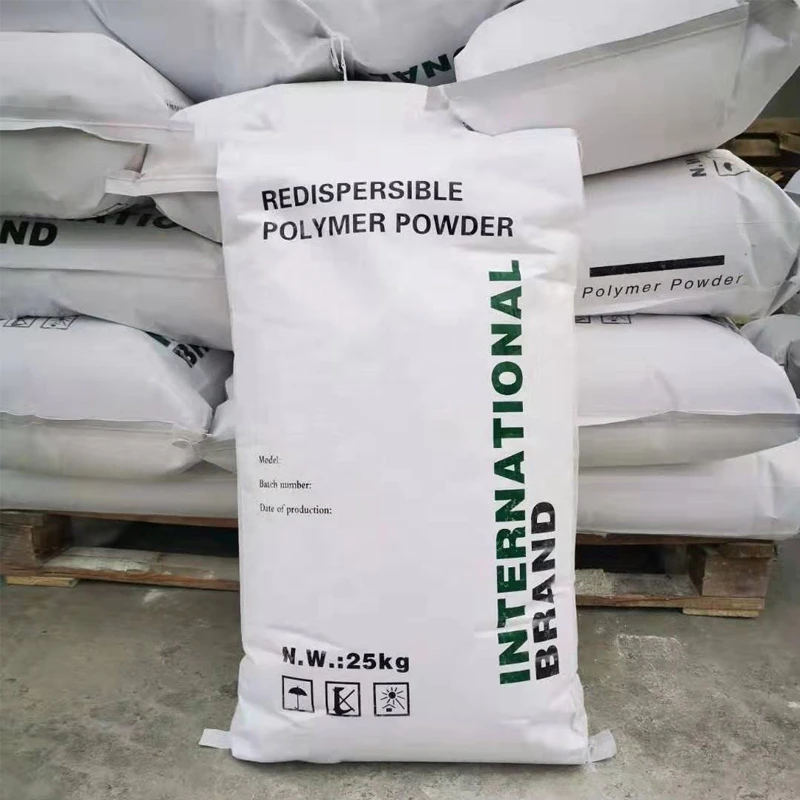
Redispersible polymer powder should be stored in a cool, dry, and well-ventilated area, away from direct sunlight, heat, and moisture. It's crucial to keep the packaging sealed when not in use to prevent moisture absorption, which can cause the powder to cake and lose its redispersibility. The recommended storage temperature is between 5°C and 30°C. Following these storage guidelines will ensure the RDP maintains its quality and performance.
-
Top Guide to Selecting Professional vae emulsion manufacturersNewsApr.16,2026
-
Viscosity of HPMCNewsApr.15,2026
-
HPMC Powder UsesNewsApr.15,2026
-
Understanding VAE Emulsion for Modern Industrial CoatingsNewsApr.09,2026
-
Comprehensive Guide to Redispersible Emulsion Powder and its ApplicationsNewsApr.07,2026
-
Comprehensive Guide to Redispersible Latex Powder for Construction ApplicationsNewsApr.04,2026