9049 76 7: Hydroxypropyl Starch Ether for Superior Stability & Texture
Introduction to Hydroxypropyl Starch Ether (HPS) and Industry Trends
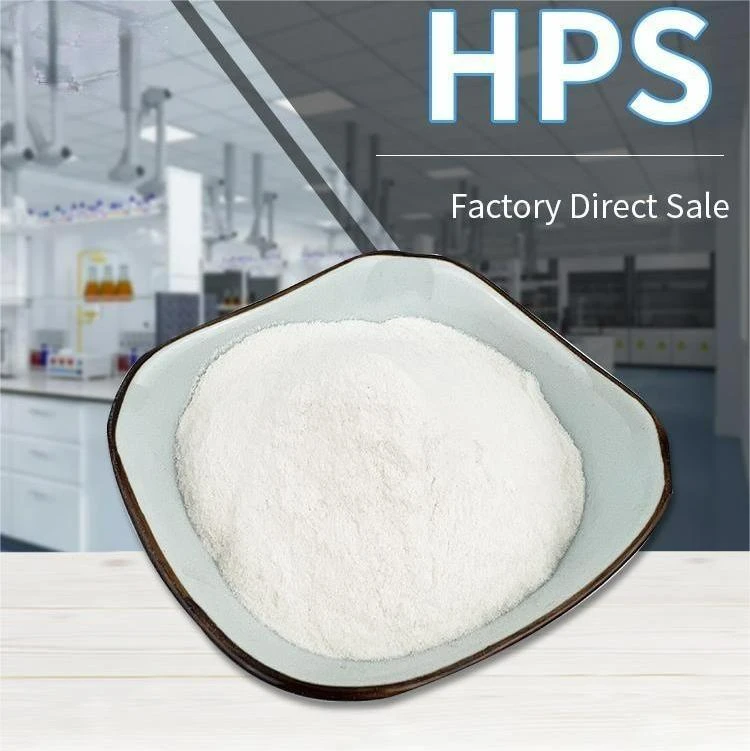
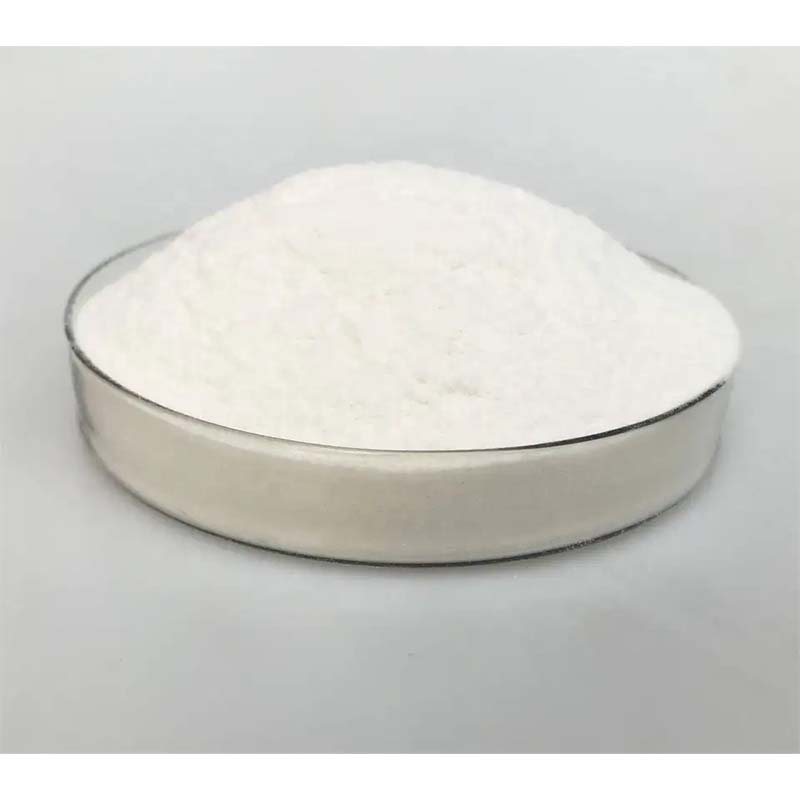
In the dynamic landscape of modern construction and industrial applications, specialized additives play a pivotal role in enhancing material performance and efficiency. Among these, 9049 76 7, commonly known as Hydroxypropyl Starch Ether (HPS), stands out as a high-performance modifier. This versatile polymer, derived from natural starch through etherification, is engineered to significantly improve the workability, anti-sagging properties, and overall performance of cement-based and gypsum-based dry-mix mortars.
The global market for construction additives, including starch ethers, is experiencing robust growth, driven by increasing urbanization, infrastructure development, and a strong emphasis on sustainable and high-performance building materials. Industry reports project a compound annual growth rate (CAGR) of over 6% for construction chemicals, with starch ethers contributing significantly due to their eco-friendly nature and superior rheological modification capabilities. Key trends indicate a rising demand for additives that offer extended open time, enhanced adhesion strength, improved crack resistance, and reduced material consumption, all of which are core benefits provided by 9049 76 7. Furthermore, the increasing adoption of automated construction techniques necessitates materials with consistent rheology and predictable performance, cementing the role of advanced additives like HPS.
Hydroxypropyl starch ether is particularly favored in formulations for tile adhesives, wall putties, self-leveling compounds, and gypsum joint powder, offering formulators a powerful tool to meet stringent performance requirements and optimize production processes. Its ability to act as a thickener, stabilizer, and water retention agent makes it an indispensable component in high-quality dry-mix mortar systems.
Manufacturing Process of Hydroxypropyl Starch Ether
The production of 9049 76 7 involves a controlled chemical modification of natural starch to introduce hydroxypropyl groups, thereby altering its physical and chemical properties. This process significantly enhances its solubility, thickening efficiency, and stability in various applications.
Detailed Process Flow:
- Starch Slurry Preparation: High-quality native starch (e.g., corn, potato, tapioca) is dispersed in water to form a slurry. This initial step ensures uniform distribution and facilitates subsequent chemical reactions.
- Alkalization: An alkaline catalyst, typically sodium hydroxide (NaOH), is added to the starch slurry. This step creates active sites on the starch molecules, making them more reactive for etherification.
- Etherification Reaction: Propylene oxide, the etherifying agent, is introduced into the alkaline starch slurry under controlled temperature and pressure conditions. The hydroxypropyl groups react with the hydroxyl groups of the starch molecules, forming ether linkages. The degree of substitution (DS) – the average number of hydroxypropyl groups per anhydroglucose unit – is carefully controlled to achieve desired performance characteristics.
- Neutralization: After the reaction, the mixture is neutralized, typically with an acid like acetic acid or hydrochloric acid, to a pH range suitable for the next stages and end-use applications.
- Washing and Purification: The modified starch is then thoroughly washed to remove residual salts, unreacted reagents, and by-products. This purification step is crucial for product purity and consistency, especially for applications like "Good quality hps Hydroxypropyl Starch Ether for gypsum joint powder."
- Drying and Grinding: The purified wet cake of hydroxypropyl starch is dried, often using flash drying or spray drying methods, to achieve a specific moisture content. The dried product is then ground into a fine powder and sieved to ensure uniform particle size distribution.
- Quality Control and Packaging: The final product undergoes rigorous quality control checks against established standards. Only batches meeting strict specifications are packaged and prepared for shipment.
This meticulous manufacturing process adheres to international testing standards such as ISO 9001 for quality management, ensuring each batch of cas 9049 76 7 meets stringent performance criteria. The typical service life of mortars enhanced with HPS exceeds conventional formulations, demonstrating superior long-term stability and durability in various construction applications. For instance, in gypsum-based products, HPS significantly extends the open time and improves adhesion, leading to more robust and aesthetically pleasing finishes, while also enabling energy saving through reduced material waste and more efficient application.
Technical Specifications and Parameters of Hydroxypropyl Starch Ether
The efficacy of hydroxypropyl starch ether is defined by a set of critical technical parameters that dictate its performance in specific formulations. These parameters are crucial for formulators and engineers in selecting the appropriate grade of HPS for their applications, ensuring optimal rheological modification and overall product quality.
Key Product Specifications for HPS:
| Parameter | Typical Value Range | Measurement Standard | Significance in Application |
|---|---|---|---|
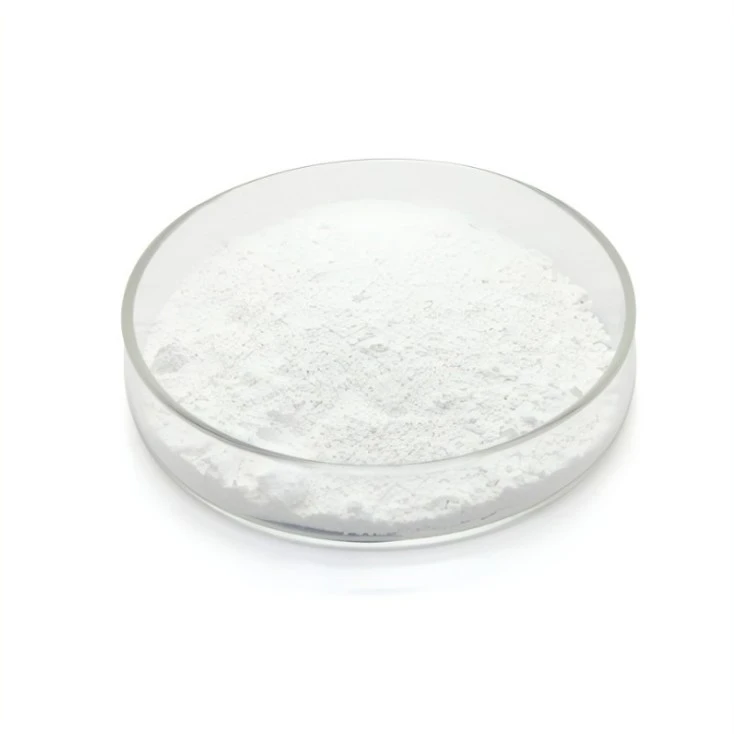
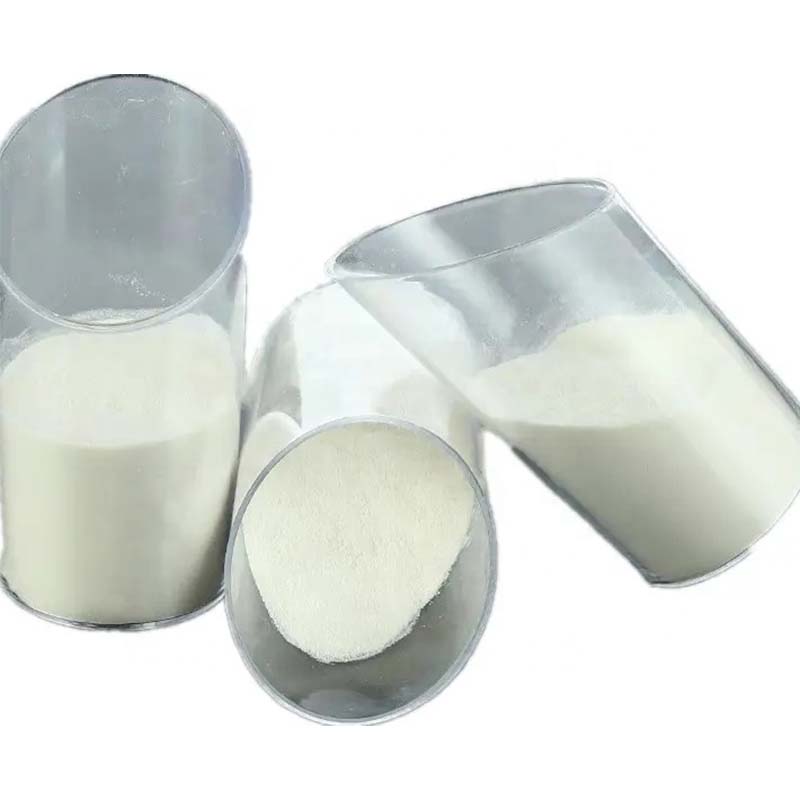
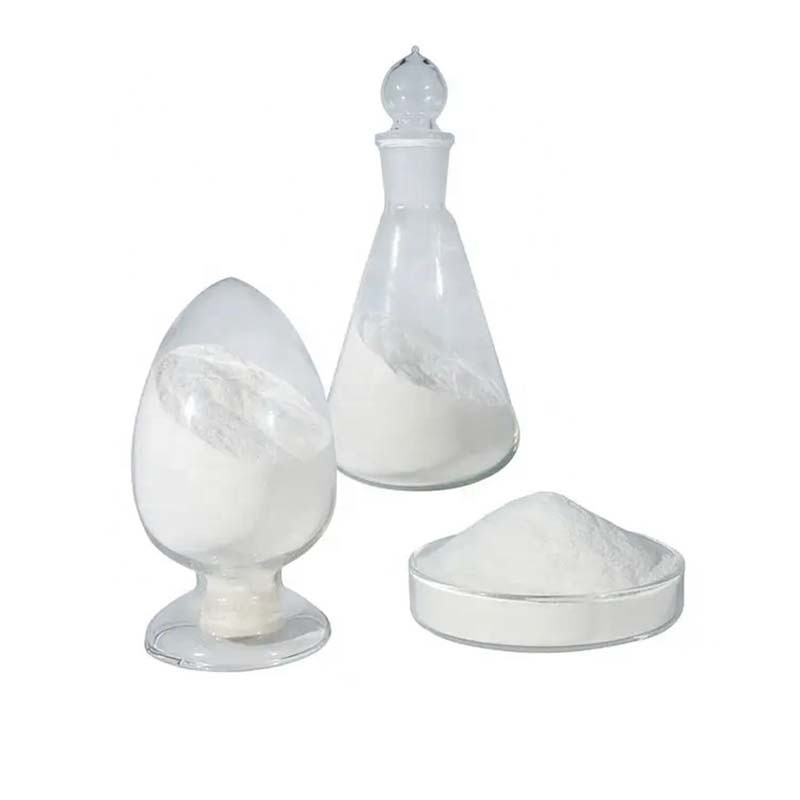
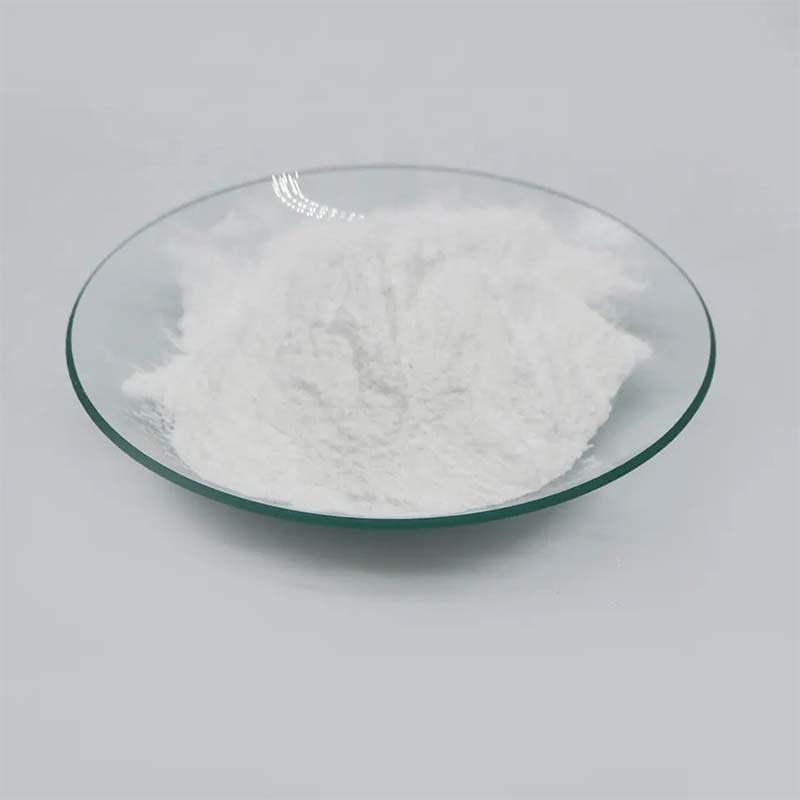
| Appearance | White to yellowish powder | Visual Inspection | Indicates purity and proper processing. |
| Viscosity (mPa·s, 2% solution) | 1500 - 4000 (Brookfield RVT, 20 rpm) | ASTM D2364 / ISO 1629 | Influences thickening effect, anti-sagging, and workability. Higher viscosity implies stronger rheological modification. |
| Moisture Content (%) | ≤ 8.0 | ISO 1629 / Karl Fischer | Lower moisture ensures better storage stability and prevents caking. |
| pH (2% solution) | 6.0 - 8.0 | ISO 1629 | Ensures compatibility with cementitious materials and gypsum. |
| Ash Content (%) | ≤ 5.0 | ISO 1629 | Indicates purity; lower ash content is generally preferred. |
| Particle Size (mesh) | 80-120 mesh (98% passing) | ISO 3310-1 | Fine particle size ensures good dispersibility and dissolution in dry-mix mortars. |
| Degree of Substitution (DS) | 0.1 - 0.5 (typical for HPS) | Specialized Chemical Analysis | Impacts solubility, thickening power, and film-forming properties. Tailored for specific applications. |
These detailed specifications for 9049 76 7 allow engineers and product developers to formulate highly optimized dry-mix mortars. For instance, the viscosity range is crucial for controlling the consistency of gypsum joint powder, ensuring smooth application and excellent crack resistance. The careful control of pH and ash content ensures compatibility and long-term stability within complex multi-component systems.
Application Scenarios and Technical Advantages
Hydroxypropyl starch ether is a cornerstone additive in various construction material formulations, significantly enhancing their performance and application properties. Its unique molecular structure provides a spectrum of benefits, making it indispensable for modern construction practices.
Key Application Areas:
- Gypsum-based Mortars: In products like gypsum joint powder, plaster, and skimming coats, HPS (e.g., "Good quality hps Hydroxypropyl Starch Ether for gypsum joint powder") acts as an excellent rheology modifier. It improves anti-sagging properties, allowing for thicker layers without slumping, and enhances workability for smoother application. It also contributes to better adhesion and reduced cracking.
- Tile Adhesives: Sodium hydroxypropyl starch phosphate (a related variant of HPS) is widely used in tile adhesives to improve open time, adjust consistency, and enhance anti-slip properties, particularly for large format tiles and vertical applications. It contributes to higher bond strength and flexibility.
- Wall Putties & Skim Coats: HPS provides excellent sag resistance, making it easier to achieve smooth and uniform finishes on vertical surfaces. It also improves surface hardness and reduces the potential for shrinkage cracks.
- Self-Leveling Compounds: While less common than cellulose ethers, specific grades of HPS can be used to optimize flow properties and reduce segregation in self-leveling floor screeds, contributing to a flatter and more even surface.
Technical Advantages of 9049 76 7:
- Enhanced Workability: HPS significantly improves the plasticity and ease of application of mortars, reducing effort for applicators and speeding up project timelines. Its pseudoplastic behavior ensures good consistency under shear, yet thickens rapidly when at rest.
- Superior Anti-Sagging: Prevents vertical flow or slumping in thick layers of mortar, essential for wall plasters and tile adhesives on vertical surfaces, directly addressing application challenges and improving efficiency.
- Optimized Water Retention: While cellulose ethers are primary water retention agents, HPS complements them by aiding in the even distribution of water, contributing to more complete cement hydration and stronger, more durable final products.
- Cost-Effectiveness: As an alternative or co-additive to cellulose ethers, hydroxypropyl starch ether can help reduce formulation costs while maintaining or even improving certain performance aspects, offering a competitive edge for manufacturers.
- Compatibility: Exhibits excellent compatibility with various construction additives, including cellulose ethers, redispersible polymer powders, and superplasticizers, allowing for flexible and robust formulation design.
Vendor Comparison and Customized Solutions
Choosing the right supplier for hydroxypropyl starch is paramount for manufacturers of dry-mix mortars. The quality, consistency, and technical support offered by a supplier directly impact the end product's performance and market competitiveness. When evaluating hydroxypropyl starch ether suppliers, several factors come into play beyond just the price per kilogram.
Key Considerations for Supplier Selection:
- Product Consistency: Reputable suppliers maintain strict quality control, ensuring batch-to-batch consistency of 9049 76 7 in terms of viscosity, purity, and particle size. This prevents formulation adjustments and production issues.
- Technical Support: A strong supplier offers in-depth technical assistance, helping clients optimize their formulations, troubleshoot challenges, and develop new products tailored to specific market needs.
- Certifications and Compliance: Adherence to international standards like ISO 9001, REACH compliance, and other relevant certifications assures product quality and safety.
- Customization Capabilities: The ability to provide customized grades of cas 9049 76 7 with tailored viscosity, dissolution rates, or other specific properties is a significant advantage, enabling clients to create unique and high-performing products.
- Logistics and Supply Chain Reliability: Timely delivery and a robust supply chain are crucial to prevent production delays and ensure continuous operations for clients.
Product Comparison: HPS vs. Other Thickeners
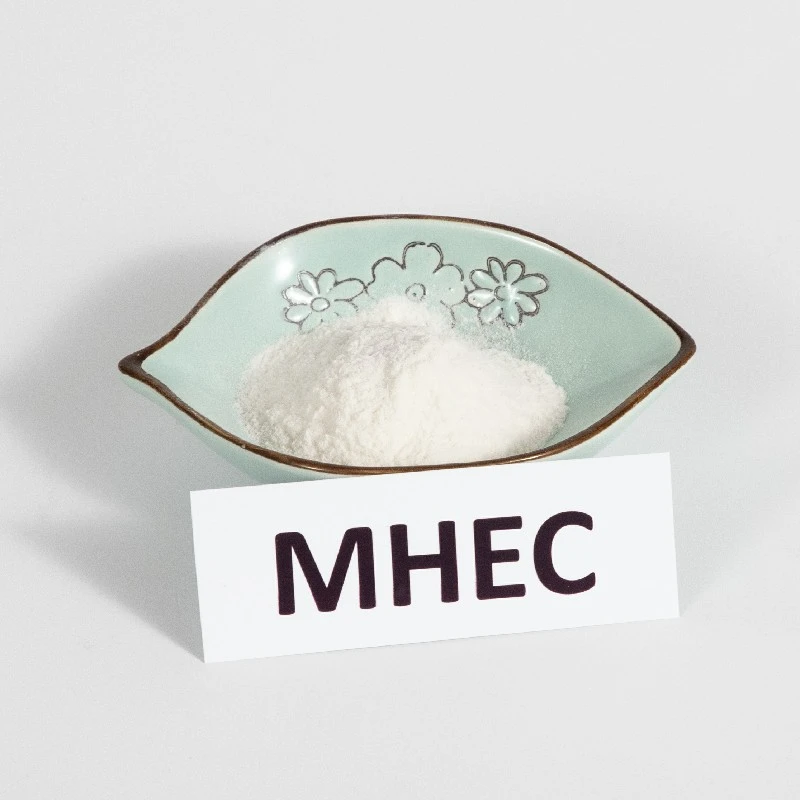
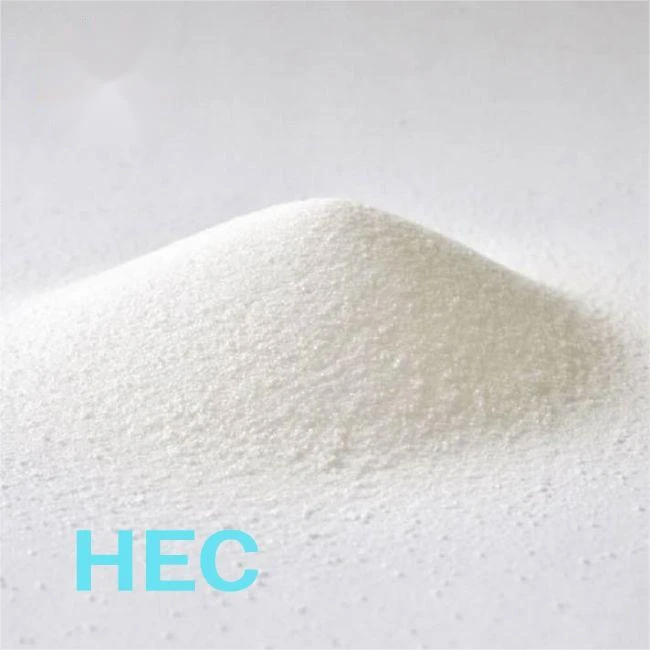
| Feature / Additive | Hydroxypropyl Starch Ether (HPS) | Hydroxyethyl Cellulose (HEC) | Methyl Hydroxyethyl Cellulose (MHEC / HEMC) |
|---|---|---|---|
| Primary Function | Rheology modifier, anti-sagging, workability enhancer | Thickener, water retention, protective colloid | Thickener, water retention, open time extension |
| Thickening Efficiency | Good, particularly effective for anti-sagging. | Excellent, wide range of viscosity. | Excellent, wide range of viscosity. |
| Water Retention | Moderate, typically used as co-additive. | Very Good. | Excellent. |
| Anti-Sagging Properties | Excellent, a key benefit. | Good, depending on grade. | Very Good. |
| Cost-Effectiveness | Generally more cost-effective than cellulose ethers for specific rheological benefits. | Higher cost compared to HPS. | Highest cost among common thickeners. |
| Ease of Dispersion | Very Good, typically quick dissolution. | Good, some grades may require careful mixing. | Good. |
This comparison highlights why 9049 76 7 is a preferred choice for specific applications, especially where anti-sagging and cost-efficiency are critical. While cellulose ethers (HEC, MHEC) offer excellent overall performance, HPS provides targeted rheological benefits often at a more attractive price point, making it an ideal co-additive to fine-tune mortar properties.
Application Case Studies and Customer Experience
The practical utility and technical superiority of hydroxypropyl starch ether are best illustrated through real-world application case studies and direct customer feedback. These examples underscore its impact on product performance, ease of use, and overall project success.
Case Study 1: Enhanced Gypsum Joint Powder for High-Rise Construction
A leading dry-mix mortar manufacturer faced challenges with the workability and anti-sagging properties of their gypsum joint powder, particularly in demanding high-rise construction projects where smooth, defect-free joints were critical. After integrating a customized grade of 9049 76 7 into their formulation, they observed a remarkable improvement. The joint powder exhibited superior slump resistance, allowing for easier overhead application and thicker fills without compromising curing time. Applicators reported a significant reduction in fatigue due to the improved spreadability and creaminess of the mixture. This led to a 15% increase in application efficiency and a 10% reduction in material waste, directly impacting project costs and timelines.
Case Study 2: Optimized Tile Adhesive for Large Format Tiles
A European tile adhesive producer sought to enhance their product for the growing market of large format and heavy tiles, which require exceptional anti-slip properties and extended open time. By carefully formulating with a specific blend including hydroxypropyl starch ether, they achieved a breakthrough. The new adhesive demonstrated an impressive anti-slip rating, preventing tile movement even when heavy tiles were applied vertically. Furthermore, the open time was extended by 20 minutes, giving installers more flexibility and reducing errors. The product received positive feedback from contractors for its ease of use and the resulting high-quality, durable installations. This success has cemented the company's position as a premium supplier in their region.
These cases exemplify the tangible benefits of incorporating high-quality hydroxypropyl starch ether into construction material formulations. Feedback consistently highlights improved workability, enhanced sag resistance, and superior finished product quality. Our commitment to ISO 9001 certified manufacturing processes and rigorous internal testing ensures that the hydroxypropyl starch ether we supply consistently delivers these critical performance advantages.
Trustworthiness, Support, and Fulfillment
Building trust and ensuring reliability are paramount in the B2B chemical supply chain. Our operations are grounded in transparency, adherence to global standards, and comprehensive customer support. We are committed to providing "Good quality hps Hydroxypropyl Starch Ether for gypsum joint powder" with consistent quality and dependable service.
Frequently Asked Questions (FAQ):
- Q: What is the primary role of 9049 76 7 in dry-mix mortars?
- A: Its primary role is as a rheology modifier, enhancing anti-sagging properties, improving workability, and adjusting consistency, particularly in gypsum-based and cement-based systems.
- Q: How does HPS compare to cellulose ethers in terms of performance?
- A: While cellulose ethers excel in water retention, HPS offers superior anti-sagging and thixotropy at lower dosages, often at a more competitive cost. They are frequently used synergistically.
- Q: Is hydroxypropyl starch ether compatible with other additives?
- A: Yes, it exhibits excellent compatibility with most common construction additives, including cellulose ethers, redispersible polymer powders, superplasticizers, and defoamers.
- Q: What are the storage requirements for HPS?
- A: Store in a cool, dry place, away from direct sunlight and moisture. The shelf life is typically 12-24 months under proper storage conditions.
Lead Time and Fulfillment:
We maintain efficient production schedules and robust logistics partnerships to ensure timely delivery. Standard lead times for hydroxypropyl starch ether typically range from 7-14 business days for common grades, depending on order volume and destination. Expedited shipping options are available upon request. Our fulfillment process includes stringent pre-shipment inspections and secure packaging to prevent contamination and damage during transit.
Warranty and Quality Assurance:
Our products, including 9049 76 7, are manufactured under a certified ISO 9001 quality management system, ensuring consistent quality and performance. We warrant that our products meet the specifications outlined in their respective Certificates of Analysis (CoA) and are free from manufacturing defects. In the unlikely event of a product not meeting agreed-upon specifications, we offer comprehensive support for investigation and resolution, including replacement or credit, as per our standard terms and conditions.
Customer Support and Technical Service:
Our dedicated team of technical experts and customer service representatives is available to assist clients with product selection, formulation optimization, and application troubleshooting. We provide detailed technical data sheets, safety data sheets (SDS), and application guidelines. With years of service to the B2B construction chemical industry, we pride ourselves on building long-term partnerships based on mutual trust and technical excellence. Our commitment extends beyond product delivery to include ongoing technical consultation and responsive support.
Conclusion
The increasing complexity and performance demands of modern construction necessitate advanced additives like hydroxypropyl starch ether. As a highly effective rheology modifier, 9049 76 7 offers significant advantages in enhancing the workability, anti-sagging properties, and overall durability of dry-mix mortars, particularly in gypsum-based and cementitious formulations. By combining a meticulous manufacturing process with rigorous quality control, we ensure that our HPS products consistently meet the high standards required by B2B professionals. Investing in quality hydroxypropyl starch ether translates directly into superior end-product performance, greater application efficiency, and enhanced market competitiveness for our partners.
Authoritative References
- ASTM International. (2018). ASTM D2364: Standard Test Methods for Hydroxypropyl Cellulose. ASTM International, West Conshohocken, PA.
- ISO 9001:2015. (2015). Quality management systems – Requirements. International Organization for Standardization.
- European Committee for Standardization. (2018). EN 1348: Adhesives for tiles – Test methods for tile adhesives.
- Thiele, M., & Rehbein, S. (2010). Rheology of Hydroxypropyl Starch Ethers in Cementitious Systems. Construction and Building Materials, 24(9), 1600-1605.
- National Center for Biotechnology Information (NCBI). PubChem Compound Summary for CID 16216440, Hydroxypropyl starch. Retrieved from https://pubchem.ncbi.nlm.nih.gov/compound/Hydroxypropyl-starch
- Global Market Insights. (2023). Construction Chemicals Market Size, Share & Forecast. Retrieved from www.gminsights.com/industry-analysis/construction-chemicals-market
-
Top Guide to Selecting Professional vae emulsion manufacturersNewsApr.16,2026
-
Viscosity of HPMCNewsApr.15,2026
-
HPMC Powder UsesNewsApr.15,2026
-
Understanding VAE Emulsion for Modern Industrial CoatingsNewsApr.09,2026
-
Comprehensive Guide to Redispersible Emulsion Powder and its ApplicationsNewsApr.07,2026
-
Comprehensive Guide to Redispersible Latex Powder for Construction ApplicationsNewsApr.04,2026