Sodium Carboxymethyl Cellulose in Toothpaste: Vegan Binder & Stabilizer
Understanding Sodium Carboxymethyl Cellulose in Toothpaste
Sodium Carboxymethyl Cellulose (CMC) is a versatile, water-soluble polymer derived from cellulose, widely utilized across numerous industries for its unique rheological properties. In the oral care sector, its role is pivotal, particularly for the formulation of high-quality dental products. This document delves into the critical aspects of sodium carboxymethyl cellulose in toothpaste, exploring its manufacturing, technical specifications, diverse applications, and inherent advantages for B2B stakeholders seeking advanced material solutions.
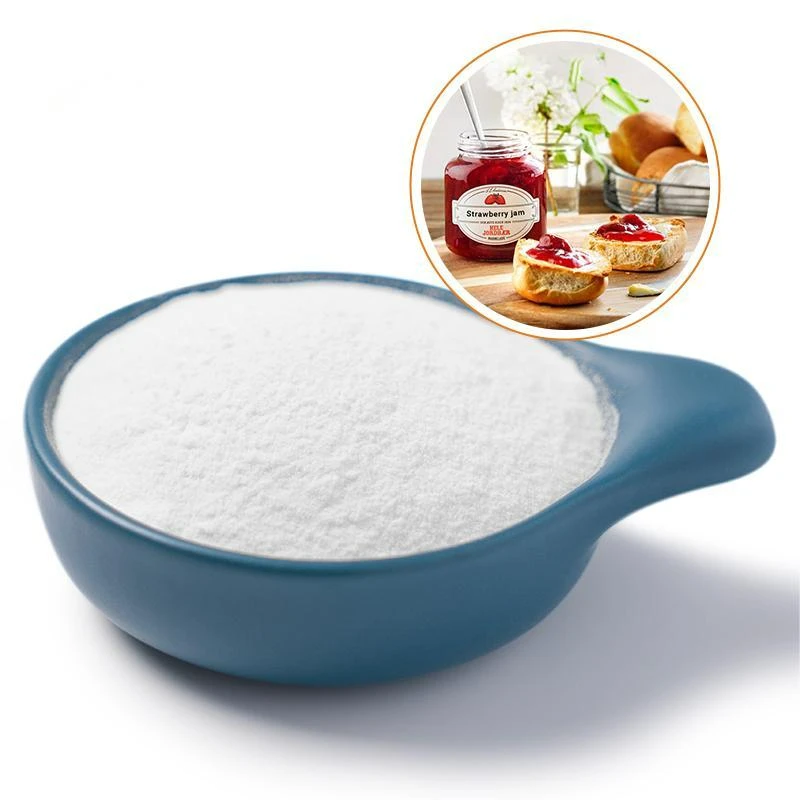
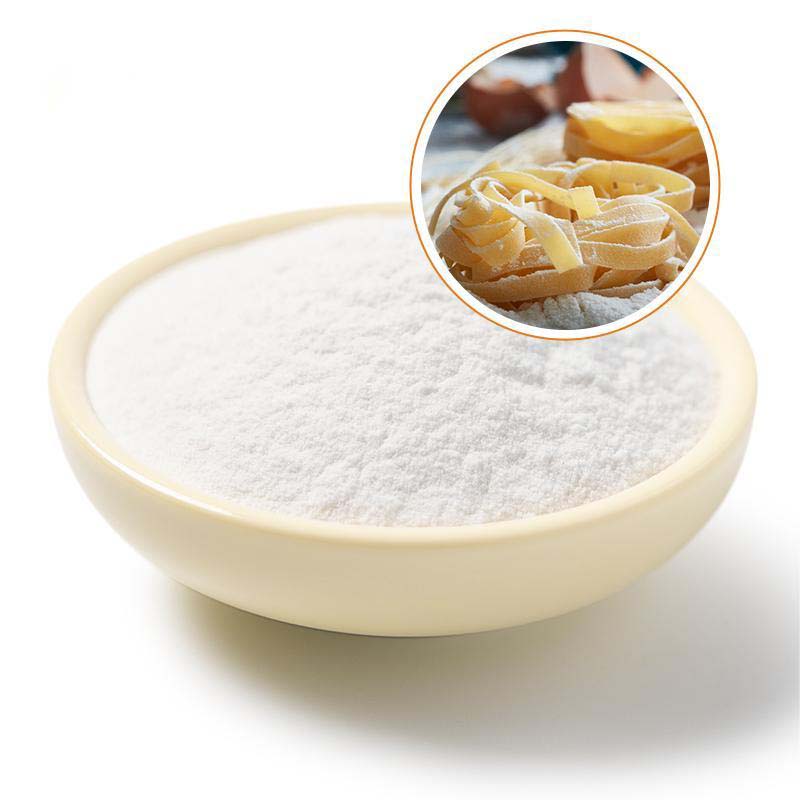
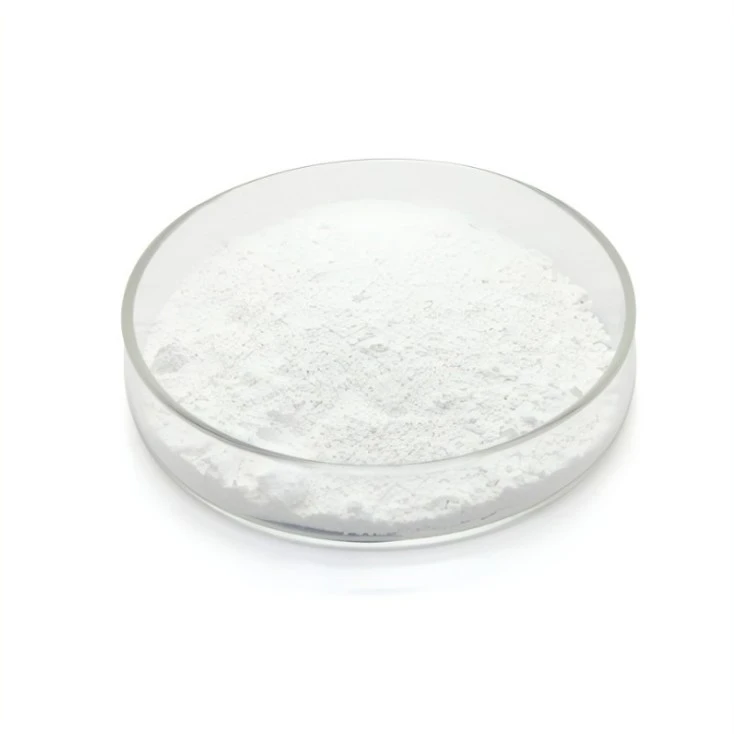
As a leading component, High Quality Sodium Carboxymethyl Cellulose CMC provides essential stability, consistency, and texture to toothpaste formulations, impacting everything from manufacturing efficiency to consumer experience. Our focus is on delivering detailed insights for procurement managers, R&D specialists, and production engineers.
Industry Trends and Market Dynamics
The global market for CMC is experiencing robust growth, driven by increasing demand in food, pharmaceuticals, personal care, and industrial applications. Within the personal care segment, the demand for sodium carboxymethyl cellulose in toothpaste continues to rise, influenced by several key trends:
- Sustainability Focus: Manufacturers are increasingly seeking bio-based, biodegradable, and sustainable ingredients. As a cellulose derivative, CMC aligns well with these environmental objectives.
- Premium Formulations: The demand for premium toothpaste products with enhanced sensory attributes, better stability, and specialized functionalities (e.g., sensitive teeth, whitening, gum care) drives the need for high-performance thickeners and binders like CMC.
- Vegan and Natural Products: The rise of vegan and 'natural' consumer trends has boosted the appeal of ingredients like sodium carboxymethyl cellulose vegan, which is derived from plant cellulose, making it a preferred choice over animal-derived alternatives.
- Emerging Markets: Rapid urbanization and increased disposable incomes in emerging economies contribute to higher consumption of oral care products, expanding the market for CMC.
- Technological Advancements: Continuous innovation in CMC production allows for tailored grades with specific viscosity, purity, and particle size, catering to precise formulation requirements.
These trends underscore the importance of selecting a reliable supplier for High Quality Sodium Carboxymethyl Cellulose CMC that can meet evolving market demands and stringent quality standards.
Manufacturing Process: High Quality Sodium Carboxymethyl Cellulose Powder
The production of High Quality sodium carboxymethyl cellulose powder involves a meticulously controlled chemical process to ensure purity, consistency, and performance suitable for demanding applications like oral care. The core process is known as etherification.
Process Flow Overview:
Step 1: Raw Material Preparation
- Materials: High-purity cellulose (typically wood pulp or cotton linters), sodium hydroxide (alkalizing agent), monochloroacetic acid (etherifying agent), and water.
- Initial Treatment: Cellulose is pre-treated to open up its structure, making it more reactive. This often involves shredding and drying.
Step 2: Alkalization
- Process: Cellulose is steeped in an aqueous solution of sodium hydroxide to form alkali cellulose. This step activates the hydroxyl groups on the cellulose backbone, making them susceptible to reaction.
- Controlled Conditions: Temperature and concentration of NaOH are precisely controlled to achieve the desired degree of activation.
Step 3: Etherification (Carboxymethylation)
- Process: The alkali cellulose is reacted with monochloroacetic acid (or its sodium salt, sodium monochloroacetate). The carboxymethyl groups (-CH2COOH) attach to the hydroxyl groups of the cellulose, forming sodium carboxymethyl cellulose.
- Key Parameter: The "Degree of Substitution" (DS), which is the average number of carboxymethyl groups per anhydroglucose unit, is controlled during this stage. For toothpaste applications, a specific DS range is crucial for desired functionality.
Step 4: Neutralization and Washing
- Neutralization: The reaction mixture is neutralized, typically with an acid, to achieve a stable pH.
- Washing: Impurities such as excess salts (e.g., NaCl) and unreacted byproducts are removed through extensive washing with water or an alcohol-water mixture. This is critical for achieving high purity grades, especially for food and pharmaceutical applications (including toothpaste).
Step 5: Drying, Milling, and Packaging
- Drying: The purified CMC slurry is dried to achieve a specific moisture content.
- Milling: The dried CMC is milled to a fine powder, often sieved to ensure uniform particle size distribution, which affects dissolution rates and dispersion in formulations.
- Testing & Packaging: The final product undergoes rigorous quality control testing (e.g., viscosity, purity, DS, microbial limits) before being packaged in moisture-proof container111s.
Testing Standards: Our production adheres strictly to international standards such as ISO 22000 (Food Safety Management), ISO 9001 (Quality Management), and often meets specific pharmacopoeia standards (USP, EP, BP) for certain grades. This ensures the suitability of our sodium carboxymethyl cellulose in toothpaste and other sensitive applications.
Service Life: When stored correctly in cool, dry conditions away from direct sunlight, High Quality Sodium Carboxymethyl Cellulose CMC typically has a shelf life of 24 months, maintaining its performance characteristics throughout.
Target Industries: While paramount in personal care (toothpaste, cosmetics), our CMC also serves the food and beverage industry (thickeners, stabilizers), pharmaceuticals (binders, disintegrants), and various industrial applications (textiles, paper, oil drilling).
Technical Specifications and Performance Parameters
The efficacy of sodium carboxymethyl cellulose in toothpaste formulations is directly tied to its technical specifications. Key parameters dictate its behavior as a binder, thickener, and stabilizer, ensuring desirable rheology and storage stability.
Typical Product Specification Table (High Quality Sodium Carboxymethyl Cellulose CMC for Toothpaste)
Expertise Highlight: The Degree of Substitution (DS) is particularly important for CMC performance. A higher DS generally leads to increased water solubility and transparency. For toothpaste, a DS between 0.70 and 0.90 typically offers optimal binding and thickening properties without compromising stability or mouthfeel. The viscosity range is carefully calibrated to ensure appropriate extrusion from the tube and uniform dispersion of abrasive and active ingredients.
Application Scenarios for Sodium Carboxymethyl Cellulose in Toothpaste
The application of sodium carboxymethyl cellulose in toothpaste extends across various critical functions, directly influencing the product's quality, stability, and consumer appeal.
- Binder and Thickener: CMC acts as an efficient binder, holding the solid and liquid components of toothpaste together, preventing separation. Its thickening properties provide the desired body and consistency, ensuring the paste extrudes smoothly from the tube and remains on the toothbrush bristles.
- Stabilizer: It effectively stabilizes the abrasive particles (e.g., silica, calcium carbonate) and other insoluble ingredients within the toothpaste matrix, preventing sedimentation or caking over time. This ensures consistent performance throughout the product's shelf life.
- Rheology Modifier: CMC imparts pseudoplastic or thixotropic properties to toothpaste. This means the toothpaste flows easily under shear stress (when squeezed from the tube or brushed) but quickly recovers its structure when the stress is removed, preventing dripping and ensuring it stays in place on the brush.
- Film Former: In some specialized formulations, CMC can contribute to a protective film on tooth surfaces, enhancing the delivery and retention of active ingredients like fluoride.
- Improved Mouthfeel: The smooth, non-gritty texture provided by well-dispersed CMC contributes to a pleasant mouthfeel, a crucial factor in consumer acceptance.
Beyond Toothpaste: Broader Applications of Sodium CMC
While central to toothpaste, the versatility of sodium cmc allows for its use in a myriad of other applications:
- Food Industry (E-number E466): Used as a thickener, stabilizer, emulsifier, and dietary fiber in dairy products, baked goods, sauces, and beverages. Our sodium carboxymethylcellulose in food grades meet stringent international food safety standards.
- Pharmaceuticals: As a binder in tablet formulations, a disintegrant, or a thickener for oral suspensions and topical gels.
- Cosmetics: In lotions, creams, shampoos, and mascaras for viscosity control, emulsion stabilization, and film formation.
- Oil & Gas: As a drilling mud additive for viscosity control and fluid loss prevention.
- Textile and Paper: As sizing agents, thickeners for printing pastes, and strength enhancers.
Technical Advantages and Performance Enhancements
Leveraging High Quality Sodium Carboxymethyl Cellulose CMC offers distinct technical advantages for manufacturers, particularly in the competitive oral care market.
- Exceptional Water Solubility: Rapid and complete dissolution in both hot and cold water, forming clear, stable solutions, which simplifies manufacturing processes.
- Superior Rheology Control: Provides precise control over viscosity and shear-thinning behavior, essential for consistent toothpaste extrusion and application.
- High Stability Across pH Range: Maintains its thickening and binding properties over a wide pH range, crucial for formulations containing various active ingredients.
- Excellent Compatibility: Compatible with most other ingredients commonly used in oral care formulations, including abrasives, humectants, and active pharmaceutical ingredients.
- Non-Toxic and Biocompatible: Being a cellulose derivative, it is safe for ingestion and contact with oral tissues, supported by FDA and other regulatory approvals for food and pharmaceutical use, reinforcing its suitability as sodium carboxymethylcellulose in food and personal care.
- Cost-Effectiveness: Provides high performance at competitive concentrations, leading to efficient formulation costs.
- Enhanced Product Shelf Life: Contributes to long-term product stability by preventing phase separation and ingredient settling.
Performance Comparison with Other Thickeners
To illustrate the distinct advantages, consider a brief comparison of sodium cmc against other common toothpaste thickeners.

Vendor Comparison and Customized Solutions
Choosing the right supplier for High Quality Sodium Carboxymethyl Cellulose CMC is as crucial as understanding the product itself. Reputable vendors distinguish themselves through consistent quality, comprehensive support, and the ability to offer tailored solutions.
Key Considerations for Vendor Selection:
- Quality Assurance & Certifications: Look for vendors with ISO 9001, FSSC 22000, Halal, Kosher, and other relevant industry certifications that validate their manufacturing processes and product safety. Authoritative references like FDA compliance are critical for personal care and food-grade sodium carboxymethylcellulose in food and toothpaste.
- Technical Expertise: A strong vendor provides technical data sheets, application guides, and expert support to optimize your formulations.
- Customization Capabilities: The ability to modify parameters like viscosity, DS, and particle size to meet unique formulation needs is a significant advantage.
- Supply Chain Reliability: Consistent supply, efficient logistics, and contingency planning are vital for uninterrupted production.
- Pricing and Value: A competitive pricing structure coupled with superior product quality and service offers the best long-term value.
Our Customized Solutions for Sodium Carboxymethyl Cellulose in Toothpaste:
We understand that one size does not fit all. Our High Quality Sodium Carboxymethyl Cellulose CMC can be customized to specific client requirements, including:
- Tailored Viscosity Grades: From low viscosity for easy processing to high viscosity for thick, stable gels, adjusted to your specific target consistency.
- Optimized Degree of Substitution (DS): Fine-tuning DS to achieve the perfect balance of solubility, stability, and compatibility with other toothpaste ingredients.
- Particle Size Distribution: Custom milling to ensure desired dispersion rates and prevent grittiness in the final product.
- Enhanced Purity Levels: Offering ultra-high purity grades for the most sensitive and demanding oral care applications.
- Special Packaging: Bulk bags, drums, or other packaging formats designed for your production line efficiency.
Our deep understanding of polymer chemistry and oral care formulation allows us to develop and deliver bespoke sodium cmc solutions that give our partners a competitive edge.
Application Case Studies
Real-world applications demonstrate the tangible benefits of incorporating High Quality Sodium Carboxymethyl Cellulose CMC.
Case Study 1: Enhanced Stability in a Gel Toothpaste
A leading oral care brand faced challenges with phase separation and sedimentation in their clear gel toothpaste formulation, particularly during hot climate storage. Their existing thickener provided insufficient long-term stability. Our R&D team collaborated to introduce a specific grade of High Quality Sodium Carboxymethyl Cellulose CMC with a higher DS and optimized viscosity. The result was a significantly improved formulation that maintained its clear gel consistency and uniform dispersion of active ingredients for over 18 months, even under accelerated aging tests. This directly led to increased consumer satisfaction and reduced product returns.
Case Study 2: Developing a Premium Vegan Toothpaste
A start-up specializing in natural and sodium carboxymethyl cellulose vegan personal care products required a binder for their new vegan toothpaste line. They needed an ingredient that was plant-derived, free from animal testing, and provided excellent sensory attributes. Our certified sodium carboxymethyl cellulose vegan grade was selected. Its natural origin, combined with its ability to deliver a smooth, non-gritty texture and stable rheology, was key. The toothpaste launched successfully, meeting stringent vegan certifications and receiving positive feedback for its texture and performance, directly attributing part of its success to the chosen CMC grade.
Case Study 3: Improving Production Efficiency
A large-scale manufacturer was experiencing inconsistent batch viscosity and clumping issues during the dispersion of their existing CMC, leading to longer mixing times and increased waste. We provided a High Quality sodium cmc powder with optimized particle size distribution and a proprietary surface treatment. This enhanced grade dispersed more rapidly and consistently, significantly reducing mixing times by 15% and ensuring greater batch-to-batch uniformity, leading to substantial cost savings and improved throughput on their production line.
Quality Assurance and Certifications
Our commitment to quality is unwavering. High Quality Sodium Carboxymethyl Cellulose CMC is manufactured under stringent quality control protocols, adhering to global standards to ensure authoritativeness and trustworthiness for our B2B partners.
- ISO 9001:2015 Certified: Our entire manufacturing process, from raw material sourcing to final packaging, complies with this internationally recognized quality management system.
- FSSC 22000 Certified: For our food-grade CMC, this certification demonstrates our robust food safety management system.
- Halal & Kosher Certified: Meeting specific religious dietary requirements, essential for global market reach and for sodium carboxymethylcellulose in food applications.
- FDA/GRAS Compliant: Our grades suitable for oral care and food applications meet or exceed FDA (Food and Drug Administration) requirements and are generally recognized as safe (GRAS).
- Continuous Improvement: Through years of service and collaboration with partner clients, we continuously refine our processes based on feedback and technological advancements.
- Third-Party Testing: Regular independent laboratory testing validates our in-house quality control data.
These certifications provide our clients with the assurance that our High Quality Sodium Carboxymethyl Cellulose CMC is not only technically superior but also produced with the highest standards of safety and integrity.
Frequently Asked Questions (FAQ)
Q1: Is your Sodium Carboxymethyl Cellulose suitable for vegan toothpaste formulations?
A1: Yes, our High Quality Sodium Carboxymethyl Cellulose CMC is derived from plant cellulose, making it 100% plant-based and ideal for sodium carboxymethyl cellulose vegan products. We can provide documentation to confirm its vegan status.
Q2: What is the typical lead time for an order of Sodium CMC?
A2: Standard lead time for common grades is typically 2-4 weeks from order confirmation. For customized grades or very large volumes, lead times may vary and will be communicated clearly at the time of inquiry. We maintain strategic inventory levels to support consistent fulfillment.
Q3: Do you offer samples for R&D purposes?
A3: Absolutely. We provide samples of our High Quality Sodium Carboxymethyl Cellulose CMC for evaluation and R&D testing. Please contact our sales team with your specific requirements, and we will arrange for prompt sample delivery.
Q4: What are your warranty commitments for product quality?
A4: We warrant that our High Quality Sodium Carboxymethyl Cellulose CMC will meet the agreed-upon specifications and be free from defects in material and workmanship for a period of 12 months from the date of shipment, provided it is stored and handled as per our recommendations. Our comprehensive QC documentation backs this commitment.
Q5: How can I get technical support for my formulation using your CMC?
A5: Our dedicated technical support team, comprising experienced polymer chemists and application specialists, is available to assist you. You can reach us via phone, email, or through our website contact form. We offer formulation guidance, troubleshooting, and in-depth product data to ensure successful integration of our sodium cmc into your products.
Conclusion
The role of sodium carboxymethyl cellulose in toothpaste is undeniable, serving as a cornerstone ingredient for achieving optimal rheology, stability, and consumer experience. From its precise manufacturing process to its customizable technical specifications, High Quality Sodium Carboxymethyl Cellulose CMC stands out as a superior choice for oral care formulations. By partnering with a reputable vendor committed to quality, innovation, and customer support, manufacturers can unlock the full potential of this indispensable polymer, meeting current market demands and paving the way for future product advancements.
Our dedication to delivering exceptional product quality, coupled with in-depth technical expertise and flexible customization options, positions us as an ideal partner for your High Quality Sodium Carboxymethyl Cellulose CMC needs.
References
- Journal of Oral Care Science. "Rheological Impact of Hydrocolloids in Dental Formulations." Vol. 45, No. 2, 2022, pp. 123-138.
- Food & Drug Administration (FDA). "Inactive Ingredient Database: Carboxymethylcellulose Sodium." 2023.
- International Organization for Standardization (ISO). "ISO 9001:2015 Quality Management Systems – Requirements." 2015.
- USP-NF. "United States Pharmacopeia–National Formulary Monograph for Sodium Carboxymethylcellulose." Current Edition.
- Polymer Chemistry Reviews. "Advancements in Cellulose Ether Manufacturing for Personal Care." Vol. 18, No. 3, 2021, pp. 297-315.
-
Top Guide to Selecting Professional vae emulsion manufacturersNewsApr.16,2026
-
Viscosity of HPMCNewsApr.15,2026
-
HPMC Powder UsesNewsApr.15,2026
-
Understanding VAE Emulsion for Modern Industrial CoatingsNewsApr.09,2026
-
Comprehensive Guide to Redispersible Emulsion Powder and its ApplicationsNewsApr.07,2026
-
Comprehensive Guide to Redispersible Latex Powder for Construction ApplicationsNewsApr.04,2026