Premium Sodium Carboxymethyl Cellulose: Thickener & Stabilizer
Understanding sodium carboxymethyl cellulose (CMC) in B2B Applications
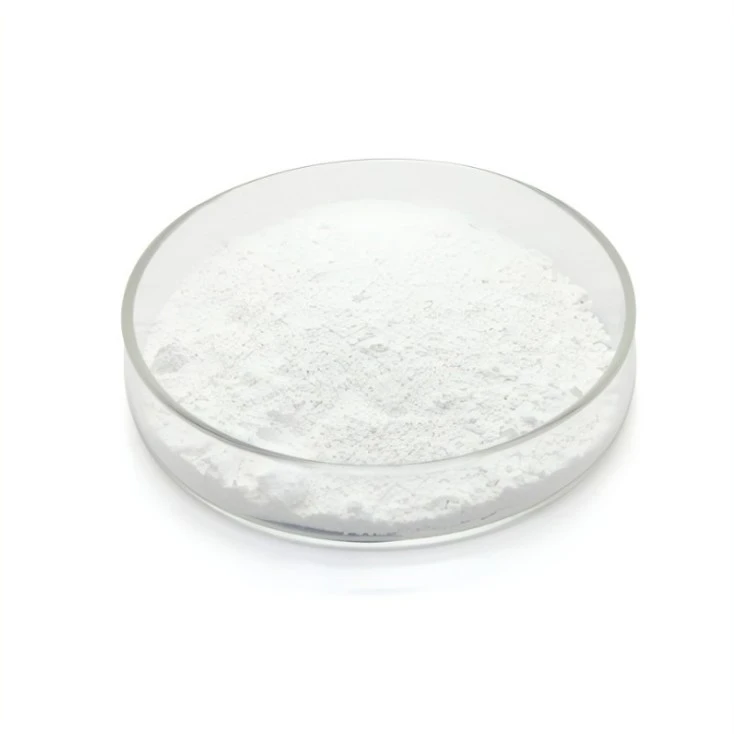
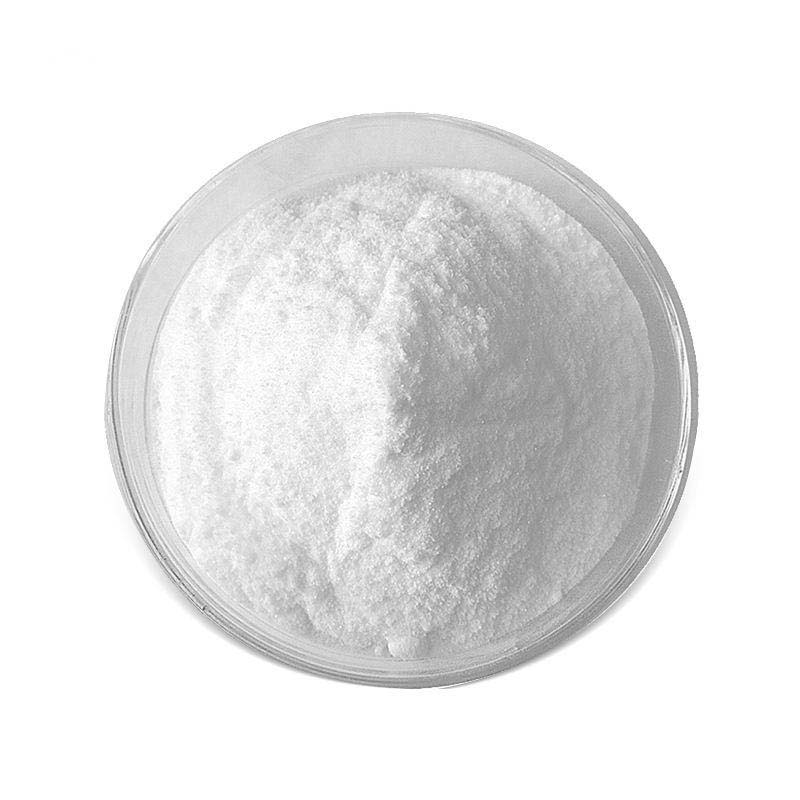
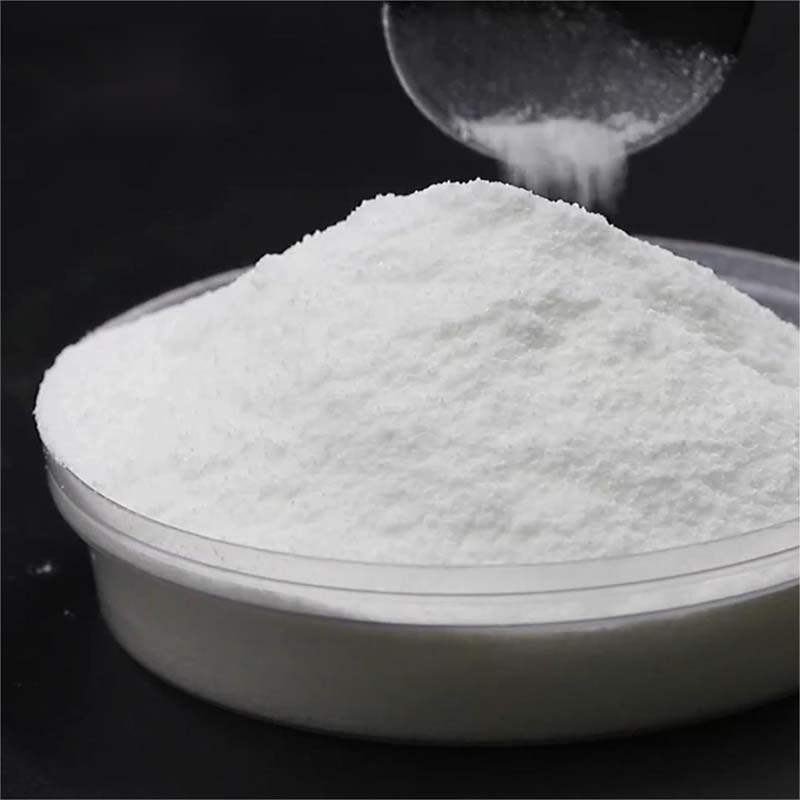
In the realm of industrial chemistry, sodium carboxymethyl cellulose (CMC) stands out as a highly versatile polymer with applications spanning numerous sectors. This anionic, water-soluble polymer, derived from cellulose, is valued for its unique properties including thickening, binding, emulsifying, suspending, stabilizing, and water-retaining capabilities. Its molecular structure, characterized by carboxymethyl groups (-CH₂COOH) introduced into the cellulose backbone, imparts a high degree of hydrophilicity and functionality. From its critical role in oil and gas drilling fluids to its use in food, pharmaceuticals, and personal care products, understanding the technical specifications and operational advantages of CMC is paramount for B2B decision-makers. The market for high-quality CMC is continually expanding, driven by demand for performance-enhancing additives that are also environmentally compliant and cost-effective.
The demand for reliable and high-performance drilling fluid additives, such as the sodium carboxymethyl cellulose offered by Peze Tech, underscores its importance. This article delves into the intricate details of CMC production, its technical advantages, diverse application scenarios, and key considerations for procurement, ensuring a comprehensive understanding for engineers and procurement specialists alike.
The Manufacturing Process of Sodium Carboxymethyl Cellulose
The production of sodium carboxymethyl cellulose is a sophisticated chemical synthesis process, primarily involving the alkalization and etherification of cellulose. This controlled reaction ensures the precise introduction of carboxymethyl groups, which dictates the final product's performance characteristics, such as viscosity, degree of substitution (DS), and purity.
Schematic Steps of CMC Production:
- 1. Raw Material Preparation: High-purity cellulose, typically derived from wood pulp or cotton linters, serves as the primary material. Quality control ensures consistent fiber length and purity.
- 2. Alkalization: Cellulose fibers are treated with a concentrated solution of sodium hydroxide (caustic soda). This process swells the cellulose, converting it into alkali cellulose, which makes the hydroxyl groups more reactive for the subsequent etherification step. This is often done in mixers with precise temperature and agitation control.
- 3. Etherification: The alkali cellulose is then reacted with monochloroacetic acid (MCA) or its sodium salt (SMCA) in a controlled environment, usually a kneader or reactor. The carboxymethyl groups are substituted onto the anhydroglucose units of the cellulose chain. The reaction conditions—temperature, time, and reactant ratios—are critical for achieving the desired degree of substitution (DS).
- 4. Neutralization: After etherification, the reaction mixture is neutralized, typically with acetic acid, to adjust the pH.
- 5. Washing and Purification: The crude sodium carboxymethyl cellulose is then extensively washed with water or an ethanol-water mixture to remove unreacted reagents (e.g., sodium chloride, sodium glycolate) and by-products. This purification step is crucial for achieving high-purity CMC suitable for various applications, especially in food and pharmaceuticals.
- 6. Drying: The purified CMC slurry is then dewatered and dried using spray dryers or fluid bed dryers to a specified moisture content, ensuring product stability and shelf life.
- 7. Grinding and Sieving: The dried CMC is ground into a fine powder and sieved to achieve the desired particle size distribution, which affects dissolution rates and dispersion properties.
- 8. Quality Control & Packaging: Strict quality control measures, adhering to standards like ISO 9001, API 13A (for oilfield grades), and relevant ANSI specifications, are applied at every stage. Testing includes analysis of viscosity, degree of substitution, purity, moisture content, and heavy metals. The final product is then packaged for distribution.
This meticulous process ensures that the resultant cellulose sodium meets stringent industry requirements, exhibiting excellent stability and performance. The service life of CMC, when stored correctly, can extend for several years without significant degradation, making it a reliable choice for industries such as petrochemical, metallurgy, and water supply & drainage. For instance, in drilling applications, its stability under high temperatures and pressures is critical for maintaining fluid integrity and preventing formation damage, contributing to energy saving and corrosion resistance within the drilling system.
Technical Specifications and Performance Parameters
The performance of sodium carboxymethyl cellulose is defined by several critical technical parameters. Understanding these allows for precise selection and application across diverse industrial needs.
Key Technical Parameters:
- Degree of Substitution (DS): This indicates the average number of carboxymethyl groups per anhydroglucose unit. A DS range of 0.6 to 1.0 is common for industrial grades. Higher DS typically leads to increased solubility, clarity, and salt tolerance.
- Viscosity: Measured in aqueous solution at specific concentrations and temperatures (e.g., 2% solution at 25°C, Brookfield viscometer). Viscosity is crucial for thickening applications and can range from low to high, influencing fluid rheology.
- Purity (%): Represents the percentage of actual sodium carboxymethyl cellulose in the product, with higher purity meaning fewer impurities like sodium chloride or sodium glycolate. Purity levels exceeding 99.5% are common for high-grade products.
- pH Value: Typically measured in a 1% or 2% aqueous solution, influencing compatibility with other components in a formulation.
- Particle Size: Affects dissolution rate and dispersibility. Fine powders dissolve faster but may be prone to clumping without proper dispersion.
- Moisture Content: Important for product stability and concentration accuracy.
Typical Product Specification Table (Oilfield Grade CMC-HV):
| Parameter | Unit | CMC-HV Grade (High Viscosity) | Test Method/Standard |
|---|---|---|---|
| Degree of Substitution (DS) | - | 0.70 - 0.90 | ASTM D1439 |
| Viscosity (2% Solution, 25°C) | mPa·s | 3000 - 5000 | Brookfield RVT, Spindle #4, 20 rpm |
| Purity | % | ≥ 99.5 | Gravimetric |
| Moisture Content | % | ≤ 8.0 | ISO 638 |
| pH (1% Solution) | - | 6.0 - 8.0 | pH Meter |
| Fluid Loss (API RP 13B-1) | mL/30min | ≤ 10.0 | API 13A |
Industry Trends and Application Scenarios
The market for sodium carboxymethyl cellulose is dynamic, driven by increasing demands for sustainable, efficient, and high-performance additives across various sectors. Key trends include the development of specialized grades for extreme conditions (e.g., high-temperature, high-salinity drilling), enhanced biodegradability, and the expansion into new biomedical and advanced material applications.
Primary Application Scenarios:
- Oil & Gas Drilling: CMC is a cornerstone additive in drilling fluids (muds). It acts as a highly effective fluid loss reducer and rheology modifier, controlling viscosity and suspending drill cuttings. High-viscosity (HV) and low-viscosity (LV) grades are utilized depending on the specific drilling fluid requirements and formation conditions. Its ability to form a thin, impermeable filter cake prevents fluid invasion into the formation, crucial for wellbore stability and drilling efficiency. This is a critical application for products like Oil Drilling Chemicals Drilling Fluid Additives Sodium Carboxymethyl Cellulose CMC Powder.
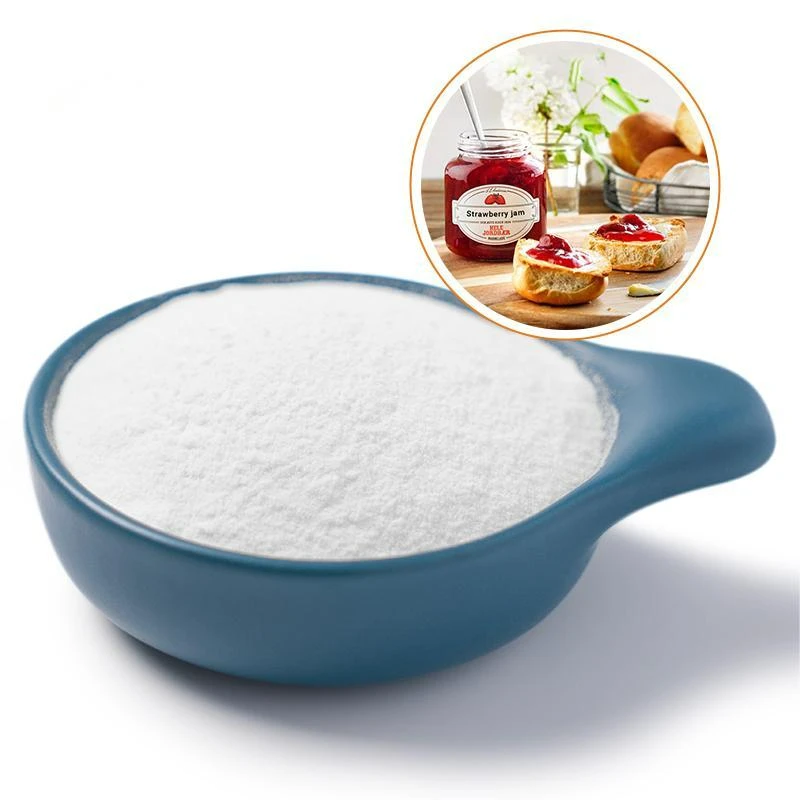
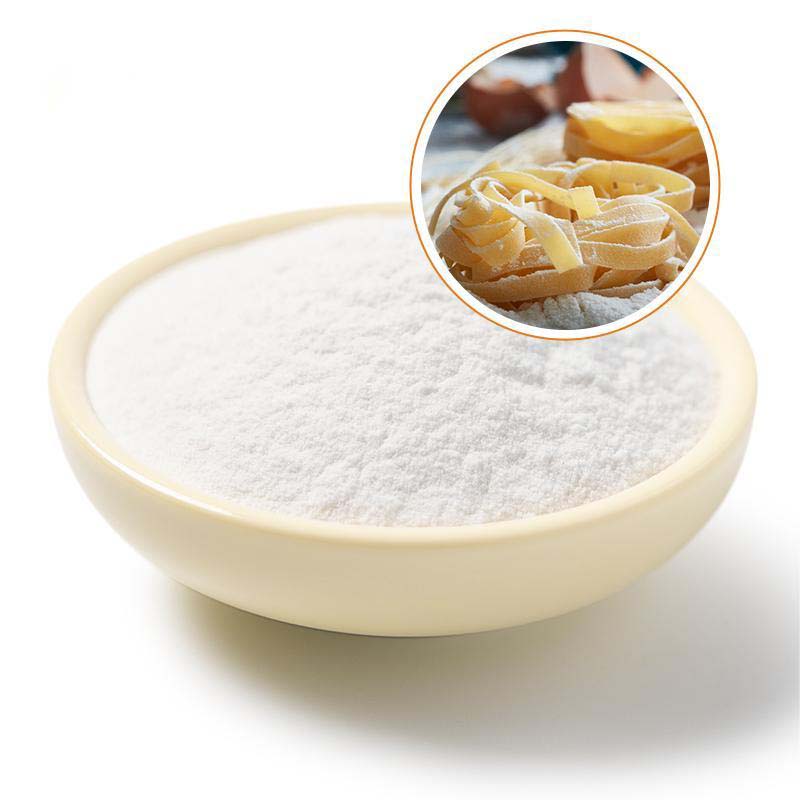
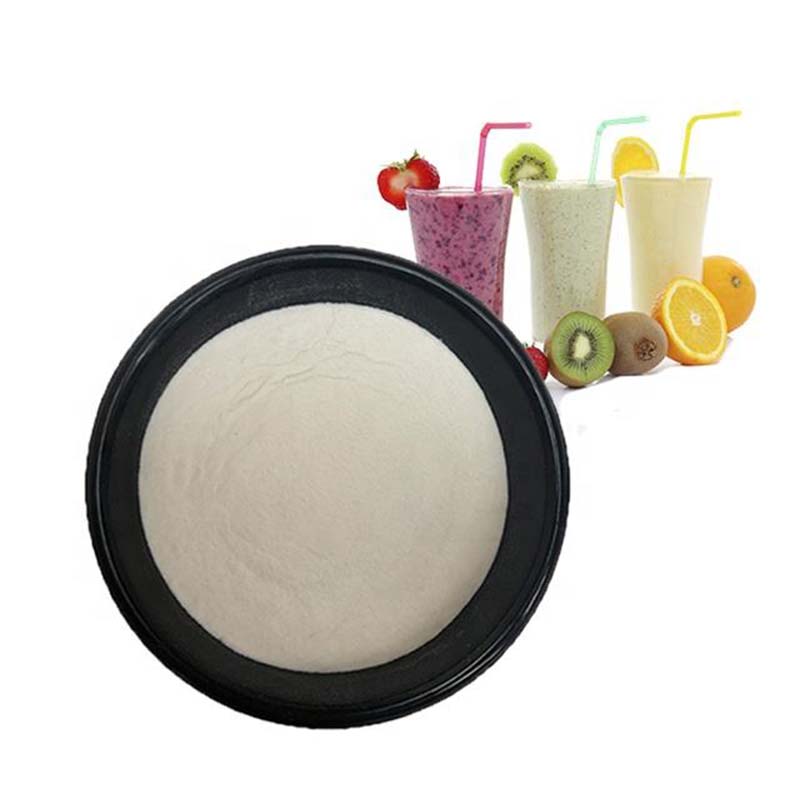
- Food & Beverage Industry: As a food additive (E466), CMC serves as a thickener, stabilizer, emulsifier, and dietary fiber source. It's found in ice creams (preventing ice crystal formation), sauces, dairy products, and baked goods. Food-grade CMC also contributes to texture and mouthfeel.
- Pharmaceuticals & Personal Care: In pharmaceuticals, CMC acts as a binder in tablets, a suspending agent in liquid medications, and a disintegrant. In personal care, it's a key ingredient in products like shampoos, lotions, and especially in toothpastes, where sodium carboxymethyl cellulose in toothpaste functions as a binder, preventing separation of components and ensuring a smooth, consistent paste. Similarly, sodium carboxymethyl cellulose gel is widely used in medical applications, from wound dressings to ophthalmic solutions.
- Textile Industry: Used as a sizing agent to improve the strength and weaving efficiency of yarns, and as a thickener in textile printing pastes.
- Paper Industry: Enhances paper strength, improves surface smoothness, and acts as a binder for coatings.
- Ceramics Industry: Functions as a binder and suspending agent for glazes and ceramic pastes.
- Construction: Used in cement-based products, tile adhesives, and plaster to improve workability, water retention, and adhesion.
The versatility of sodium methyl cellulose, a related cellulose ether, also highlights the broad spectrum of applications for these modified polysaccharides, though CMC generally offers superior performance in highly alkaline or saline environments due to its anionic nature.
Technical Advantages and Customization
Key Technical Advantages of Sodium Carboxymethyl Cellulose:
- Excellent Rheology Control: Provides superb viscosity modification, shear-thinning properties, and suspension capabilities, critical in drilling fluids and coatings.
- Superior Fluid Loss Control: Forms an effective filter cake, minimizing fluid invasion into permeable formations, thereby preventing formation damage and maintaining wellbore stability.
- High Purity and Stability: High-grade CMC resists degradation under varying pH and temperature conditions, ensuring consistent performance over time.
- Salt Tolerance: Anionic nature allows it to perform effectively in saline environments, a significant advantage in seawater-based drilling fluids.
- Environmentally Friendly: As a cellulose derivative, it is biodegradable and non-toxic, aligning with increasing environmental regulations and corporate sustainability goals.
- Versatility: Its broad range of grades and functionalities makes it adaptable to various industrial processes and product formulations.
Customized Solutions for Specific Needs:
Recognizing that standard products may not always meet specialized operational requirements, leading manufacturers offer customized solutions for sodium carboxymethyl cellulose. This involves tailoring key parameters such as:
- Specific Viscosity Profiles: Developing grades with precise viscosity ranges to optimize fluid rheology for unique drilling conditions (e.g., deep-sea, high-pressure wells) or specific food product textures.
- Optimized Degree of Substitution (DS): Adjusting DS for enhanced salt tolerance, thermal stability, or compatibility with other polymers in complex formulations.
- Tailored Purity Levels: Providing ultra-high purity grades for pharmaceutical or cosmetic applications, or more cost-effective industrial grades where purity is less critical.
- Particle Size Distribution: Fine-tuning particle size for rapid dissolution or improved dispersion characteristics in specific mixing equipment.
These customized offerings ensure that clients receive a product perfectly matched to their operational needs, enhancing efficiency and reducing overall costs. Collaboration with experienced technical teams allows for the development of bespoke cellulose sodium solutions, maximizing performance in challenging applications.
Vendor Comparison and Authoritativeness
Selecting the right supplier for sodium carboxymethyl cellulose is a critical decision impacting product quality, supply chain reliability, and cost-effectiveness. A robust vendor comparison involves assessing not just price, but also product consistency, technical support, and certifications.
Key Factors in Vendor Comparison:
- Certifications: Verify adherence to international quality management systems like ISO 9001, environmental management (ISO 14001), and occupational health and safety (ISO 45001). For specific applications, look for API 13A for oilfield chemicals, FDA GRAS (Generally Recognized As Safe) for food-grade CMC, or GMP (Good Manufacturing Practices) for pharmaceutical grades.
- Experience & Reputation: Partnering with manufacturers boasting decades of experience, a strong track record, and a clientele of reputable global companies signifies reliability and deep industry expertise.
- Technical Support & R&D: A vendor with robust R&D capabilities and responsive technical support can provide invaluable assistance in product selection, troubleshooting, and developing custom solutions.
- Production Capacity & Supply Chain: Assess the vendor's ability to consistently meet demand, especially for large-scale operations, and their resilience in managing supply chain disruptions.
- Quality Control & Testing: Inquire about their internal QC procedures, laboratory capabilities, and third-party testing affiliations to ensure product consistency and compliance with stated specifications.
Exemplary Product Comparison (Oilfield Grades):
| Feature/Grade | PezeTech CMC-HV (High Viscosity) | Competitor A CMC-LV (Low Viscosity) | Competitor B CMC-PV (Premium Viscosity) |
|---|---|---|---|
| Primary Application | Viscosity & Fluid Loss Control (HV Fluids) | Fluid Loss Control (LV Fluids) | Premium Rheology & Filtration Control |
| Viscosity (2% Sol, mPa·s) | 3000-5000 | 50-200 | 1500-2500 |
| Fluid Loss (mL/30min) | ≤ 10.0 | ≤ 15.0 | ≤ 8.0 |
| Purity (%) | ≥ 99.5 | ≥ 98.0 | ≥ 99.7 |
| Salt Tolerance | Excellent | Good | Excellent (High Temp/Salt) |
| Certifications | ISO 9001, API 13A | ISO 9001 | ISO 9001, API 13A, Kosher |
Authoritative suppliers like Peze Tech often undergo rigorous third-party auditing and proudly display their certifications, which serves as a testament to their commitment to quality and consistency, building trust with B2B partners. With extensive experience in the field, these providers are crucial partners for operational success.
Application Case Studies and Customer Experience
Real-world application case studies demonstrate the tangible benefits of high-quality sodium carboxymethyl cellulose, showcasing its impact on operational efficiency and cost savings.
Case Study 1: Enhanced Drilling Performance in Offshore Operations
A major offshore oil exploration company faced challenges with fluid loss and rheology stability in high-temperature, high-pressure (HTHP) deepwater wells. Traditional CMC grades struggled to maintain performance, leading to increased non-productive time and drilling costs. By implementing a customized, high-purity, high-DS sodium carboxymethyl cellulose, specifically engineered for HTHP conditions, the client observed significant improvements.
- Solution: Peze Tech's specially formulated CMC provided superior fluid loss control, reducing filtration rates by 30% under simulated wellbore conditions.
- Results: Maintained stable drilling fluid viscosity for extended periods (over 72 hours at 150°C), reduced mud material consumption by 15%, and minimized wellbore instability issues, leading to a 5% reduction in overall drilling project time and substantial cost savings.
- Customer Feedback: "The tailored CMC from Peze Tech was a game-changer for our deepwater project. Its performance under extreme conditions exceeded expectations, directly contributing to our operational efficiency and safety goals." - Lead Drilling Engineer, Global Energy Firm.
Case Study 2: Optimized Thickening in Industrial Coatings
An industrial coatings manufacturer sought to improve the anti-sag properties and storage stability of their high-solids paints without compromising application performance. Existing thickeners caused issues with flocculation and inconsistent rheology.
- Solution: A medium-viscosity cellulose sodium grade with optimized molecular weight distribution was recommended and integrated.
- Results: The new formulation achieved desired pseudoplastic rheology, reducing sag by 25% during application and improving shelf life by 6 months due to enhanced pigment suspension. The paint maintained excellent flow and leveling characteristics.
- Customer Feedback: "The consistency and thickening efficiency of the new CMC grade helped us deliver a superior coating product, which has been well-received by our clients. The technical support was instrumental in fine-tuning our formulation." - R&D Director, Industrial Coatings Co.
Trustworthiness: FAQ, Logistics, Warranty & Support
Frequently Asked Questions (FAQ) about Sodium Carboxymethyl Cellulose:
Q1: What is the typical shelf life of CMC?
A1: When stored in original, unopened packaging in a cool, dry place away from direct sunlight, sodium carboxymethyl cellulose typically has a shelf life of 24 months from the manufacturing date. Prolonged exposure to humidity or extreme temperatures can affect its performance.
Q2: Is CMC safe for food and pharmaceutical applications?
A2: Yes, high-purity grades of CMC (food-grade and pharmaceutical-grade) are generally recognized as safe (GRAS) by regulatory bodies like the FDA for use in food and pharmaceuticals, provided they meet specific purity and manufacturing standards. Always ensure the product comes with the relevant certifications.
Q3: How does CMC dissolve in water?
A3: CMC dissolves readily in hot or cold water to form a clear or translucent solution. For optimal dissolution and to avoid clumping, it is recommended to slowly add the CMC powder to water while stirring vigorously, or pre-disperse it with a non-solvent like alcohol or glycerol.
Lead Time & Fulfillment Details:
Our standard lead time for most grades of sodium carboxymethyl cellulose is typically 10-14 business days for domestic orders and 20-30 days for international shipments, depending on destination and volume. Expedited shipping options are available upon request. We maintain robust inventory levels and leverage a global logistics network to ensure timely and reliable delivery. For large volume or custom orders, lead times will be confirmed upon order placement.
Warranty Commitments:
Peze Tech warrants that our sodium carboxymethyl cellulose products meet the published specifications at the time of delivery. Should any product fail to meet these specifications within its stated shelf life, provided it has been stored and handled correctly, we will replace the product or offer a credit, subject to our standard terms and conditions. Full warranty details are available upon request.
Customer Support Information:
Our dedicated customer support team is available to assist with product inquiries, technical specifications, order status, and after-sales service. We offer comprehensive technical assistance from experienced chemists and engineers to ensure optimal product application and performance.
- Technical Support Hotline: +86-xxx-xxxx-xxxx
- Email: sales@pezetech.com
- Website: www.pezetech.com (for product datasheets and safety information)
References
- ASTM International. (2012). ASTM D1439 - 12(2018) Standard Test Methods for Sodium Carboxymethylcellulose.
- American Petroleum Institute (API). (2019). API Recommended Practice 13A: Specification for Drilling Fluid Materials.
- Food and Drug Administration (FDA). (2019). GRAS Notice No. GRN 000854 for Carboxymethylcellulose.
- International Organization for Standardization (ISO). (2015). ISO 9001:2015 Quality management systems — Requirements.
- Yadav, M., Pal, N., & Pandey, J. K. (2017). A review on Sodium Carboxymethyl Cellulose: Current updates. International Journal of Pharmaceutical Sciences Review and Research, 43(1), 154-162.
-
Top Guide to Selecting Professional vae emulsion manufacturersNewsApr.16,2026
-
Viscosity of HPMCNewsApr.15,2026
-
HPMC Powder UsesNewsApr.15,2026
-
Understanding VAE Emulsion for Modern Industrial CoatingsNewsApr.09,2026
-
Comprehensive Guide to Redispersible Emulsion Powder and its ApplicationsNewsApr.07,2026
-
Comprehensive Guide to Redispersible Latex Powder for Construction ApplicationsNewsApr.04,2026