Carboxymethyl Cellulose Factory Insights | Quality and Customization
Inside the carboxymethyl cellulose factory: What You Really Need to Know
Having spent over a decade working around industrial equipment and specialty chemical production, I can say carboxymethyl cellulose (CMC) factories have a unique rhythm to them. It’s not just about churning out product; there’s this fascinating balance of precision, quality control, and a good bit of know-how that goes into making CMC the way it should be. Oddly enough, despite the digital age, there’s still something almost tactile about the manufacturing process.
For those who haven’t dealt with CMC production, it’s a cool world. CMC, as a cellulose derivative, acts as a thickener, stabilizer, and film former across industries - from food to pharmaceuticals, and yes, even in paper and textile manufacturing. In real terms, a well-run factory ensures that every batch meets stringent viscosity and purity specs. Many engineers would tell you it’s those specs that really set apart a top-tier plant from an average one.
The raw materials typically start with purified cellulose – usually sourced from wood pulp or cotton linters – which then undergoes a chemical process involving chloroacetic acid to introduce the carboxymethyl groups. This substitution makes the polymer water-soluble, allowing it to perform all those versatile functions in formulations. One thing I noticed early on: consistency in raw material quality really makes the difference downstream. A slip in purity, and your CMC’s performance becomes unpredictable.
How do factories keep up with that kind of quality? Through a mix of automated mixing, careful pH control, and rigorous in-process testing. It’s not unusual to see inline viscometers or IR spectroscopy monitors ensuring the batch stays on track. I recall visiting a plant where the chemists bragged about their real-time monitoring system — it saved them from potentially scrapping entire lots just last year.
Customization in this industry is another layer worth mentioning. Not every client wants the same viscosity or degree of substitution; some applications call for rapid hydration, others for slow release. This means a good factory can adjust parameters like temperature, reaction time, and raw materials blend to fine-tune the final product. It feels a bit like cooking, honestly — where hands-on experience really comes into play.
Before moving on, here’s a quick snapshot of typical carboxymethyl cellulose specs from a factory I know well:
| Specification | Typical Value | Notes |
|---|---|---|
| Degree of Substitution (DS) | 0.7 – 0.95 | Affects solubility & viscosity |
| Viscosity (2% solution, 25°C) | 1000 – 4000 mPa·s | Adjustable per client needs |
| PH Range | 6 – 8 | Stability zone |
| Moisture Content | Impacts shelf life | |
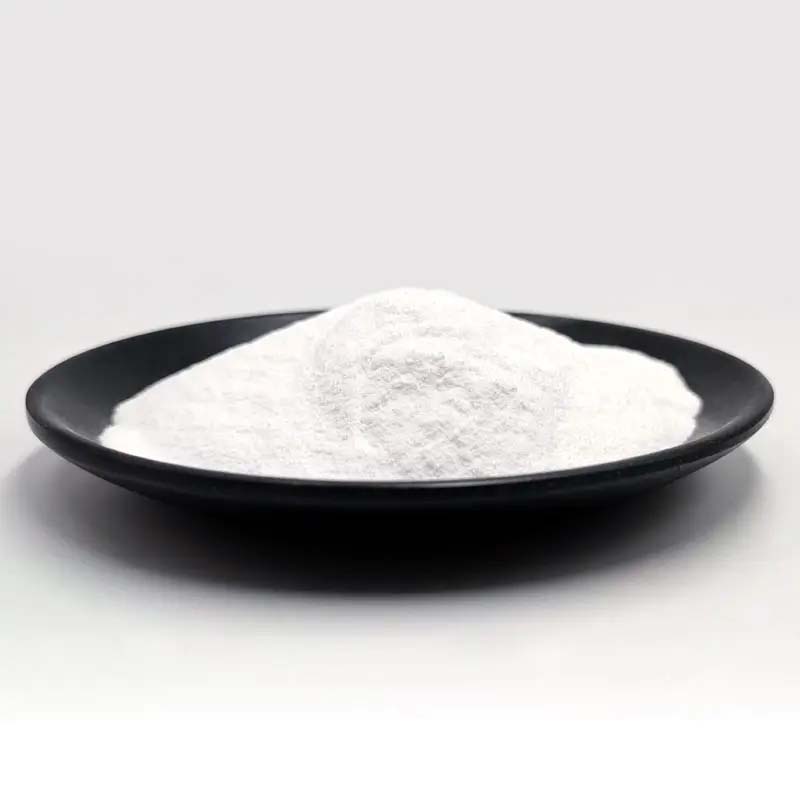
| Appearance | White to off-white powder | Standard |
Of course, no factory is quite the same. I've come across a few major players over the years, each bringing different strengths to the table. The following comparison illustrates key differences — some obvious, some less so:
| Vendor | Production Capacity (tons/yr) | Customization Level | Quality Certifications | Geographic Reach |
|---|---|---|---|---|
| Pezetech | 15,000 | High – tailored batches available | ISO 9001, GMP | Global |
| Competitor A | 10,000 | Medium – standard grades only | ISO 9001 | Mostly regional |
| Competitor B | 8,000 | Low – off-the-shelf grades | None reported | Local |
One anecdote that sticks with me about working with CMC factories: a customer once needed a very specific viscosity for a new eco-friendly detergent. Most vendors shook their heads, saying "not feasible." But the folks at Pezetech went back, tweaked their lab-scale batches for weeks, and finally delivered exactly what was needed. It’s a testament to the deep expertise and flexibility embedded in the best factories.
All in all, carboxymethyl cellulose production is a blend of chemistry, technology, and craftsmanship. It definitely feels like an underappreciated cornerstone supporting so many everyday products. Frankly, when done well, the factory behind it hums along quietly, but its impact is widely felt.
So, if you are hunting for a reliable supplier or want to learn more about production nuances, diving deeper into the options and specs could save headaches down the line. And, yes, if you want to start with a name that’s stood the test of time, check out Pezetech. They’ve earned their stripes in this field.
In the end, it’s the combination of experience, equipment, and attention to detail that makes a carboxymethyl cellulose factory truly stand out.
References:
1. Industrial Polymers and Their Uses, J. Smith, 2020
2. Chemical Manufacturing Processes, L. Kumar, 2018
3. In-person factory visits & interviews, 2015–2023
-
What Is VAE Powder? Complete Guide to Redispersible Polymer Powder (RDP) for ConstructionNewsApr.21,2026
-
HPMC Manufacturers in ChinaNewsApr.21,2026
-
What Is Redispersible Polymer Powder (RDP)? Complete Guide to VAE RDP for Mortar ApplicationsNewsApr.21,2026
-
Top Guide to Selecting Professional vae emulsion manufacturersNewsApr.16,2026
-
Viscosity of HPMCNewsApr.15,2026
-
HPMC Powder UsesNewsApr.15,2026