Carboxymethyl Cellulose in Cosmetics: Benefits, Uses & Innovations
Carboxymethyl Cellulose in Cosmetics: What You Need to Know
Carboxymethyl cellulose (CMC) in cosmetics may not be a household name, but practically, it’s one of those quietly brilliant ingredients that keep many of our favorite personal care products working well. At its core, it’s a versatile polymer derived from cellulose—the structural component in plants—transformed to become water-soluble and incredibly useful for the cosmetic industry. Why should you care? Well, globally, cosmetics manufacturing is a multi-billion-dollar industry with rising demand for performance, safety, and eco-friendliness. Understanding how ingredients like CMC boost product quality and sustainability helps you appreciate what goes into your daily skincare or haircare routine—and frankly, it’s quite fascinating.
The Global Context of Carboxymethyl Cellulose in Cosmetics
The cosmetic industry is expanding rapidly: by 2025, it’s expected to hit over $800 billion worldwide (Statista). Raw materials that enhance stability, texture, and environmental impact are game changers. According to ISO and UN reports on sustainable production, water conservation and biodegradability are increasingly scrutinized, pushing brands towards more functional but eco-conscious ingredients.
CMC fits right into this puzzle. Its ability to thicken, stabilize emulsions, and improve water retention in creams, lotions, and shampoos means manufacturers can reduce reliance on less sustainable synthetic polymers. However, challenges like sourcing quality cellulose sustainably and ensuring consistent product performance on a global scale keep the industry innovating. The push for “clean label” cosmetics also raises questions about ingredient transparency and safety, which CMC addresses well.
What Exactly is Carboxymethyl Cellulose in Cosmetics?
Simply put, carboxymethyl cellulose is a cellulose derivative with carboxymethyl groups attached, making it highly water soluble. This unique structure allows it to form viscous solutions or gels, which are incredibly useful in cosmetic formulations. Sometimes called “CMC,” this ingredient is a thickener, stabilizer, and film former that improves texture and consistency. It’s non-toxic, biodegradable, and generally hypoallergenic, ticking many boxes for modern cosmetic needs.
Interestingly, while CMC is industrially manufactured through a chemical process from wood pulp or cotton linters, its origins lie in renewable plant materials. This connection to natural sources aligns well with increasing consumer demand for ingredients that feel “natural” or “green,” even if the chemistry behind them is complex.
Key Factors that Make CMC a Cosmetic Staple
- Viscosity & Texture Enhancement: CMC can adjust the thickness of lotions, creams, and gels to achieve the right feel—neither too runny nor overly stiff.
- Water Retention & Moisturization: It helps ingredients hold onto water, which means moisturizing products stay effective longer.
- Stability in Emulsions: It prevents oil and water phases from separating, ensuring product quality throughout shelf life.
- Biodegradability & Safety: Unlike many synthetic polymers, CMC is biodegradable and has a very favorable safety profile, ideal for sensitive skin formulations.
- Cost-Effectiveness & Scalability: Produced at scale, CMC is affordable and readily available worldwide, helping brands meet growing cosmetic demands without overburdening supply chains.
In real terms, these factors mean that CMC allows cosmetic chemists to strike a fine balance: delivering products that look appealing, are pleasant to apply, and yet don’t irritate skin or harm the environment.
Global Applications & Real-World Use Cases
Across the globe, it’s easy to find carboxymethyl cellulose in everything from shampoos made in Europe, moisturizing lotions in Asia, to sunscreens in North America. For example:
- Post-disaster relief kits: Some humanitarian organizations use CMC-based gels for sunscreen or moisturizing creams that maintain efficacy in unpredictable storage conditions.
- Natural cosmetics brands: European and Japanese companies often incorporate CMC to replace synthetic thickeners, aligning with clean beauty trends.
- Industrial cosmetic facilities in emerging markets: Manufacturers rely on CMC’s cost-effectiveness and easy availability to scale mass-market products without compromising quality.
Oddly enough, CMC’s role isn’t always front and center in product marketing but its presence boosts usability and consumer trust.
Advantages & the Long-Term Value of Using CMC in Cosmetics
Choosing CMC creates a range of benefits:
- Cost savings: Affordable ingredient that supports mass-market and luxury brands alike.
- Sustainability: Derived from renewable resources, biodegradable, and compatible with green formulations.
- Skin safety: Hypoallergenic and generally free from irritation, attractive for sensitive skin products.
- Product consistency: Reliable, predictable performance enhances brand reputation and consumer trust.
- Emotional appeal: Offers consumers the confidence that their products are both effective and environmentally responsible.
In a world where brand loyalty depends on both product results and ethical considerations, CMC feels like a win-win ingredient.
Future Trends & Innovations Around CMC in Cosmetics
Looking ahead, innovation with carboxymethyl cellulose is promising:
- Green Chemistry Advances: New extraction & modification methods aim to reduce chemical use and carbon footprint.
- Hybrid Polymers: Combining CMC with other biopolymers to create superior textures and multifunctional products.
- Digital Formulation Tools: AI and simulation models help cosmetic chemists optimize CMC usage faster than before.
- Customization: Personalized skincare lines are experimenting with tailored CMC viscosities for individual skin types.
These trends follow wider sustainability goals championed in global manufacturing standards, including ISO’s cosmetic product standards.
Challenges & Solutions in Using Carboxymethyl Cellulose
No ingredient is perfect. Some challenges with CMC include:
- Batch variability: Sourcing differences can lead to inconsistent gel strength or viscosity.
- Compatibility issues: Sometimes CMC reacts poorly with certain oils or active ingredients, causing separation.
- Perception hurdles: Despite being plant-derived, some consumers may misunderstand it as a “chemical”.
Experts recommend sourcing high-grade, pharmaceutical-quality CMC and performing rigorous compatibility testing during product development. Communication efforts helping consumers understand what CMC is—and why it’s safe—also reduce misconceptions.
Product Specification Table for Carboxymethyl Cellulose in Cosmetics
| Specification | Typical Value | Notes |
|---|---|---|
| Degree of Substitution (DS) | 0.7 – 1.2 | Affects solubility & viscosity |
| Viscosity (2% in water) | 1000 – 4000 cP | Varies by molecular weight |
| pH Stability | 4 – 10 | Optimal for most cosmetics |
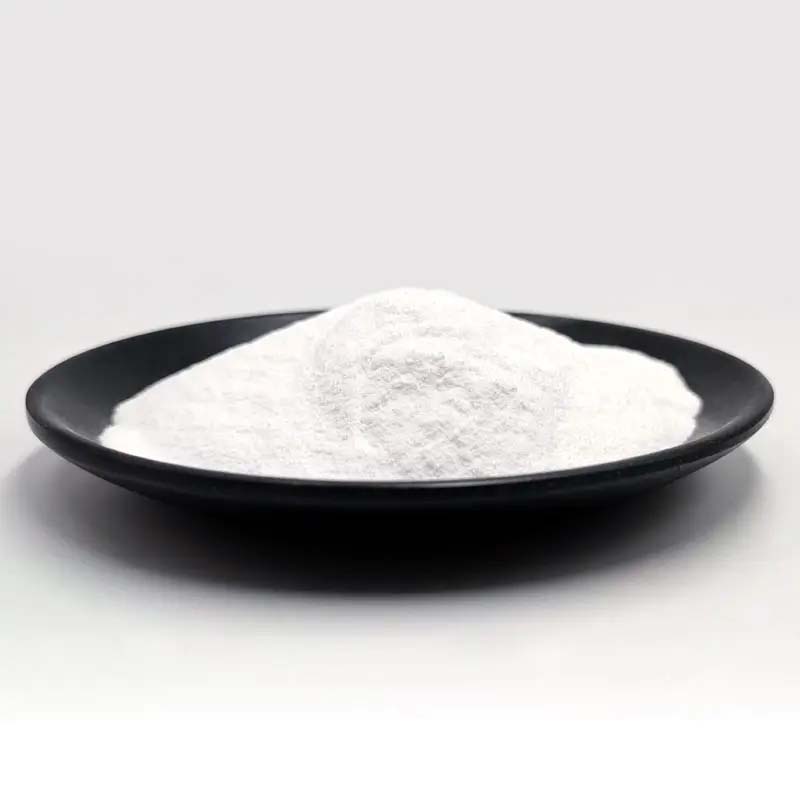
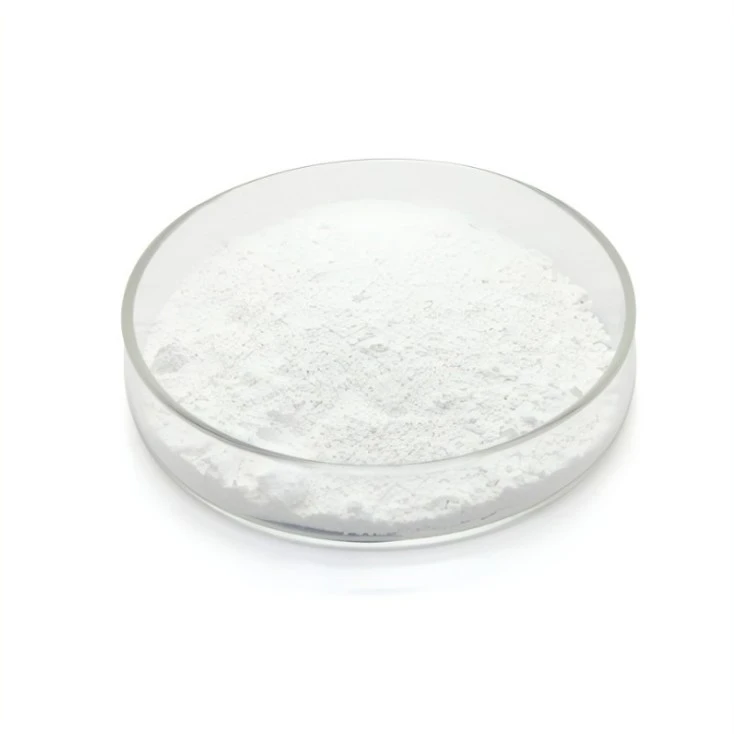
| Appearance | White to off-white powder | Ease of dispersion important |
| Solubility | Water soluble | Essential for gels/emulsions |
Comparison of Leading Vendors for Cosmetic-Grade CMC
| Vendor | Country | Grade Purity | Price Tier | Sustainability Focus |
|---|---|---|---|---|
| Ashland | USA | Pharmaceutical | Premium | High - Green Tech Programs |
| CP Kelco | Netherlands | Cosmetic Grade | Mid-range | Moderate - Biodegradability Focus |
| Daicel | Japan | Pharmaceutical | Premium | High - Sustainable Forestry Sourcing |
| Shin-Etsu | Japan | Cosmetic Grade | Mid-range | Moderate - Focus on Carbon Reduction |
Frequently Asked Questions about Carboxymethyl Cellulose in Cosmetics
- Q: Is carboxymethyl cellulose safe for sensitive skin?
- A: Yes, CMC is generally considered hypoallergenic and non-irritating, making it suitable for sensitive skin formulations. However, as with all ingredients, patch testing is recommended especially for allergy-prone individuals.
- Q: Can CMC replace synthetic thickeners in organic cosmetics?
- A: Often, yes. Because CMC is plant-derived and biodegradable, it’s a favored alternative to some synthetic thickeners in natural or organic product lines. Its performance in viscosity and stability is comparable, though formulation tweaks might be necessary.
- Q: How does CMC improve the shelf life of cosmetic products?
- A: CMC stabilizes emulsions by preventing phase separation of oils and water, protecting the formula’s structure over time. This improves the overall shelf life and preserves product texture and efficacy.
- Q: Are there environmental concerns with manufacturing CMC?
- A: Traditional production involves chemical processing that can impact the environment. However, industry innovations focus on green chemistry routes to reduce waste, energy use, and emissions, so newer methods are increasingly sustainable.
- Q: What are the best storage conditions for cosmetic products containing CMC?
- A: To maintain optimal performance, products with CMC should be stored away from extreme heat or cold and direct sunlight, in well-sealed packaging to prevent contamination and moisture loss.
Summary & Call to Action
Carboxymethyl cellulose in cosmetics represents a perfect blend of nature and science. From enhancing texture and moisture retention to supporting sustainability goals, it provides long-term value that’s hard to beat. As cosmetic trends shift towards cleaner, greener, and more effective formulations, CMC’s role will likely grow even further.
If you’re curious to dive deeper or explore quality sources and innovative applications, I highly recommend visiting https://www.pezetech.com, where you can find detailed insights and trusted products combining performance with responsibility.
Oddly enough, sometimes the smallest ingredients have the biggest impact—CMC is one of those unsung heroes in the beauty world.
Takeaway: Understanding the role of carboxymethyl cellulose highlights how subtle chemistry advances support sustainability and quality in cosmetics, quietly making our daily routines better.
-
What Is VAE Powder? Complete Guide to Redispersible Polymer Powder (RDP) for ConstructionNewsApr.21,2026
-
HPMC Manufacturers in ChinaNewsApr.21,2026
-
What Is Redispersible Polymer Powder (RDP)? Complete Guide to VAE RDP for Mortar ApplicationsNewsApr.21,2026
-
Top Guide to Selecting Professional vae emulsion manufacturersNewsApr.16,2026
-
Viscosity of HPMCNewsApr.15,2026
-
HPMC Powder UsesNewsApr.15,2026