Carboxymethylcellulose for Dry Mouth: Relief, Uses, and Innovations Explained
Understanding Carboxymethylcellulose for Dry Mouth: What It Is and Why It Matters
Carboxymethylcellulose (CMC) for dry mouth – if you’ve never heard of it, you’re not alone. Yet, this compound quietly plays a significant role worldwide for people suffering from xerostomia, or dry mouth. Globally, dry mouth affects millions, from older adults to patients undergoing chemotherapy or radiation. This seemingly small condition has big implications on quality of life, oral health, and even nutrition. Understanding how carboxymethylcellulose helps manage dry mouth reveals not just medical advances but also a subtle intersection of chemistry, healthcare, and human dignity.
Here’s why this is important: according to the World Health Organization, oral health is a key component of overall well-being, yet it’s often overlooked. Dry mouth can compromise teeth, increase infections, and make everyday activities like speaking or eating uncomfortable. Carboxymethylcellulose-based treatments offer relief by mimicking saliva’s lubricating properties — making life just a little easier for those affected.
Global Relevance: The Bigger Picture
Globally, dry mouth is more than a nuisance. In countries with aging populations like Japan and many in Europe, it’s becoming an increasingly common health challenge. UNESCO and the UN have highlighted oral health as part of universal health coverage priorities, especially in low-resource settings where dental care access is limited.
Despite these statistics, a challenge persists: many patients either don’t realize there are effective treatments or find them too expensive or inconvenient. The use of carboxymethylcellulose, often incorporated into gels, sprays, or lozenges, addresses this gap by offering an accessible, biodegradable, and non-toxic solution.
Defining Carboxymethylcellulose for Dry Mouth
At its core, carboxymethylcellulose is a cellulose derivative – a natural polymer obtained from plant fibers that’s been chemically modified to increase water retention. Think of it as cellulose’s super-hydrating cousin. In the context of dry mouth, it acts as a lubricant, coating the tissues within the mouth to restore moisture and reduce discomfort without introducing artificial chemicals or irritants.
This natural yet highly versatile compound fits neatly into modern medical and pharmaceutical use, blending sustainability with practical benefits for those with oral moisture issues. It’s also used in food, cosmetics, and industrial applications, but here, we focus on its oral health significance.
Key Factors That Make Carboxymethylcellulose Ideal for Dry Mouth
1. Hydrophilicity (Water Binding)
CMC’s molecular structure attracts and holds water, creating a gel-like layer in the mouth that soothes dryness. This property is essential for mimicking saliva’s function.
2. Biocompatibility
It’s non-toxic, hypoallergenic, and doesn’t interfere with normal oral flora, which is critical for safe daily use — no nasty side effects or irritation.
3. Stability and Shelf Life
Carboxymethylcellulose formulations maintain their viscosity and moisturizing effect over time, making them reliable for long-term management.
4. Cost Efficiency and Scalability
Sourced from cellulose, a massively abundant natural polymer, manufacturers can produce carboxymethylcellulose affordably and at scale — vital for both developed and emerging markets.
5. Ease of Formulation
It readily integrates into sprays, gels, and lozenges, offering flexibility for different user preferences.
Global Applications and Real-World Use Cases
Healthcare providers globally rely on carboxymethylcellulose-based products for symptomatic relief. For example:
- In oncology centers in the US and Europe, CMC gels help patients undergoing radiotherapy manage oral dryness and mucositis.
- Geriatric care homes in Japan use CMC lozenges to improve swallowing comfort and reduce infection risks in elderly residents.
- In developing regions, NGOs incorporate CMC sprays into basic oral care kits distributed to survivors of disasters where access to clean water is limited.
Oddly enough, beyond human health, researchers are even exploring CMC’s role in veterinary medicine for pets with oral dryness, expanding its practical applications.
Advantages and Long-Term Value
When I chatted with clinicians, many noted that patients often describe the sensation of relief as both physical and emotional. Having dry mouth is irritating—hard to talk or smile comfortably—so restoring that moisture grants dignity and eases anxiety. From a rational perspective, CMC’s advantages are compelling:
- Safety: With no harsh chemicals, it’s well tolerated by all age groups.
- Sustainability: Being plant-based and biodegradable fits within global pushes toward greener healthcare.
- Cost-effectiveness: Compared to synthetic saliva substitutes or complex devices, CMC-based options remain affordable.
- Accessibility: Offered in formats that suit individual needs, whether sprays for quick relief or gels for longer action.
Carboxymethylcellulose for Dry Mouth: Product Specification Table
| Specification | Details |
|---|---|
| Chemical Name | Sodium Carboxymethylcellulose |
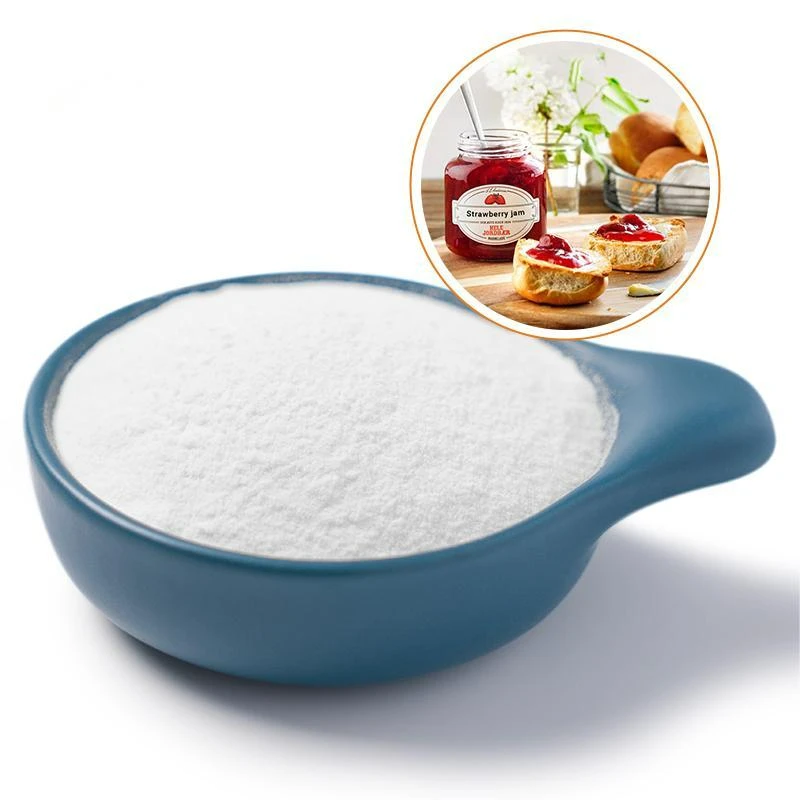
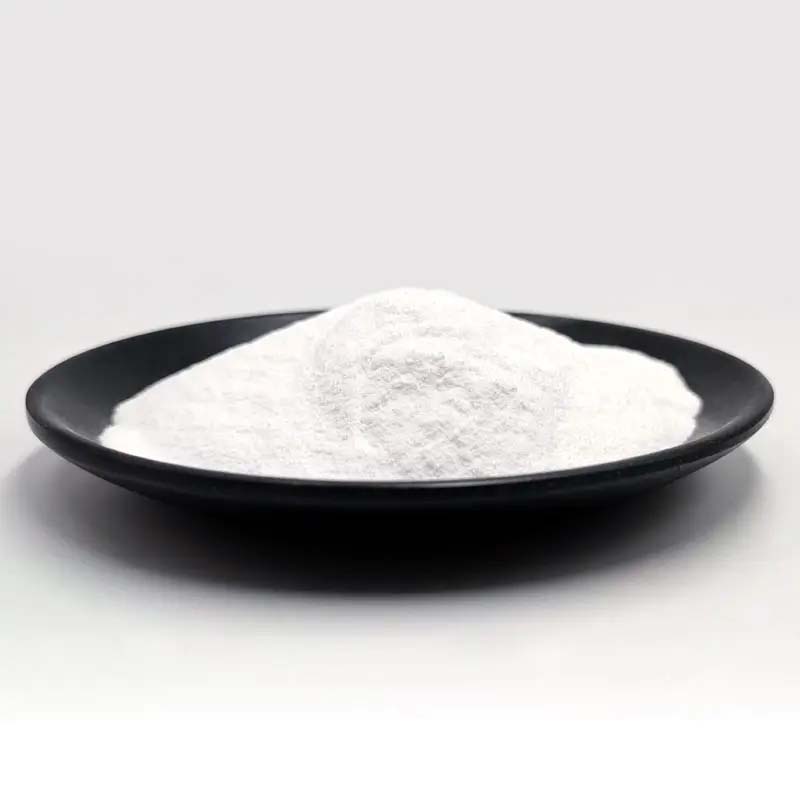
| Appearance | White to off-white powder |
| Solubility | Water-soluble |
| Viscosity Range | 100–1500 mPa·s (depending on grade) |
| pH Range | 6 – 8 (in aqueous solution) |
| Storage | Cool, dry place |
Vendor Comparison: Leading Carboxymethylcellulose Suppliers
| Vendor | Purity (%) | Grade Availability | Price Range (USD/kg) | Global Shipping |
|---|---|---|---|---|
| Supplier A | 99.5 | Pharma, Food, Industrial | 8–12 | Yes |
| Supplier B | 98.8 | Pharma, Cosmetic | 10–15 | Limited |
| Supplier C | 99.7 | Food, Industrial | 7–11 | Yes |
Emerging Trends and Innovations
Looking ahead, carboxymethylcellulose for dry mouth isn’t standing still. The intersection of biotechnology and digital health is paving exciting pathways:
- Smart delivery systems: Imagine oral sprays that adjust moisture levels responsively — a bit futuristic but already in R&D stages.
- Green chemistry: Efforts to source cellulose from agricultural waste and enhance biodegradability align with circular economy principles.
- Personalized therapies: Combining CMC-based hydrating agents with bioactive molecules to promote oral tissue regeneration.
Challenges and Practical Solutions
It’s not all perfect. Some users report that CMC products can feel a bit sticky or coat the mouth unevenly. Also, variable patient responses require multiple formulations — no one-size-fits-all.
Expert formulators suggest combining CMC with other natural polymers like xanthan gum to optimize feel and reduce tackiness. Educating patients on usage patterns enhances effectiveness. Plus, ongoing research is improving molecular weight and substitution levels in CMC grades for better performance.
FAQ: Frequently Asked Questions About Carboxymethylcellulose for Dry Mouth
- What makes carboxymethylcellulose effective for dry mouth relief?
- CMC effectively binds water, creating moisture-retaining gels that soothe dry oral tissues. Its biocompatibility means it’s safe for frequent use without irritating sensitive mucosa.
- Are there any side effects associated with carboxymethylcellulose products?
- Generally, CMC is well tolerated, but some people may notice mild mouth coating or slight stickiness. It’s important to follow product instructions and consult a healthcare provider if discomfort persists.
- Can carboxymethylcellulose-based treatments replace natural saliva?
- While CMC doesn’t replicate saliva’s enzymatic or antimicrobial functions, it effectively supplements moisture and tactility, which alleviates dry mouth symptoms.
- How should I choose between sprays, gels, or lozenges containing carboxymethylcellulose?
- Personal preference and symptom severity guide choice. Sprays offer quick relief and convenience, gels provide longer-lasting moisture, and lozenges can stimulate saliva along with hydration.
- Where can I learn more or purchase quality carboxymethylcellulose products?
- For reliable information and products, carboxymethylcellulose for dry mouth suppliers and health providers offer trusted options tailored to individual needs.
Conclusion: Why Carboxymethylcellulose Matters Long-Term
Carboxymethylcellulose for dry mouth may seem like a niche topic, but its impact spans science, health, and everyday living globally. It’s a testament to how smart chemistry rooted in nature can restore comfort and dignity to millions. While challenges remain, ongoing innovations promise even better, greener, more personalized relief. If you or loved ones suffer from dry mouth, exploring CMC-based options could be a simple step toward better oral health.
Ready to learn more or find tailored solutions? Visit us at https://www.pezetech.com for trusted resources and products.
Takeaway: Simple yet effective, carboxymethylcellulose is quietly revolutionizing dry mouth treatment with sustainable, safe, and scalable solutions – a real win for global oral health.
References
-
What Is VAE Powder? Complete Guide to Redispersible Polymer Powder (RDP) for ConstructionNewsApr.21,2026
-
HPMC Manufacturers in ChinaNewsApr.21,2026
-
What Is Redispersible Polymer Powder (RDP)? Complete Guide to VAE RDP for Mortar ApplicationsNewsApr.21,2026
-
Top Guide to Selecting Professional vae emulsion manufacturersNewsApr.16,2026
-
Viscosity of HPMCNewsApr.15,2026
-
HPMC Powder UsesNewsApr.15,2026