Complete Guide to Methyl Cellulose and Carboxymethyl Cellulose: Uses, Benefits & Trends
Understanding Methyl Cellulose and Carboxymethyl Cellulose: What, Why, and Where
If you've ever glanced at the ingredient list on a product, say from the cosmetics aisle or a bag of bread, you might've seen terms like methyl cellulose or carboxymethyl cellulose. Sounds technical, right? But these two compounds are way more important—and fascinating—than you might guess. They not only play vital roles in everyday products but also have global significance, from manufacturing to humanitarian aid.
Grasping the ins and outs of methyl cellulose and carboxymethyl cellulose offers practical benefits. They help improve product quality, aid sustainability efforts, and support developing economies by powering industries efficiently. Frankly, understanding these substances unlocks a door to innovations in food technology, pharmaceuticals, construction, and even disaster relief.
Global Context: Why These Polymers Matter Worldwide
Around the world, industries are increasingly looking for sustainable and versatile materials. According to ISO 9001 data, demand for bio-based thickeners and stabilizers like methyl cellulose (MC) and carboxymethyl cellulose (CMC) is growing steadily—over 5% annual growth in production capacity globally. The United Nations highlights that these compounds help reduce reliance on synthetic chemicals that pollute water and soil.
These compounds tackle real challenges—like improving food shelf life in tropical regions or developing non-toxic, biodegradable building materials to replace plastics. In healthcare, they assist in creating safer drug delivery systems. Oddly enough, their applications bridge technology and humanitarian needs, which is pretty cool.
Defining Methyl Cellulose and Carboxymethyl Cellulose: The Basics
At their core, both methyl cellulose and carboxymethyl cellulose are derived from cellulose—the main structural component in plant cell walls. Think of cellulose like the wood framework of a house. When chemically modified, it becomes more flexible and usable for different industries.
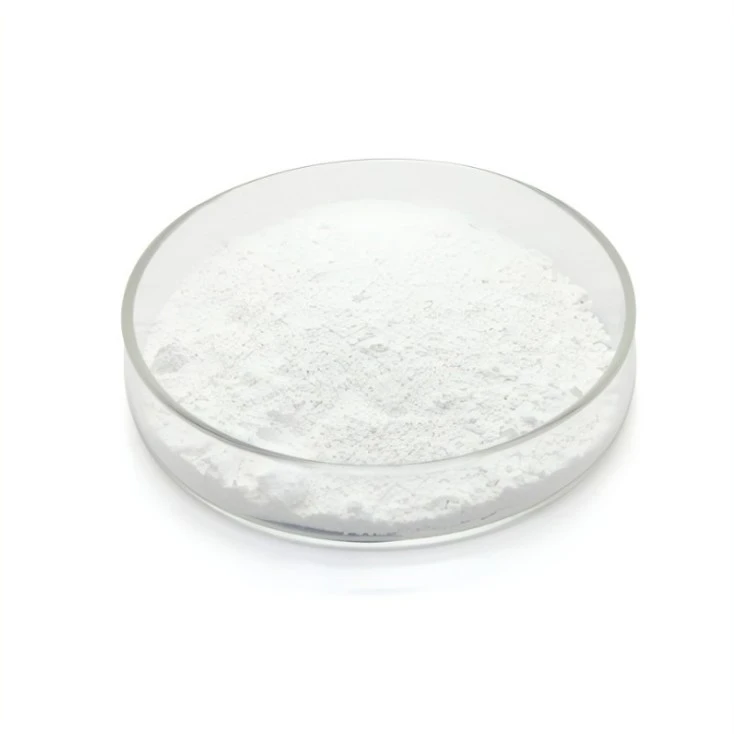
Methyl cellulose is cellulose treated with methyl groups, making it soluble in cold water and useful as a thickener or emulsifier. Carboxymethyl cellulose, known as CMC, has carboxymethyl groups attached, resulting in a water-soluble, more viscous powder often used to stabilize, thicken, or bind products.
These tweaks might seem small but are game-changers in how industries formulate everything from paper coatings to gluten-free bread. Their link to modern industry and humanitarian efforts lies in versatility—helping products become more efficient, safer, or last longer.
Core Aspects of Methyl Cellulose and Carboxymethyl Cellulose
1. Durability
Both compounds improve the lifespan of products. For example, methyl cellulose in paint can reduce cracking. CMC boosts the moisture retention in food items like baked goods, making them fresher longer.
2. Cost Efficiency
These polymers are relatively affordable compared to synthetic alternatives and require small doses to be effective. That means manufacturers can maintain quality while controlling expenses.
3. Environmental Compatibility
Being plant-based, they break down easier than most petrochemical derivatives, reducing landfill burdens and water pollution. Many consider them “green” alternatives.
4. Scalability
Industrial production methods have matured, allowing production in large volumes with consistent properties. So whether you're making tons of industrial glue or small batches of personal care products, dosage control is reliable.
5. Safety & Regulatory Approval
Both MC and CMC have long-standing approval for food and pharmaceutical use by agencies like the FDA and EFSA, which is reassuring if you're in product formulation.
Mini takeaway:
They are durable, cost-effective, environmentally friendly, scalable, and safe — a solid foundation for any industrial or consumer application.
Common Methyl Cellulose and Carboxymethyl Cellulose Product Specifications
| Property | Methyl Cellulose (MC) | Carboxymethyl Cellulose (CMC) |
|---|---|---|
| Solubility | Soluble in cold water | Soluble in cold and hot water |
| Viscosity Range | 5–200,000 mPa·s | 50–3500 mPa·s |
| pH Stability | 5–11 | 4–10 |
| Applications | Food, construction, pharmaceuticals | Food, cosmetics, paper coatings |
| Origin | Wood pulp or cotton linters | Wood pulp or cotton linters |
Global Applications & Use Cases
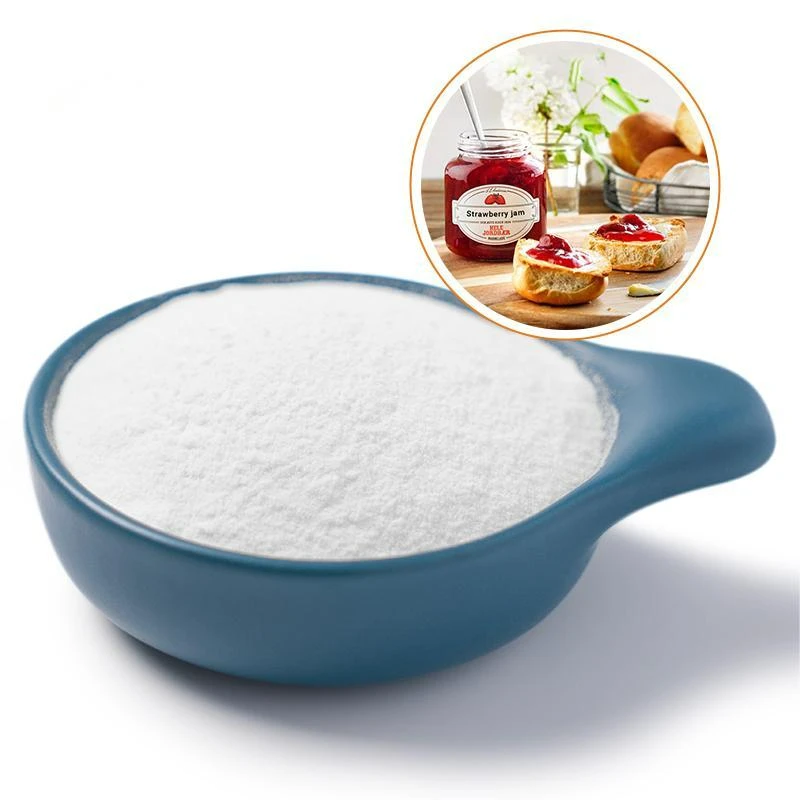
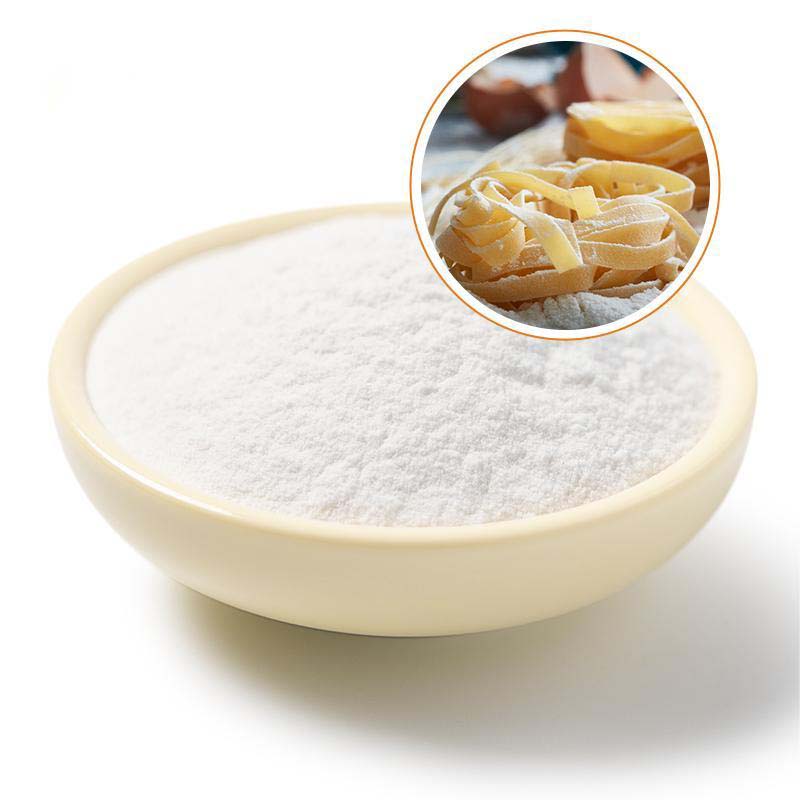
Methyl cellulose and carboxymethyl cellulose appear everywhere. They’re key ingredients in gluten-free baking, where their ability to form gels replaces gluten’s structural role—offering better texture to bread that otherwise crumbles. Food companies in Europe and North America use them extensively.
In construction, MC improves mortar workability and water retention, critical in arid regions such as the Middle East and North Africa, where it maintains hydration before cement sets. NGO water purification initiatives have incorporated CMC-based flocculants in developing regions, easing clean water access.
In India and Southeast Asia, these polymers enhance cosmetic products by stabilizing emulsions, frequently replacing synthetic polymers that may irritate sensitive skin.
And just for fun, some space researchers have even experimented with MC as a binder in lightweight composites! Truly versatile.
Mini takeaway:
From bread to building, skincare to clean water, these cellulose derivatives span industries and regions, empowering innovation and sustainability.
Vendor Comparison: Methyl Cellulose and Carboxymethyl Cellulose Suppliers
| Vendor | Product Range | Global Reach | Sustainability Initiatives | Typical Clients |
|---|---|---|---|---|
| CelluCorp Ltd. | Wide (MC, CMC & blends) | Europe, Asia, Americas | Recycled raw materials program | Food, pharma, cosmetics |
| GreenCell Solutions | CMC focus, organic-certified | North America, Europe | Zero-waste manufacturing | Natural products, food tech |
| PuraPolymers Inc. | Custom MC & CMC grades | Asia Pacific, South America | Low-energy production lines | Industrial, construction |
Advantages and Long-Term Value
Both methyl cellulose and its cousin, carboxymethyl cellulose, offer surprisingly broad tangible benefits. Cost-wise, their affordability and effectiveness mean manufacturers save money without sacrificing quality. Environmentally, they reduce reliance on fossil-based additives and degrade naturally.
Socially, products containing these polymers can improve consumer safety, such as enhancing moisture content in pharmaceuticals or ensuring texture consistency in gluten-free foods—comforting for those with dietary restrictions. The innovation they foster builds trust between suppliers and end-users alike.
Emerging Trends & Future Outlook
Sustainability drives future innovation. Researchers are working on combining MC and CMC with nanocellulose to develop stronger, biodegradable bioplastics—potentially replacing conventional plastics in packaging. Digital transformation also means producers can fine-tune polymer properties with better analytics and automation.
Meanwhile, the rise in plant-based diets fuels demand in the food tech space. CMC’s emulsifying powers help plant-based creams and meat alternatives reach convincing textures—a tiny detail shaping future food landscapes.
Challenges & Solutions
Of course, no material is perfect. Methyl cellulose's gelation at high temperatures can be limiting in heat-sensitive processes, and CMC sometimes shows variability in viscosity between batches. However, advances in quality control and blending techniques are mitigating these issues.
More sustainable feedstocks—like agricultural waste for cellulose extraction—are being explored, aiming to cut costs and environmental impact simultaneously. Continuous R&D investments keep pushing boundaries.
FAQ: Your Questions About Methyl Cellulose and Carboxymethyl Cellulose
Q: Can methyl cellulose and carboxymethyl cellulose be used interchangeably in food products?
Not exactly. While both act as thickeners or stabilizers, methyl cellulose gels upon heating, which is great for some baked goods. Carboxymethyl cellulose remains soluble and is better for cold applications, like ice creams or beverages. Selecting depends on the product's temperature and texture requirements.
Q: Are these compounds safe for children and sensitive consumers?
Yes. Regulatory bodies like the FDA approve both as safe food additives. They are non-toxic, non-allergenic, and have been widely consumed globally for decades. However, as with all additives, quantities must stay within recommended limits.
Q: How can businesses source these cellulose derivatives sustainably?
Look for suppliers with clear sustainability certifications, such as organic or zero-waste manufacturing processes. Some vendors also offer cellulose extracted from recycled paper or agricultural byproducts, which lowers environmental footprints.
Q: Do methyl cellulose and carboxymethyl cellulose support gluten-free product development?
Absolutely. They mimic gluten's structural role, improving dough elasticity and moisture retention. This helps create better texture and shelf life for gluten-free breads and bakery items, a boon for the growing gluten-free market.
Q: What industries are rapidly adopting these polymers today?
Food and beverage remain biggest consumers, but construction, pharmaceuticals, and cosmetics are growing fast. Additionally, environmental tech and materials science fields are exploring their eco-friendly potential actively.
Wrapping Up
Methyl cellulose and carboxymethyl cellulose might sound like a mouthful, but they carry immense practical and societal value. From extending food freshness and improving building materials to enabling safer medicine and greener products, their impact is unexpectedly broad.
To learn more or explore specific applications, feel free to visit our detailed resource on methyl cellulose and carboxymethyl cellulose. Understanding these polymers can genuinely empower smarter choices across industries worldwide.
Reflection
Oddly enough, it struck me how such seemingly simple chemical modifications can ripple out into global health, economic development, and sustainability challenges. It’s a reminder that innovation is often about refining the basics—a lesson worth remembering.
References:
-
Top Guide to Selecting Professional vae emulsion manufacturersNewsApr.16,2026
-
Viscosity of HPMCNewsApr.15,2026
-
HPMC Powder UsesNewsApr.15,2026
-
Understanding VAE Emulsion for Modern Industrial CoatingsNewsApr.09,2026
-
Comprehensive Guide to Redispersible Emulsion Powder and its ApplicationsNewsApr.07,2026
-
Comprehensive Guide to Redispersible Latex Powder for Construction ApplicationsNewsApr.04,2026