Natri Carboxymethyl Cellulose: Industrial Applications and Global Benefits Explained
Understanding Natri Carboxymethyl Cellulose: A Global Perspective
Natri carboxymethyl cellulose (CMC) might not be a household name, but it plays an indispensable role in various industries worldwide. From food to pharmaceuticals, to textile manufacturing, this versatile substance is quietly shaping many products we encounter daily. Understanding it isn’t just for chemists; it matters globally because it contributes directly to sustainable manufacturing, enhanced product quality, and even humanitarian efforts in disaster zones. If you’ve ever wondered how thickened sauces, paper, or even some medications maintain their consistency and effectiveness, CMC is very likely involved.
Global Context: Why Natri Carboxymethyl Cellulose Matters
The global market for carboxymethyl cellulose, driven by natri (or sodium) variants, has been expanding steadily. According to ISO standards and recent market analyses, its worldwide demand is expected to grow by over 6% annually, touching billions of dollars by the late 2020s. This surge is fueled partly by increasing demand for sustainable food additives, water treatment agents, and eco-friendly industrial materials.
However, the widespread use of CMC addresses critical challenges: how to create more stable, non-toxic, or biodegradable additives that meet rigorous international safety standards. In many developing countries, incorporating natri carboxymethyl cellulose into products aids in improving shelf life while reducing waste, directly impacting food security and economic efficiency.
Mini takeaway: Natri carboxymethyl cellulose sits at the crossroads of industrial innovation and sustainability, making it a key player in tomorrow’s eco-conscious global economy.
What Exactly is Natri Carboxymethyl Cellulose?
Simply put, natri carboxymethyl cellulose is a modified cellulose - basically cellulose, a natural polymer from plant fibers, chemically treated to attach carboxymethyl groups. This change makes it soluble in water and highly versatile. It acts as a thickening agent, stabilizer, and emulsifier in countless products.
The “natri” prefix signifies the sodium salt form, making it water-soluble and ideal for aqueous environments. This variant is most commonly used because of its compatibility, safety profile, and binding properties.
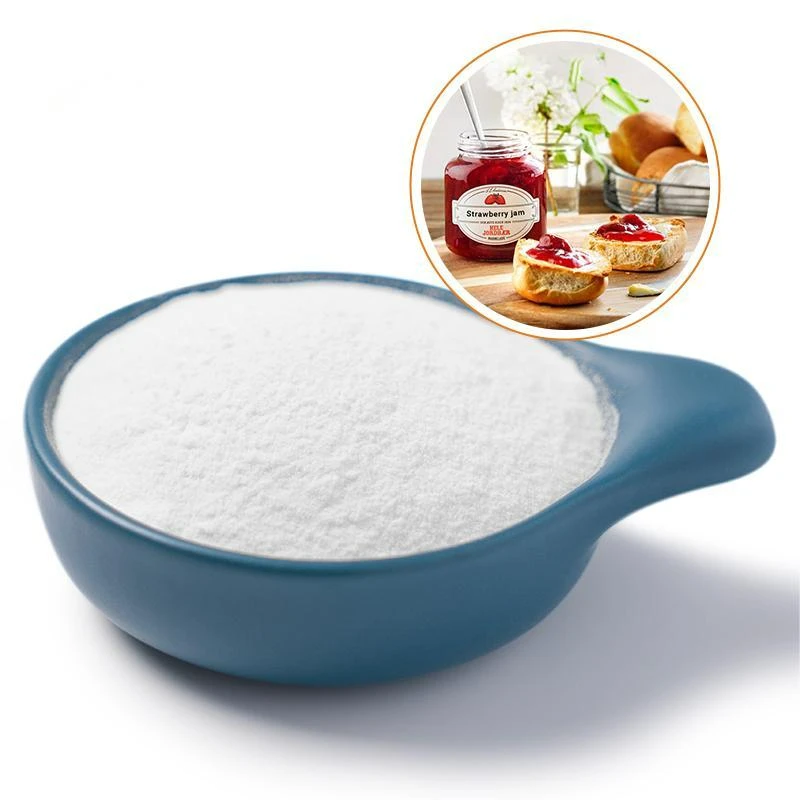
In modern industries, natri carboxymethyl cellulose helps create texture and improve stability without synthetic chemicals that might be harmful or less biodegradable. That makes it pertinent in both food technology and humanitarian fields—think fortified food products or medical gels employed during crisis relief.
Mini takeaway: Natri carboxymethyl cellulose is essentially natural cellulose upgraded for modern needs — a bridge between nature and technology.
Core Components and Key Features
1. Water Retention & Viscosity
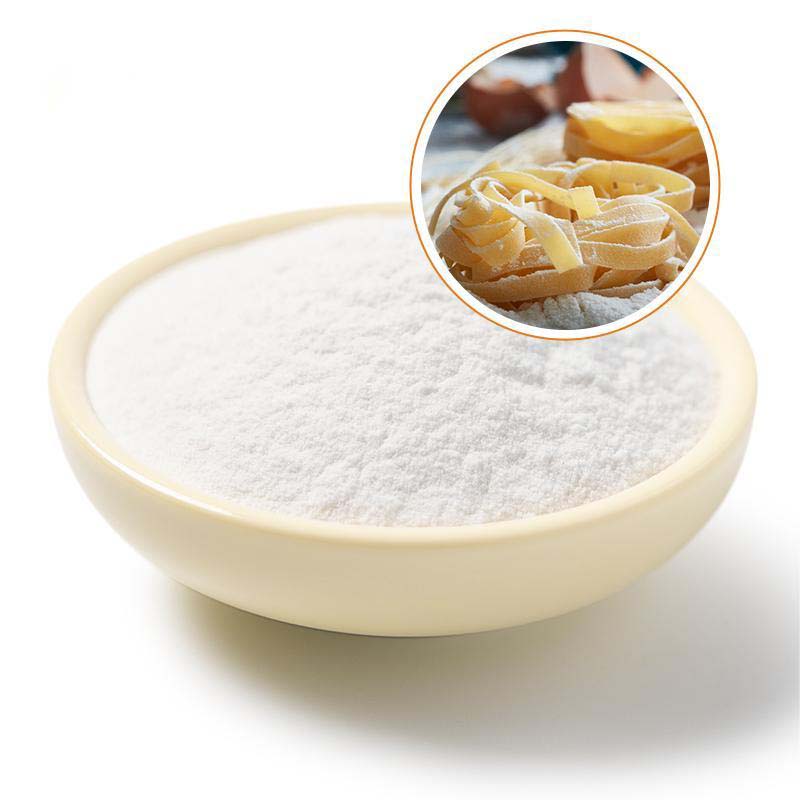
Natri carboxymethyl cellulose excels at holding water and controlling viscosity in solutions, making it essential in products requiring consistent texture—such as sauces, lotions, or pharmaceuticals.
2. Biocompatibility & Non-toxicity
Because it’s derived from cellulose and is non-toxic, CMC is safe for food, medical, and cosmetic uses, meeting stringent safety criteria (FDA-approved in many forms).
3. Stability Across pH Ranges
This chemical is stable across a broad pH range, meaning it functions well in acidic or alkaline conditions, important for diverse industrial settings.
4. Film-forming Ability
In uses like paper coating or textile finishing, its capacity to form thin films enhances product durability and water resistance.
5. Cost-Effectiveness & Scalability
Derived from abundant cellulose sources (wood pulp, cotton), natri carboxymethyl cellulose is relatively inexpensive and scalable for industrial production.
| Parameter | Typical Range | Importance |
|---|---|---|
| Degree of Substitution | 0.6 - 0.95 | Controls solubility & viscosity |
| Viscosity (2% solution at 25°C) | 50 - 4000 mPa·s | Texture consistency |
| Moisture Content | Shelf stability | |
| pH Range | 4 - 11 | Operational versatility |
Global Applications: Who Uses Natri Carboxymethyl Cellulose and How?
Oddly enough, natri carboxymethyl cellulose stretches far beyond just industrial factories. In Asia and Europe, it’s heavily utilized in the food industry, stabilizing dairy products and gluten-free baked goods. Meanwhile, in North America, pharmaceutical companies depend on it for tablet coatings and suspensions.
It’s also pivotal in humanitarian contexts. For instance, in post-disaster relief operations, CMC-based hydrogels help create wound dressings with excellent moisture retention—critical for preventing infections in poor sanitary conditions. NGOs often include such materials in emergency kits distributed in remote areas.
Furthermore, the paper and textile industries rely on CMC in countries like Brazil and India to improve fiber strength and product finishing without resorting to harsher chemicals.
| Supplier | Origin | Price Range (USD/kg) | Grade Types | Certifications |
|---|---|---|---|---|
| Pezetech Chemicals | Germany | 2.50 - 4.00 | Food, Pharma, Industrial | ISO, FDA |
| CelluCorp | India | 1.80 - 3.50 | Industrial, Construction | ISO |
| Sodium Solutions Ltd. | USA | 3.00 - 5.00 | Pharma, Food | FDA, GMP |
Advantages and Long-Term Value of Natri Carboxymethyl Cellulose
The benefits of using natri carboxymethyl cellulose are as tangible as they are varied. For one, the cost efficiency—deriving from cellulose, an abundant resource—means manufacturers can offer affordable yet high-quality products. Moreover, its biodegradability and non-toxic nature align perfectly with sustainability goals, which frankly, are non-negotiable in modern business ethics.
On a human level, products enhanced by natri carboxymethyl cellulose often carry the implicit promise of safety and reliability, whether that’s in extending the freshness of food or ensuring pharmaceutical efficacy. Innovations leveraging this compound help maintain dignity in humanitarian aid by improving the quality and shelf life of supplies sent to vulnerable communities.
Mini takeaway: Natri carboxymethyl cellulose is one of those “quiet heroes” that boosts economy, environment, and human welfare simultaneously.
Future Trends and Innovations
Looking ahead, I see natri carboxymethyl cellulose intersecting increasingly with green chemistry and digital manufacturing techniques. Researchers examine ways to combine CMC with nanomaterials for enhanced properties or integrate it into biofilms that purify water or deliver medications with precision.
Also emerging are more stringent global standards pushing CMC producers to improve traceability, purity, and eco-friendly sourcing. Some companies are adopting blockchain tech to verify raw material origins—a fascinating blend of tradition and innovation.
Challenges in the Industry and Solutions
Of course, no solution is perfect. One challenge is the variability of raw cellulose sources that can affect batch consistency. Also, environmental concerns around large-scale pulp processing need constant management to avoid deforestation.
Industry experts advocate for sustainable forestry practices and recycling strategies in cellulose extraction. Moreover, advances in synthetic biology may soon enable lab-grown cellulose tailored specifically for CMC manufacture, although that’s still a bit down the road.
FAQ: Common Questions about Natri Carboxymethyl Cellulose
- What industries use natri carboxymethyl cellulose the most?
It's widely used in food processing, pharmaceuticals, paper, textiles, and personal care products. - Is natri carboxymethyl cellulose safe for children and people with allergies?
Generally, yes—it’s non-toxic and hypoallergenic, but always check for specific product formulations. - How does CMC improve food shelf life?
By stabilizing moisture and texture, it slows spoilage and keeps products appealing longer. - Can natri carboxymethyl cellulose be used in environmentally sensitive areas?
Given its biodegradability, it's preferred over synthetic alternatives in ecologically fragile zones. - How do manufacturers ensure the quality of CMC?
Through rigorous testing of viscosity, purity, pH stability, and adherence to ISO or FDA standards.
Conclusion
To sum it all up, natri carboxymethyl cellulose is a quietly transformative product with far-reaching industrial and humanitarian benefits. Its unique blend of natural origin, adaptability, and safety offers unmistakable long-term value. If you want to explore more about this versatile compound, or perhaps source high-grade natri carboxymethyl cellulose for your applications, visit our website: https://www.pezetech.com.
Sometimes the smallest substances create the biggest impacts. Natri carboxymethyl cellulose is exactly that kind of quiet game-changer.
-
Top Guide to Selecting Professional vae emulsion manufacturersNewsApr.16,2026
-
Viscosity of HPMCNewsApr.15,2026
-
HPMC Powder UsesNewsApr.15,2026
-
Understanding VAE Emulsion for Modern Industrial CoatingsNewsApr.09,2026
-
Comprehensive Guide to Redispersible Emulsion Powder and its ApplicationsNewsApr.07,2026
-
Comprehensive Guide to Redispersible Latex Powder for Construction ApplicationsNewsApr.04,2026