Comprehensive Guide to Carboxymethyl Cellulose Powder: Uses, Benefits, and Trends
Understanding Carboxymethyl Cellulose Powder: Essential Insights for Industry and Beyond
In today’s fast-paced industrial landscape, carboxymethyl cellulose powder (CMC powder) has quietly become a vital ingredient across multiple sectors worldwide. Although it may sound specialized or niche, its applications ripple globally—from food to pharmaceuticals, even to water treatment and paper production. Frankly, understanding this powder’s properties and potential can illuminate many innovations happening beneath the surface of everyday products we rely on.
Globally, industries are rapidly shifting towards sustainable, efficient, and safe materials. According to the United Nations Climate Science Report, materials that promote longevity and reduce waste are critical for future resilience. Carboxymethyl cellulose powder aligns with these goals, thanks to its versatility and biodegradability. But what exactly is it, and why does it matter so much?
What is Carboxymethyl Cellulose Powder?
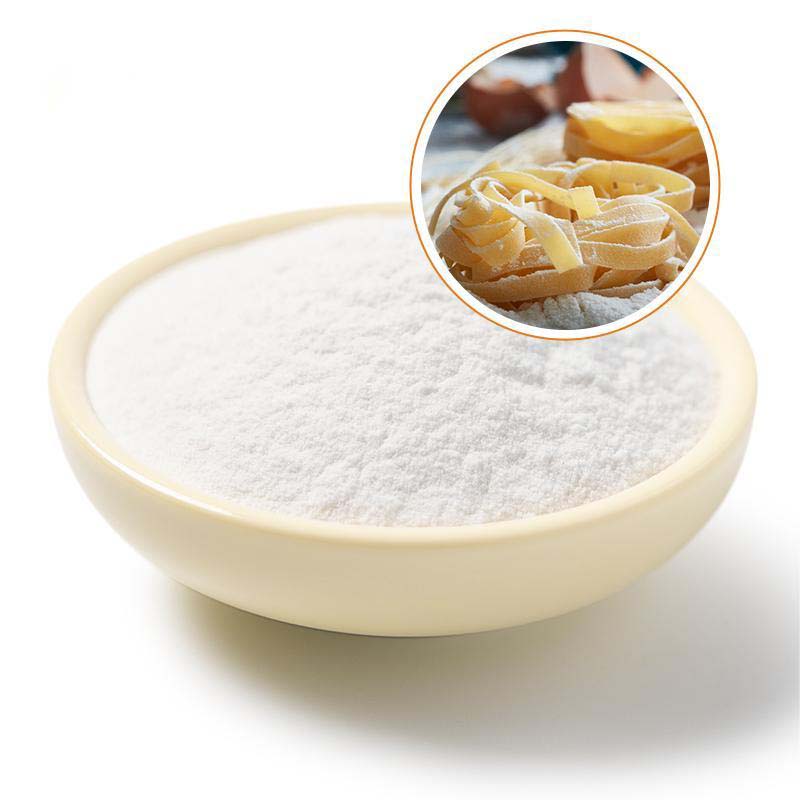
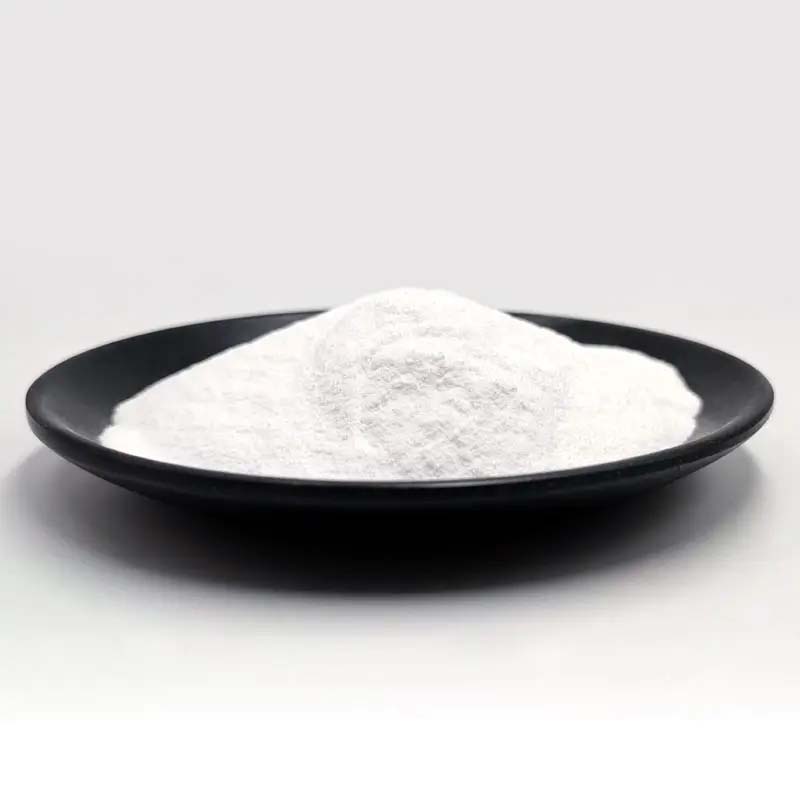
Simply put, carboxymethyl cellulose is a cellulose derivative—a natural polymer extracted primarily from wood pulp or cotton fibers. It’s modified chemically with carboxymethyl groups, which makes it water-soluble and highly functional. In powder form, it’s used as an emulsifier, thickener, stabilizer, and binder. Industries—from food manufacturing to oil drilling—leverage its properties to improve texture, manage viscosity, or enhance product stability. It’s somewhat like the quiet backstage crew that keeps a show running smoothly.
Key Characteristics and Components
- Water Solubility: The powder dissolves readily in cold or hot water, enabling it to be easily integrated across processes.
- Viscosity Control: It allows for precise thickening without changing flavor or color, crucial in foods and cosmetics.
- Biodegradability: Being cellulose-based, it naturally breaks down, supporting eco-friendly initiatives.
- pH Stability: Maintains effectiveness across a broad pH range (typically 4 to 10), adding to its versatility.
- Non-toxic & Safe: Suitable for ingestion and topical uses, approved by agencies like the FDA and E-number 466 in food applications.
A takeaway here: these properties make CMC powder a genuinely multifunctional material — applicable wherever consistency and stability matter.
Product Specifications at a Glance
| Specification | Typical Range | Notes |
|---|---|---|
| Degree of Substitution (DS) | 0.6 – 1.2 | Reflects carboxymethyl groups per cellulose unit |
| Viscosity (1% solution, 25°C) | 300 – 1500 mPa·s | Depends on molecular weight and source |
| Moisture Content | ≤ 8% | Ensures powder stability during storage |
| Solubility | Complete in cold/warm water | Key for ease of use |
Carboxymethyl Cellulose Powder in Real-World Applications
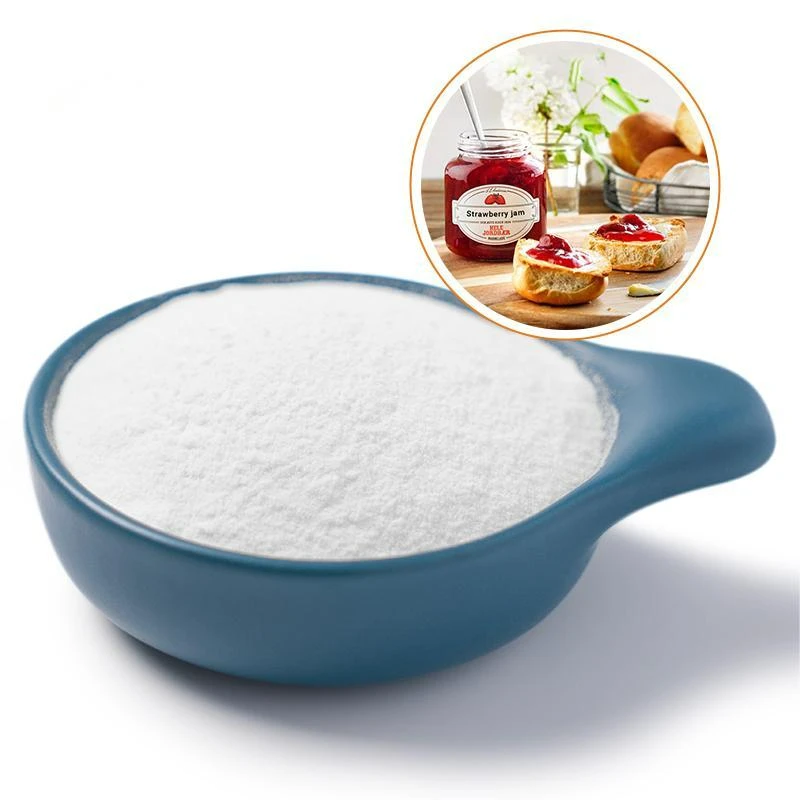
The versatility of CMC means it pops up in many unexpected areas. Oddly enough, while you might most often connect it to food products like ice cream or gluten-free bread (where it enhances creaminess and shelf-life), it's also critical:
- Pharmaceuticals: As a binder and disintegrant in tablets, it controls drug release and stability.
- Oil & Gas: Used in drilling muds to improve viscosity and reduce fluid loss — a surprising yet vital industrial application.
- Detergents & Personal Care: Improves texture and suspension stability in soaps and shampoos.
- Paper Industry: Enhances paper strength and surface smoothness.
- Water Treatment: Serves as a flocculant to aid purification processes.
Geographically, hotspots for production and usage include China, the United States, and Europe, driven by strong food processing and chemical manufacturing sectors. In humanitarian contexts, NGOs sometimes use CMC-infused gels or pastes for wound care and hydration stabilization—though that’s admittedly a niche but growing area.
Vendor Comparison — Choosing the Right Supplier
| Supplier | Purity (%) | MOQ (tons) | Typical Lead Time | Certifications |
|---|---|---|---|---|
| GlobalChem | >99.5% | 1 | 3 weeks | ISO 9001, FDA |
| EcoCell Solutions | 99.0% | 0.5 | 2 weeks | Organic, GMP |
| Pezetech Chemicals | >99.8% | 1 | 1 week | ISO, FDA, REACH |
Advantages and Long-Term Value of Carboxymethyl Cellulose Powder
Why bother with CMC when there are so many alternatives? Well, the value here is in its reliability and sustainability. It’s non-toxic, biodegradable, and derived from renewable resources—qualities that matter as the world leans into eco-friendly materials. On a cost basis, it’s surprisingly affordable given its broad functional range, which boosts profitability for manufacturers.
On the emotional side—yes, that counts—manufacturers and consumers alike trust products stabilized by CMC. It means safer food textures, less spoilage, and in pharmaceuticals, better drug delivery and patient outcomes. It’s innovation with purpose, offering dignity and reliability, especially in health-related sectors.
Future Trends and Innovations
Looking ahead, the demand for sustainable, plant-based solutions continues to grow. Research into bioengineered forms of cellulose promises even higher performance CMC powders with tailored viscosities or enhanced biodegradability. Digitalization in chemical manufacturing and quality testing boosts consistency and lowers environmental impact too.
Moreover, the green energy transition is touching chemical industries, encouraging suppliers to reduce carbon footprints. This aligns well with CMC’s renewable origins, possibly making it a flagship material in future eco-conscious production pipelines.
Challenges and Practical Solutions
Of course, no material is without hurdles. One challenge is its sensitivity to excessive heat and shear forces which might degrade viscosity in some applications. Storage conditions must be tightly controlled to avoid moisture uptake, which affects solubility and flow.
Forward-thinking manufacturers combat this by optimizing formulation blends or complementing CMC with other stabilizers. Also, advances in packaging are helping maintain powder integrity during transit. I suppose, like most materials, knowledge and handling matter as much as ingredients.
FAQ: Frequently Asked Questions About Carboxymethyl Cellulose Powder
- Q1: What industries use carboxymethyl cellulose powder the most?
- A: Major industries include food and beverage, pharmaceuticals, oil drilling, paper manufacturing, and personal care products. Its versatility in stabilizing, thickening, and binding makes it valuable across these sectors.
- Q2: Is carboxymethyl cellulose powder safe for human consumption?
- A: Yes, it is widely regarded as safe and is approved by regulatory bodies like the FDA. It’s used in numerous food products as a thickener and stabilizer without adverse effects.
- Q3: How should carboxymethyl cellulose powder be stored?
- A: Keep it in a cool, dry place away from moisture and direct sunlight to preserve its quality and solubility.
- Q4: Can carboxymethyl cellulose powder be customized for specific applications?
- A: Absolutely. Suppliers often tailor viscosity grades or particle sizes to meet specialized industry needs.
- Q5: How does CMC contribute to sustainability?
- A: Derived from renewable cellulose, it biodegrades naturally and reduces reliance on synthetic polymers, supporting greener production practices.
Wrapping Up: Why Carboxymethyl Cellulose Powder Matters
To put it bluntly: carboxymethyl cellulose powder might not be the star of the show, but it’s definitely the trusted backstage hand. Its global relevance, multifaceted use, and alignment with sustainability trends prove its worth. If you’re involved in manufacturing, pharmaceuticals, or even environmental management, understanding and leveraging this material can offer a real edge.
For more detailed product information and sourcing solutions, feel free to visit Pezetech Chemicals. They specialize in high-purity, customizable CMC powders with trusted certifications and fast delivery.
It’s fascinating to watch how this powder continues evolving—quietly shaping products and processes everywhere.
Mini takeaway: Carboxymethyl cellulose powder proves that sometimes, the smallest components hold the greatest potential for industrial innovation and sustainability.
References:
1. Wikipedia - Carboxymethyl cellulose
2. ISO Standards for Cellulose Derivatives
3. UN Climate Science Key Findings
-
What Is VAE Powder? Complete Guide to Redispersible Polymer Powder (RDP) for ConstructionNewsApr.21,2026
-
HPMC Manufacturers in ChinaNewsApr.21,2026
-
What Is Redispersible Polymer Powder (RDP)? Complete Guide to VAE RDP for Mortar ApplicationsNewsApr.21,2026
-
Top Guide to Selecting Professional vae emulsion manufacturersNewsApr.16,2026
-
Viscosity of HPMCNewsApr.15,2026
-
HPMC Powder UsesNewsApr.15,2026